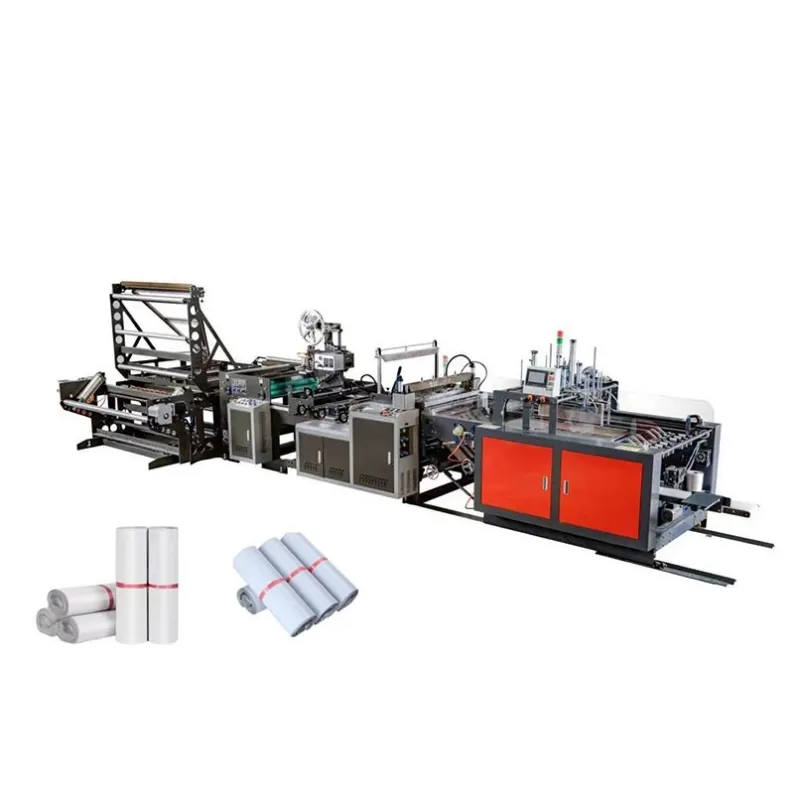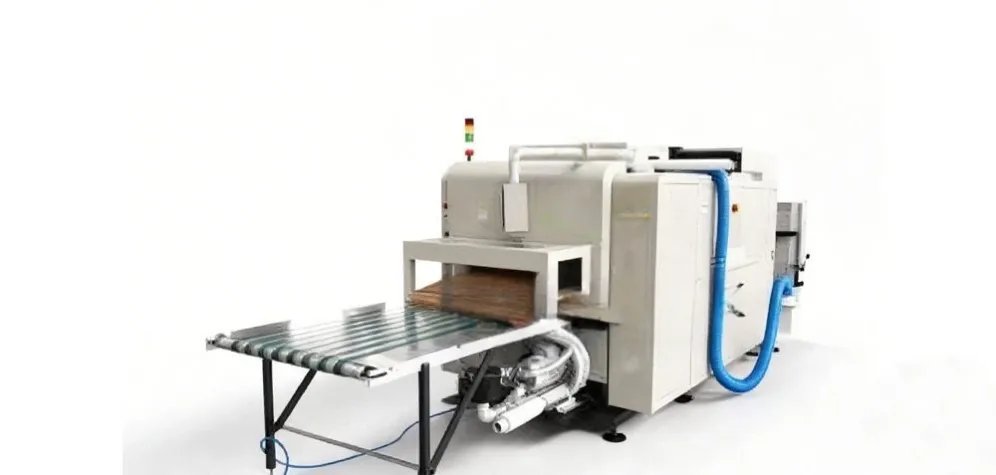
5 Key Technical Indicators to Consider Before Buying Paper Packaging Machinery
Do not judge a paper packaging machine by speed alone. Check material range, tension control, PLC and connectivity, energy use and modular growth first — the five indicators that decide real output.
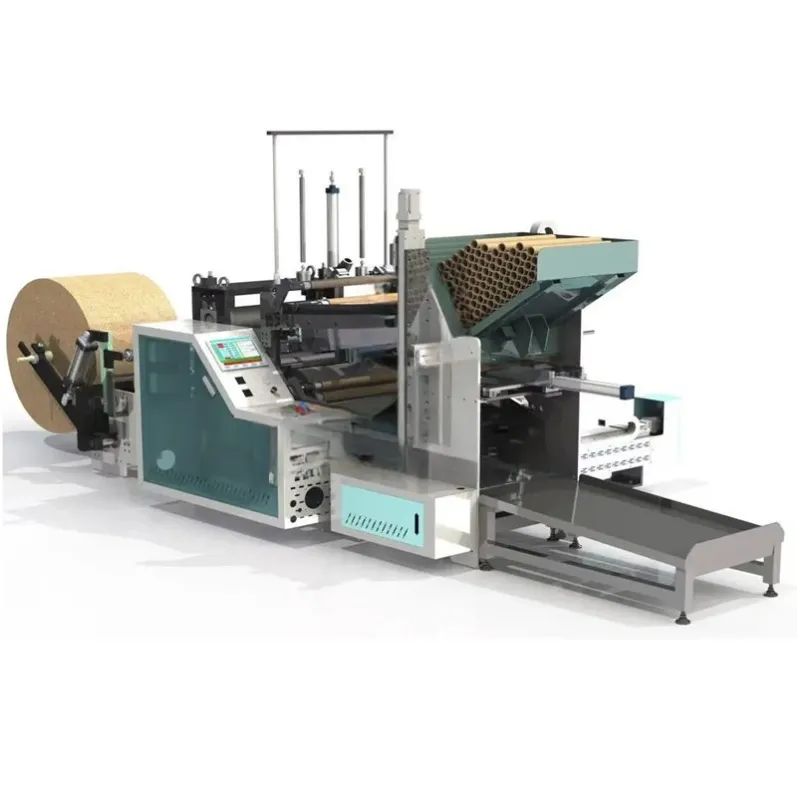
Do not judge a paper packaging machine by its top speed alone. Before you buy, check five technical indicators: the range of materials it handles, how it controls paper tension, its PLC control and connectivity, its energy use per bag, and whether it can grow with your business. A machine that scores well on all five will run steadily, waste less paper and still be useful when your products change; a machine that fails on any one of them can cost more in downtime, waste and early replacement than it saves on price.
1. Material Versatility: One Machine, Many Papers
The first indicator is the range of materials the machine can handle. A good paper packaging machine should work with papers of different weights, from light tissue paper to heavy recycled kraft paper, and with different structures such as honeycomb paper, so that one machine can make more than one type of product. That range matters because orders change: a customer who buys honeycomb mailers today may ask for a different cushioning paper tomorrow, and a machine that can only run one material will need to be replaced or supplemented. Ask the supplier for the full range of paper weights and types the machine has been tested with, and check that it includes the papers you actually buy.
Versatility is also about changeover. A machine that needs long adjustments every time the material changes will lose more time than it saves, so the best machines switch between materials with little more than a setting change. If you plan to offer several mailer types, test the changeover with your own papers before you decide, and ask how long it takes and how much paper is wasted while the machine is being reset.
2. Tension Control: Steady Paper, Steady Output
The second indicator is tension control, and it is the one that most often decides whether a machine runs well or stops all the time. Paper has low elasticity and tears easily, so the tension on the paper web must be held steady from the roll to the sealing station, even as the machine runs faster. Modern machines use closed-loop tension control with high-sensitivity sensors that measure the tension many times a second and adjust it at once, so the paper stays flat and does not stretch, wrinkle or break. Without that control, the paper can snap at speed, and every break means stopped production, wasted paper and a machine that needs to be rethreaded.
Good tension control also protects the product. Honeycomb paper and paper bubble cushioning only protect the goods inside the mailer if their structure stays intact, and uneven tension can crush or stretch the cushioning before the bag is even sealed. When you test a machine, watch how it handles the lightest paper you use and the heaviest, and ask the supplier what happens when a roll is slightly uneven. A machine that keeps tension steady across that range will give you consistent bags and far fewer stoppages.
3. PLC Control and IoT: The Machine That Talks Back
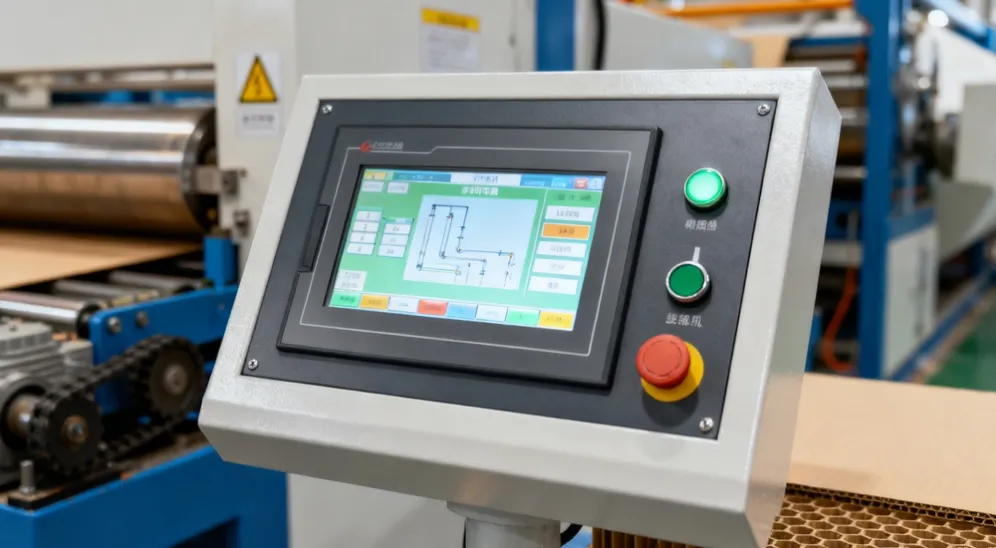
The third indicator is the control system. A modern machine should be built around a PLC — a programmable logic controller — with a clear touchscreen that shows the machine's state, its speed and any error in plain language, so the operator can find a problem quickly instead of guessing. The best-known PLC brands are Siemens and Mitsubishi, and a machine built on a recognised control platform is easier to maintain because parts and know-how are available. Ask whether the machine's control system records production data, so you can see how many bags it made, how long it ran and where it stopped.
Connectivity adds a second layer of value. A machine that can connect to the internet of things can send its data to a dashboard and let a technician check it from a distance, so a fault can often be diagnosed before a service visit is needed. Remote diagnostics do not replace a good local service team, but they shorten the time a machine spends waiting for help, and they make it possible to spot a developing problem before it stops the line. Ask the supplier what data the machine can provide and who can see it.
4. Energy Efficiency: The Cost of Every Bag
The fourth indicator is energy efficiency, and it is best measured as the energy used per unit of output — how much power the machine needs to make one finished bag. A machine that uses a servo motor for its main drive will usually use less energy than one driven by compressed air, because a servo only draws power when it moves, while a pneumatic system uses air all the time. The difference may look small on a single bag, but across a year of production it adds up, and it also affects the machine's carbon footprint. Ask the supplier for the machine's energy use at your normal running speed, and compare machines on energy per bag rather than on the size of their motors.

5. Modular Scalability: Buy for Today, Grow Tomorrow
The fifth indicator is whether the machine can grow. A modular machine is built from sections that can be added or changed later, so you can start with a basic line and add printing, labelling, cutting or die-cutting when the business needs it, instead of buying a whole new machine. That flexibility depends on an open architecture: the machine's frame, controls and software should accept new modules without a rebuild. Ask the supplier which modules can be added to the machine you are buying, what they cost and how long they take to fit. A machine that can only do one job at the price you pay today may be the most expensive choice in two years' time.
How to Use the Five Indicators
Use the five indicators as a checklist, and ask every supplier for the same information, in the same terms, so the answers can be compared. Test each machine with your own paper, at your own bag size and speed, and watch how it handles the lightest and the heaviest material you use. A machine that passes all five checks will not be the cheapest on the day you buy it, but it will be the one that is still running well, making good bags at a low cost per bag, when your products and your volume have both grown. That is the real measure of a paper packaging machine.
If you are comparing paper packaging machines, talk to HJ Machinery before you decide. Browse our honeycomb paper machines to see the range, then contact us with your paper types, GSM range and monthly volume, and we will help you check the five indicators against your production.