Drop and Compression Testing for Paper Mailers: How to Choose the Right Mailer for Your Product
A mailer that fails in transit costs more than the bag. Use drop and compression tests to match the cushioning — embossed, honeycomb or corrugated — to your product's weight and fragility.
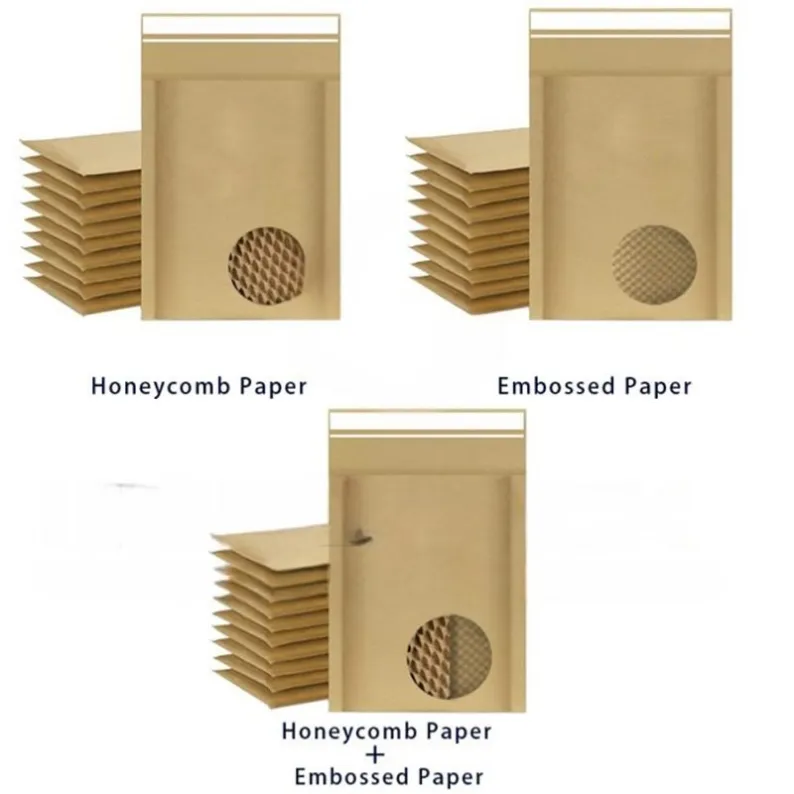
A mailer that survives the warehouse is not the same as a mailer that survives delivery. Before you choose a paper mailer for your product, test how it handles drops and stacking — the two stresses that cause most damage in transit. Drop testing shows whether the seal and the cushioning absorb a fall; compression testing shows whether the mailer holds up when parcels are stacked on top of it. Together, they tell you which cushioning — embossed paper, honeycomb paper or corrugated board — fits your product's weight and fragility.
Drop Testing: What a Fall Reveals
Drop testing is simple in principle: pack the product in the mailer, drop it from a set height, and check what happens. Start at the heights a parcel actually meets — a tabletop, then waist height — and test the mailer on its corners, edges and flat faces, because each one stresses the bag differently. A corner drop tests the seal and the cushioning at its weakest point; a flat drop tests whether the cushioning spreads the impact across the whole bag. Record what breaks, where it breaks and at what height, so the result is a number you can compare, not a feeling.
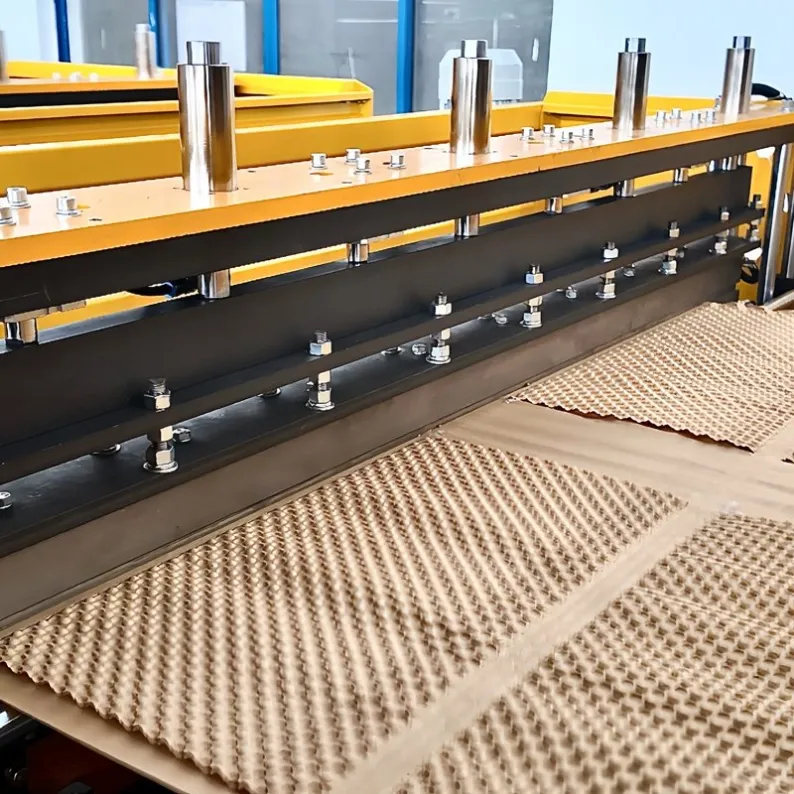
Watch the seal and the cushioning separately. If the seal splits, the bag is failing at its join, not in its cushioning, and a stronger seal or a different closing method is the fix. If the cushioning flattens and does not spring back, the cushioning is too light for the product: honeycomb paper spreads an impact across its cells and recovers well, while embossed paper is lighter and suits gentler treatment. When a mailer fails, strengthen the cushioning or change its type — adding a thicker outer layer alone rarely solves a drop problem.
Compression Testing: What Stacking Reveals
Compression testing measures what happens when parcels are stacked. Place the packed mailer under a known weight, or stack real parcels on it, and check whether the mailer keeps its shape and whether the product inside is damaged. Test with the real weight of the goods above it, not with an empty bag: an empty mailer can look strong while a full one crushes under the same load. Books, electronic accessories and glass cosmetics are good examples to test with, because they are heavy for their size or break easily, and they are the products customers complain about most.
Of the three cushioning types, corrugated board is the strongest under stacking, because its fluted layer carries the load; honeycomb paper sits in the middle and suits medium-weight goods; embossed paper is best for light, flat items. Ask your supplier what stacking load the mailer is rated for, and test it at that load with your own product inside. If the mailer sags or the product is marked, move up a grade rather than hoping the courier will be gentle.
Matching the Mailer to Your Product
As a starting point, use the product's weight and fragility together. For products up to about 500 g that are light and not fragile, an embossed paper mailer is usually enough. For medium-weight products, a honeycomb mailer gives more protection without much extra cost. For products of about 1 kg or more, or for glass, electronics and anything that breaks easily, a corrugated mailer is the safer choice. These weight bands are examples from testing practice, not guarantees: a heavy but sturdy product may need less protection than a light but fragile one, and the only way to be sure is to test.
When a product sits on the boundary between two grades, test the stronger one. The price difference between mailer grades is small, while a damaged product costs a replacement, a return shipment and a disappointed customer. A mailer that is slightly stronger than you need is cheap insurance; a mailer that is slightly too weak is a recurring cost.
Test With Machine-Made Samples, and Test Again
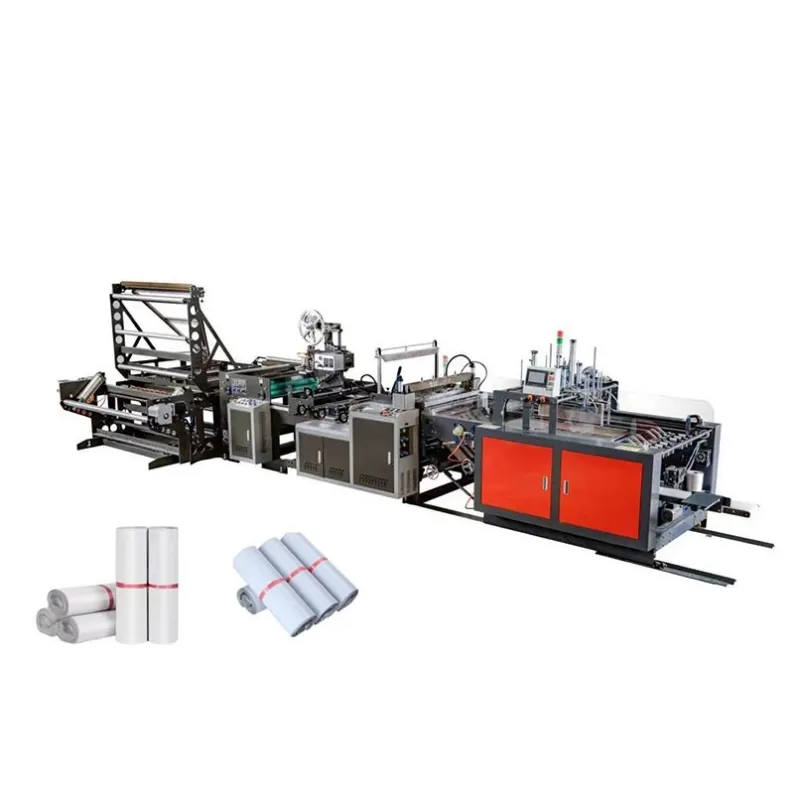
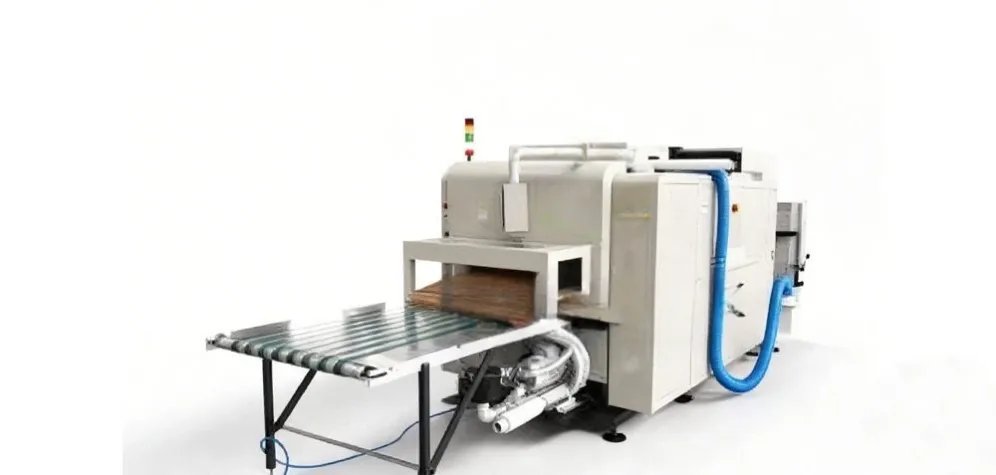
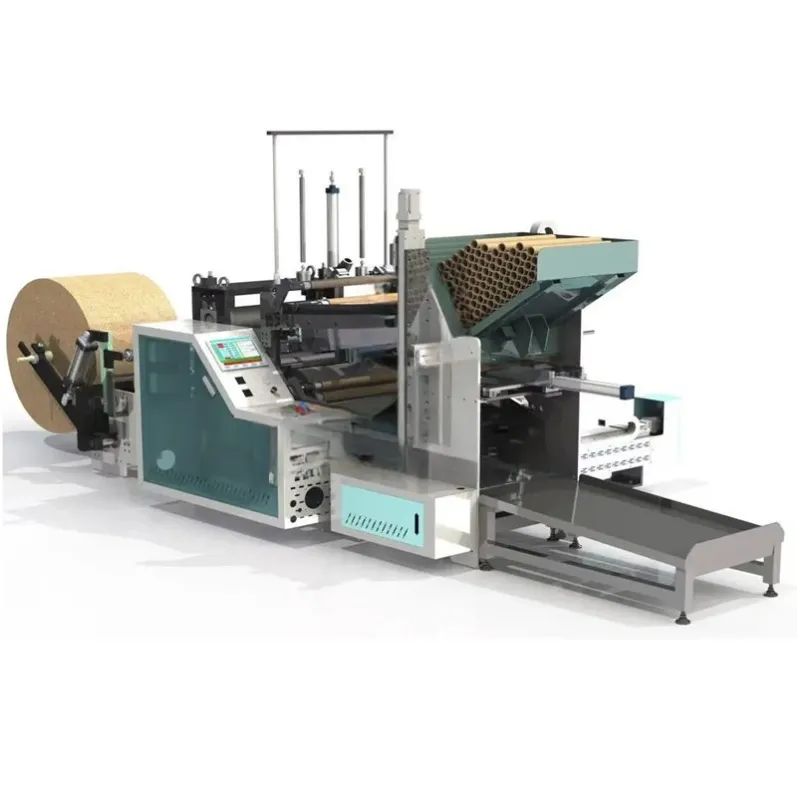
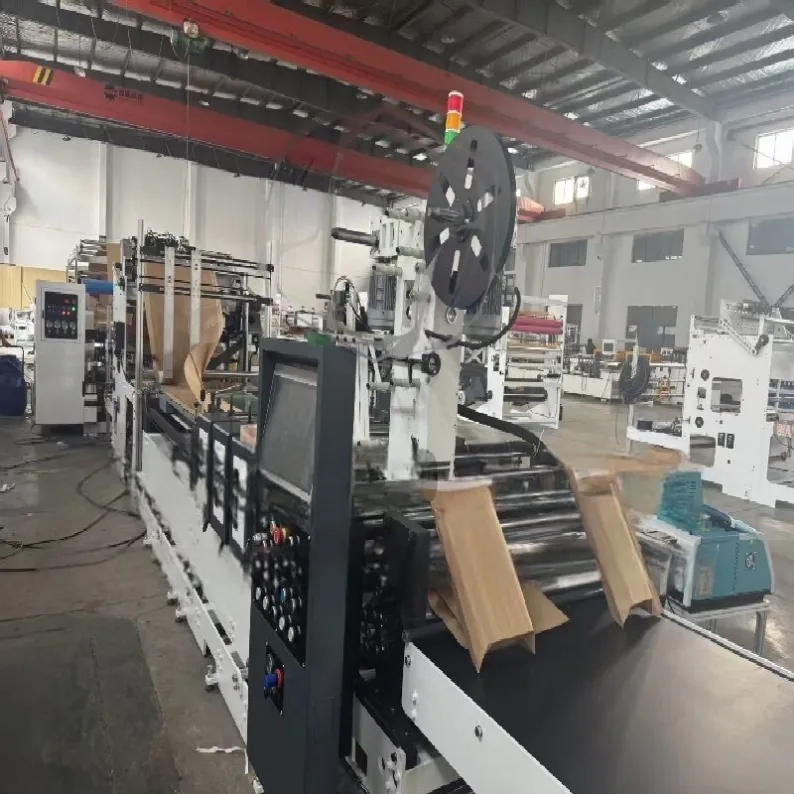
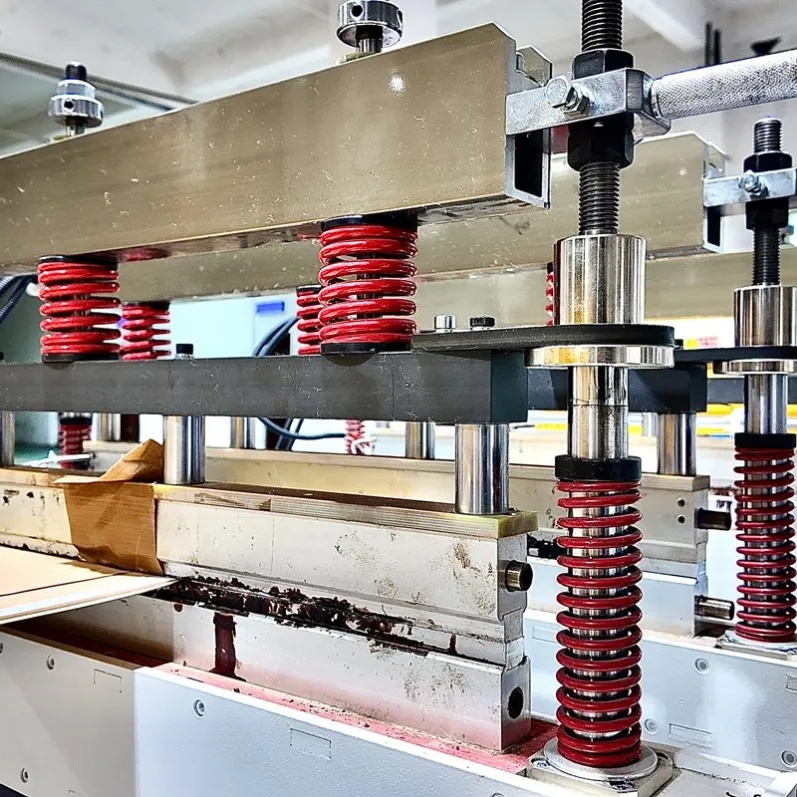
Always test with samples made on the machine that will produce your mailers, not with hand-made prototypes. A machine-made sample shows whether the seal temperature, the folding and the cushioning are consistent from bag to bag, and whether the bag size fits the product — a bag that is too large lets the product move around inside it, which adds its own damage. Check the seal on every sample, measure the cushioning thickness and confirm the bag is not oversized for the product.
Testing is not a one-off job. Repeat the drop and compression tests on the first production batch, and again whenever the supplier, the paper grade or the GSM changes, because any of those changes can alter how the mailer performs. Keep a record of the tests that passed, including the outer layer GSM, the cushioning type and thickness, and the test the mailer had to pass — that record is what lets you repeat a good result instead of guessing.
What to Ask Before You Choose
Before you commit to a mailer, ask three questions: what is the outer layer GSM and the cushioning type and thickness; which drop and compression tests has this mailer passed, and at what heights and loads; and can the machine that makes it hold seal temperature, folding and cushioning steady across a full production run? A supplier who can answer all three with test results is offering a mailer you can trust. One who cannot is asking you to take the risk.
If you are choosing a paper mailer for your products, talk to HJ Machinery first. Browse our mailer and envelope machines to see the range, then contact us with your product weight, fragility and monthly volume, and we will help you match the mailer and the machine to what you ship.