How to Choose the Right Mail Bag Machine for Your Business
A mail bag machine is a long-term purchase. Compare speed, material compatibility, customisation and after-sales support — the four standards that decide whether the machine pays back.
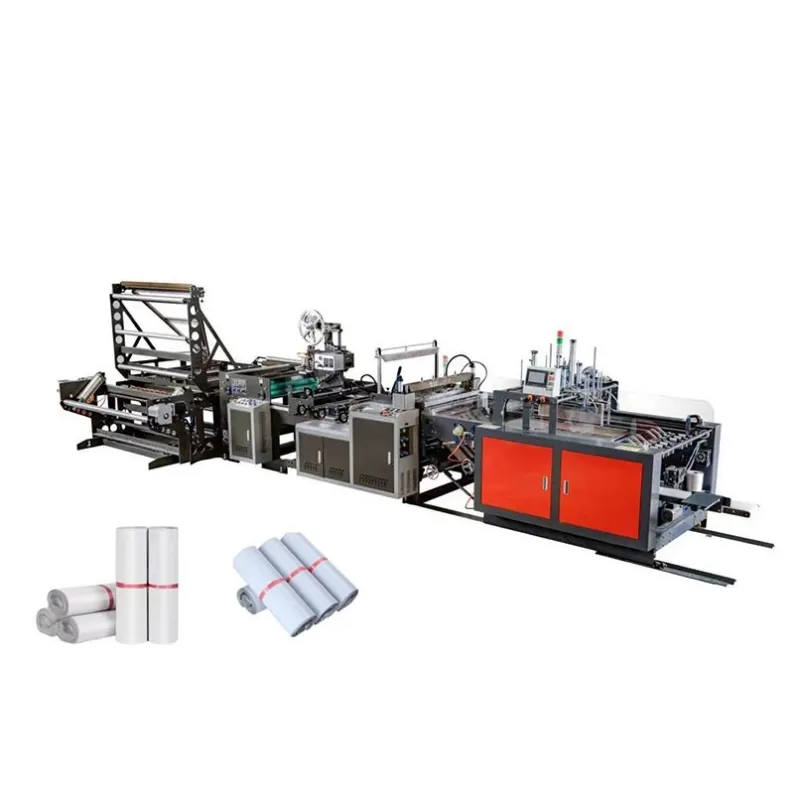
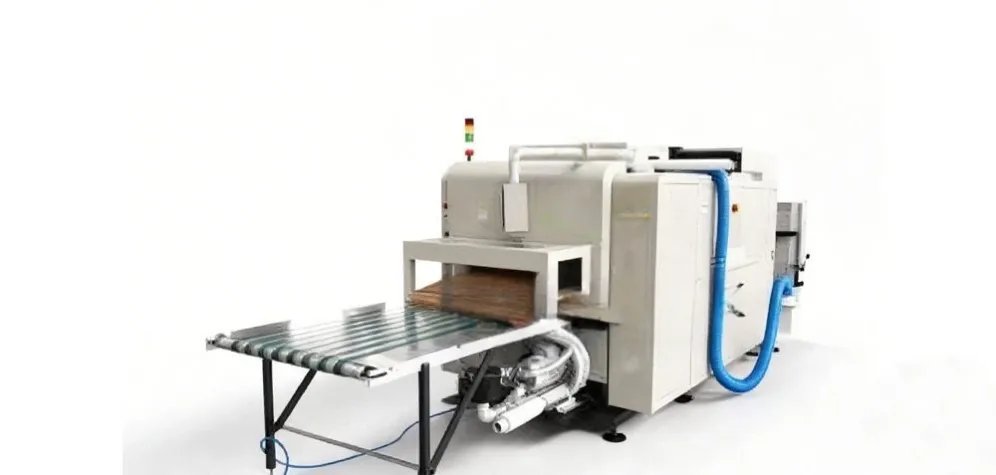
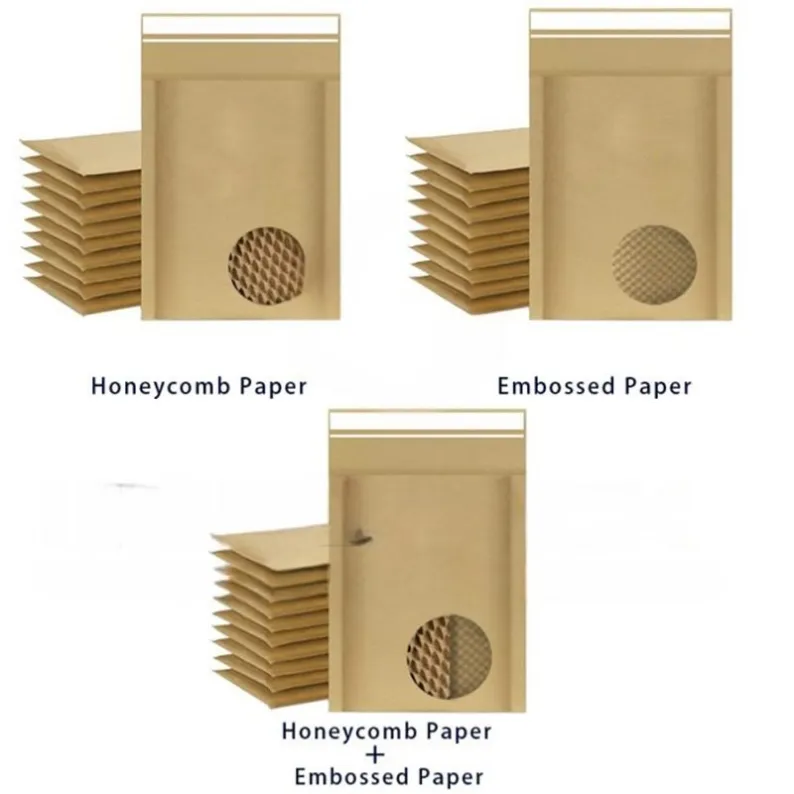
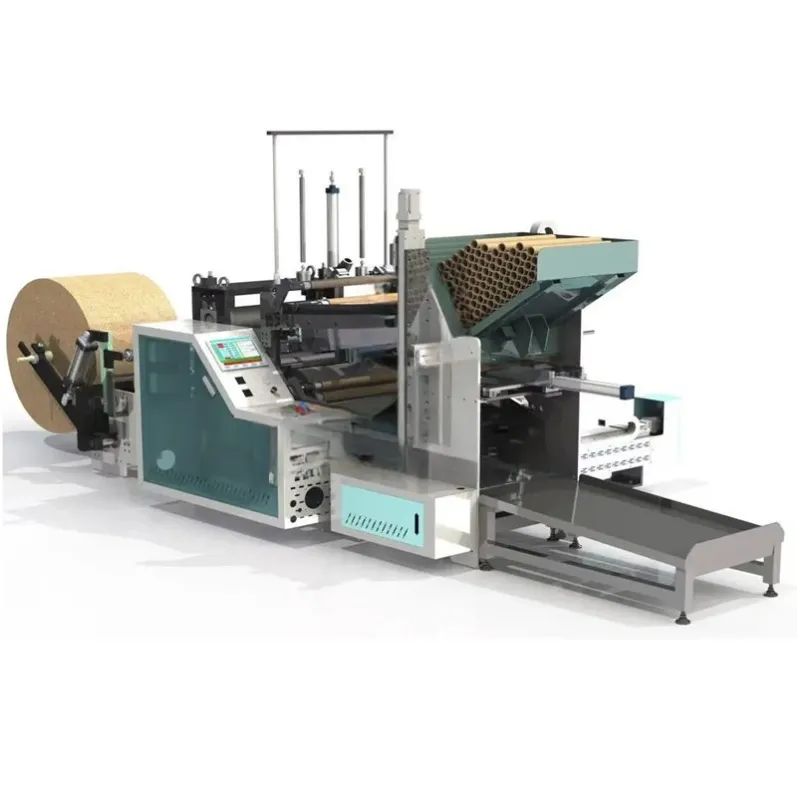
A mail bag machine is a long-term purchase, and the wrong one is expensive to live with: too slow and it holds up your orders, too limited and it cannot run the bags your customers ask for, too poorly supported and every breakdown costs a day of production. Before you buy, judge the machine on four standards — speed, material compatibility, customisation and after-sales support. A machine that passes all four will still be earning its keep years after installation; one that fails on any of them will cost more than it saves.
1. Speed: Match the Machine to Your Volume
Start with speed, but measure it against your real volume. A high-speed mail bag machine, driven by servo motors and controlled by a PLC, can produce large numbers of bags per hour, and that speed matters most for logistics and courier businesses that ship thousands of bags a day. But speed alone is not the answer: a machine that runs fast but stops often for jams, roll changes or adjustments will produce less in a day than a slower machine that runs steadily. Ask the supplier for the machine's output at your bag size and material, and for how much of the day it can actually run.
Think about your growth as well. A machine that just keeps up today will fall behind when your volume grows, while a machine with far more speed than you need ties up money that could be used elsewhere. The right speed is the one that covers your busiest month with room to grow, without buying capacity you will not use
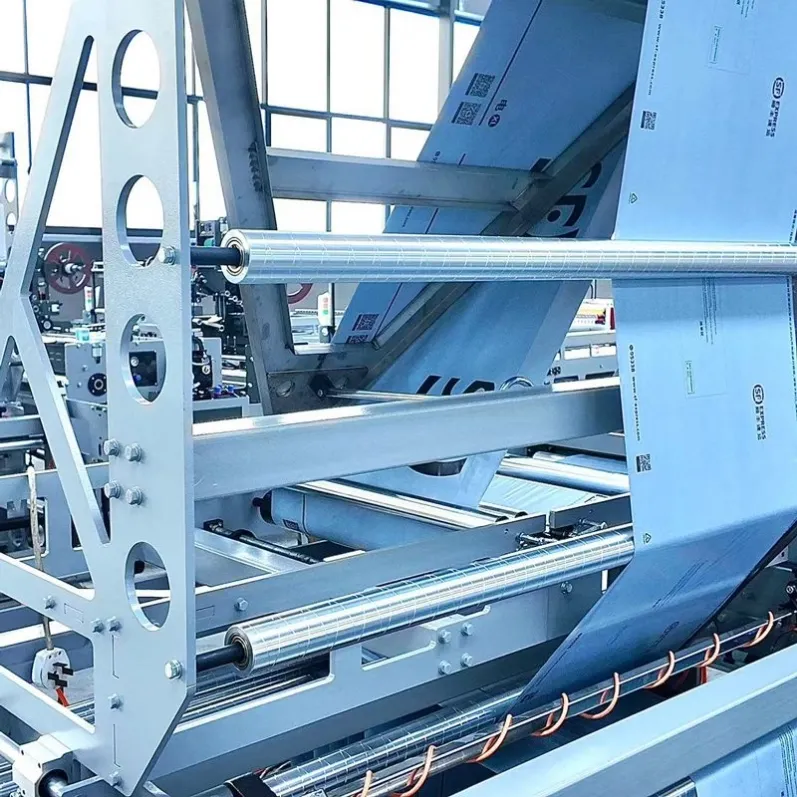
for years.
2. Material Compatibility: One Machine, Many Films
The second standard is the range of materials the machine can run. Mail bag machines work with polyethylene (PE) film, biodegradable film and recyclable plastics, and a good machine should handle several of these without long changeovers. That range matters because customers and regulations change: a buyer who orders standard PE bags today may ask for biodegradable or recyclable film tomorrow, and a machine that can only run one material will need to be replaced or supplemented. Ask the supplier which films the machine has been tested with, and at what thicknesses.
Check the sealing as well as the feeding. Different films seal at different temperatures, and a machine that cannot hold a steady sealing temperature will produce weak seals that split in transit. Test the machine with the films you actually buy, including the thinnest and the thickest, and check the seal strength on the finished
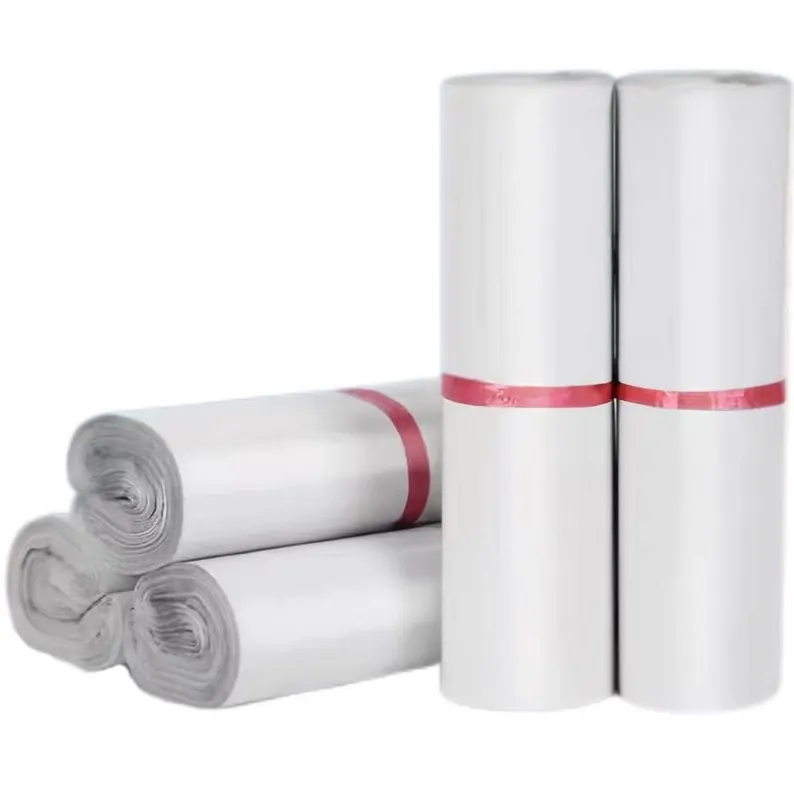
bags.
3. Customisation: Bags That Fit Your Customers
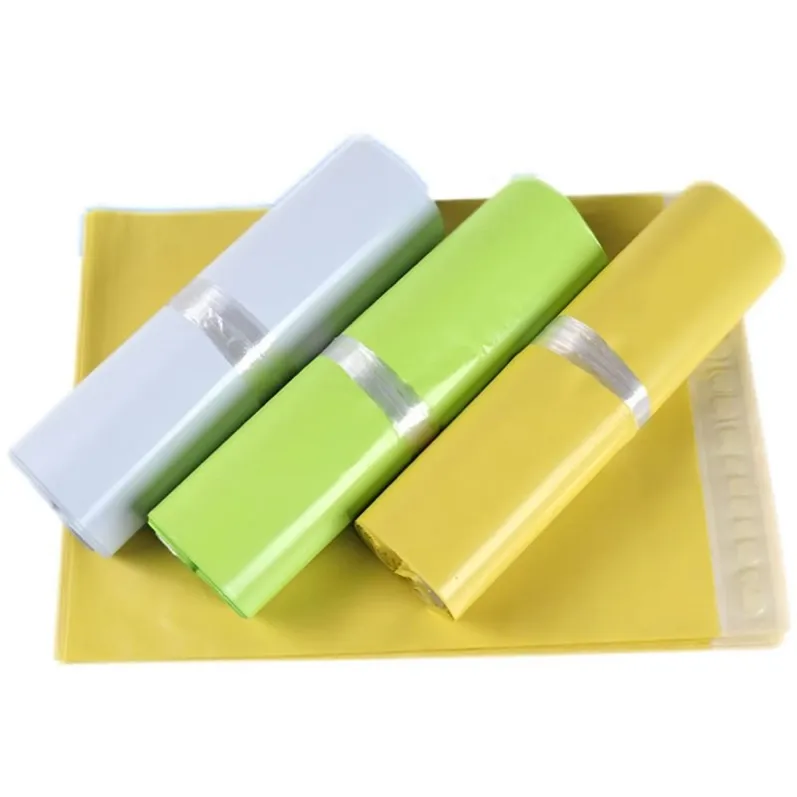
The third standard is customisation. A mail bag machine should let you change the bag size, the film thickness and the sealing style to match what your customers need, without a rebuild. Courier bags, mailing bags and express bags come in many sizes, and a machine that can switch between them quickly is worth more than one that makes a single size very fast. Ask how long a size change takes, how much film is wasted during the change, and whether the machine can add features such as a handle, a tear strip or a printed panel.
Customisation is also about the future. If you plan to add printed branding or a new bag format later, check that the machine can take those options. A machine that can grow with your product range protects your investment; one that cannot will be replaced sooner than you planned.
4. After-Sales Support: The Standard That Decides Uptime
The fourth standard is after-sales support, and it is the one that decides how much of your investment you actually get back. A mail bag machine runs for long hours, and parts wear, sensors drift and settings need adjusting. When that happens, you need a supplier who answers quickly, holds spare parts in stock and can send a technician who knows the machine. Ask how long spare parts take to arrive, whether the supplier offers remote diagnostics, and what the warranty covers — and check the answers with existing customers if you can.
Support also includes training. A machine is only as good as the people who run it, so the supplier should train your operators, provide a clear manual and be available when a new operator starts. A cheap machine with no support will spend more time stopped than running; a well-supported machine will still be producing good bags years later.
How to Decide
Use the four standards as a checklist and ask every supplier the same questions, so the answers can be compared side by side. Test each machine with your own film, at your own bag size and speed, and watch how it handles the thinnest and the thickest material you use. The cheapest machine is rarely the best buy; the best buy is the machine that runs steadily, makes the bags your customers need and is backed by a supplier who answers the phone. That is the machine that pays for itself.
If you are choosing a mail bag machine for your business, talk to HJ Machinery first. Browse our mailer and envelope machines to see the range, then contact us with your bag sizes, film types and daily volume, and we will help you find the machine that fits your business.