Air Cushion Bag Machine: Efficient Packaging for Fragile and Valuable Goods
An air cushion bag machine makes inflatable protective bags on demand from film, using heat sealing and air filling. This guide explains how it works and the bag types to choose from.
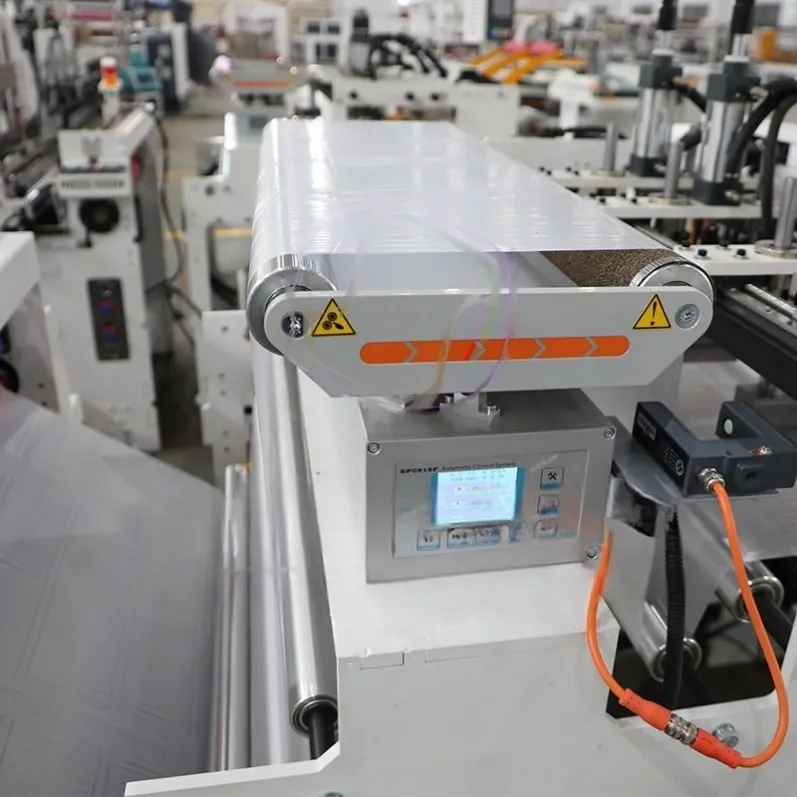
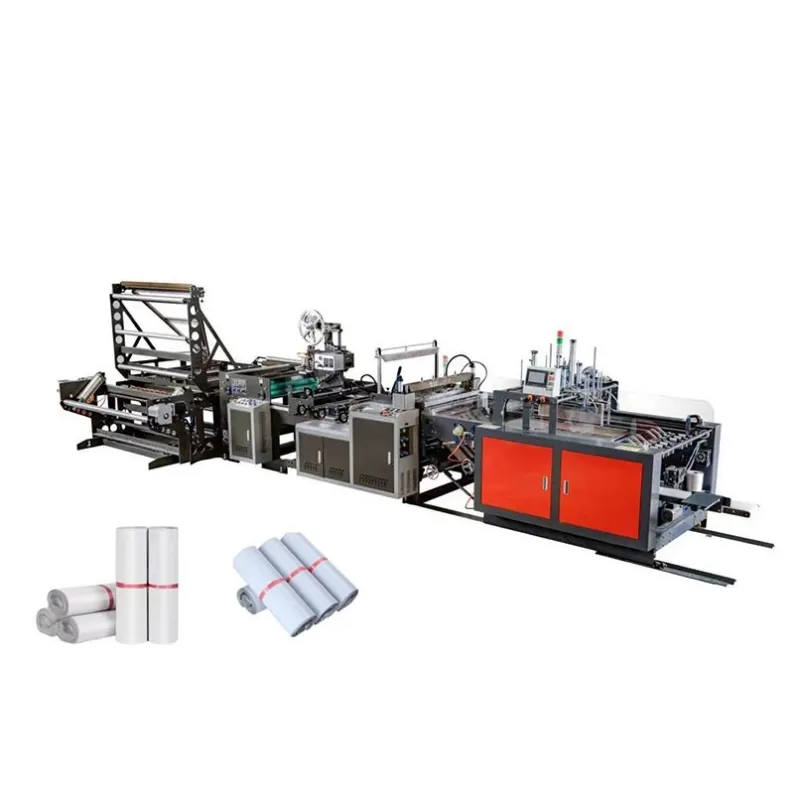
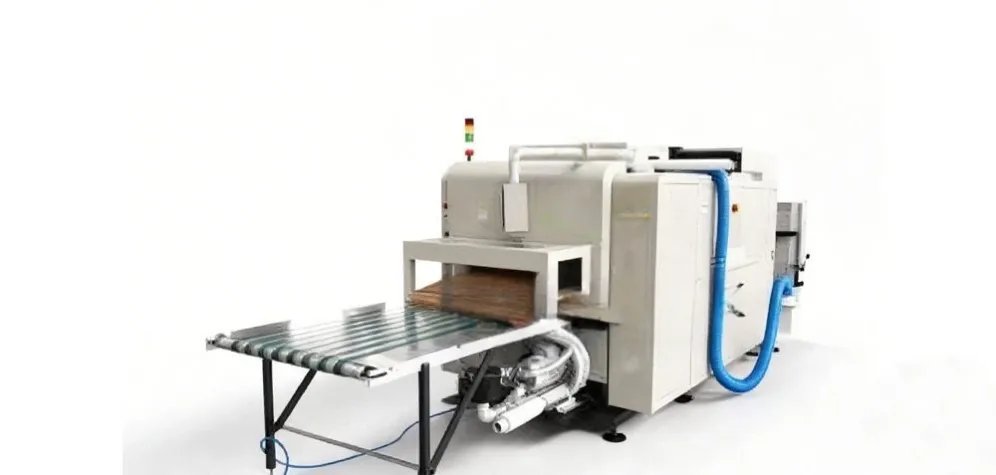
An air cushion bag machine turns flat plastic film into inflated protective bags, on demand and in the size each product needs. It feeds film through the machine, fills it with air, heat-seals it into separate chambers or bags, and cuts the finished bags apart. For e-commerce and fulfilment operations shipping fragile or valuable goods, it replaces pre-made bubble wrap and foam with bags produced as they are needed, so the protection matches the product instead of the other way round.
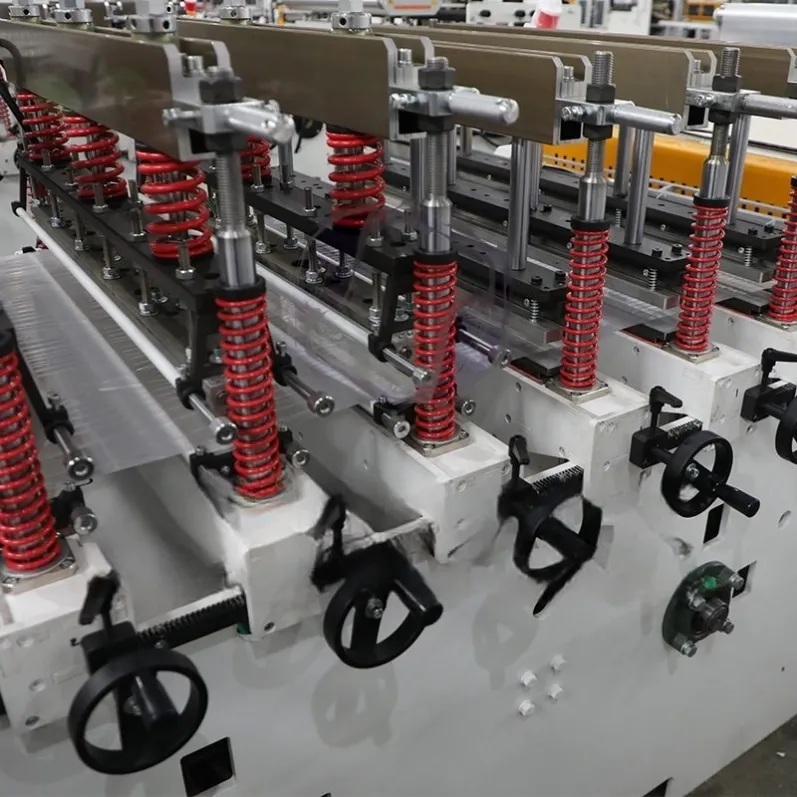
How an Air Cushion Bag Machine Works
The process has five stages, and each one can be adjusted to the product being packed. Together they turn a roll of film into finished, ready-to-use protective bags without manual filling or sealing.
- Film feeding. A roll of film is loaded and fed through the machine. The machine works with several film types, including PE film, PA/PE film and nylon film, so the film can be matched to the product: a tougher film for heavier items, a lighter one for general protection.
- Air filling. The film is inflated with air to form the cushion. The amount of air can be set to suit the product: firmer for heavy or sharp items, softer where the bag mainly fills space.
- Heat sealing. Heated sealing bars close the inflated film into separate chambers or bags. A stable, consistent seal is essential: a weak seal leaks, and the bag goes flat in transit.
- Cutting and perforating. The machine cuts the film into individual bags, or into a chain of bags joined by perforations that tear apart easily at the packing bench.
- Collection. Finished bags are folded, stacked or rewound, ready for the packer to take and use. Because bags are made as they are needed, there is no need to store large volumes of pre-made packaging.
The machine can also be set up for different bag sizes, film thicknesses, sealing patterns and air filling rates, so one machine can cover a wide range of products. That adjustability is what makes it useful in a fulfilment centre, where the next order may be a different size and shape from the last.
The Main Types of Air Cushion Bags
One machine can make several kinds of protective bag. The right type depends on what is being protected and how it travels.
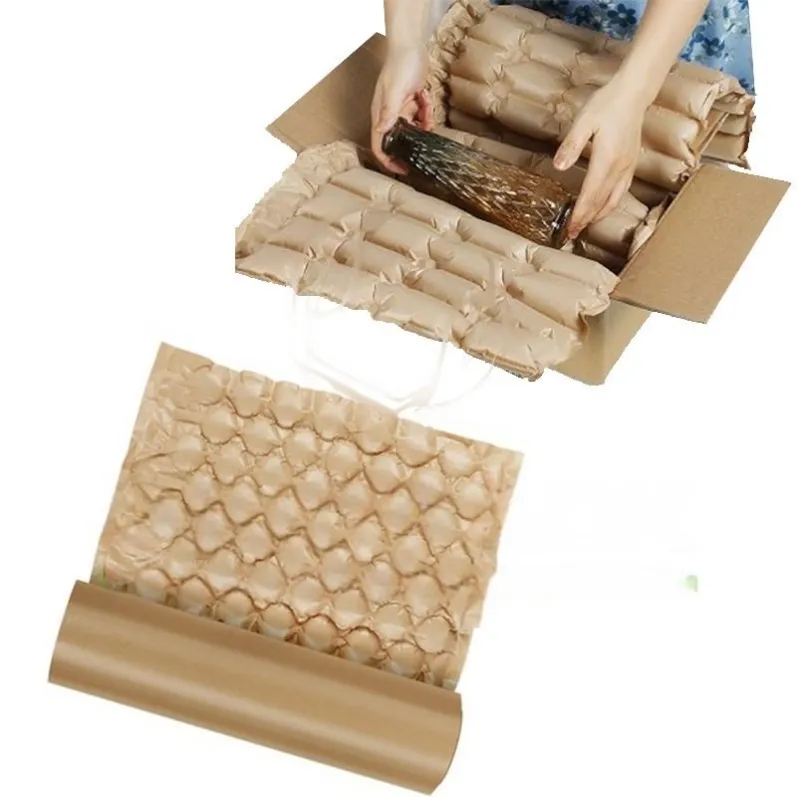
- Air pillows. Light, inflated cushions that fill empty space inside a carton and stop products moving around in transit. They are the everyday void-fill bag for e-commerce packing.
- Bubble bags. Bags with a bubble surface that wrap and cushion individual items, protecting them from bumps and scratches.
- Air column bags. Bags made of separate air columns or tubes, each holding its own air. They absorb shock and hold the product in place, and they are a good choice for bottles, glassware, electronics and other fragile items.
- Edge fold bags. Bags with folded, reinforced edges that protect the corners and edges of a product, where damage most often starts.
Where Air Cushion Bags Protect Your Products
Air cushion bags are used wherever fragile or valuable goods are packed and shipped. E-commerce and online retail sellers, including those selling on Amazon, Shopify and eBay, use them to protect orders in transit and to cut damage claims and returns. Electronics manufacturers pack components and devices in them. Cosmetics and personal care brands protect bottles and jars. Medical and pharmaceutical products, which need clean and consistent protection, travel in them too. Third-party logistics and fulfilment centres use them across many different products, because one machine and a few film types can cover a whole warehouse of orders.
What to Look for in an Air Cushion Bag Machine
Not every machine suits every operation. These are the points that matter most when comparing models. First, look for fully automatic operation with touchscreen controls, so the operator can set bag length, sealing and speed from one panel and change between jobs quickly. Second, check film compatibility: a machine that handles PE, PA/PE and nylon films gives you more choice in protection and cost. Third, check sealing stability and strength, because a bag that leaks is no protection at all. Fourth, look for customisation: bag size, film thickness, sealing pattern and air filling should be adjustable to your products, and the supplier should be able to build a configuration around them. Fifth, consider the environmental side: recyclable and biodegradable films are available for some applications, and making bags on demand already cuts the waste of storing and shipping pre-made packaging. Finally, look at the practical benefits that add up over time: a machine that makes bags as needed saves storage space, since you store film rolls rather than a warehouse full of packaging, and it reduces the labour of handling pre-made materials. After-sales support matters too, since a packing line stops when the bag machine stops.
How to Choose the Right Machine for Your Products
Start with the products. List what you ship, how fragile and how valuable each item is, and match the bag type to it: air column bags for bottles and electronics, air pillows for void fill, bubble bags for individual wrapping. Then check the film types those products need, and estimate your daily volume, so you know whether a compact machine or a fully automatic, continuous-running model is right. Ask the supplier for custom sizing and, where possible, a trial run with your actual products, so you can see the seal strength and the fit before you commit.
Conclusion
An air cushion bag machine turns a roll of film into the exact protective bag each order needs, when it is needed. Choose the bag type and film for your products, and judge the machine on automatic operation, sealing stability, adjustability and support, because those are what keep the line running and the goods intact. Explore Hangjia Machinery's air cushion machines to compare models for your products, or contact us with your product sizes and daily volume, and we will help you choose the right configuration.