Air Cushion Film Making Machine: A Smart Solution for Protective Packaging
An air cushion film making machine turns plastic film into inflated protective film on demand. This guide explains how it works, its benefits and where it fits your packing line.
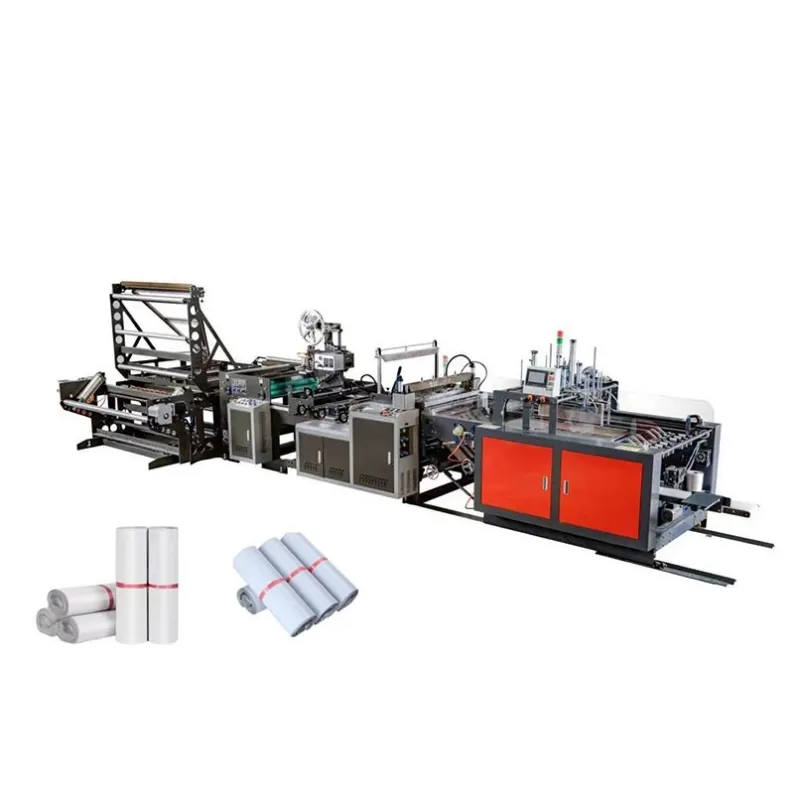
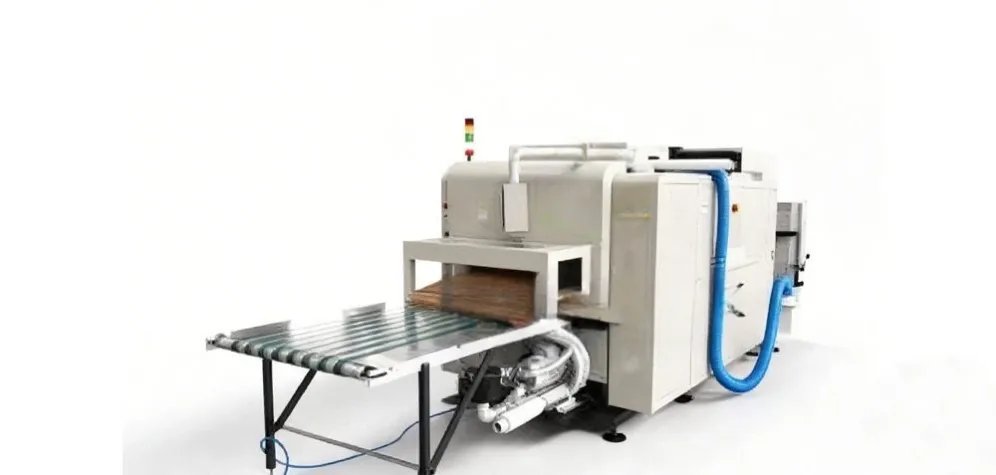
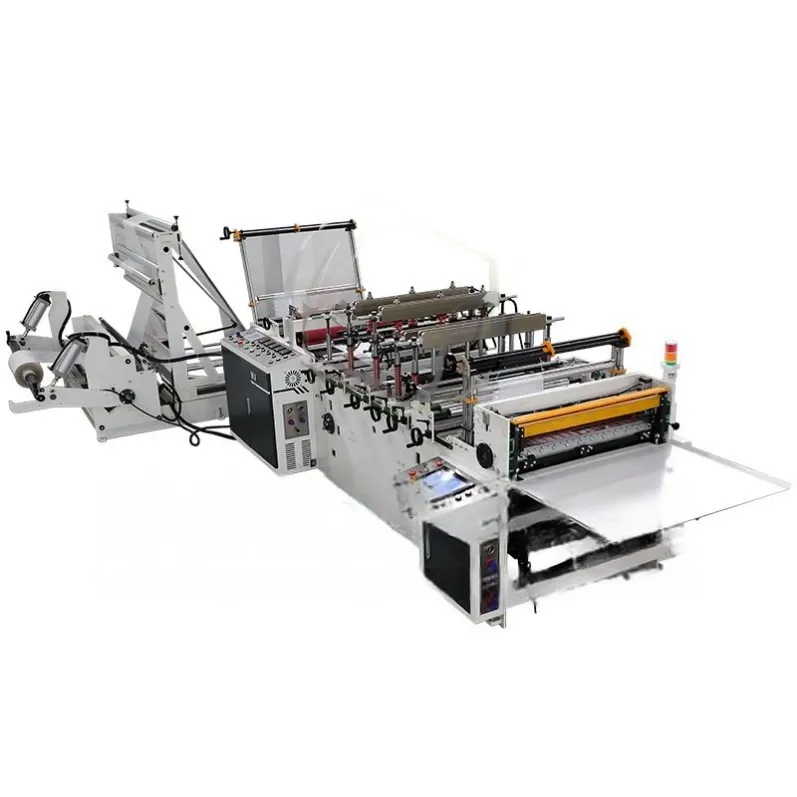
An air cushion film making machine produces protective air cushion film from plastic film, inflating and sealing it into chambers that protect products in transit. It combines film extrusion and blowing, air inflation, heat sealing and cutting into one continuous line, so a packing operation can make the film it needs, when it needs it, instead of buying and storing pre-made cushioning. For e-commerce, electronics and fragile-goods businesses, that is a simpler and cheaper way to protect every order.
How an Air Cushion Film Making Machine Works
The machine runs five stages in sequence, from raw film to finished rolls. Each stage can be set for the film and the protection level the products need.
- Extrusion and blown film. Plastic resin is melted and blown into film, in multiple layers. The layered structure gives the film its strength and resistance to puncture, so the finished cushion holds up in transit rather than splitting at the first knock.
- Air inflation. The film is inflated to form air pockets. One-way valves hold the air inside each chamber, so a puncture in one pocket does not flatten the whole sheet, and the protection keeps working around the damaged area.
- Heat sealing. Heat seals close the inflated film into airtight chambers. The seals are strong and uniform, which matters because a weak seal is a slow leak: the film looks fine at the packing bench and flat by the time the parcel arrives.
- Perforation and cutting. The machine adds perforations so packers can tear off exactly the length they need, and cuts the film to size for the job. That keeps waste down and packing fast, since nobody is cutting film by hand at the bench.
- Automatic rewinding. Finished film is wound into rolls automatically, ready for storage and for the packing line. Rolls take little space and feed straight into use, so the packing bench is never waiting for material.
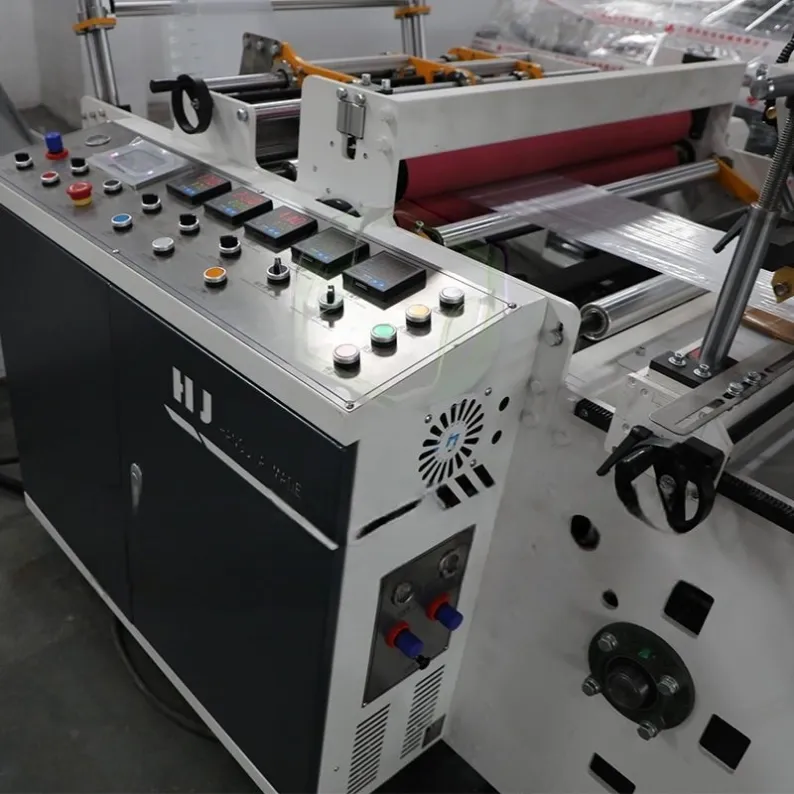
Touchscreen controls run the whole line: the operator sets film length, sealing and speed from one panel, and the machine holds those settings across a long run. Stable, continuous production is the point. A film machine that stops and starts, or drifts out of setting, produces weak seals and wasted film, so buyers should judge a machine on how steadily it runs as much as on its top speed.
The Types of Protective Film It Produces
One machine can produce several kinds of protective film, and the right kind depends on what is being packed.
- Air pillows. Inflated cushions that fill empty space in a carton and stop products moving in transit. They are the everyday void fill for e-commerce packing.
- Bubble wrap film. Film with a bubble surface that wraps and cushions individual items, protecting them from bumps and scratches during handling and shipping.
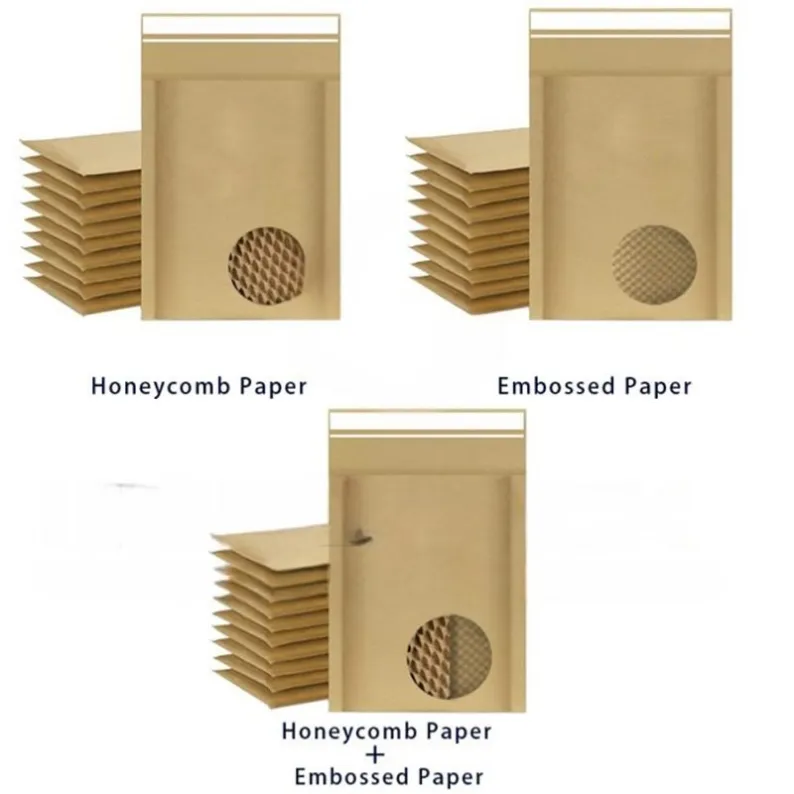
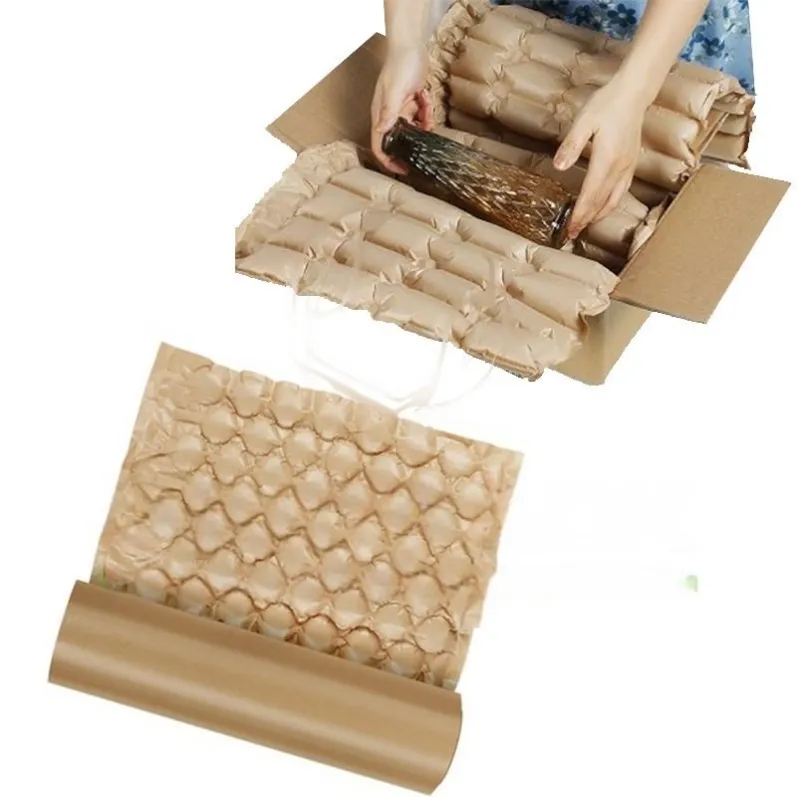
- Honeycomb film. A paper-based honeycomb structure that provides excellent cushioning while being recyclable and eco-friendly, for buyers who want to cut plastic use without giving up protection.
Why It Is a Smart Solution
Air cushion film earns its place on a packing line for five reasons. First, protection: the air chambers absorb shock, vibration and drops, which are the three ways goods are most often damaged in transit. Second, weight: the film is light, so it adds protection without adding much shipping weight or cost, unlike foam. Third, it is made on demand: the line produces the film as it is needed, so there is no warehouse full of pre-made cushioning and no obsolete stock. Fourth, there are eco-friendly options: recyclable and biodegradable films are available for buyers who need them. Fifth, cost: less material, less storage and less waste add up to a lower cost per protected parcel, which is the figure that matters at the end of the month.
Where Air Cushion Film Is Used
Air cushion film is used wherever fragile or valuable goods are packed and shipped. E-commerce and online retail operations use it to protect parcels and cut damage claims and returns. Electronics manufacturers pack smartphones, laptops and components in it, where a single drop can mean a costly return. Cosmetics brands protect bottles, jars and tubes, which are both fragile and easy to leak if they break. Glassware and ceramics, the classic fragile goods, travel in it too. In each case the buyer is paying for the same thing: a parcel that arrives in the condition it left in.
What to Look for in a Machine
When comparing air cushion film making machines, check the points that decide day-to-day reliability. Look for stable, continuous production and precise control, with a touchscreen that makes set-up and changeover simple. Check that the machine runs energy-efficiently and with minimal waste, since film and power are the running costs you will live with. Check film compatibility, so the machine can run the films your products need. And check support: local and remote support, and a supplier with real experience. Hangjia Machinery has more than 15 years of experience in packaging machinery, and its film machines are built for stable production, precise control and easy operation, with support that covers installation and after-sales service.
Conclusion
An air cushion film making machine turns plastic film into the protective cushioning each order needs, on demand and in the right form. Judge it on stable production, seal quality, the film formats it can make and the support behind it, because those are what keep a packing line running and parcels arriving intact. Explore Hangjia Machinery's air cushion machines to compare models for your products, or contact us with your product sizes and daily volume, and we will help you choose the right configuration.