Best Packing Material for Fragile Items: Ultimate Guide
No single material protects every fragile item — the best protection is a system: cushioning, immobilisation and a strong box. This guide compares the materials and how to layer them.
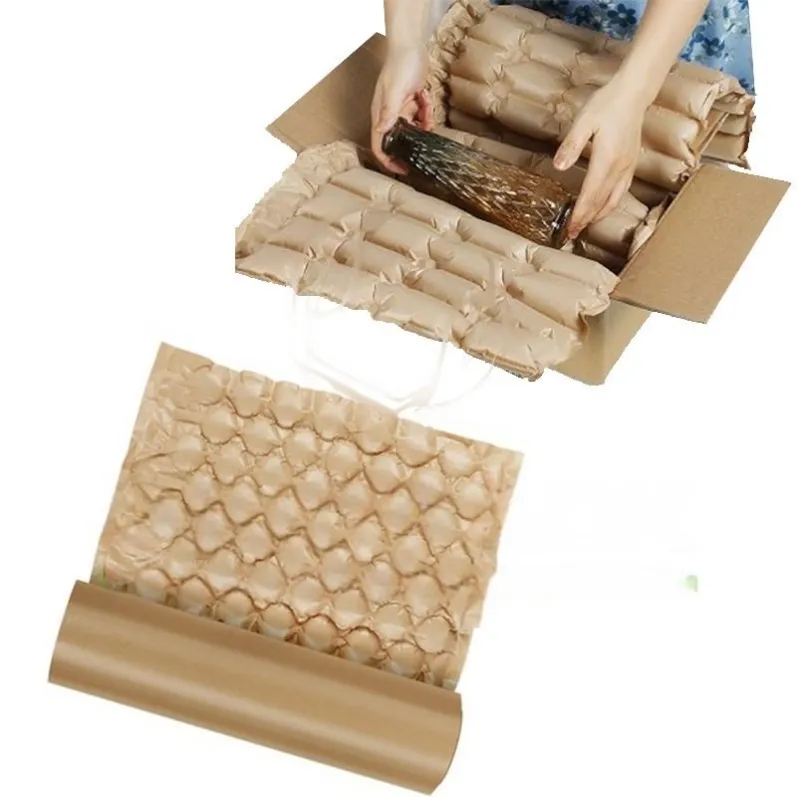
There is no single best packing material for fragile items — the best protection is a system: cushioning to absorb shocks, paper or inserts to stop movement, and a strong box to hold it all together. This guide compares the materials, shows how to pack them in layers, and helps you choose the right combination for glassware, electronics, ceramics and art.
Start With the System, Not the Material
A fragile shipment fails in one of three ways: something hits it, something moves inside it, or the box itself gives way. Good packing answers all three: cushioning absorbs the hit, paper and inserts stop the movement, and a strong box holds the shape. No single material does all three jobs well. Bubble wrap cushions but does not immobilise; paper immobilises but does not cushion a hard drop; a strong box protects the outside but does nothing for the item rattling inside it. The rest of this guide is about combining them in the right proportions.
Cushioning: Bubble Wrap and Foam
Bubble wrap is the classic protector for a reason: air-filled bubbles disperse impact and vibration before they reach the item. Small bubbles reduce abrasion on delicate surfaces; large bubbles absorb bigger shocks. Wrap with the bubble side inward toward the item for the best cushioning, then tape the outer layer so it stays put. For electronics, use anti-static bubble wrap to prevent static discharge.
Foam does the job where bubble wrap cannot: cut-to-fit shapes. Foam sheets and rolls can be cut to fit irregular shapes and corners, and pre-formed dish foam sleeves protect plates, mugs and stemware. Packing peanuts fill voids around awkward shapes — choose biodegradable starch-based peanuts where you can.
Immobilisation: Paper, Inserts and Void Fill
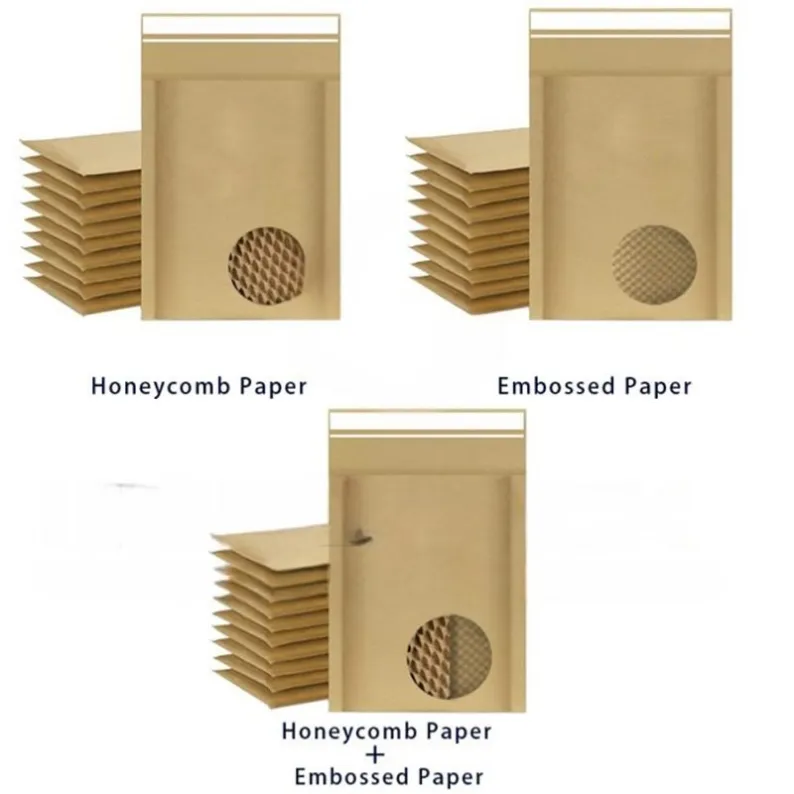
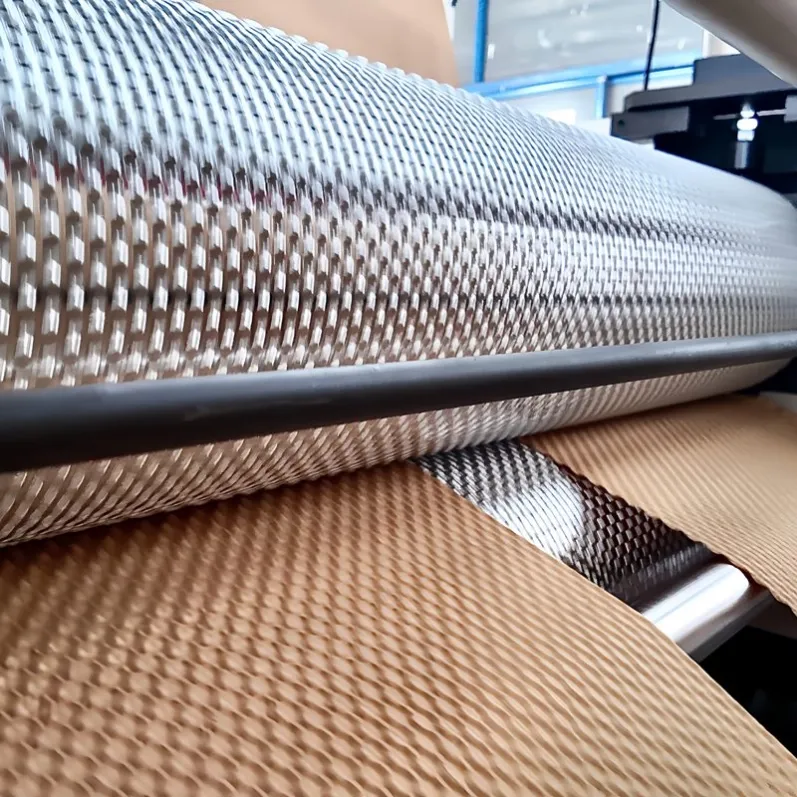
Paper is the most versatile material in the pack. Use it for first wraps, interleaving between stacked items, and void fill. Acid-free paper avoids ink transfer and is recyclable; crumple it to create shock-absorbing nests, and layer it to immobilise delicate edges. Honeycomb kraft paper works the same way with more structure: a paper 'bubble' that cushions and recycles easily. Corrugated dunnage and cells separate items inside a box, preventing contact damage and distributing load, while edge and corner protectors — foam or cardboard guards — absorb bumps on furniture and appliances.
The Box Matters as Much as the Fill
Choosing strong packaging is half the battle. Use new or structurally sound boxes and reinforce stress points.
Material | Best for | Notes |
|---|---|---|
Double-Wall Corrugated Boxes | Heavy/fragile items (electronics, glass sets) | Higher crush resistance; add edge/corner protection |
Corrugated Dunnage / Cells | Separating items inside a box | Prevents contact damage and distributes load |
Picture/Art Boxes + Corners | Framed art, mirrors | Use rigid corner protectors and face protection |
Reusable Totes/Bins | Local moves, circular packaging | Rigid walls reduce reliance on void fill |
Edge & Corner Protectors | Furniture, appliances | Foam or cardboard guards absorb bumps |
Filament/Water-Activated Tape | Sealing heavy cartons | Reinforces seams; improves tamper evidence |
Match the box to the item: heavy or fragile goods need double-wall; flat or framed items need picture boxes with corner protection.
Eco-Friendly Options That Actually Protect
Paper-based protection is now good enough for most fragile goods. Honeycomb kraft paper cushions like bubble wrap and recycles in normal paper streams. Starch-based peanuts are water-soluble and compostable void fill. Reusable systems — cushioned mailers, custom inserts and padded shippers — cut single-use waste for frequent shippers. And the simplest green move is to combine recycled boxes with paper-based cushioning so the whole pack stays recyclable.
Six Packing Techniques That Prevent Breakage
- Triple-layer method: bubble wrap (impact) → paper (abrasion control) → foam (stability).
- Pack vertically: plates and frames stand on edge to reduce pressure and breakage.
- Fill hollows: stuff vases, bowls and glasses with crumpled paper to resist cracking.
- Immobilise: eliminate dead space with void fill so contents cannot shift.
- Label clearly: mark FRAGILE and THIS SIDE UP; add room and contents for easier unpacking.
- Carry valuables: transport high-value or sentimental items yourself when possible.
How to Choose: Match the Material to the Item
- Glassware and ceramics: bubble wrap + paper interleaving + a double-wall box; pack plates vertically.
- Electronics: anti-static bubble wrap + foam sheets; fill every hollow and immobilise the item.
- Art and mirrors: picture boxes with rigid corner protectors and face protection.
- Heavy or awkward items: double-wall box + edge and corner protectors + void fill.
- Eco priority: honeycomb kraft paper + starch-based peanuts + recycled boxes.
Cost and Sustainability
Protection does not have to be expensive. Clean blankets, towels and sweaters act as great padding at no extra cost. Buying in bulk or renting is economical for frequent shippers and small businesses. Reuse foam and peanuts, and consider returnable packaging programs for repeat routes. And right-size your boxes: smaller, stronger cartons need less fill and lower DIM weight.
Frequently Asked Questions
What is the single best material for fragile items? No one material fits every item. Combine bubble (impact), paper (abrasion control) and a strong box for the best protection.
Are biodegradable peanuts effective? Yes — use them to fill voids. Pair with inner wraps so items do not settle and shift during transit.
How tight should I pack a fragile box? Snug enough that nothing moves when you gently shake the box, but not so tight that pressure stresses the item.
Is recycled paper safe for glass? Acid-free or clean newsprint is ideal. Avoid inked newspaper directly against delicate surfaces if smudging is a concern.
A Clear Next Step
For fragile shipments, the next step is to choose the cushioning that matches your items. Browse Hangjia Machinery's Air Cushion Machines to see the range, then contact us with the items you ship and the volumes you pack — we will help you work out which cushioning setup fits, and what it would cost to run.