Boost Productivity with a Paper Folding Machine from HJ Machinery
A paper folding machine from HJ Machinery turns folding from a manual bottleneck into a fast, consistent step. This guide shows where the productivity gain comes from.
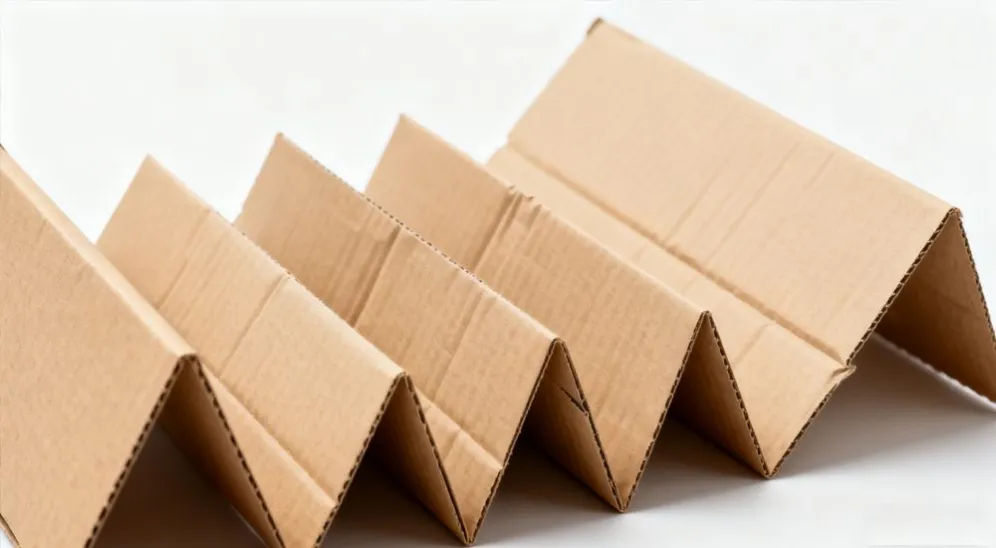
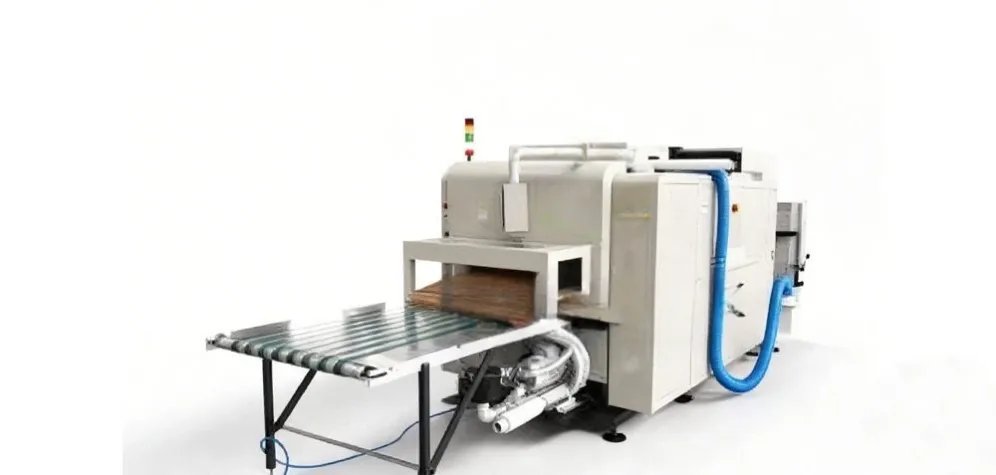
A paper folding machine from HJ Machinery boosts productivity by folding sheets faster, more consistently and with far less labour than folding by hand. It feeds, folds and stacks sheets automatically, so one operator can run a high-volume job while the machine does the repetitive work. For offices, print shops and packaging lines, that means more finished work per hour, fewer errors, and a folding step that no longer holds up the rest of the job.
Where Folding Eats Your Time
Manual folding is slow and tiring, and the fold varies from sheet to sheet, so the result looks uneven and mistakes mean rework. Folding is often the bottleneck before mailing, inserting or packing: the printer is finished, the letters are ready, and the job waits while someone folds. As volume grows, manual folding cannot keep up, and the choice is between hiring more people to fold or letting the work pile up. Neither is a good answer when a machine can do the same job faster and better.
How a Paper Folding Machine Raises Output
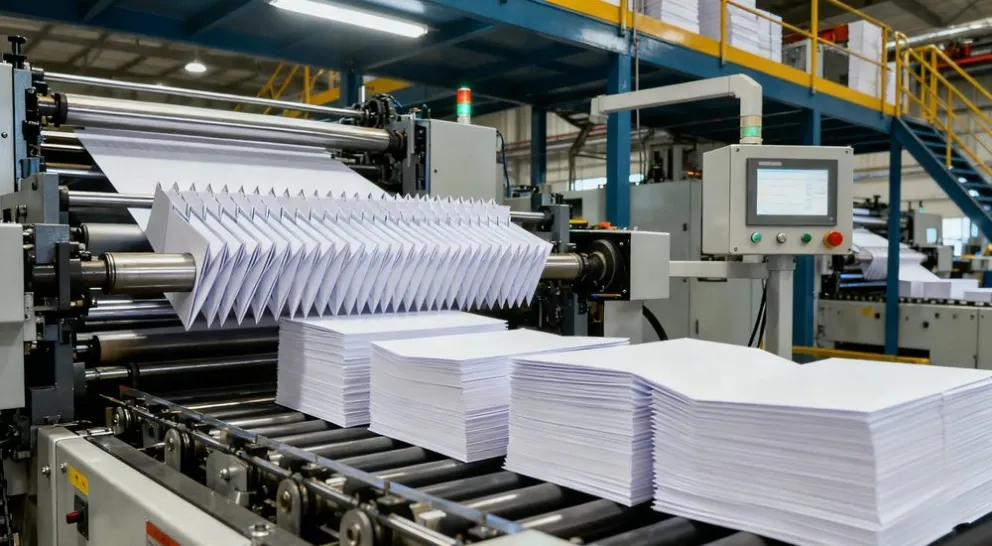
A paper folding machine raises output by automating the whole folding step. The operator loads a stack of sheets, sets the fold, and the machine feeds, folds and stacks them on its own, running continuously while the operator prepares the next job. Folding machines handle hundreds or even thousands of sheets per minute, and because the machine does not tire, output stays high all day rather than falling off after the first hour. The fold is the same on every sheet, so there is less rework and fewer rejected pieces. The gain is not only speed: it is speed that holds up across a whole shift, without the errors and the fatigue that come with folding by hand.
Less Labour, Lower Cost per Piece
The labour saving is where the productivity gain turns into money. One operator runs the machine, so the labour cost per folded piece falls sharply compared with a team folding by hand, and staff can move to picking, quality checks and other work that actually needs a person. Fewer errors also means less wasted paper and less rework, which is a second saving on top of the labour. The saving grows with volume: the more sheets a business folds, the more a machine pays for itself, because the cost of the machine is spread over more finished pieces and the labour saving is repeated every day.
Consistency That Manual Folding Cannot Match
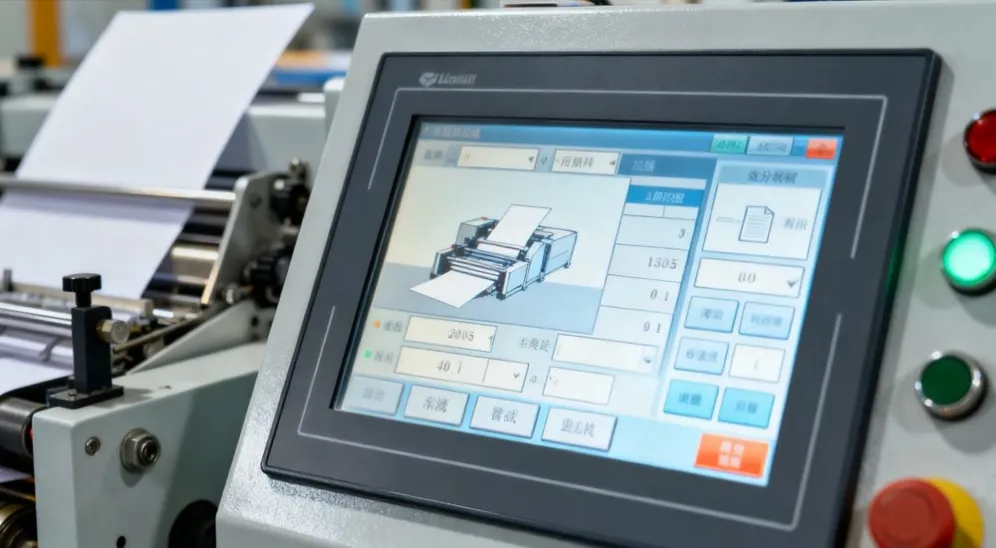
Speed is only useful if the fold is right, and that is where a machine beats hand folding. Sensors and digital controls hold the fold position sheet after sheet, so every piece in a run matches the first one. The finish is professional, the stack is neat, and the folded piece is ready for the next step, whether that is inserting, mailing or packing, without being checked one by one. For a business that sends its name out on folded paper, that consistency is part of the product, and it is something manual folding cannot deliver at volume.
Where the Productivity Gain Shows Up
The gain shows up in every workplace that folds paper. Offices fold invoices, payslips, letters and internal documents, and a machine turns a morning of folding into a job that finishes while other work goes on. Printing houses fold brochures, leaflets and marketing material as part of finishing, and the folding step stops being the part of the job that runs late. Packaging lines fold instruction sheets, warranty cards and inserts that go inside a box, keeping the line moving. Banking and telecom operations fold statements and mailings in high volume, where a machine is the only way to meet a mailing deadline. In each case the pattern is the same: the folding step stops being a bottleneck and starts keeping pace with the rest of the work.
Integrating Folding into Your Line
A folding machine works best as part of a line, not as a standalone task. It works with envelope inserters and labelling systems, so the workflow runs from printing to folding to mailing without a manual step in between. The folded sheets arrive in a neat, squared stack that the next machine can take directly, and the operator's job becomes loading and checking rather than folding. That integration is where the real productivity gain comes from: not a faster machine in isolation, but a workflow with no manual step holding it up.
How to Choose the Right Machine for Productivity
Choose the machine for the work you actually do. Start with daily volume, and be honest about peaks as well as averages, since a machine that copes on a quiet day and fails on a busy one is no help. List the sheet sizes and thicknesses you fold, and the fold styles you need, since those decide the machine type. Decide how much automation you need: automatic feeding and stacking matter most when one operator must run several jobs. Check changeover speed, because a machine that changes fold quickly is worth more in varied work than a faster machine that takes an hour to set up. HJ Machinery is a leading manufacturer of paper-based packaging machinery and air cushion systems, with a range that covers office, print and packaging volumes, and support that covers installation and after-sales service.
Conclusion
A paper folding machine from HJ Machinery turns folding from a manual bottleneck into a fast, consistent step: automatic feeding, folding and stacking, a consistent fold on every sheet, and one operator doing the work of a team. The productivity gain is real, and it shows up as more finished work per hour, lower cost per piece, and a workflow that no longer waits on folding. Explore Hangjia Machinery's paper folding machines to compare models for your volume, or contact us with your sheet sizes, fold styles and daily volume, and we will help you choose the right configuration.