Brown Kraft Paper: The Durable, Affordable, and Green Packaging Choice
Brown kraft paper is the safest default for buyers who need packaging that is strong, affordable and genuinely recyclable. It protects products well and costs less than most alternatives.
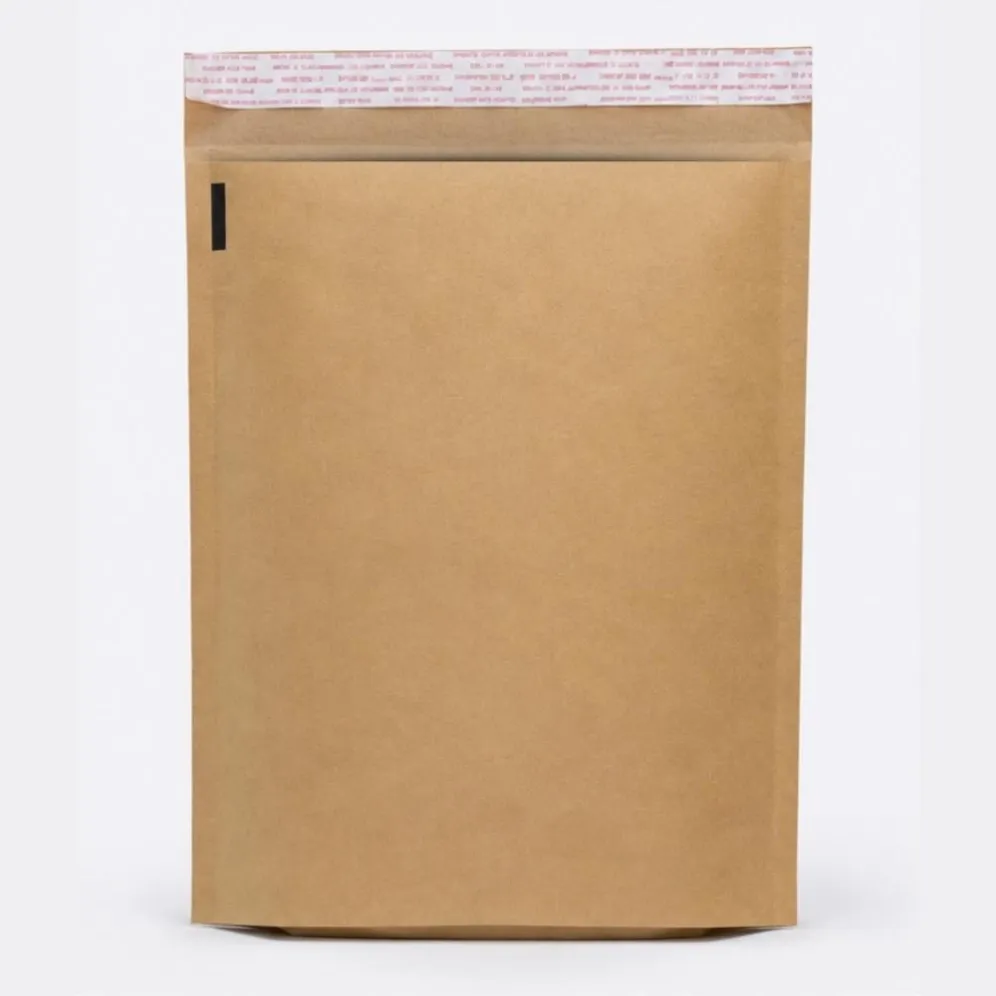
Brown kraft paper is the safest default for buyers who need packaging that is strong, affordable and genuinely recyclable. It protects products well, costs less than most alternatives, and fits the paper-based systems that retailers and consumers already use.
For a buyer, the question is not whether kraft paper works. It is when it is the right choice, which grade to specify, and how to buy it without paying for strength you do not need.
This guide explains what brown kraft paper is, where it performs best, what to watch for, and how to specify it — using only the properties that matter to a buying decision.
What brown kraft paper is — and why buyers choose it
Kraft paper is made from wood pulp using the kraft pulping process, which keeps the wood fibres long. Those long fibres are the reason for its high tensile strength and tear resistance, and why a kraft bag or mailer can carry a useful load without splitting.
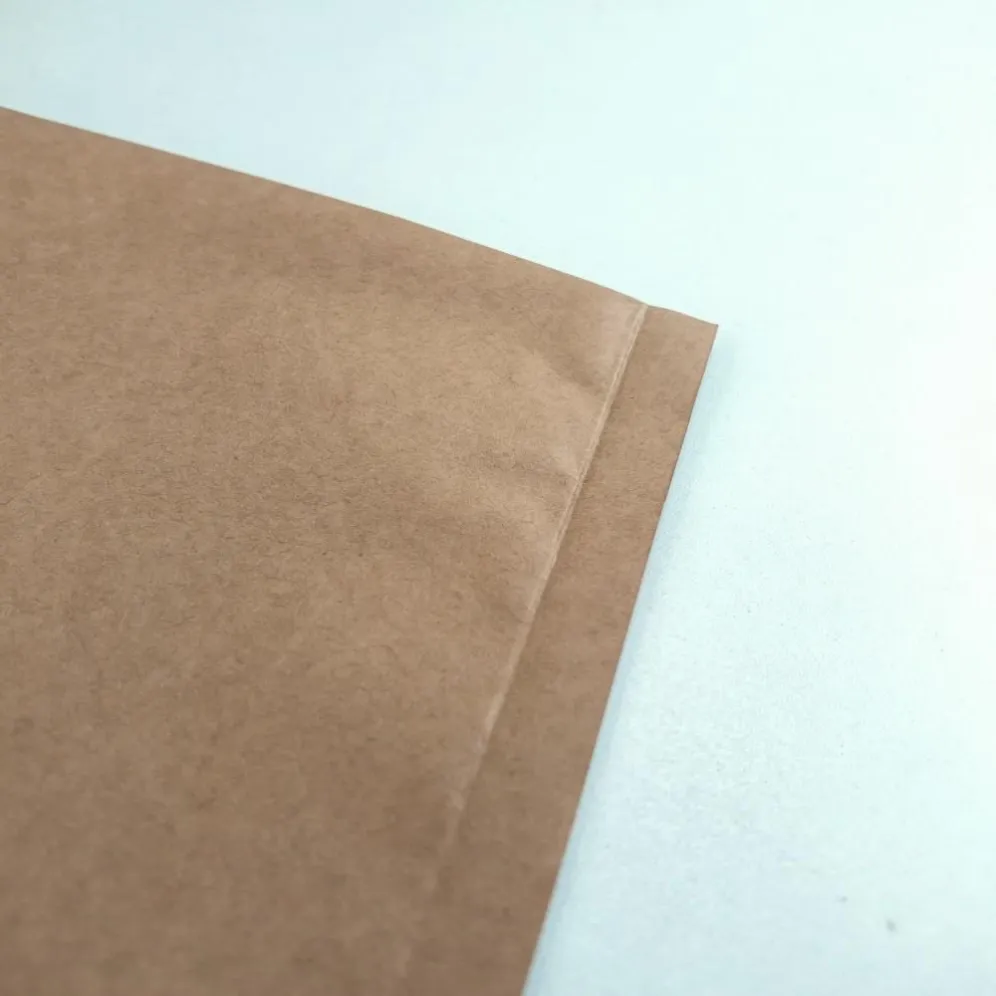
The brown colour is natural: the paper is unbleached, so it keeps the colour of the wood fibres and skips the bleaching step that white grades need. Because it is unbleached, it uses fewer processing chemicals than bleached paper, and it is widely accepted in paper recycling streams.
The end of life is straightforward: brown kraft paper is recyclable and biodegradable, and it breaks down more readily than plastic in the natural environment. For a buyer, that matters twice over — the pack is easier to dispose of responsibly, and the sustainability story is simple to explain to customers.
Where it works best: the applications that justify the spend
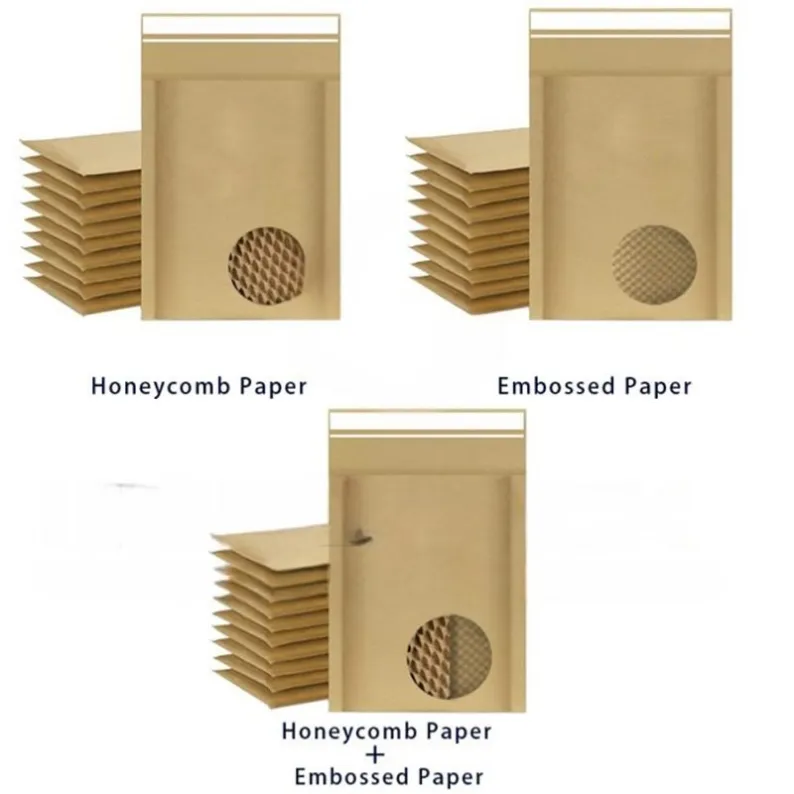
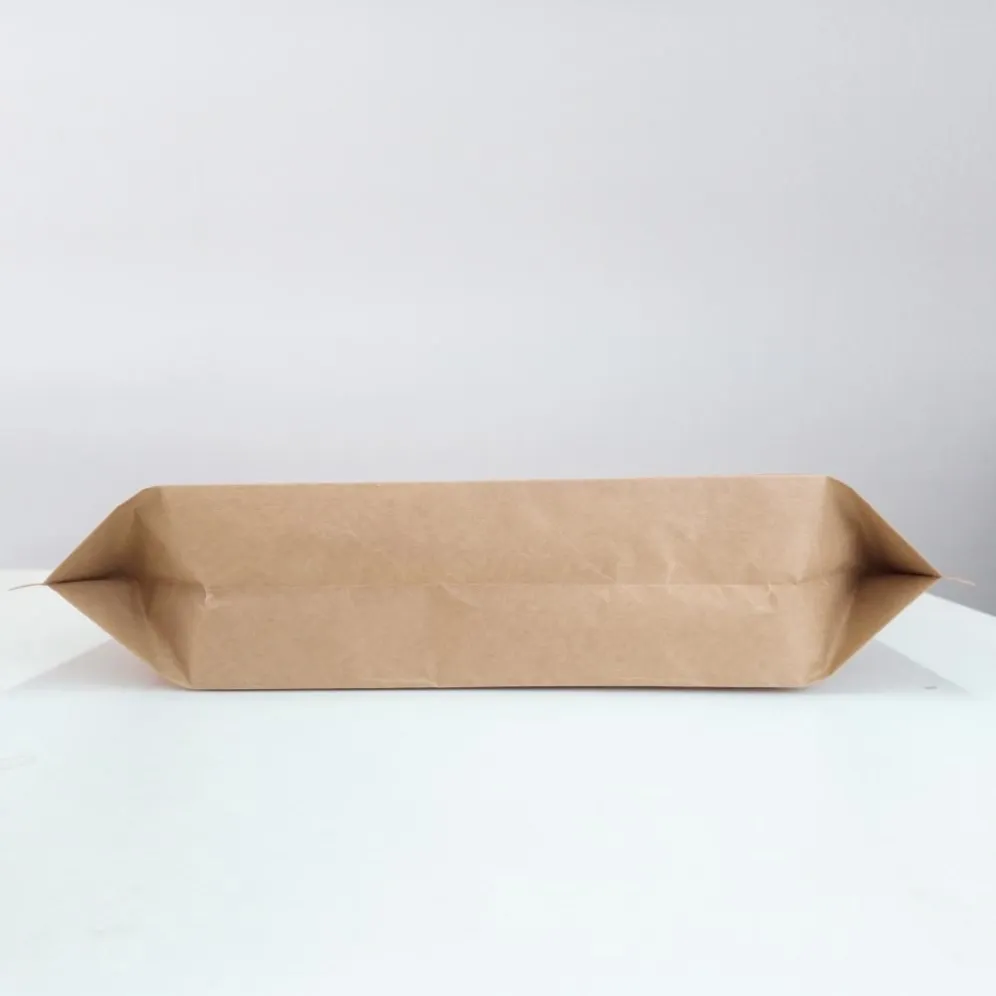
Shipping and e-commerce are the biggest use. Kraft mailers, paper bags and wrapping protect products in transit, and the paper's cushioning and puncture resistance suit books, apparel, cosmetics and other light-to-medium goods. Corrugated kraft boxes are the workhorse for heavier goods.
Retail and food service use kraft for paper bags, wrapping and boxes. Its natural look suits brands that want a rustic, artisanal feel, and it is printable, so a logo or message can be printed directly on the pack instead of on a separate label.
It also works as protective wrapping and interleaving, guarding surfaces during handling and storage. That is the same strength story in a different form: the long fibres absorb knocks and resist tearing while the product moves through the supply chain.
The trade-offs to plan for
Kraft paper is not the best choice for every product. It absorbs moisture, so it is not ideal for goods that must stay dry in wet conditions, or for long storage in damp warehouses without extra protection.
It is not transparent, so customers cannot see the product inside — a drawback for retail display where visibility sells. The brown colour also limits printing: bright colours and fine detail do not reproduce as cleanly as on white paper, so brand designs need to be planned for the brown background.
It can also feel plain or rustic, which does not suit every premium positioning. Buyers should test a printed sample before committing to a large order, and check the finished pack against the brand's other packaging.
How to specify it: a short buying checklist
- Match the grade to the job. Use heavier paper for shipping bags and boxes, and lighter paper for wrapping and inner packaging. Ask the supplier for the grammage and strength that fit the product weight.
- Check the finish and the print. Unbleached brown kraft takes simple, bold printing well, so confirm a printed proof before volume production.
- Plan for moisture. If the route involves rain, humidity or cold-chain condensation, add a protective layer or choose a different material for the outer pack.
- Confirm the recycling claim. Because brown kraft is unbleached and paper-based, it is widely recyclable — check local recycling rules and the supplier's material information so the claim on the pack is accurate.
- Compare total cost, not just paper price. Kraft is cheaper than many alternatives at the material level, and it can replace plastic void fill and plastic mailers, which simplifies the packaging range.
Kraft paper vs plastic: when paper wins
Plastic is waterproof and transparent, but it is made from fossil fuels, is hard to recycle in practice and persists in the environment. Paper is renewable, recyclable and biodegradable, and shoppers increasingly prefer it: many will pay more for packaging that is better for the environment, and retailers are moving their ranges to paper for the same reason.
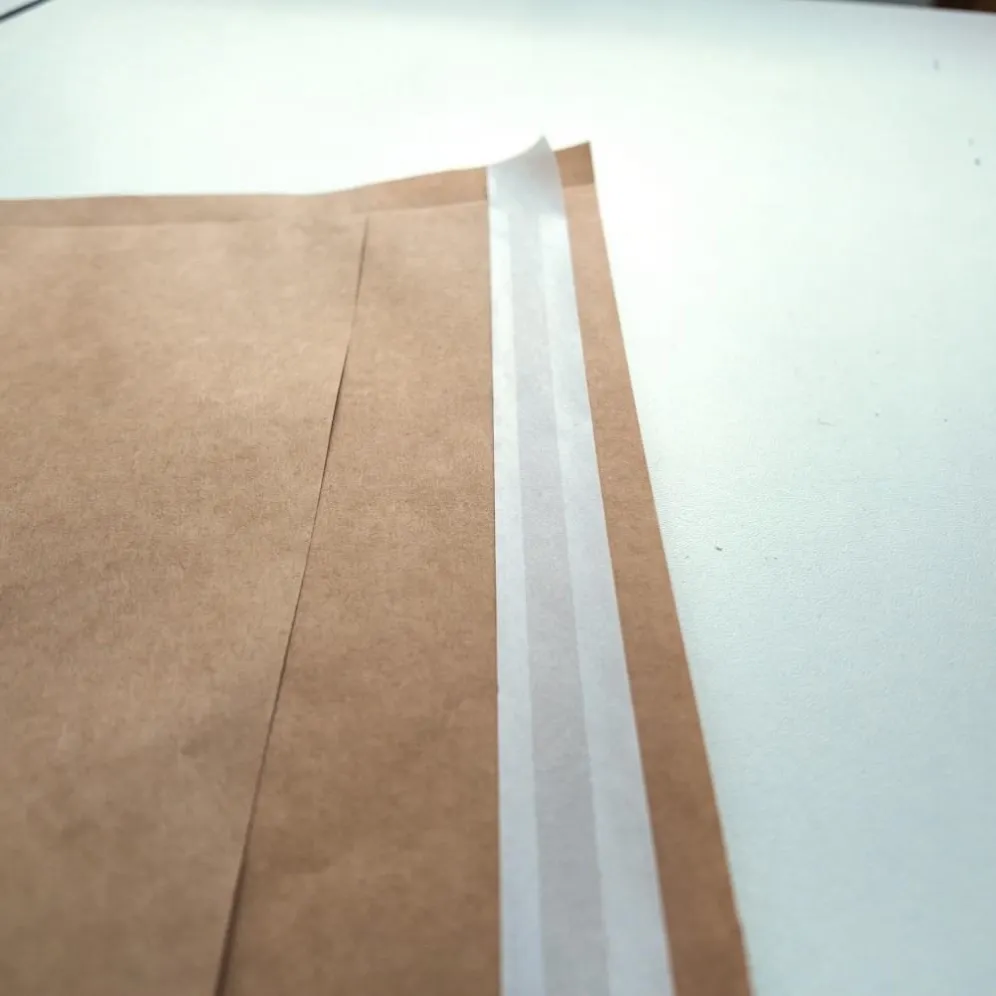
For light and medium goods shipped in dry conditions, kraft paper mailers and bags are the better business choice: lower material cost, easier recycling for the customer, and a brand image that matches what shoppers say they want.
The bottom line for buyers
Brown kraft paper earns its place as the default packaging material for most light-to-medium products: it is strong, cheap, printable, recyclable and biodegradable. Specify the right grade, test the print on the brown background, and plan for moisture, and it will do the job at a lower cost than plastic or bleached alternatives.