Bubble Mailers vs. Padded Mailers: Which Is the Smarter Packaging Choice?
For most e-commerce orders, a padded paper mailer is the smarter choice: it protects the product, costs less across the whole shipment, and is recyclable in the paper stream.
For most e-commerce orders, a padded paper mailer is the smarter choice: it protects the product, costs less across the whole shipment, and is recyclable in the paper stream. A bubble mailer still wins for fragile, high-value items that need the strongest cushioning and waterproofing. The right choice depends on what you ship, how it travels, and what your customers expect from your packaging.
Bubble mailers and padded mailers look similar from the outside — both are lightweight envelopes with a protective lining. The difference is the lining: plastic bubble wrap in one, paper padding in the other. That single difference decides protection, cost, sustainability and brand impression, so this guide compares the two on the factors a buyer actually decides on.
This guide explains what each mailer is, how they compare on protection, cost and sustainability, and which one to choose for each type of product — so you can standardise on one mailer instead of stocking both.
What a bubble mailer is — and where it wins
A bubble mailer is a paper or plastic envelope lined with plastic bubble wrap. The bubbles are the protection: each bubble is a small air cushion that absorbs knocks and drops, so the mailer is very good at protecting fragile items in transit.
Its strengths are protection and weight. The bubble layer cushions fragile goods such as electronics, jewellery, glassware and cosmetics, and the mailer stays light, which keeps shipping costs down. Most bubble mailers are also waterproof, so the contents stay dry in rain.
Its weaknesses are sustainability and image. The plastic bubble layer is made from plastic, is not biodegradable, and the mixed materials make the mailer hard to recycle. It also looks less professional than a paper mailer, which matters for brands that sell on presentation.
What a padded mailer is — and where it wins
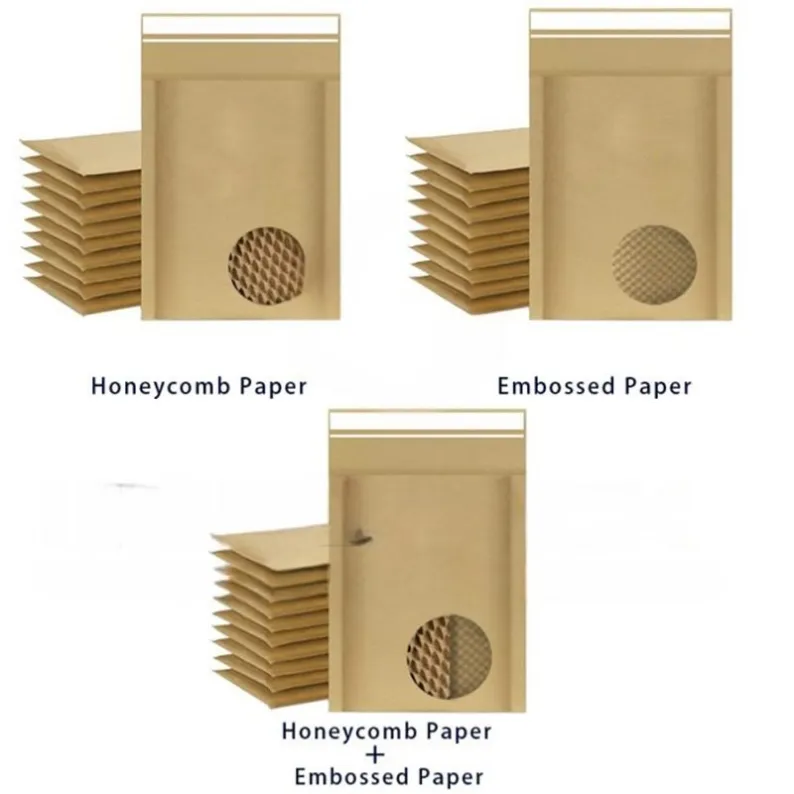
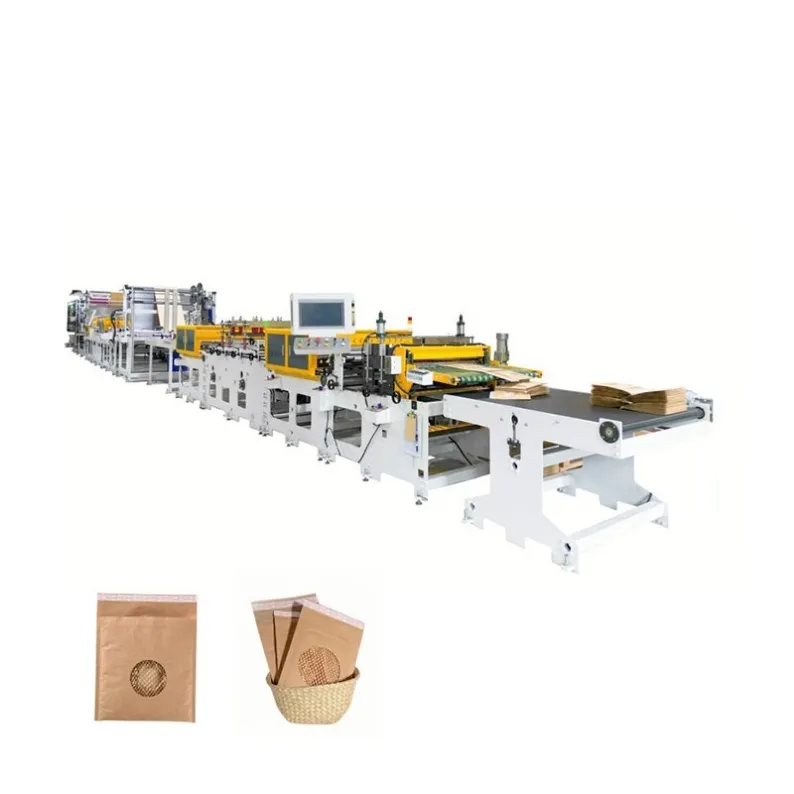
A padded mailer is a kraft paper envelope with a paper padding layer inside. The padding is paper — the same kind of cushioning, made from paper instead of plastic — so the whole mailer is paper-based.
Its strengths are sustainability, brand and cost at scale. A paper padded mailer is recyclable in the paper stream, it is biodegradable, and it gives a clean, professional look that takes custom printing well. Kraft paper costs more than plastic bubble wrap per unit, but the mailer can save money elsewhere: it is light, it avoids plastic disposal charges, and it fits the packaging that retailers and customers already recycle.
Its weakness is protection. Paper padding cushions well, but it does not protect very fragile items as well as plastic bubbles. For books, clothing, documents and other non-fragile goods, that is not a problem; for glassware or electronics, it is.
Side by side: protection, cost and sustainability
Protection: bubble mailers give the strongest cushioning for fragile goods; padded mailers protect light and medium goods well and are enough for most e-commerce orders. For very fragile or heavy items, neither mailer is the right answer — use a box.
Cost: padded mailers cost more per unit because kraft paper costs more than plastic bubble wrap, but they can be cheaper overall. Both mailers are light, so shipping costs are similar; padded mailers avoid plastic waste charges and can be bought in standard sizes that fit most orders, which cuts the number of packaging types you stock.
Sustainability: padded mailers win clearly. They are paper-based, recyclable and biodegradable, and they match what shoppers say they want. Bubble mailers use plastic that is hard to recycle and persists in the environment, and that is increasingly a problem for brands that publish sustainability goals.
Shipping and handling: both are light and easy to store. Bubble mailers are waterproof; padded mailers are less so, and need a protective outer layer if the route is wet. Both seal quickly and need no extra tape in most cases.
Which mailer for which product
Fragile, high-value goods — electronics, jewellery, glassware, cosmetics: choose a bubble mailer, or a box with paper cushioning. The bubble layer is the safest protection for items that break.
Books, clothing, documents and other non-fragile goods: choose a padded mailer. It protects well enough, looks better, and is recyclable.
Mixed ranges: use bubble mailers for the fragile lines and padded mailers for everything else, or standardise on padded mailers and add paper cushioning for the fragile few. That keeps the packaging range simple while protecting the items that need it.
Five buying tips that apply to both
- Choose the right size. A mailer that is too big wastes material and lets the product move; too small, and it strains the seal. Measure the product and add a small margin for the padding.
- Do not overfill. Overfilling stresses the seams and the seal, and a burst mailer in transit costs more than the mailer saved.
- Seal it properly. A peel-and-seal strip or a good adhesive seal is faster and more reliable than tape, and it looks better to the customer.
- Use a box for very fragile or heavy items. No mailer, bubble or padded, replaces a rigid box for items that break easily or weigh a lot.
- Use the mailer for branding. A printed logo or a short message on a paper padded mailer is cheap advertising, and it is the first thing the customer sees.
The bottom line for buyers
Bubble mailers protect fragile goods best, and they are the right choice for items that break. For everything else, a padded paper mailer is the smarter default: it protects well, looks professional, is recyclable, and fits the paper packaging systems that customers and retailers already use.
If you ship a mixed range, standardise on padded mailers and keep bubble mailers for the fragile lines. You will stock fewer packaging types, spend less on plastic, and give customers packaging they can recycle.