Building a Green Future: Crafting an Eco-Friendly, Sustainable Business Model
Sustainability is no longer optional. Learn how to audit your footprint, set measurable goals, switch to renewable energy and design paper-based products that customers trust.
Sustainability has moved from a marketing slogan to a business decision. Customers, regulators and investors now judge a company by how it makes, packs and ships its products. For packaging and manufacturing businesses, the question is no longer whether to go green, but how to do it in a way that also protects margins and growth. A credible eco-friendly business model is built step by step, from measuring where you stand today to designing products that make the greener choice the easy one.
Start with a Sustainability Audit
Before changing anything, find out where your impact actually comes from. A sustainability audit maps energy and water use, raw materials, waste streams, transport and packaging across the whole operation. It separates the big wins from the gestures: one energy-hungry process or a hard-to-recycle material often matters far more than a dozen small tweaks. The audit also sets the baseline every later improvement is measured against, so progress becomes a number, not a feeling. Walk the factory floor, talk to suppliers and look at real invoices, the data is usually already there.
Set Clear, Measurable Goals
An audit without targets changes nothing. Turn the findings into goals that are specific and time-bound: cut energy use per unit by a fifth within two years, move half of all packaging to recyclable paper, or send zero production waste to landfill. Publish the targets internally and track them like any other KPI. Buyers increasingly ask suppliers for carbon and packaging data before they sign a contract, and a documented plan is far more convincing than a vague promise.
Switch to Renewable Energy
Energy is usually the largest single footprint in a factory, so it is also the largest opportunity. Solar panels on a warehouse roof, a switch to a green electricity tariff, or heat recovery from production lines can cut both emissions and exposure to volatile energy prices. The workhorse behind the change is efficiency: LED lighting, variable-speed motors and well-maintained equipment use less power before a single panel is installed. Over a machine's lifetime, the energy it consumes often costs more than the machine itself.

Build a Sustainable Supply Chain
No factory is greener than its suppliers. Ask where raw materials come from, how far they travel and what happens to them at end of life. Favour certified paper from responsibly managed forests, recycled content and suppliers who publish their own environmental data. Local sourcing, where it makes sense, shortens transport and makes the chain easier to audit. A sustainable supply chain is also a resilient one: diverse, traceable sources are less exposed to disruption than a single low-cost supplier.
Reduce, Reuse and Recycle
The oldest rule in sustainability still works. Reduce material at the source, with right-sized packaging and paper void fill instead of oversized boxes and plastic foam. Reuse what can be reused: pallets, crates, cores and offcuts. Recycle the rest through clearly labelled streams, and train staff so the system is actually used. Waste is a cost twice over, you pay to buy the material and again to dispose of it, so every tonne diverted is money back in the business.
Design Eco-Friendly Products
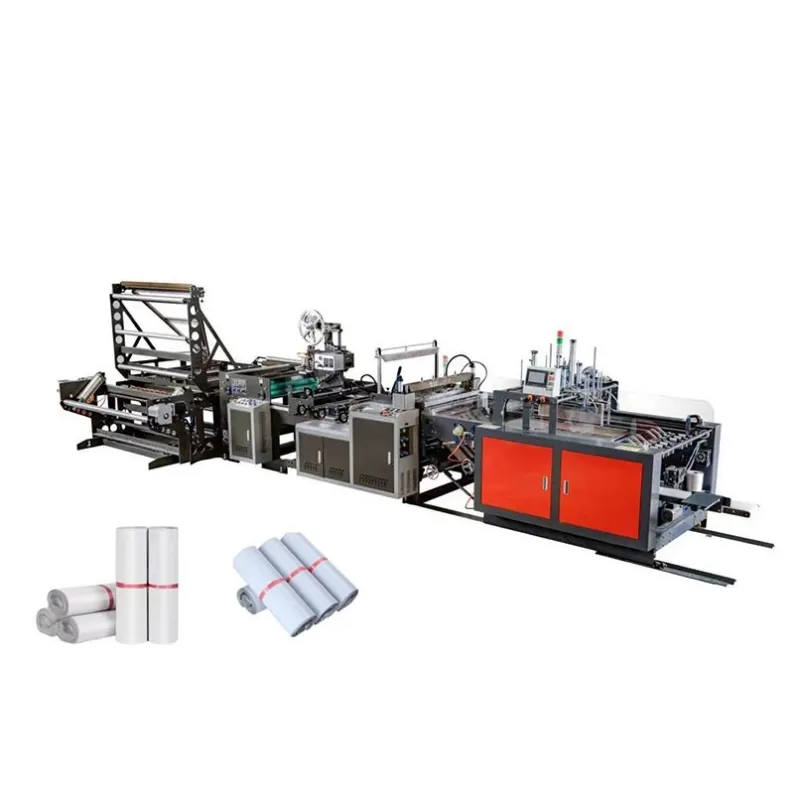
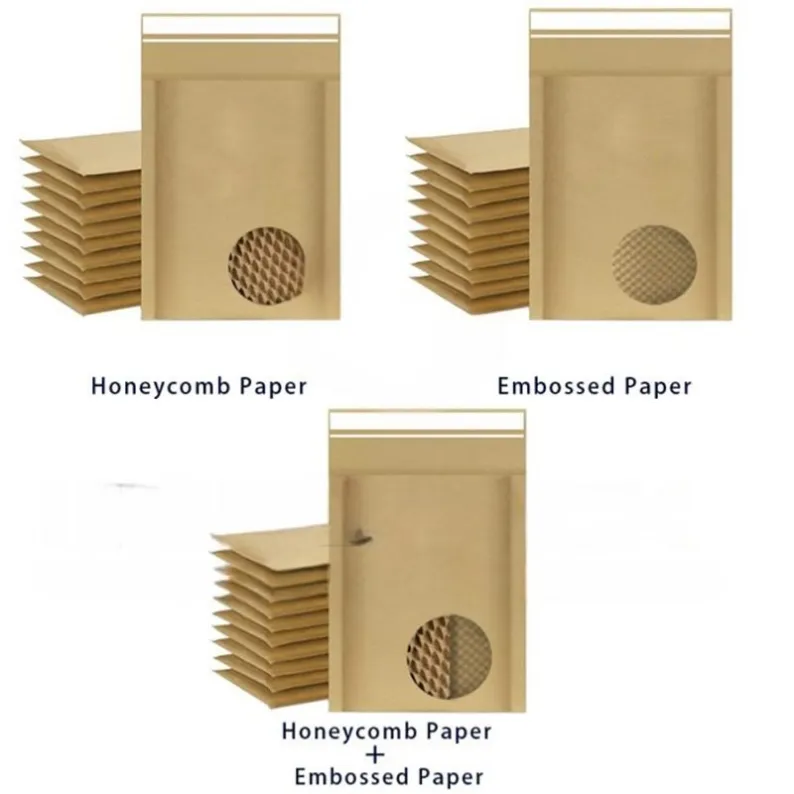
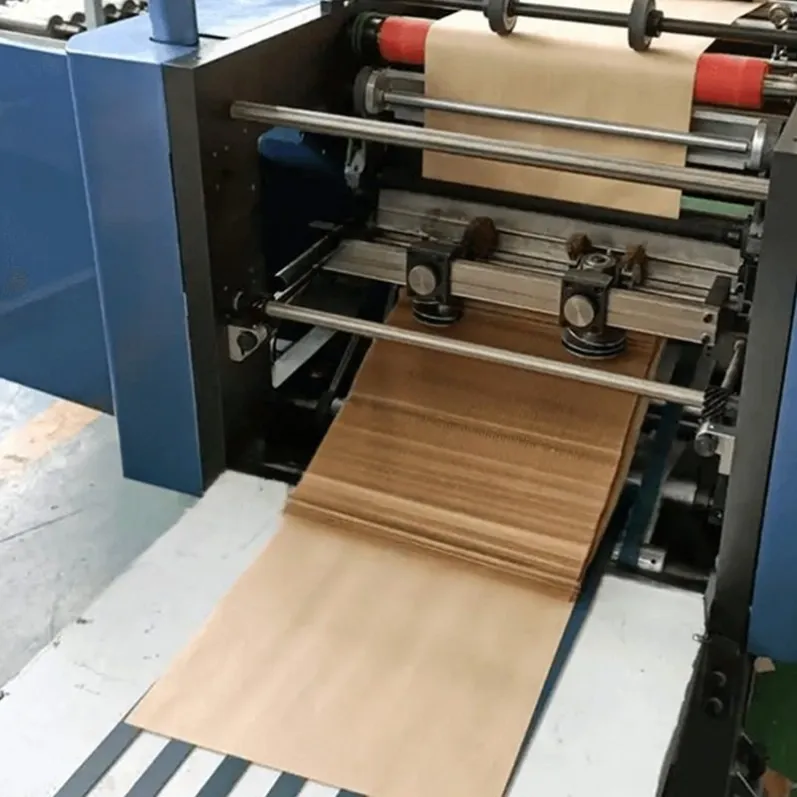
Real change happens at the design stage. Paper mailers, honeycomb cushioning and air-bubble paper wrap protect goods just as well as plastic, yet they are curbside recyclable and easy for customers to dispose of responsibly. Designing for disassembly and mono-material construction makes recycling practical rather than theoretical. When the sustainable option also looks good on the shelf and survives the courier, customers notice, and they come back.
Educate and Engage Employees
A strategy that lives only in a boardroom deck will fail on the factory floor. Explain why the changes matter, train operators on new materials and processes, and invite ideas from the people who run the machines every day, they usually know where the waste is. Recognise teams that hit targets and share results openly. A workforce that understands the goal will protect it long after the launch meeting is forgotten.
Earn Certifications That Build Trust
Third-party certification turns internal effort into external proof. ISO 14001 shows environmental management is systematic, FSC certification proves paper comes from responsible sources, and B Corp assessment covers the whole business. Choose the standards your customers actually recognise, and keep the evidence behind every claim. In a market full of green claims, a certificate is the difference between being believed and being questioned.
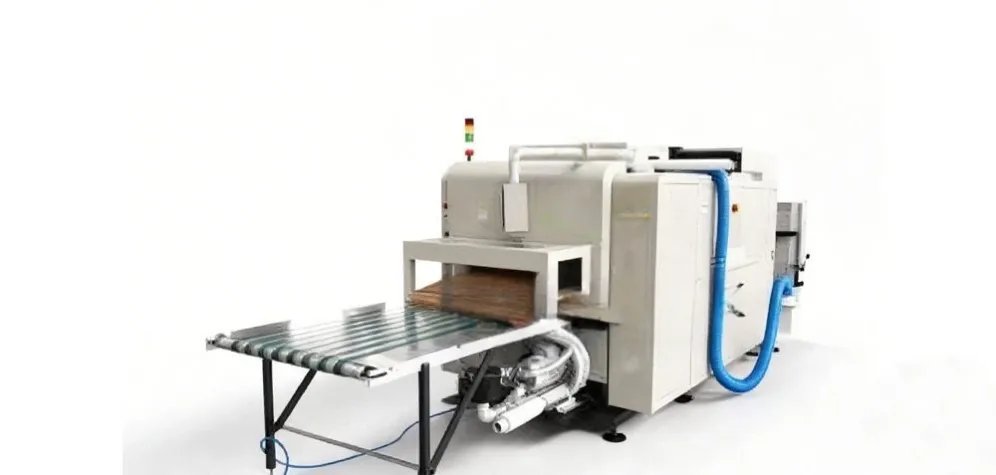
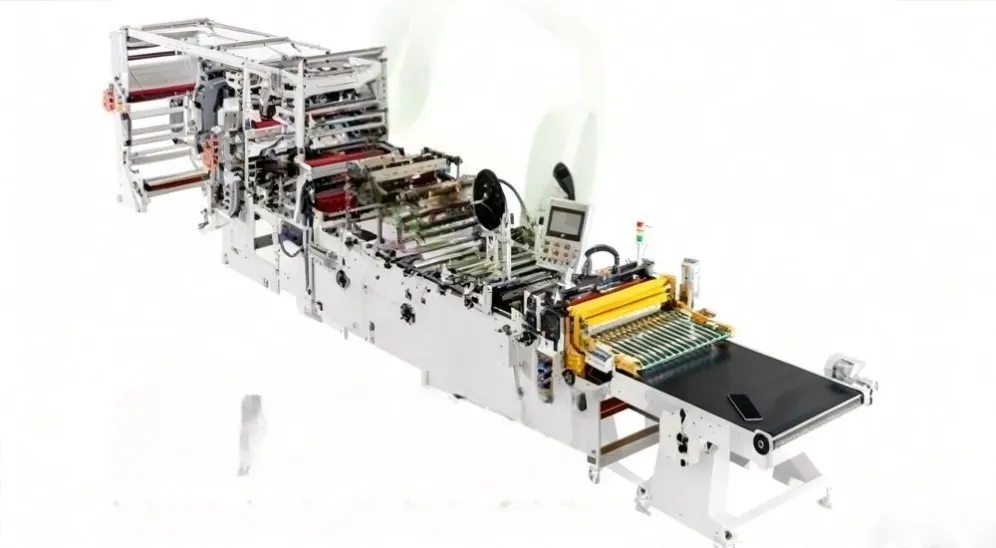
Sustainability is not a project with an end date; it is how a modern packaging business earns its licence to operate. Companies that audit honestly, set real targets and design products around paper instead of plastic will find that the green choice and the profitable choice increasingly point the same way. Explore Hangjia Machinery's paper mailer and honeycomb machines to see how paper-based packaging can work on your line, or contact us to discuss your application.