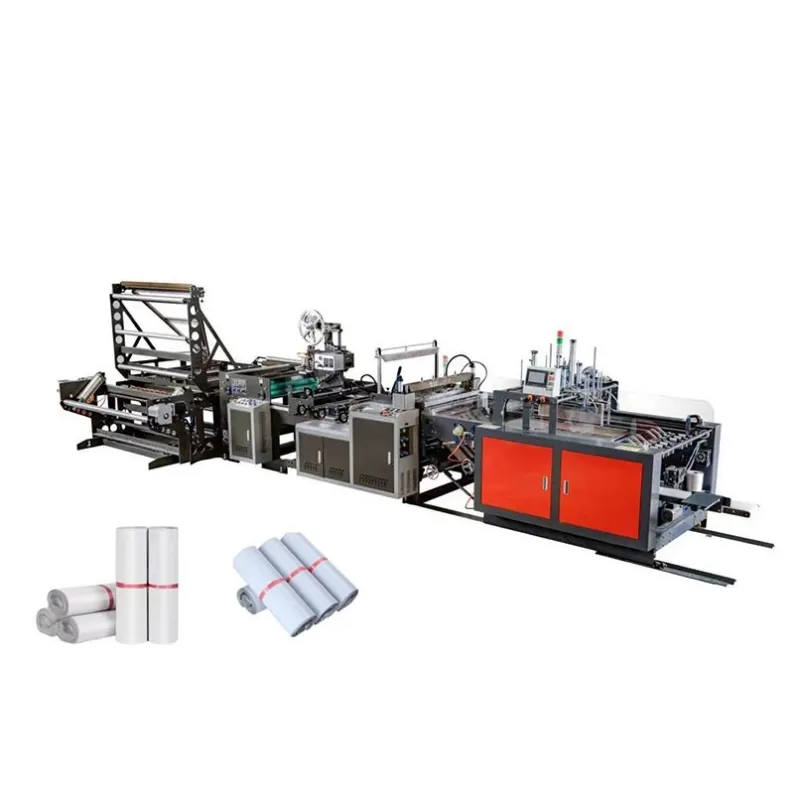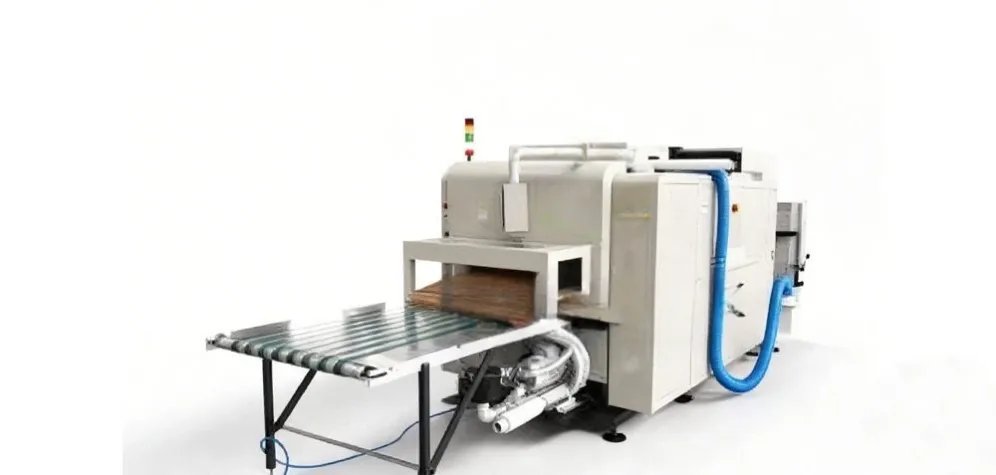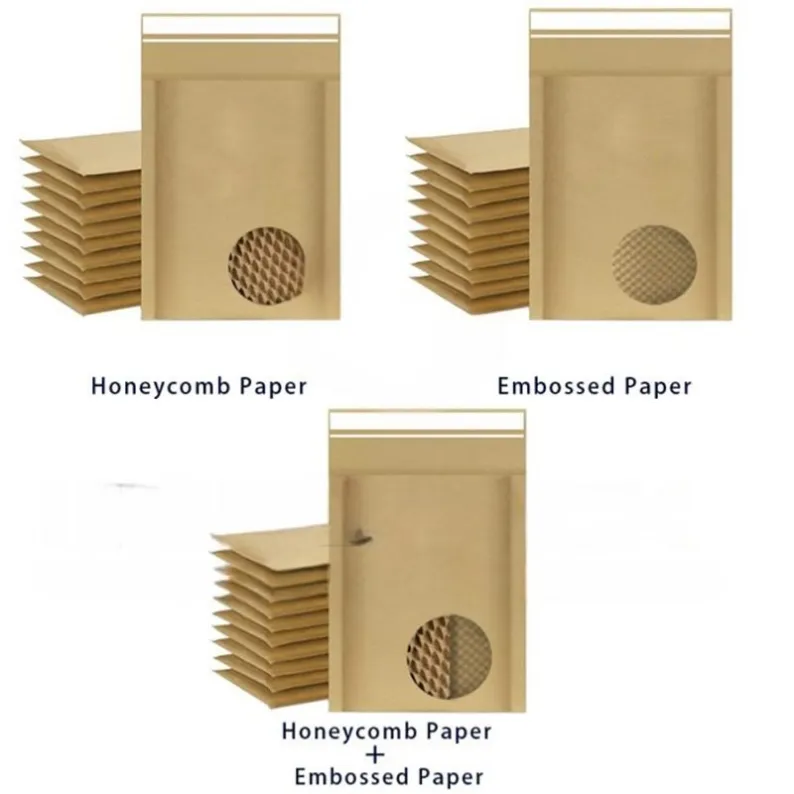
Built to Last: Plastic Packaging Machinery for Faster, Safer Fulfillment
Plastic packaging machinery earns its place when speed, protection and proof matter at once. This guide shows how to build a durable air bubble and air column cell — and what it returns.
Plastic packaging machinery earns its place when three things matter at once: speed, protection and proof. A well-built cell — air bubble wrap for varied shapes and air column sleeves for fragile SKUs, run on servo control with closed-loop sealing and inline inspection — cuts damage, trims DIM weight and produces the audit trail regulators now expect. This guide explains how to choose and run that cell, and what it returns.
Why Plastic Protective Formats Still Win
PE-based protective systems hold seal integrity and puncture resistance across temperatures and long runs, which is why they remain the default for high-speed fulfilment. Mono-material PE also fits recycling-by-design: where PE film collection exists, a mono-material pack can be recycled instead of landfilled, and its recyclability can be documented for audits. Modern lines add to that value — higher OEE and first-pass yield, fewer recalls through validated seals, and clean data trails — so the machinery raises the asset value of the facility, not just its output.
Air Bubble vs. Air Column: Which Should You Use?
Air bubble wrap and air column sleeves solve the same problem in different ways. Bubble wrap conforms to varied shapes and protects edges, so it suits mixed SKUs — cosmetics, books, gifts — at high line speed. Air column sleeves divide protection into sealed chambers, so if one chamber vents the others still hold; they suit glassware, instruments, electronics and elongated goods, and they give a premium unboxing feel.
- Best for: air bubble — mixed SKUs and fast wrap around varied shapes; air column — high-value, fragile and elongated items.
- Impact and puncture: air bubble — very good, with predictable crush curves and strong edge protection; air column — excellent, with chamber redundancy that shields sharp edges.
- Speed and handling: both run at high speed; bubble integrates easily with wrap and label stations, while column changeovers are recipe-driven.
- Material use: both use a medium amount of film; bubble conforms to shape, and column fits known profiles tightly for a premium look.
- The rule of thumb: many distribution centres run both — bubble for 70–90% of SKUs and column for the top 10–30% by breakage risk or value.
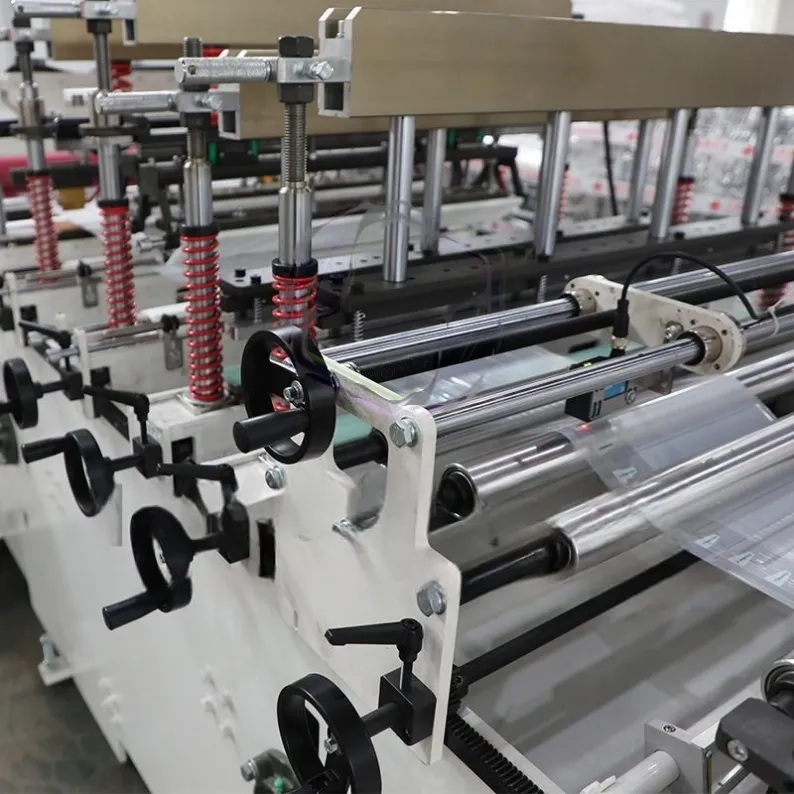
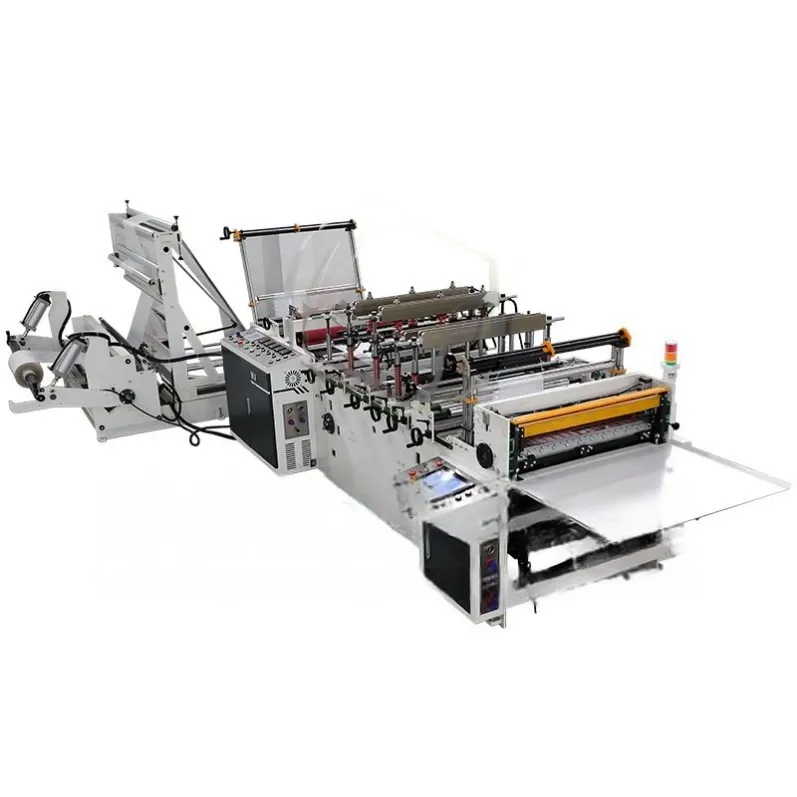
An air column bag film machine, side view — sleeves are formed, sealed and cut in one pass.
Materials: Mono-PE, PCR and Gauge
Start with mono-material PE as the default film: it supports mechanical recycling and clean front-of-pack labelling. Then specify recycled content as a range to validate, not a fixed promise — the source guide discusses PCR blends of 10–50%, with the usable level depending on gauge, seal strength and the supplier's quality control. One user quoted in the guide ran 30% PCR with no speed penalty and fewer micro-leaks once recipe memory held the seal settings; treat that as one plant's experience, not a guarantee.
Gauge control matters as much as the polymer. Automatic nip and heat management trim resin without raising burst failures, anti-slip textures stabilise stacks and cut scuffing, and inline print modules add brand, lot and QR marks and recyclability labels. Validate the heat and pressure window for every film on the roster and document a “golden recipe” for each one — that document is what an auditor asks for.
Engineering: What a Durable Machine Looks Like
Commodity rigs drift on thin gauges or high-PCR films: seals weaken, micro-leakers pass and speed falls. A durable cell is built differently, and the differences are visible before you buy.
- Rigid steel frames prevent vibration-induced drift; washdown variants where needed.
- Servo unwind and feed with web guides keep tension straight, especially on high-PCR films.
- Closed-loop sealing — temperature, pressure and time — with recipe locks, so operators select a SKU and press go.
- Inline quality gates: pressure and burst checks, checkweighers and vision systems validate seals, geometry and print.
- OEE dashboards and data export to MES or QMS give operations and compliance the same source of truth.
- Auto-splicing and quick-change tooling hold uptime in peak, and an operator-first HMI with guided recovery cuts mean time to repair.
Prove these features on your own films in a factory acceptance test, at your target pack rate — a brochure speed means nothing until it runs your mix.
What It Returns: Damage, DIM and Audit Value
The return shows up in three places: fewer damages, lower freight and cleaner audits. In the source guide's dialogue, the packaging lead expects damage cut by 20–40% in real lanes once the cell is running; use that as a planning range for your own trial, not as a promised result.
- Premium glassware exporter (EU to North America): stemware breakage fell by over 40% after switching to air column sleeves with recipe-locked sealing and batch QR, and returns processing time fell because batches could be scanned and traced.
- Home fitness brand (DTC): air bubble wrap with anti-slip texture and length control by SKU weight lifted pack rate by 12–15% and cut edge-dent returns by double digits.
- Books and media 3PL (APAC to EU): bubble wrap integrated with carton rationalisation and label verification cut DIM charges materially and reduced support tickets for corner crush.
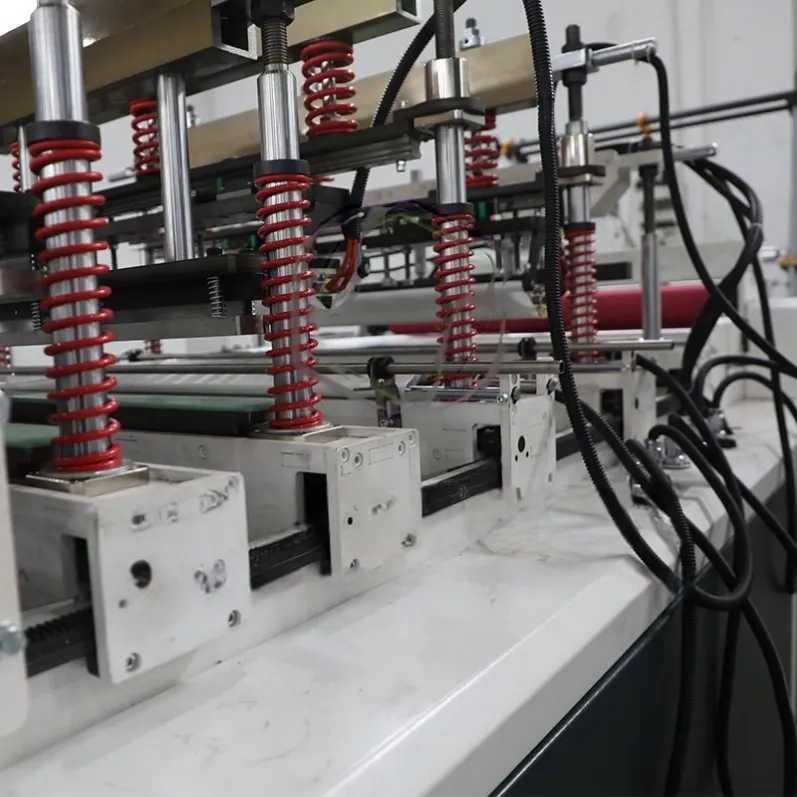
A close-up of the sealing and feeding section of an air column bag film machine.
Buyer's Checklist
Use this checklist when you compare quotes — it separates a durable cell from a commodity rig.
- Performance and formats: target packs per minute and peak-hour rate, film gauge window, PCR range to validate, bubble geometry or sleeve SKUs, burst and pressure specs by product family, and changeover target time.
- Automation and data: PLC and HMI with recipe locks and an OEE dashboard, inline checks with reject logic, and data export to MES or QMS.
- Compliance and materials: mono-material design, recyclability labelling per region, and an evidence pack for audits — batch traceability, film certificates of analysis, PCR attestations and sealing test data.
- Service and safety: MTBF and MTTR targets, remote diagnostics, spare kits, a factory and site acceptance test on your films, operator and maintenance training, and lockout-tagout documentation.
Frequently Asked Questions
What does plastic packaging machinery actually do? It automates protective packaging — forming and sealing air bubble wrap or air column sleeves — to protect goods, hold speed and simplify compliance at scale.
Can we run PCR films without slowing down? Yes, if sealing windows and web tension are closed-loop controlled. Validate it on your films before you commit.
Air bubble or air column — which protects better? For varied shapes and fast wrap, air bubble is versatile with strong edge protection. For high-value, fragile or elongated items, air column usually absorbs more energy, with chamber redundancy.
Talk to Hangjia Machinery
If plastic protection is the right cell for your operation, start with the machines that make it. Browse the Air Cushion Machines and Air Column Machines ranges, compare them against your SKU mix and daily volume, and then contact us with your product weights, carton sizes and target pack rate. Hangjia Machinery will help you size the cell and film, and arrange a trial on your own products.