Buying Paper Mailers or Making Your Own: When Does Production Make Sense?
Buying finished mailers suits small, seasonal or uncertain demand; making them in-house pays when steady volume covers the machine's fixed costs. This guide compares the full cost per mailer.
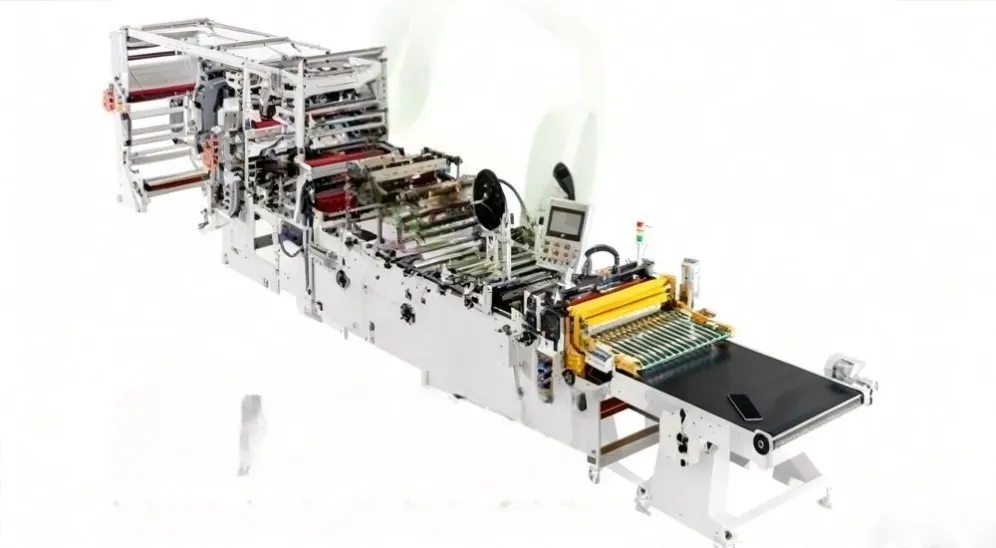
Buy your paper mailers while demand is small, seasonal or uncertain, and make them in-house when steady, repeat volume makes the machine pay for itself. The decision is a cost calculation, not a preference: it turns on your monthly volume, the saving on each mailer and the fixed costs of running a machine. This guide walks through the comparison, the break-even calculation and the questions to ask before you invest.
When buying finished mailers makes sense
Purchasing from a supplier suits businesses with small orders, seasonal demand or frequently changing packaging requirements. You avoid equipment investment, operator training and maintenance, and you can change the mailer size or format from one order to the next without reconfiguring a machine. For a business still finding its volumes, or shipping different products each season, that flexibility is worth more than the unit saving a machine might offer.
Buying also lets you test kraft paper mailers or padded paper mailers before committing to one format. You can run both formats with real orders and only then decide what to produce. If demand is uncertain, buying can preserve cash and flexibility: your money stays in stock and in the business, not in a machine that may sit idle for weeks at a time.
When making your own becomes attractive
Production deserves consideration when demand becomes steady and repeat orders keep equipment busy. A machine earns its keep only when it runs, so the first test is whether you have enough repeat volume to keep it occupied. Seasonal peaks alone do not justify a machine if the line stands still for the rest of the year.
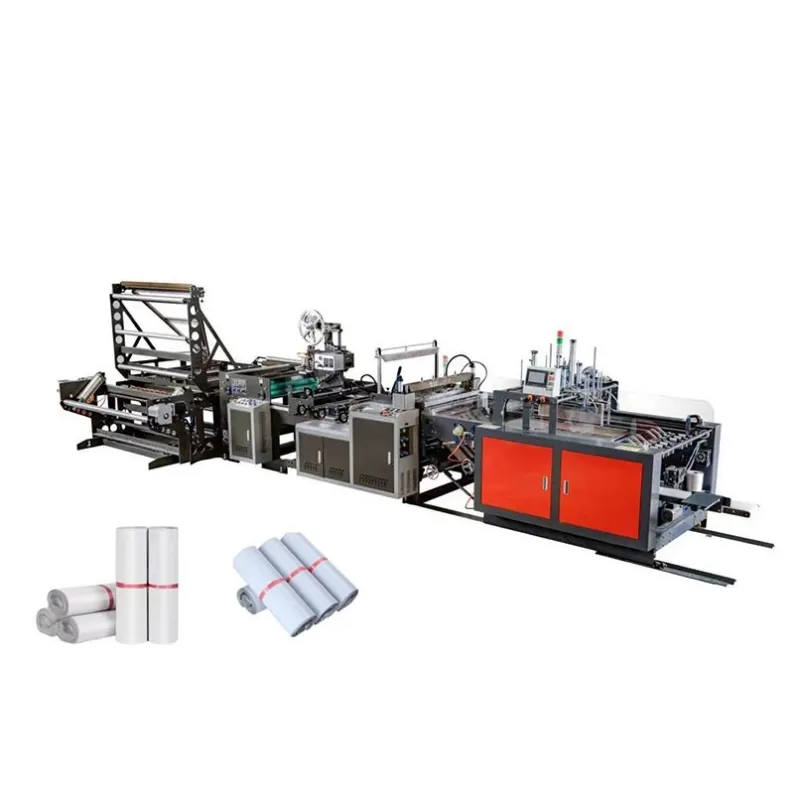
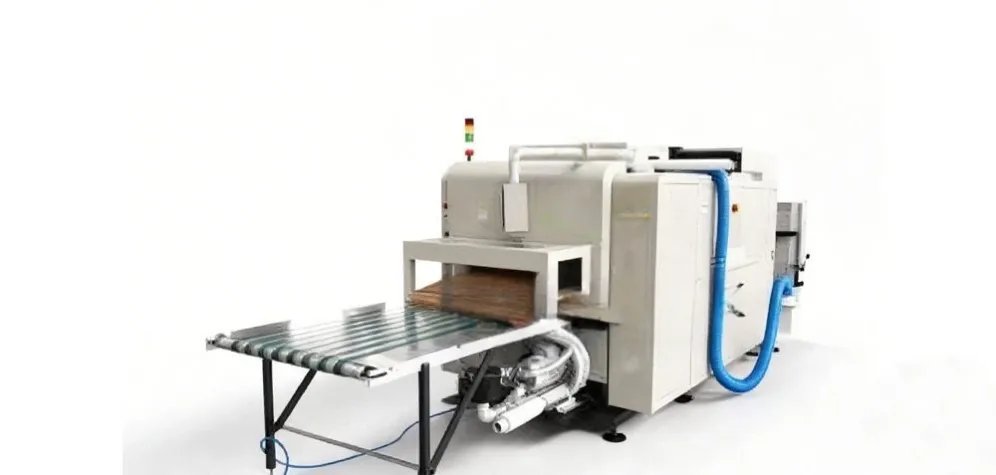
Packaging manufacturers and distributors may also benefit when customers regularly request specific sizes or private-label products. If your own brand needs a consistent size and print, or you supply mailers to other businesses, making them in-house removes the wait for a supplier's schedule and the risk of a format being discontinued. A paper mailer machine gives you greater control over scheduling and specifications.
That control has a price, and the savings depend on actual output, material costs, waste and how consistently the machine runs. A machine that stops often or runs at half its rated speed will not deliver the saving the brochure suggests. Before you buy, be honest about how many good mailers you will actually make in a month, not how many the machine could make in ideal conditions.
Compare the full cost per mailer
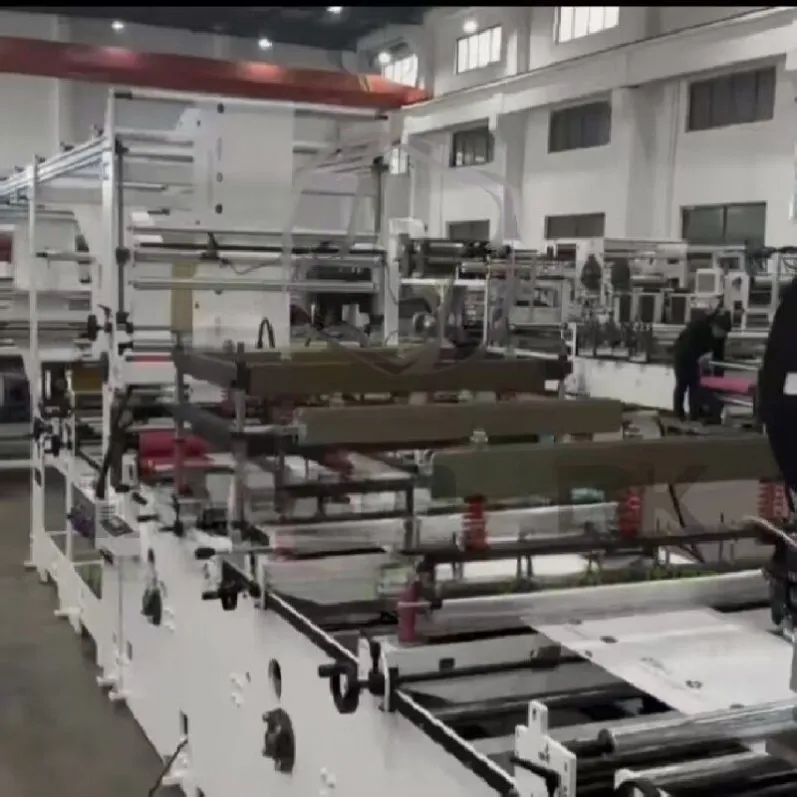
Compare the delivered purchase price with your complete manufacturing cost. The delivered purchase price is what you pay the supplier for a finished mailer at your door, including freight. The manufacturing cost is everything it costs you to make the same mailer yourself, and it is easy to undercount it.
Include paper, adhesive, labour, electricity, scrap, maintenance, floor space and equipment financing. Labour includes the operator's time and the time spent on changeovers and cleaning; scrap includes the bags that fail inspection and the paper wasted at the start of each run. Maintenance covers wear parts and planned service, floor space is the rent for the machine and its paper stock, and equipment financing is the monthly cost of the machine itself.
The common mistake is to compare the supplier's price with the cost of paper alone. On that comparison, making your own almost always looks cheaper. Once you add labour, scrap, maintenance, space and financing, the gap narrows, and for low volumes it often disappears entirely. Do the full comparison with your own figures, not a supplier's estimate of your costs.
Work out your break-even volume
For a basic comparison, use the break-even formula:
Break-even monthly volume = additional monthly fixed costs ÷ savings per mailer before those fixed costs.
The additional monthly fixed costs are the fixed costs of running the machine that buying avoids: the monthly financing cost, planned maintenance and floor space. The savings per mailer before those fixed costs is the delivered purchase price of one mailer minus the variable cost of making one mailer yourself — paper, adhesive, labour and electricity per bag. Divide the first by the second to get the monthly volume at which making your own starts to cost less than buying.
Two warnings come with the formula. First, if manufacturing offers no saving per mailer, higher volume alone will not justify the investment: if the variable cost of making a mailer is the same as the purchase price, the fixed costs are never recovered, no matter how many you make. Second, use realistic saleable output rather than the machine's maximum rated speed. Rated speed is the maximum under ideal conditions; saleable output is the number of good mailers you actually produce after changeovers, stops and rejects. Using the rated speed makes the break-even volume look lower than it is.
Match the machine to your packaging
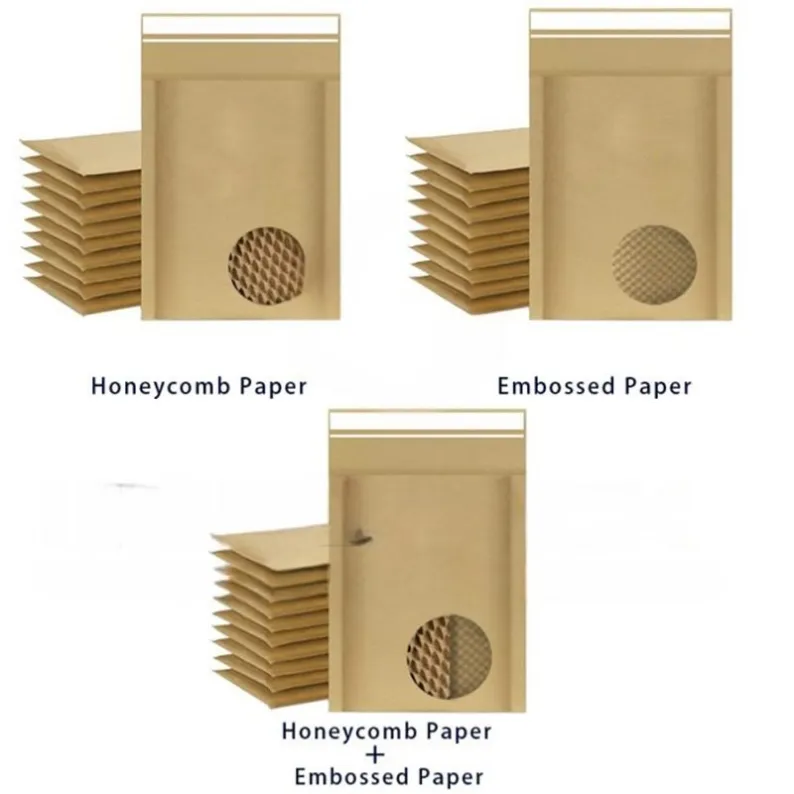
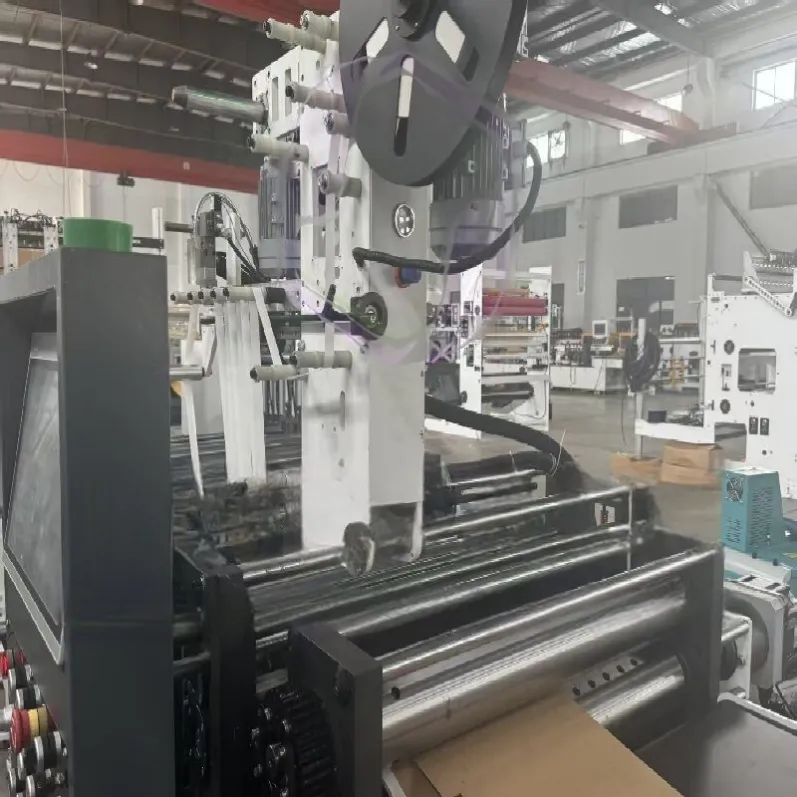
Choose equipment around the finished product. Honeycomb paper mailers, corrugated padded mailers and standard kraft envelopes have different construction requirements, and a machine built for one will not necessarily make the others well. Decide which mailer types you need to make, in which sizes, before you look at machines.
Confirm paper specifications, bag sizes, closure options and changeover procedures. The paper specification sets the roll width, grammage and adhesive; the bag sizes set the forming range; the closure options decide whether you can offer peel-and-seal or tear strips; and the changeover procedure decides how long the machine stops between sizes. Request a trial using your intended materials and inspect seal strength, dimensions and finished bag quality. A trial with the supplier's paper tells you what the machine can do; a trial with your paper tells you what it will do for you.
Plan around real orders
Start with repeat demand, available staff and a clear production budget. Repeat demand is the volume you can count on month after month, not a single large order; available staff is the operators you actually have, trained and ready; and a clear production budget is what you are prepared to spend each month. If any of the three is missing, the machine will not pay for itself on schedule.
Share your target sizes, mailer structure and monthly volume with your equipment supplier to assess a suitable paper mailer production solution. A good supplier will tell you whether your volume justifies a machine and which configuration fits, and will run a trial with your materials before you commit.
The bottom line
Buy finished mailers while your demand is small, seasonal or uncertain, and make them yourself when steady, repeat volume covers the fixed costs of a machine. Run the full cost comparison, work out your break-even volume with realistic saleable output, and match the machine to the mailer types you actually need. If the numbers work and the trial bags pass inspection, in-house production gives you control over supply, sizes and schedules.
If you are weighing buying against making your own, HJ Machinery can help. Browse our paper mailer and envelope machines or contact us with your target sizes, mailer structure and monthly volume, and we will help you work out whether in-house production makes sense for you.