Elevate Your Packaging Game: The Power of Packing Air Bags by HJ Machinery
Air column bags inflate on demand, mould around fragile products and stay protective even if one chamber fails. This guide explains how they work and how to choose the right type.
Packing air bags — more precisely, air column bags — are the fastest way to upgrade fragile-product protection without changing the box. They arrive flat, inflate in seconds around the product, and keep cushioning it even if one chamber is punctured. For sellers shipping electronics, glass bottles and other breakables, that combination of speed, protection and low storage space is hard to beat. This guide explains how air column bags work, why they protect so well, and how to choose the right type.
What Is a Packing Air Bag?
A packing air bag, also called an air column bag, is a bag made from multi-chamber co-extruded film. Before inflation it is flat, light and easy to store. When compressed air is added through a small air compressor, the columns fill and the bag moulds itself around the product. The result is a custom-fit cushion made at the packing bench, in seconds, rather than a pre-shaped insert ordered weeks in advance.
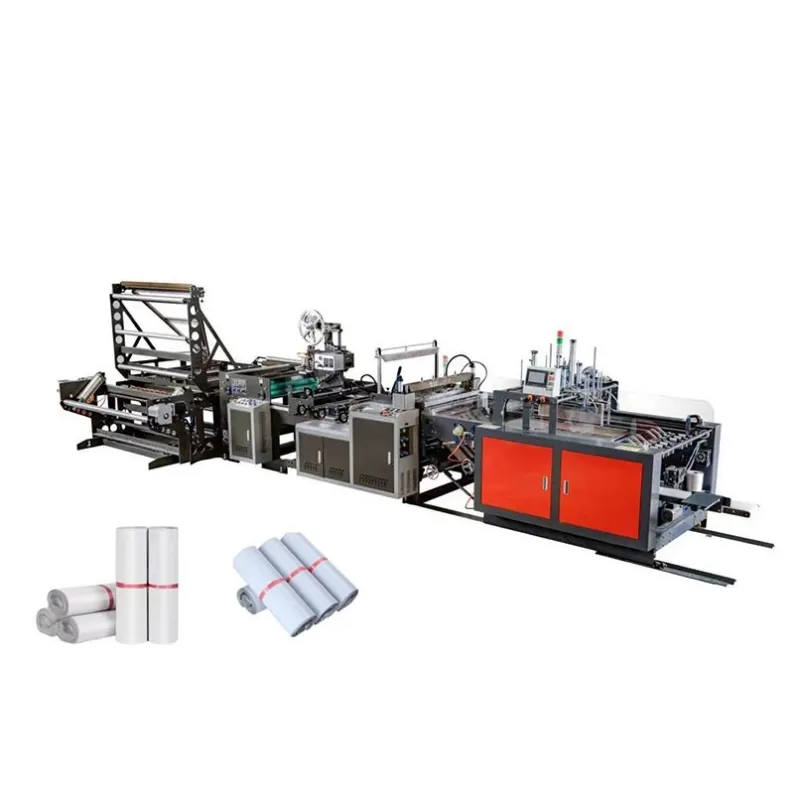
The bags are made on a Plastic Air Column Bag Making Machine, which seals multi-layer film into columns of the required length and width. That matters for buyers: the machine is what makes the range of sizes and formats possible, and it is also what allows the bags to be produced to a consistent seal quality.
Why Air Column Bags Protect Better
The protection comes from the columns. Each column is a separate air chamber, so the bag can absorb shocks, vibrations and knocks from any direction. If one column is punctured, the others keep their air and the bag keeps protecting the product. That is a real advantage over a single large air pillow, which can lose its protection from one small hole.
Because the bag is inflated around the product, it immobilises it. A product that cannot move inside its box is far less likely to break than one that rattles around in loose fill. The bag also spreads the force of a drop or a knock across its whole surface instead of concentrating it on one corner.
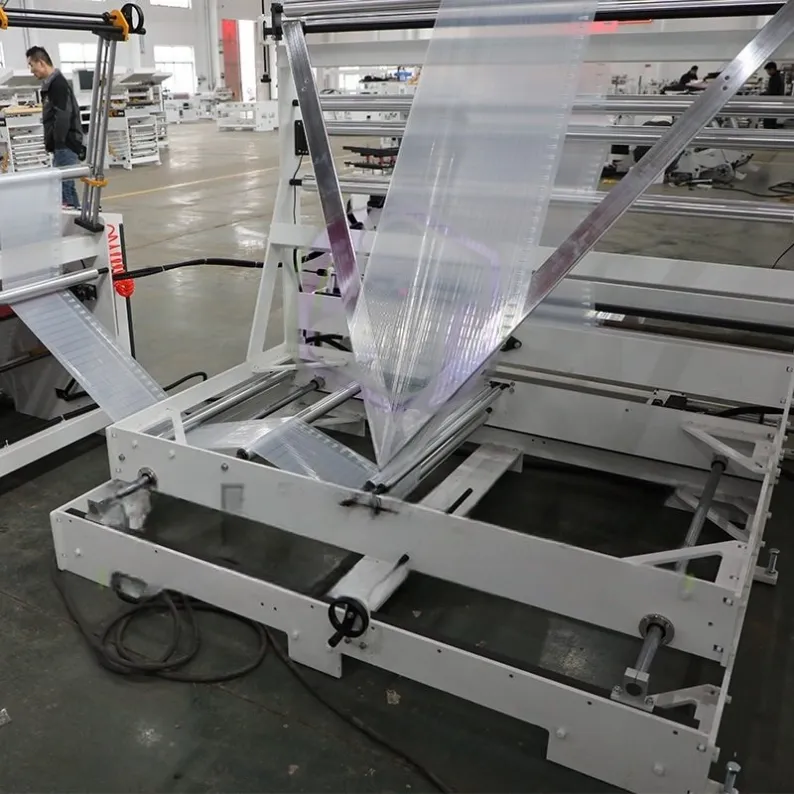
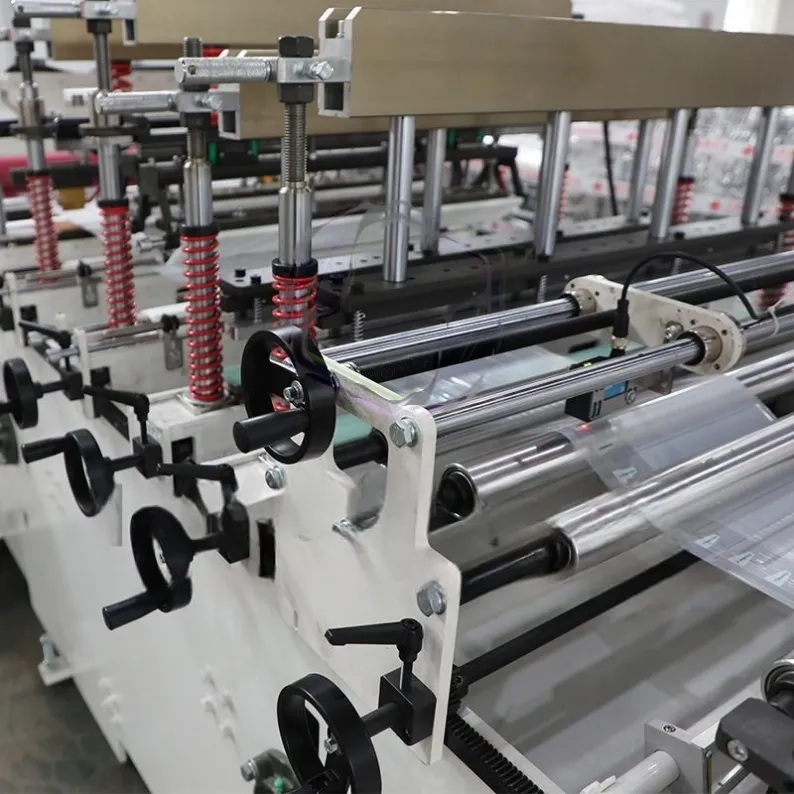
The film folding section of an air column bag machine, shown above, is where the flat film is formed into columns before sealing. Consistent folding and sealing are what make the columns hold their air in transit.
The Benefits, in Buying Terms
- Superior shock absorption. Independent columns cushion the product from every direction, and a single puncture does not end the protection.
- Space and freight savings. Bags are stored flat and inflated on demand, so they take up far less warehouse space than pre-formed cushioning and add very little weight to the shipment.
- Cost effectiveness. Less material, less storage and lower shipping weight all cut cost, and fewer damaged parcels mean fewer returns and replacements.
- Recyclable and low-waste. Air column bags are made of recyclable materials, and because they are inflated only when needed, there is less wasted material than with bulky pre-formed packaging.
- Versatile and customisable. Pillow bags, tube bags and rolls cover different products, from electronics to beverages, and sizes can be matched to the product. Custom printing can also carry branding, so the cushion becomes part of the unboxing experience.
- User-friendly. Bags inflate quickly, by hand with a small compressor or by automated equipment, with minimal training for packing staff.
Choosing the Right Air Bag
- Match the type to the product. Check the size, shape and fragility of what you ship, then choose the bag type — pillow, tube or roll — that wraps it without leaving it free to move.
- Consider storage and inflation. Flat-packed bags need little storage, but confirm you have the inflation equipment to match your volumes, whether that is a hand compressor or an automated line.
- Weigh sustainability. Ask about recyclable or biodegradable options, and confirm that the film suits the recycling stream your customers use.
- Customise where it helps. Custom sizes reduce wasted film, and custom printing can turn a protective bag into a branded part of the parcel.
- Train the team. Staff should know how much air to use: enough to hold the product firmly, not so much that the bag becomes rigid and loses its cushioning.
Where Air Bags Are Used
Air bags protect electronics, where a single drop can destroy a product, and glass bottles and beverages, where breakage also means leakage and damage to the rest of the order. They are used across e-commerce, where parcels face multiple hand-offs, and by sellers who ship high-value, low-volume goods that justify a better cushion. In each case the buying logic is the same: the cost of a damaged shipment is far higher than the cost of the bag.
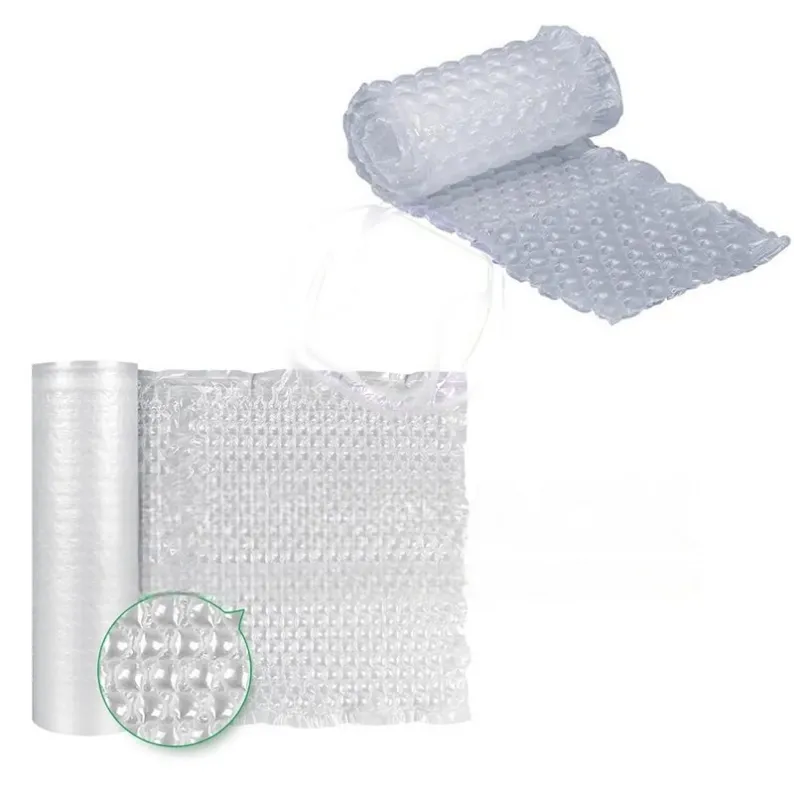
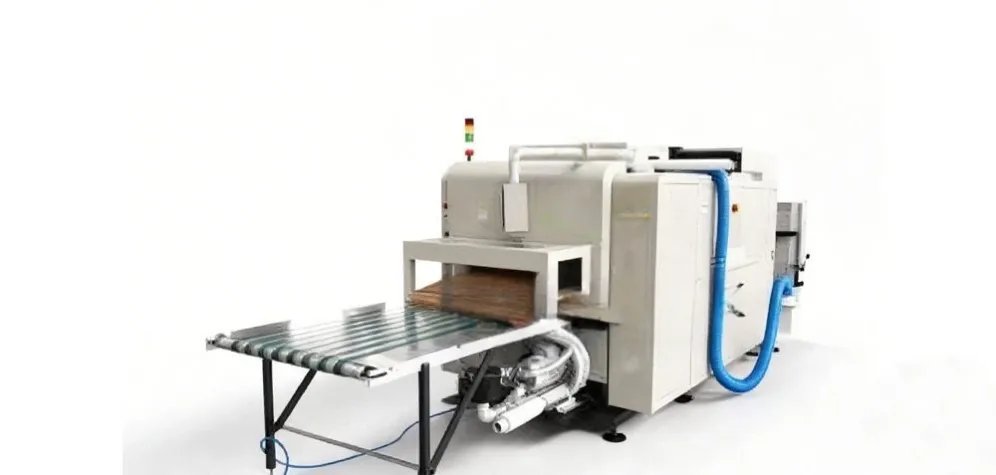
Inflated cushioning film, shown above, is the same idea at a larger scale: air-filled film produced on demand and used to wrap products or fill a box. For many sellers, air column bags and air cushion film work side by side — columns for the product itself, film for the space around it.
Frequently Asked Questions
Are air column bags better than bubble wrap? For fragile, high-value products, yes. Columns mould around the product and keep working if one chamber fails, while bubble wrap is a general-purpose wrap. For light, non-fragile items, bubble wrap or paper cushioning is often enough.
Do I need a machine to use air column bags? Bags can be inflated with a small compressor by hand, and automated inflation suits higher volumes. The bags themselves are made on a Plastic Air Column Bag Making Machine.
Talk to Hangjia Machinery
If you ship fragile products, the machine behind the bag matters as much as the bag itself. Browse our Air Column Machines and our Air Cushion Machines, then contact us to discuss the products you ship and the volumes you need to protect.