Folding Machine vs Mailer Machine: A 2025 Buyer's Comparison Guide
Folding machine or mailer machine? Compare output, substrates, DIM savings, changeover and ROI — with 2025 cases and data — to pick the right line for your SKUs.
Shipping costs keep creeping up, and dimensional weight fees are brutal. If you ship cartons, books, apparel or e-commerce parcels at scale, you are probably weighing the same decision: invest in a high-precision folding machine to right-size cartons and inserts, or move more SKUs into paper mailers with a mailer machine? Both can cut DIM fees. Which one pays back faster depends on your product mix, your substrates and your uptime goals. Here is the comparison, with the 2025 numbers.
Folding Machine vs Mailer Machine — At a Glance
A folding machine converts die-cut paperboard or kraft sheets into cartons, sleeves and inserts — the structured packs that fragile, stackable or retail-ready SKUs need. A mailer machine forms kraft or paper padded mailers, applies peel-and-seal closures and often auto-inserts the product and pack slip — the thin, light, recyclable parcels that suit soft goods, apparel, books and small electronics. Folding lines are larger, running feed, fold, glue and QC in sequence, and excel at stacking strength and edge crush. Mailer lines are typically smaller, very fast on standard sizes, and slash empty space and DIM surcharges. Folding pays back when you sell many boxed SKUs and need retail presence; mailers pay back fast when you migrate SKUs from boxes to paper mailers.
What a Folding Machine Does
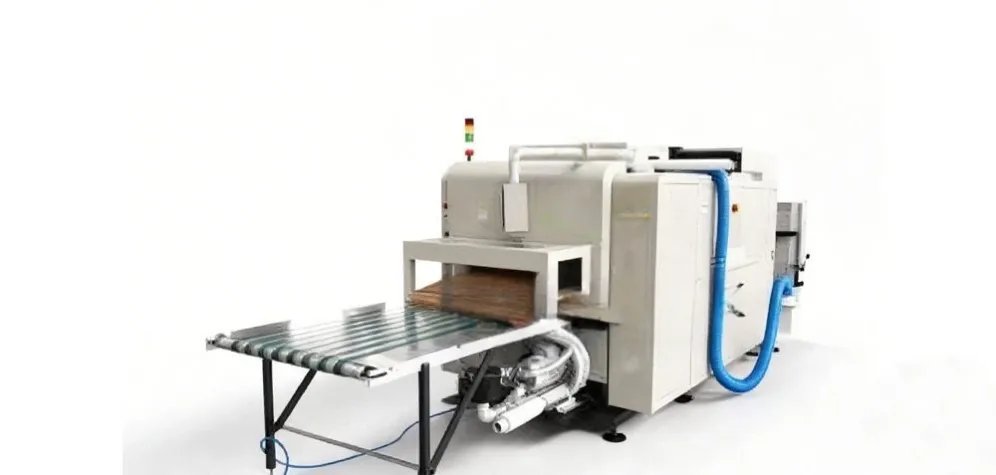
A folding machine takes die-cut paperboard or kraft sheets and creases, folds and glues them into consistent cartons, sleeves or inserts. In a modern layout it links upstream sheet or roll feeding with downstream packing, delivering repeatable geometry, minimal spring-back, high bond strength and short changeovers for multi-SKU e-commerce.
Hangjia Machinery's folding machines are built around servo-driven feeding and register to reduce skew and micro-mis-folds, adjustable scoring pressure for consistent fold memory on recycled content, glue pattern control with camera confirmation and automatic rejects, dwell-time controlled compression belts for bond integrity, and vision QA that checks flap angle, glue squeeze-out and code presence, with data logged to MES. Materials run from SBS, FBB and CCNB to kraft liners and high-PCR paperboard, with food-contact or anti-scuff coatings compatible with hot-melt and water-based adhesives. The advantages over ordinary folders are tighter tolerances with less rework, recipe-based changeovers with automatic guide and glue-head repositioning, higher OEE from predictive alarms and remote diagnostics, in-line production of protective paperboard inserts that replace plastic void fill, and right-sizing support for short-run carton sizes that cut dimensional weight.
What a Mailer Machine Does
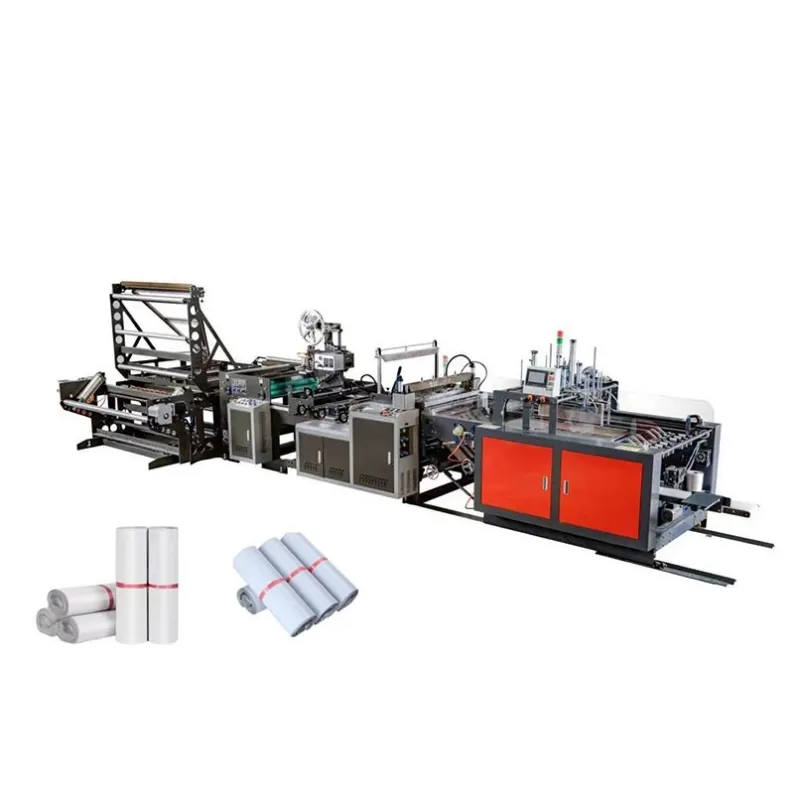
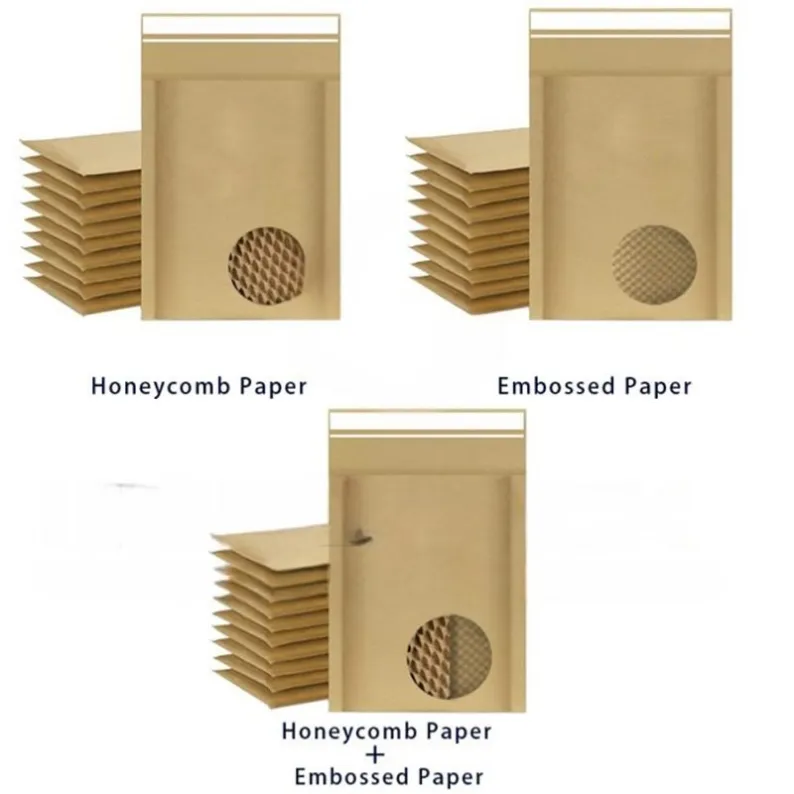
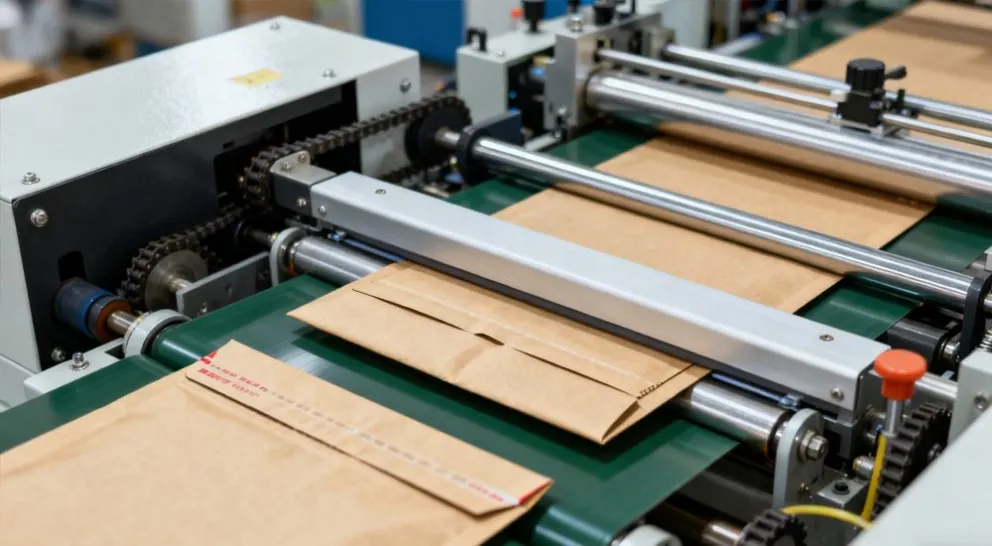
A mailer machine forms kraft or paper padded mailers — or feeds pre-made mailers — applies peel-and-seal closures, and often auto-inserts the product and pack slip in one pass. Standardised sizes and fast format swaps make it ideal for apparel, books and thin, light, recyclable parcels that dodge DIM surcharges more easily than bulky cartons.
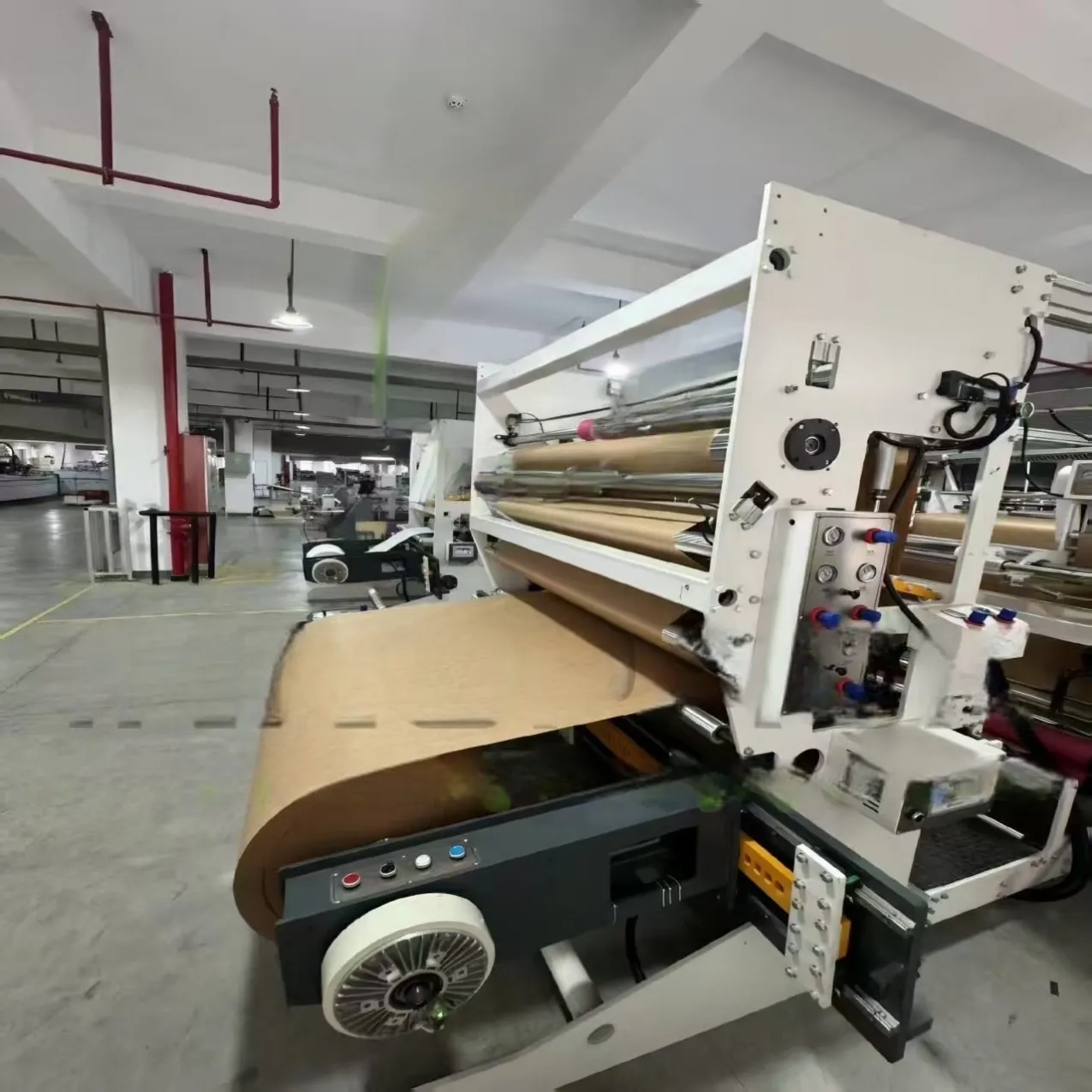
The line starts with web handling and forming, shaping kraft webs into a tube or sleeve with a paper padding insert, then thermal or adhesive edge sealing with real-time temperature and pressure control. An optional auto-insert stage integrates scale and vision, prints the pack slip and label, and closes the flap automatically, with on-the-fly printing of order IDs, returns information or branding. Materials are kraft and recycled fibres with engineered paper padding for drop protection, self-seal closures with tamper-evident liners and optional easy-open perforation, and a mono-material design streamlined for curbside recycling. Against ordinary mailer lines, the gains are made-to-fit mailers with fast changeover among standard sizes and SKU-to-mailer mapping that trims DIM penalties, a paper-first design aligned with the major platforms' move away from plastic air pillows, high uptime from fewer jam points, tool-less format swaps and auto web splice, and label-and-close in one pass that compresses labour steps and shortens the pack-to-ship cycle.
Where Each Machine Wins
Choose a folding machine when you need structural integrity and stacking for fragile or heavier goods, premium unboxing and print alignment for brand storytelling, inserts and partitions produced in-line to replace plastic void fill, or retail-plus-e-commerce hybrid packs where cartons remain mandatory.
Choose a mailer machine when you need high-velocity e-commerce for apparel, books, accessories and D2C spares, thin mono-material packs that minimise DIM and simplify recycling, fast changeovers across standard sizes with minimal tooling, or automation from insert to label to close in a single flow. Many operations run both: folding for the SKUs that must be boxed, mailers for everything that can travel light.
The Numbers: Cases and Data
The cases are concrete. A fashion brand moved 55% of its SKUs from cartons to paper mailers, cutting DIM surcharges, removing two touches at pack-out, and shipping 12% faster against SLA. A book and e-learning publisher switched to right-sized cartons on the folding machine, cutting crushed-corner returns and saving board by 8%. A regional 3PL ran the mailer line with auto-insert through peak season without adding headcount, and operators praised the tool-less format change in under four minutes.
The market is moving the same way: major marketplaces report 100% removal of plastic air pillows in North America and a 16.4% year-on-year reduction in single-use plastic packaging, driven by paper adoption. In industry polling, the top priorities for packaging operations are productivity (65%), automation (49%) and sustainability (35%) — a clear brief for servo accuracy, quick changeover and paper-first design. And companies adopting both systems report up to 18% less material waste and 30% faster fulfilment. The right question is not which machine is better in general, but which one fits the SKUs you ship most.
A Short Buying Checklist
For a folding machine, confirm board grades and calipers per SKU, require recipe-based auto-positioning for guides and glue heads, insist on vision QC for flap angle, squeeze-out and code verification, and secure spare parts and remote diagnostics SLAs targeting over 90% planned uptime — plus a roadmap for in-line insert production. For a mailer machine, lock standardised mailer sizes and SKU mapping, add auto-insert with print and apply to collapse pack-out steps, verify seal strength and easy-open tear lines, source recycled-content kraft and padding compliant with your markets, and plan changeover under five minutes with operator training for web handling. Either way, specify the machine for PCR fibres, tune glue and heater profiles, and validate crease memory and seal strength under your climates.
Folding and mailer machines solve the same cost problem from opposite ends: one makes the box smaller, the other removes the box. Explore Hangjia Machinery's folding machines and paper mailer machines to compare the range, or contact us to talk through your SKUs, volumes and the right configuration for your line.