From Automation to Sustainability: The New Era of Plastic Packaging Machinery
Plastic packaging machinery is no longer just about speed. How air pillow, air column and air bubble lines now combine automation with sustainability — and where paper fits in.
Can automation and sustainability coexist on the same packaging line? A factory director walking through a packaging line put that question to an engineer — and the answer was yes. Modern plastic packaging machinery proves it daily: today's air pillow, air column and air bubble systems are no longer just about protection. They are about precision control, material efficiency and recyclability. In 2025, as the industry accelerates toward ESG compliance and smart manufacturing, plastic packaging machinery stands at the centre of that transformation — balancing innovation, efficiency and environmental responsibility.
What Counts as Plastic Packaging Machinery in 2025
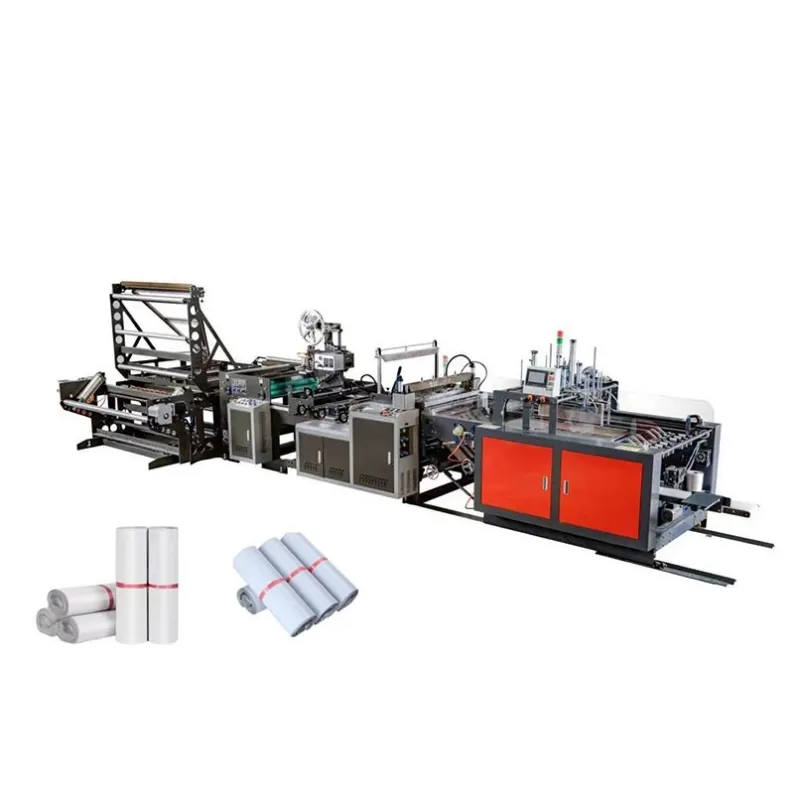
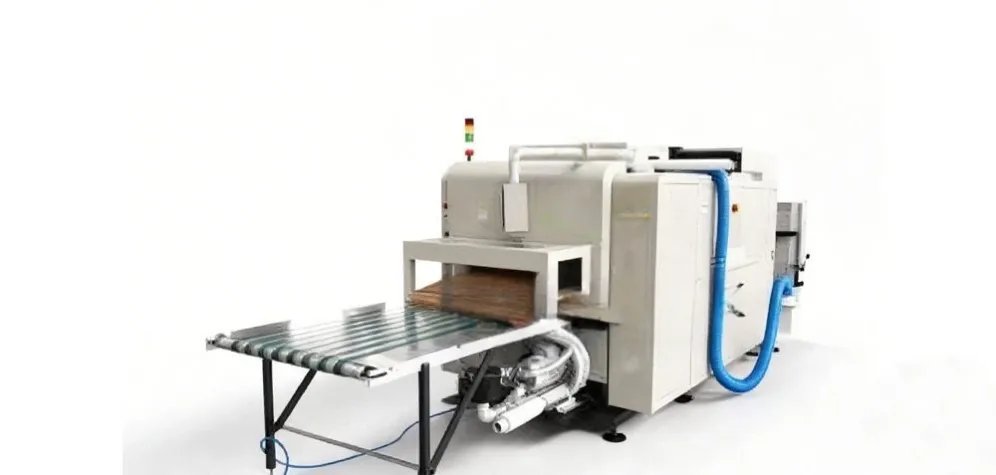
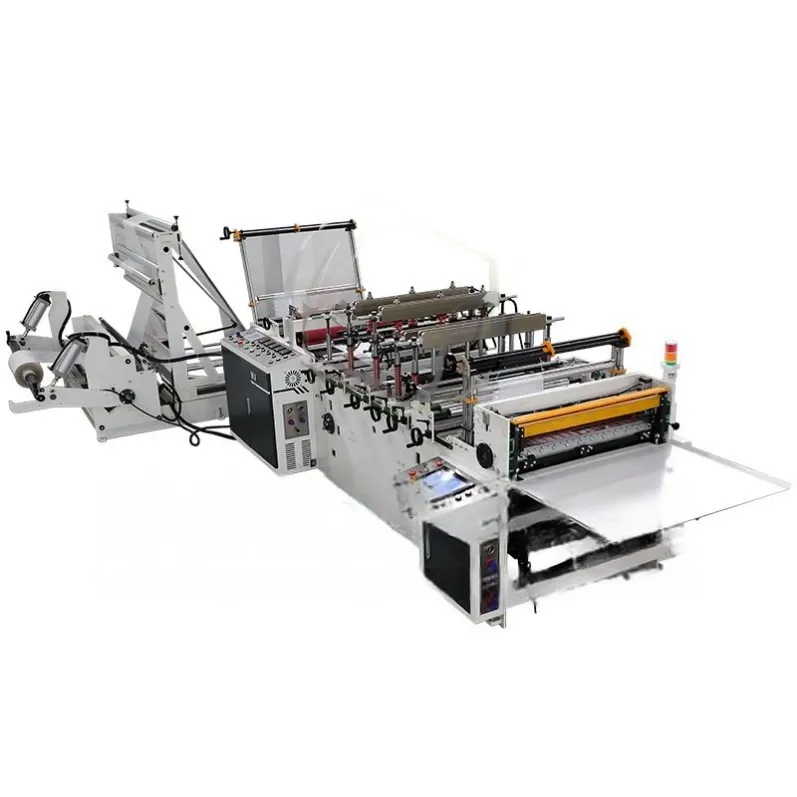
The core families are easy to tell apart. Plastic air pillow making machines form LDPE and MDPE pillows with configurable size and inflation, ideal void-fill for mixed cartons. Plastic air column bag making machines build multi-chamber columns that isolate shocks and localise punctures, which suits screens, lenses and delicate devices. Plastic air bubble making machines produce bubble webs and wraps for interleaving, surface protection and vibration damping. Around them sit converting modules — slitting, perforation, logo and trace printing, and auto-bagging with in-line vision QA for seal shape and registration. Across all of them the shared objectives are the same: repeatable cushion performance, consistent seal integrity, low leak rates and audit-ready batch traceability.
Materials, Motion and Sealing
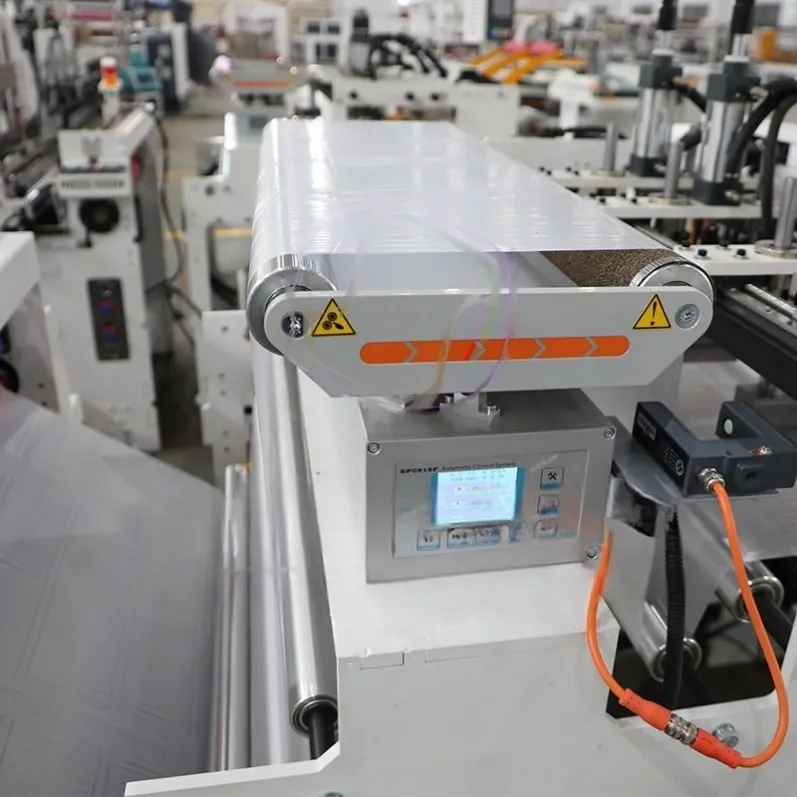
Performance starts with the film. Lines run LDPE, MDPE and HDPE blends, including anti-static and slip-modified grades, with thin-gauge optimisation to cut material use. Proportional valves and mass-flow sensors hold chamber pressure within ±2–3%, so every pillow and column inflates the same way, and roller hardness, wrap angles and film path geometry are tuned to prevent micro-nicks. All-servo motion synchronises unwinds, nips, sealers and knives to ±0.1–0.2 mm placement accuracy, while closed-loop sealing uses PID heaters that compensate automatically for humidity and temperature swings. In-line vision and AI cameras verify seal geometry, column integrity and print, and machine learning catches drift before operators spot it. An operator-first HMI with recipe libraries and one-touch changeovers shortens the learning curve, predictive maintenance lifts OEE to 92–96% in disciplined cells, and smart standby cuts idle energy use.
Paper vs Plastic vs Hybrid
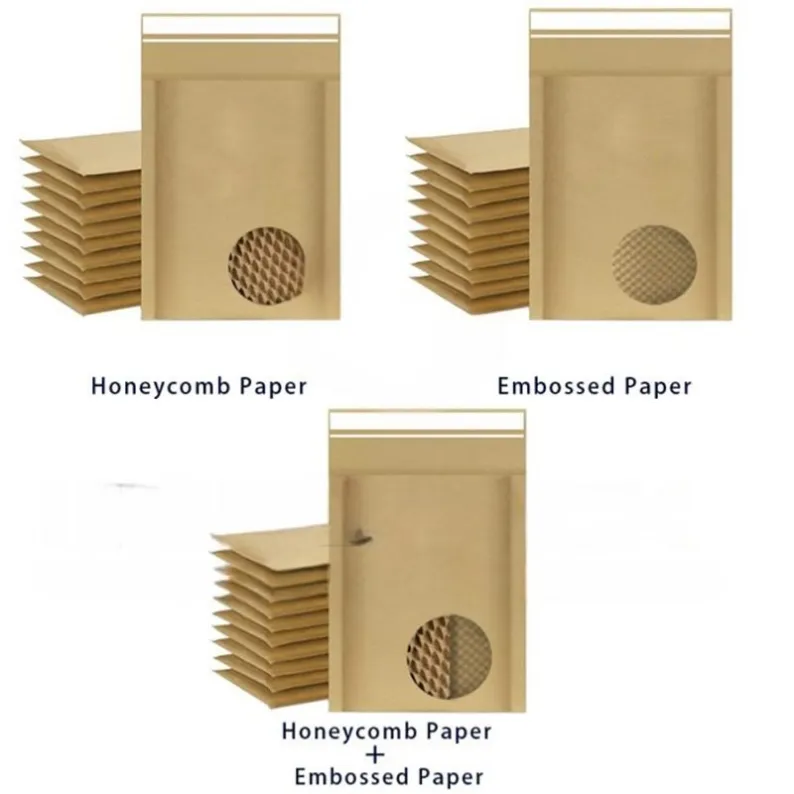
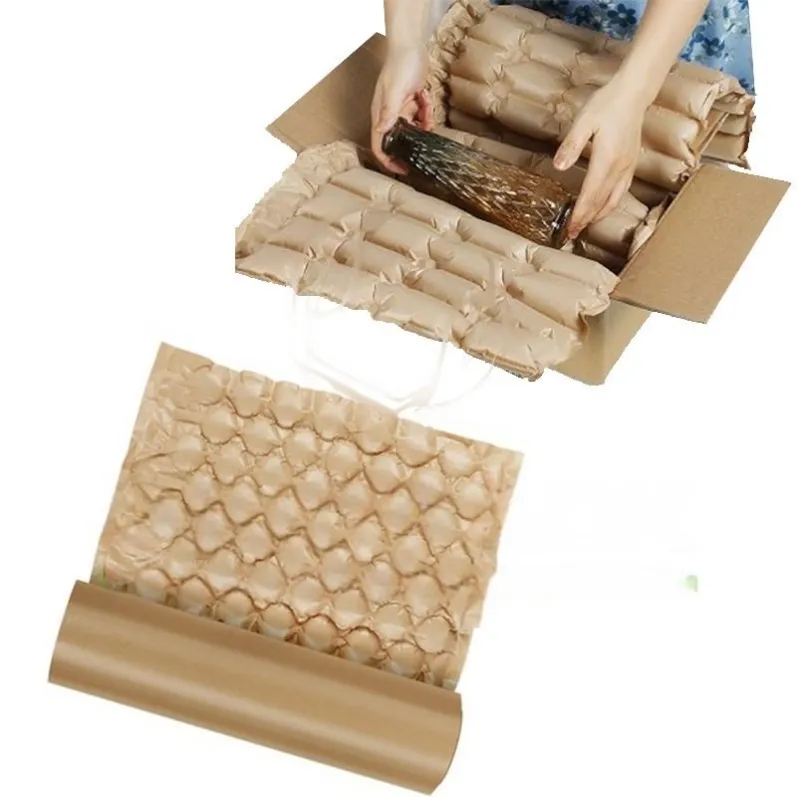
Neither material wins everywhere, which is why most operations now run a portfolio. For fragile or sharp SKUs, air columns and pillows excel at high energy absorption and are barely affected by humidity; paper bubbles and pillows protect many mid-risk SKUs, and coatings help with moisture. Throughput is very high on plastic lines, with recipe swaps for pillow size and pressure taking minutes; modern paper lines are fast too, with recipe-guided changeovers. On recyclability, plastic is recyclable where programmes exist, while paper is fibre-stream recyclable and enjoys strong consumer preference — and clear routing and labelling reduce contamination and improve audits. Moisture stability favours plastic, which holds its modulus across climates, while paper needs the right GSM and coatings. For brand and unboxing, plastic offers clear visibility; paper offers a premium kraft or glassine look. The hybrid rule is simple: plastic for high-risk SKUs, paper for mid-risk.
The Evidence, in Numbers
The results are measurable. Air pillow deployments have reduced DIM charges by up to about 14% across specific SKU sets, and hybrid portfolios of paper mailers plus plastic columns achieved roughly 18% fewer damages in comparative trials. Vision-assisted sealing cut defects by 20–30% compared with manual checks, and plastic packaging machinery shipments remain above the ten-billion mark. The cases tell the same story: an e-commerce electronics operation that switched to an air column bag line saw damage rates fall by more than 35%; an auto aftermarket operation that combined bubble web for heavy parts with paper pads saw claims drop about 28%; and an apparel and books operation that moved mid-risk SKUs to paper mailers and paper bubble achieved double-digit DIM savings and faster EPR and PPWR audits. Typical payback runs 6–18 months, and one line can handle multiple pillow sizes through recipe-level swaps of inflation pressure, dwell and nip.
The new era of plastic packaging machinery is not about defending plastic — it is about using the right material in the right place, with automation that makes both paper and plastic lines faster, cleaner and easier to audit. To see the air cushion equipment behind the numbers, browse Hangjia Machinery's Air Cushion Machines range, or contact us to discuss your SKUs and volumes.