Honeycomb Paper: Lightweight Strength for Smarter, Greener Shipping
Honeycomb paper protects like wood and weighs almost nothing. This guide compares it with foam, bubble fill and wood, and shows how to choose the right spec and machine.
Honeycomb paper is a kraft-paper panel with a hexagonal core that protects like wood and weighs almost nothing. It suits shippers of flat, heavy or fragile goods — electronics, furniture and auto parts — who want lower freight bills and less plastic without giving up protection. This guide explains what it is, how it compares with foam, bubble fill and wood, and how to choose the right spec and the machine to make it.
What Honeycomb Paper Is
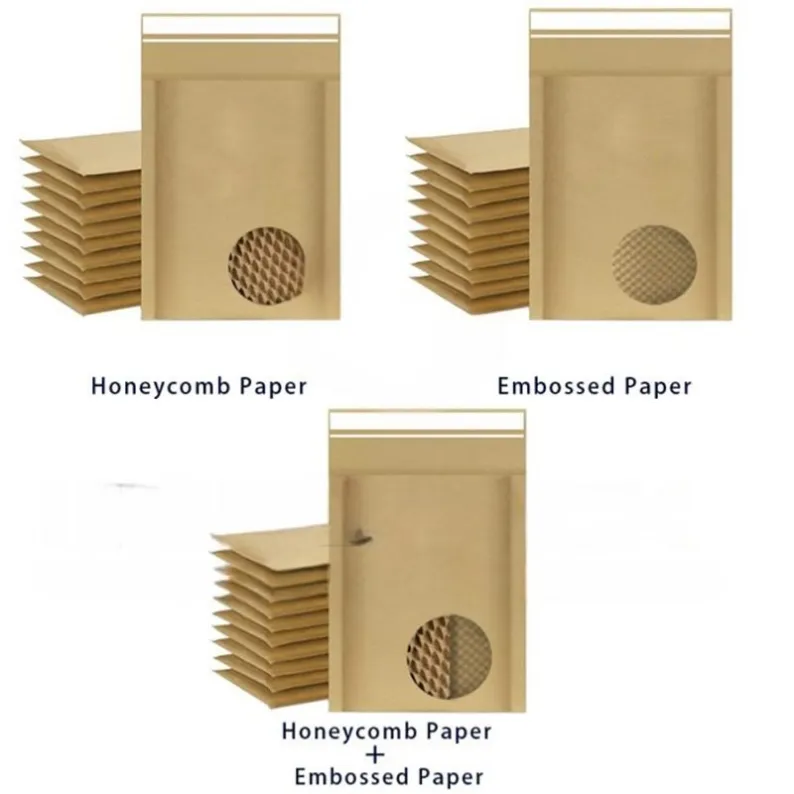
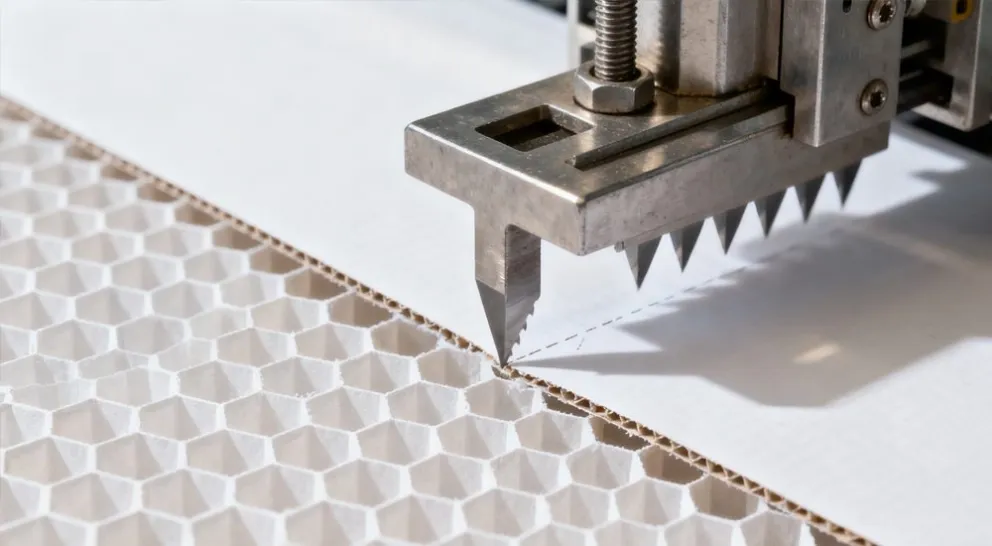
Honeycomb paper is a paper-based structure made of a hexagonal core sandwiched between flat liner sheets. The core is usually kraft paper bonded with water-based adhesive, and the finished material is converted into pads, panels, edge protectors, void-fill blocks or wrap sheets. It comes as rolls, fan-fold stacks, die-cut pads, corner and edge guards, or custom-sized panels for pallets or cartons. Because it is paper-based, it is widely recyclable in existing paper streams and can be sourced with high recycled content.
The hexagons are the point. Each cell works like a tiny I-beam, and together they spread any load evenly across the whole panel. The result is a panel that is ultra-light yet remarkably rigid — strong enough to stack, gentle enough for finished surfaces, and configurable for everything from flat-panel electronics to furniture and auto parts.
Why It Protects So Well for So Little Weight
Protection comes from geometry, not from mass. The hexagonal cells form a stable, shock-absorbing matrix: when a parcel is dropped or knocked, the core absorbs the shock and spreads the impact energy across the panel instead of letting it concentrate on one point. That is why honeycomb protects corners and flat surfaces so well, and why it holds its shape under stacking loads that would crush loose fill. You get the compression and stacking strength of a much heavier material without the weight — and without the bulk of foam or the handling effort of wood.
Honeycomb vs the Alternatives
Most buyers compare honeycomb against three familiar materials. Here is how they stack up:
| Honeycomb paper | Bubble / peanut fill | Foam / plastic inserts | Wood / OSB |
|---|---|---|---|---|
Protection | Excellent surface and edge protection; strong stacking | Good void fill; weaker for stacking and edges | High cushioning; can be overkill for many SKUs | Very strong; heavy and material-intensive |
Weight | Ultra-light | Light | Medium | Heavy |
Sustainability | Paper-based; widely recyclable | Plastic; limited recycling in practice | Plastic/foam; end-of-life challenges | Wood; reusable but resource-intensive |
Cost to protect | High value; less waste and rework | Low unit cost; may need extra dunnage | Higher cost; precise tooling | Higher freight and handling costs |
Scalability | Easy to convert, die-cut and right-size | Broadly available; inconsistent performance | Needs moulds/tooling; slower to iterate | Carpentry and storage needs; slow changeovers |
If your goal is to lower total landed cost while improving sustainability, honeycomb often wins on the combined metrics of protection, weight and recyclability. It is the only option in the table that is light, strong and recyclable at the same time.
What It Saves: Freight, Damage and Waste
Three savings add up. First, freight: lower material weight reduces dimensional weight and fuel spend across parcel and LTL/FTL shipments, and cut-to-fit pads reduce cube and improve load density. Second, damage: the core absorbs shocks and spreads impact energy, so fewer goods arrive damaged — and fewer claims, replacements and reworks eat into margin. Third, waste: paper offcuts and used packaging go into normal recycling, and right-sized pads replace loose plastic dunnage that would otherwise be thrown away.
How to Choose the Right Spec
Four things decide the spec: cell size, paper grade, thickness (caliper) and panel dimensions. Larger cells and thicker calipers boost cushioning and stack strength; smaller cells improve surface smoothness for finished goods. Match them to your product's weight, its drop and stack requirements, and the size of the cartons or pallets it travels in. Then validate with testing: run drop, stack and transport simulations to dial in the lightest spec that still meets your performance targets — the lightest spec that passes is the cheapest to ship.
Making It: From Prototype to Production
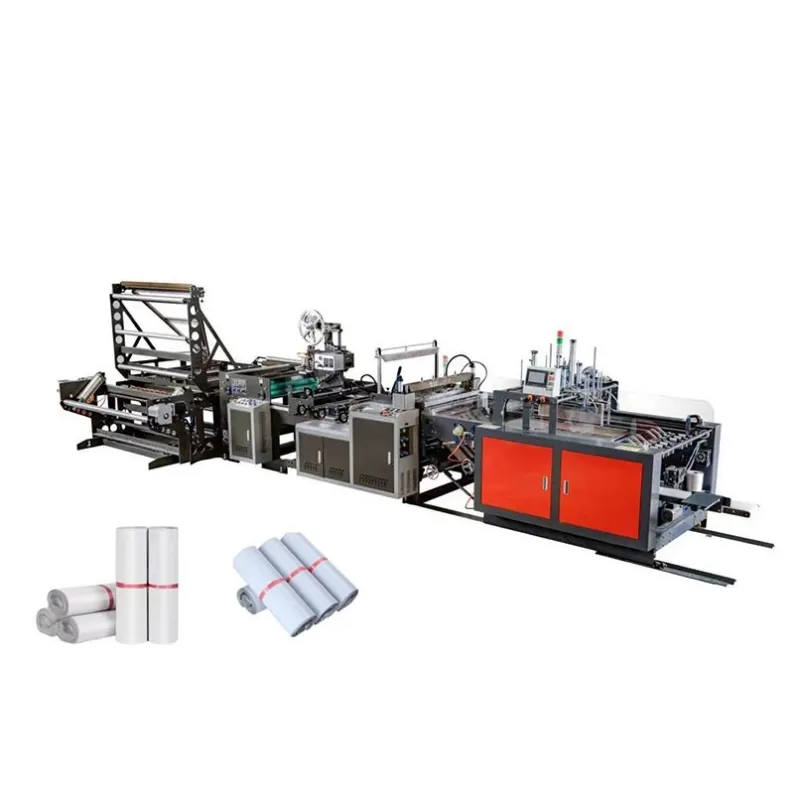
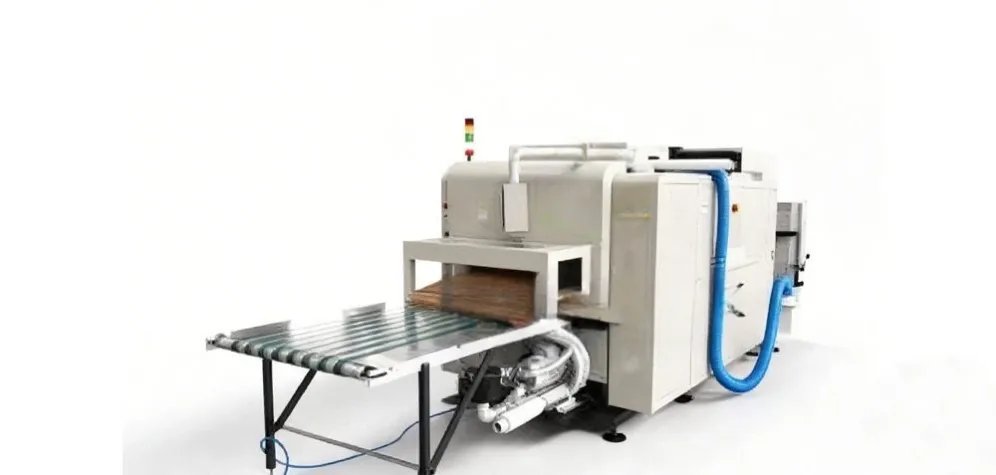
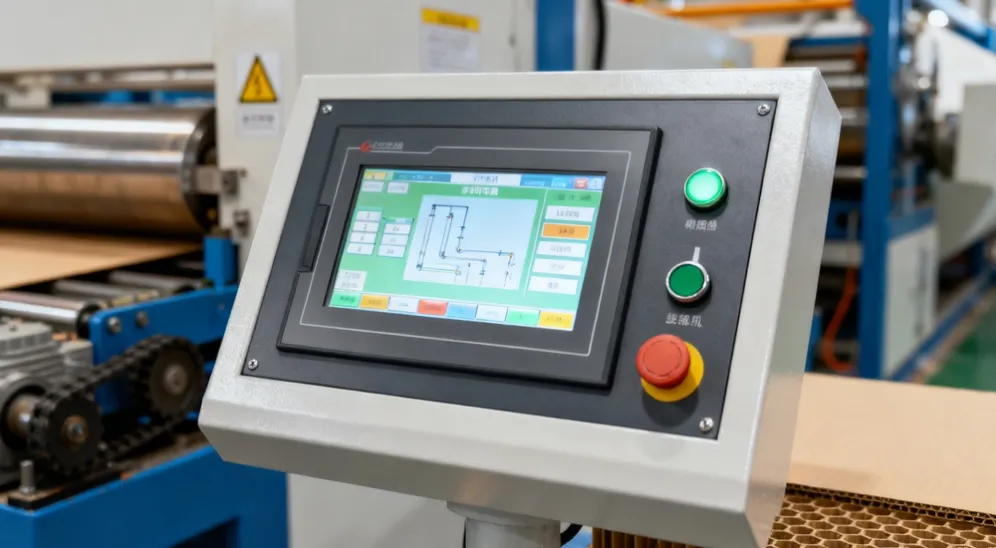
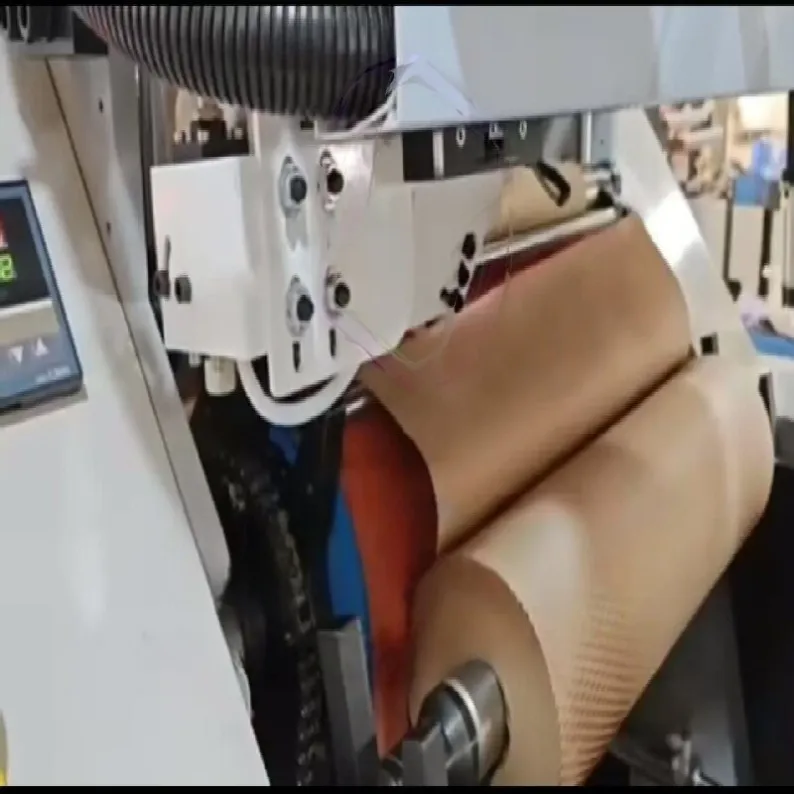
To unlock the full value of honeycomb, you need reliable, high-throughput converting. A honeycomb paper machine streamlines the whole process: core expansion, adhesive application, lamination, cutting and die-cutting. Automated web handling and precise glue control deliver uniform cells and bonds at scale, so every sheet performs the same. The line can be configured for different cell sizes, paper grades, thicknesses and sheet dimensions to match your SKU requirements, and optimised cuts with stable line speeds minimise trim loss and rework. Modular lines expand as volumes rise, keeping unit costs competitive — so you can move from pilot to production without bottlenecks.
Four Implementation Tips
- Match cell and caliper to the job: larger cells and thicker calipers for cushioning and stack strength; smaller cells for smooth surfaces.
- Engineer the "system": combine honeycomb pads with corner and edge guards and right-sized cartons to prevent racking and short-side damage.
- Right-size aggressively: replace loose plastic dunnage with cut-to-fit pads that reduce cube and improve load density.
- Validate with testing: drop, stack and transport simulations confirm the lightest spec that still meets your targets.
A Clear Next Step
If honeycomb looks right for your products, the next step is to compare specs and machines against the weight you need to protect and the volumes you ship. Browse Hangjia Machinery's Honeycomb Paper Machines to see the range, then contact us with your product types, sizes and volumes — we will help you work out which spec and machine fit, and what it would cost to run.