Honeycomb Paper: The Eco-Friendly Alternative to Plastic Packaging
Honeycomb paper is the most practical plastic-free switch: it cushions as well as bubble wrap, weighs less, and is recyclable and biodegradable in the paper stream.
For buyers who need protective packaging without plastic, honeycomb paper is the most practical switch: it cushions as well as bubble wrap, weighs less, and is recyclable and biodegradable in the paper stream. It is kraft paper stretched into a hexagonal honeycomb, and that structure is what makes it strong. If you ship fragile goods and want to remove plastic from the box, honeycomb paper is the place to start.
Honeycomb paper looks simple — a sheet of brown kraft paper with a hexagonal pattern — but the geometry does the work. The hexagonal cells spread impact across the sheet, so a thin layer of paper protects like a much thicker plastic cushion. This guide explains how it works, where it beats plastic, and how to buy and use it.
This guide covers the structure, the benefits, the plastic alternatives it replaces, and the practical steps to switch — with the facts a buyer needs to specify it.
How honeycomb paper works
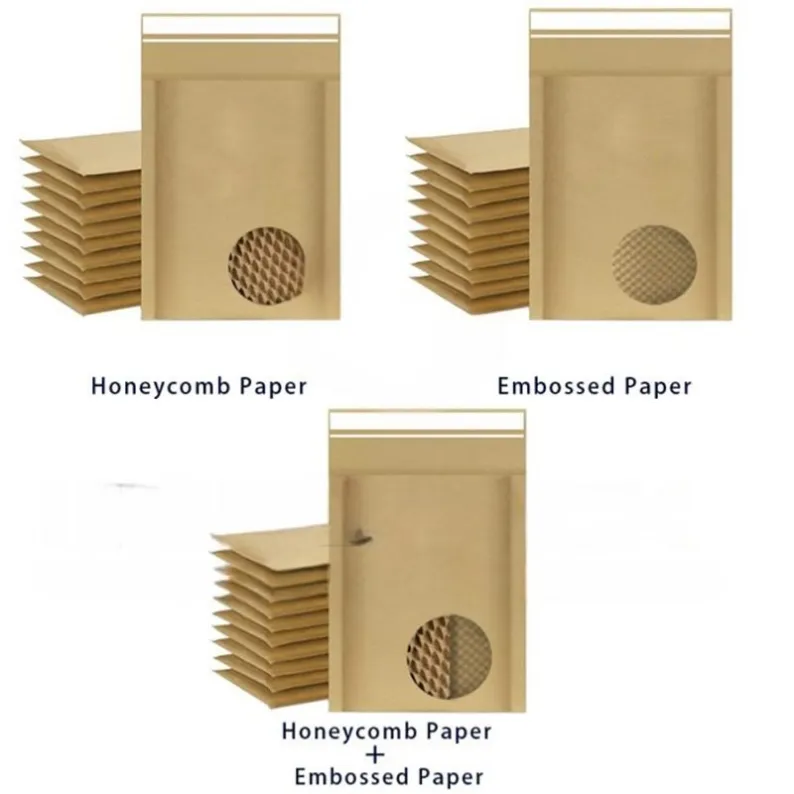
Honeycomb paper starts as kraft paper. The paper is cut and stretched so it opens into a network of hexagonal cells, like a beehive. The cells are the protection: when the paper is hit, the hexagonal walls flex and spread the force across the sheet instead of letting it through to the product.
The structure is strong for its weight. Hexagons share their walls with their neighbours, so the paper uses very little material to make a stiff, springy cushion. That is why honeycomb paper protects fragile items — glassware, electronics, ceramics — while staying light.
The material matters as much as the structure. Honeycomb paper is made from kraft paper, the same strong, unbleached paper used for bags and boxes. It is renewable, recyclable and biodegradable, so the cushion can go into the paper recycling stream with the box and the mailer.
It is also versatile in form. Honeycomb paper comes as rolls and sheets that can be wrapped around a product, used as void fill, or placed between items as interleaving. It can be used on its own or inside a kraft mailer or a box.
Why it beats plastic packaging
Plastic bubble wrap protects well, but it is made from plastic, is hard to recycle, and persists in the environment. Foam is bulky, takes up storage space, and is also hard to recycle. Air pillows are plastic, need a machine to inflate, and take up space once inflated.
Honeycomb paper is the paper answer to all three: it is made from renewable kraft paper, it is recyclable and biodegradable, and it is shipped flat and expanded only when used, so it takes up little storage. It is also light, which keeps shipping costs down.
The brand benefit is real. Customers can see and feel the difference: a paper cushion reads as sustainable, while plastic reads as waste. For brands that publish sustainability goals, honeycomb paper is an easy, visible change.
Where to use it
E-commerce shipping is the biggest use: wrap fragile products, fill the voids in the box, and protect the product from the knocks of the delivery route. It suits glassware, electronics, ceramics and cosmetics.
It also works for furniture and industrial goods, where it protects surfaces and edges during handling and storage, and for interleaving — placing a sheet between products so they do not scratch each other.
Because it is paper, it fits the packaging that customers already recycle. It can be used with kraft mailers and corrugated boxes, so the whole parcel can be plastic-free.
How to switch: a short buying guide
- Start with the fragile lines. Replace plastic bubble wrap on the products that break most often, and measure damage and customer feedback before changing the whole range.
- Match the paper to the product. Heavier honeycomb paper protects heavier goods; lighter paper suits wrapping and void fill. Ask the supplier for the grammage and the cell size that fit the product weight.
- Choose rolls or sheets to fit the packing bench. Rolls suit high-volume lines; sheets suit small runs and mixed orders.
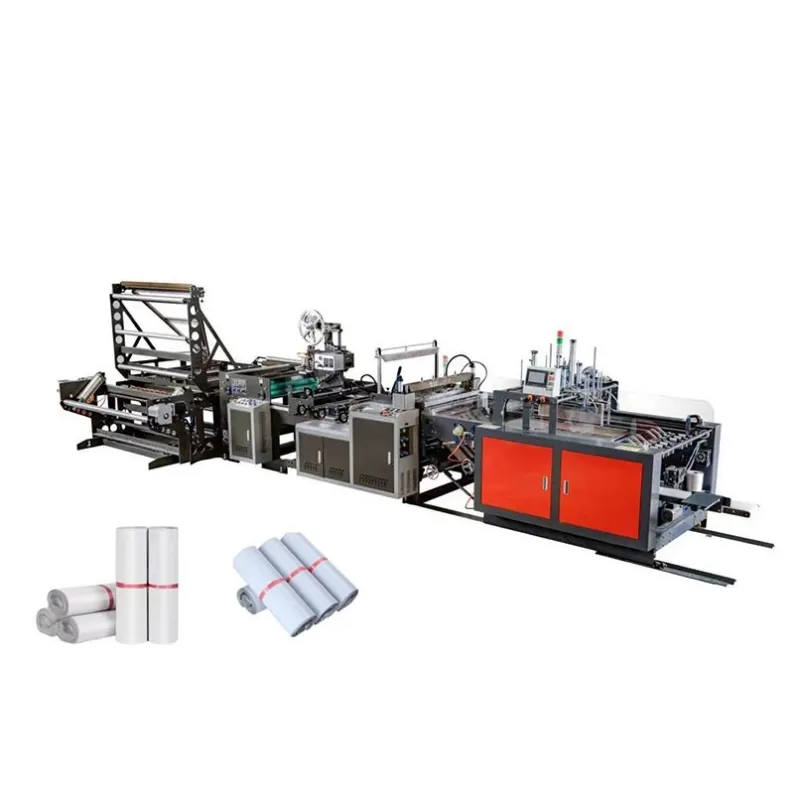
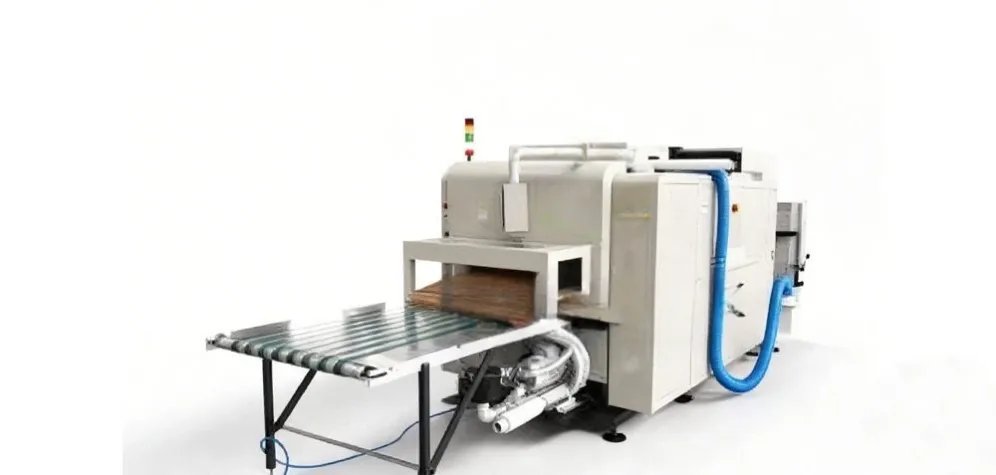
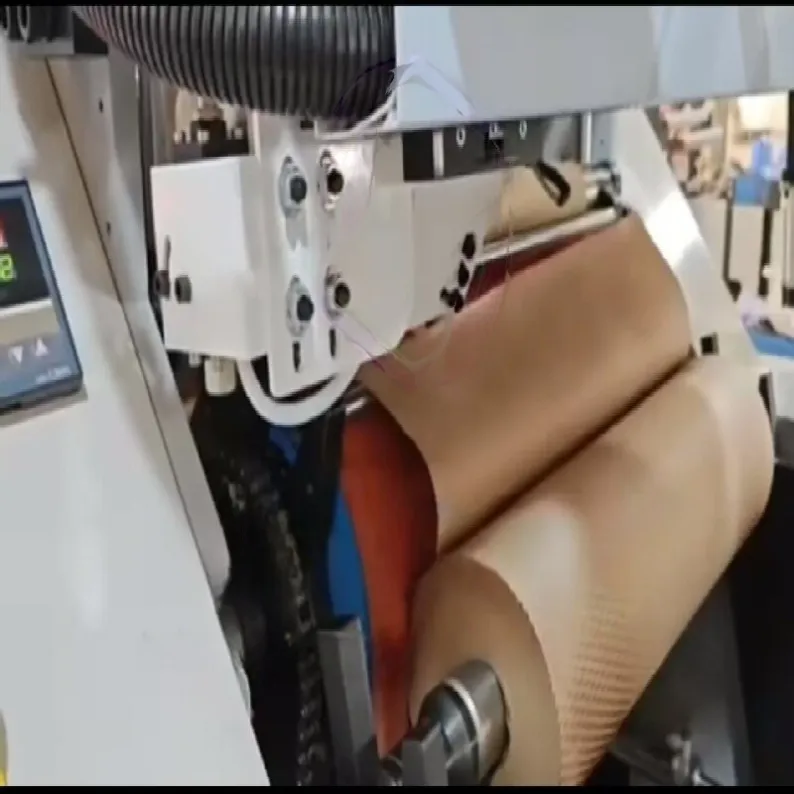
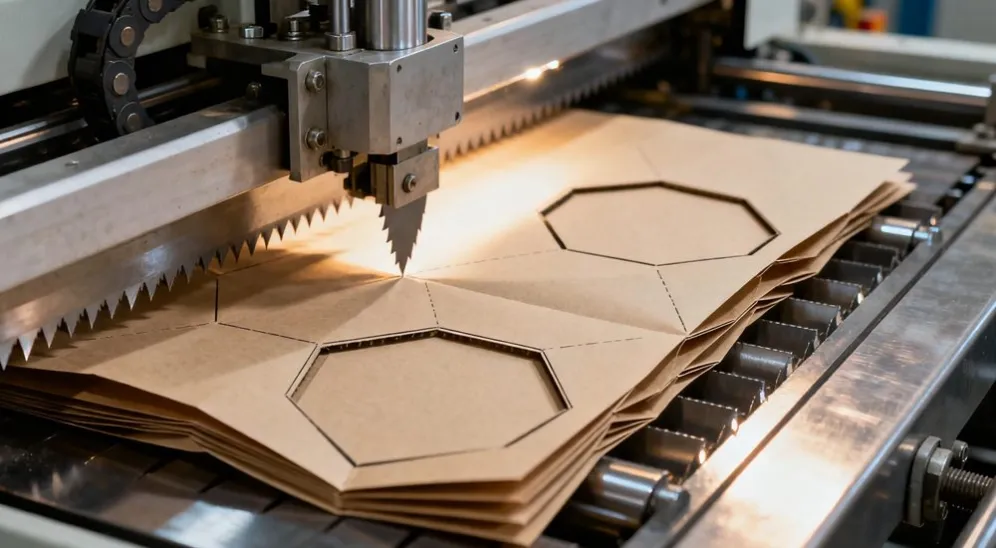
- Check the machine option. Honeycomb paper can be bought ready-made, or produced on demand with a honeycomb paper machine, which cuts waste and lets the packing team make the exact length needed.
- Test it in transit. Run a trial shipment with the same drops and handling as a normal order, and check the product on arrival before switching the whole range.
The bottom line for buyers
Honeycomb paper gives buyers the protection of plastic without the plastic: strong cushioning from a hexagonal paper structure, low weight, low storage, and a fully recyclable, biodegradable pack. It is the simplest plastic-free switch for fragile goods.
Start with the fragile lines, test it in transit, and standardise on honeycomb paper for the products it protects. The packaging gets lighter, the storage gets smaller, and the customer gets a parcel they can recycle.