How Do Paper Folding Machines Work?
A paper folding machine feeds single sheets, creases them with fold plates or a knife, and stacks the finished pieces. This guide explains how each stage works and which type fits your volume.
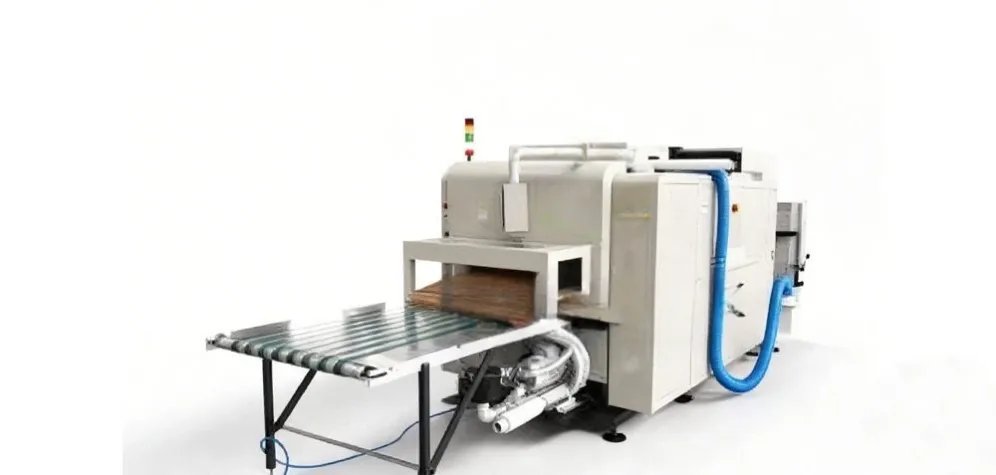
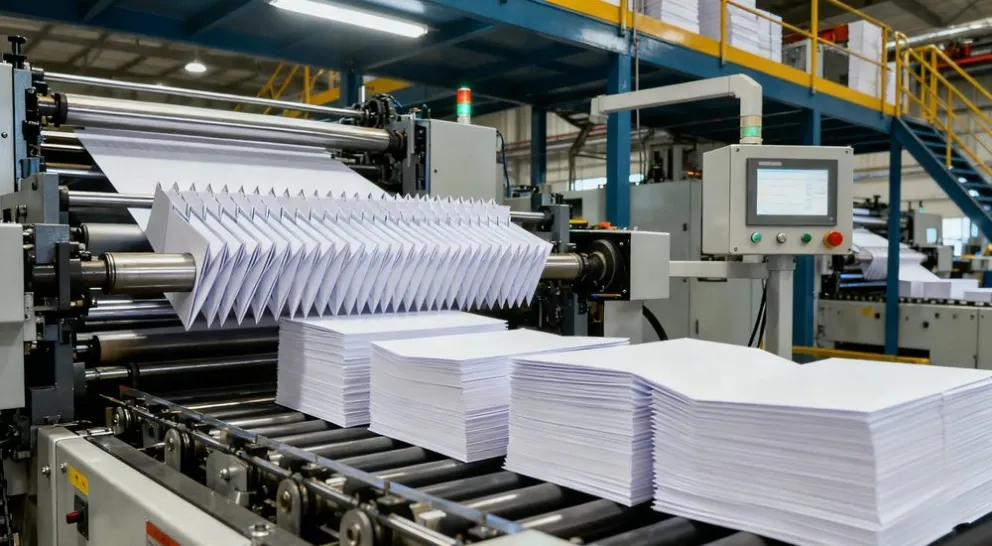
A paper folding machine takes a flat sheet of paper and turns it into a finished, folded piece in one continuous pass. It feeds one sheet at a time, forms a precise crease with fold plates or a folding knife, checks alignment as it goes, and delivers the folded sheets in a neat, ready-to-use stack. For any office, print shop or packaging line that still folds by hand, that is the difference between a slow manual task and a repeatable production step.
How a Paper Folding Machine Works, Step by Step
Every paper folding machine follows the same four stages, whether it is a compact manual unit or a fully automatic production machine. Understanding each stage makes it easier to judge build quality, compare models and spot the cause of a poor fold.
- Feeding. Sheets are fed one at a time so they enter the folding section singly, without doubles or skew. Friction rollers grip the sheet and drive it forward, while air suction is used on some machines to separate sheets cleanly. Reliable feeding is the foundation of the whole process: if two sheets enter together, or one enters at an angle, no folding mechanism can correct it later.
- Folding. This is where the crease is formed, and it happens in one of two ways. In fold-plate folding, the sheet is driven forward until it buckles against an adjustable stop plate; rollers then grip the buckled sheet and press it into a sharp crease. The position of the plate sets the fold position, so the operator can change the fold simply by moving the plate. In knife folding, a thin blade pushes the sheet down between a pair of rollers, which press the crease into place. Knife folding suits heavier sheets and fold styles that need a firm, clean crease.
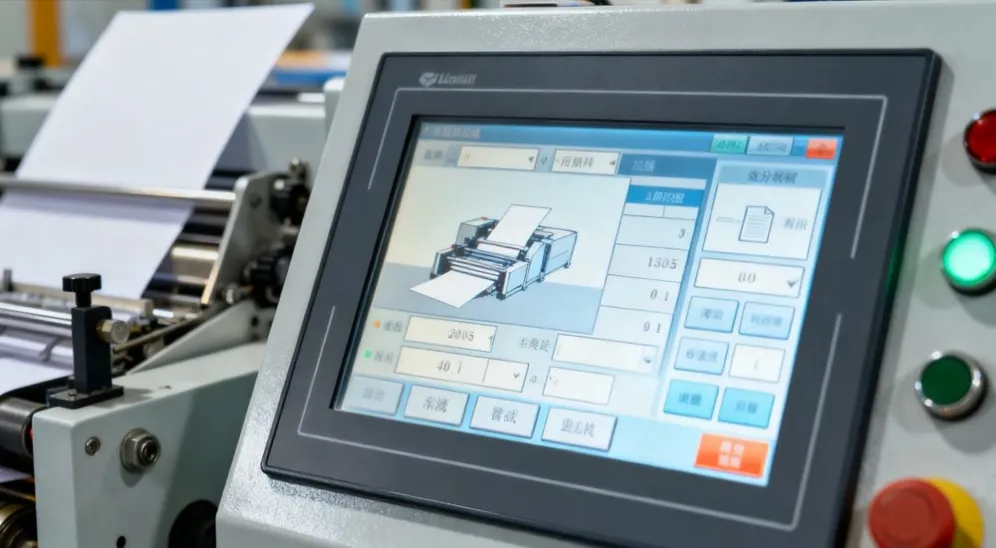
- Checking and control. Digital or manual controls set the fold position, the sheet size and the running speed, and sensors track each sheet as it moves through the machine. They watch for jams and for sheets that drift out of alignment, so problems are caught while the job is still running instead of appearing in a finished stack. On a well-built machine, the same settings produce the same fold, sheet after sheet.
- Output and stacking. Folded sheets leave the machine onto an output tray, or are conveyed away for the next step, such as inserting or packing. A tidy, squared stack matters more than it looks: it keeps the next operation fast and prevents folded pieces from opening or marking each other.
The two folding methods are not rivals. Fold-plate machines are fast to set up and change between fold positions, which suits short runs and varied jobs. Knife folding gives a firm crease on thicker stock. Many production environments use both principles across different jobs, and the right choice depends on the paper you run most often.
The Main Types of Paper Folding Machines
Folding machines fall into four broad types. The differences are mainly about how much the operator has to do, and how much volume the machine is built for.
- Manual folding machines. Small, compact and light, and simple to operate. They suit low-volume work in small offices, where a few hundred sheets at a time need folding and the operator is happy to feed and check the job by hand.
- Semi-automatic folding machines. Some steps, such as feeding or stacking, are still done by hand, while folding itself is powered. They are a practical middle step for a business whose volume has outgrown a manual machine but does not yet justify full automation.
- Fully automatic folding machines. These handle feeding, folding and stacking with minimal operator intervention, and are built for high-capacity, continuous running. Print shops, large offices and packaging lines choose them when folding is a daily, high-volume task. Hangjia Machinery's fully automatic machines use advanced control systems for precise folding, a robust build for long service life, and simple operation that reduces manual handling and the errors that come with it.
- Specialty folding machines. Built for specific fold styles, such as gate folds, cross folds and accordion folds. They are the right choice when the product itself is the fold: brochures, marketing pieces and other printed items where the fold pattern is part of the design.
What Makes Folding Accurate and Consistent
A good fold is not only about the crease. It is about every sheet in the run matching the first one. Three things decide that: accurate feeding that delivers each sheet squarely, a folding mechanism that repeats the same crease in the same place, and sensors that catch drift and jams before they become waste. Digital controls help because a fold setting can be saved and recalled exactly, instead of being set by feel each time. A robust frame matters too, since vibration and flex show up directly as wandering fold positions. When a buyer compares machines, the questions to ask are how the feed separates sheets, how the fold position is set and locked, and what the sensors watch for while the machine runs.
Where Paper Folding Machines Are Used
The same machine principle serves very different workplaces. Offices fold letters, invoices and internal documents. Printing houses fold brochures, leaflets and booklets as part of finishing. Packaging lines fold inserts, instruction sheets and warranty cards that go inside a box. Mailing operations fold statements and letters before they go into envelopes. In every case, the value is the same: a consistent fold, produced faster and with less labour than folding by hand, in a form the next step can use immediately.
How to Choose the Right Machine for Your Volume
Start from the job, not the machine. First, estimate the real volume: how many sheets per day, and whether the work arrives in steady runs or in peaks. A manual machine is enough for occasional work; a fully automatic machine pays for itself when folding is a daily task. Second, list the paper you actually fold: the range of sheet sizes and thicknesses, and whether you need one fold style or several. Third, decide how much automation you need. If one operator must run several jobs at once, automatic feeding and stacking matter more than top speed. Finally, check changeover. The best machine for varied work is the one whose fold settings can be changed and repeated quickly, without long adjustment and test runs. For high-volume, continuous operation, a fully automatic machine with precise, repeatable settings is the practical choice.
Conclusion
A paper folding machine is a simple idea executed with precision: feed one sheet, crease it in exactly the right place, check it, and stack it ready for the next step. Choose the type that matches your volume and fold styles, and pay attention to feeding, controls and build quality, because those are what keep the fold consistent across a whole run. Explore Hangjia Machinery's paper folding machines to compare models for your volume, or contact us with your sheet sizes, fold styles and daily volume, and we will help you choose the right configuration.