How Is Paper Packaged?
Paper is packaged by converting large rolls into reams, cartons, bags and coated containers. This guide explains each format — and the folding machines that make it.
Paper is packaged by converting large paper rolls into reams, cartons, bags and coated containers — cutting, creasing, folding, gluing and coating them into the format each product needs. The paper folding machine is the piece of equipment that holds that line together, turning flat board into finished packaging with speed and precision. This guide explains how paper packaging is made, format by format, and what to check before you buy the machine that makes it.
The Short Answer: How Paper Becomes Packaging
Paper packaging covers a wide variety of solutions — ream wrappers, cartons, multiwall sacks and corrugated boxes. The process generally starts with large paper rolls, which are converted into specific shapes and sizes, given protective coatings where needed, and assembled into functional containers such as bags, boxes and trays.
Different paper types are selected for the job. Paperboard and corrugated fiberboard are chosen based on their strength, durability and barrier properties, and coatings and adhesives are added to enhance moisture resistance and improve product safety. That combination of flexibility and protection is what makes paper packaging a vital part of modern industries — and it is also what makes the machinery behind it worth choosing carefully.
Paper Product Packaging: Reams, Boxes and Cartons
Most paper packaging falls into two broad families: paper products themselves, and the boxes and cartons that protect other goods.
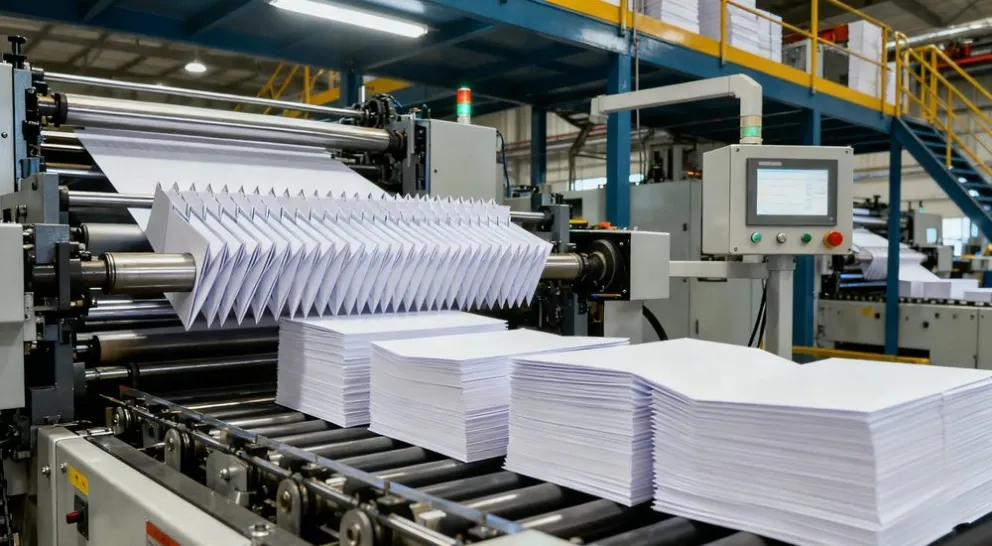
- Reams of paper: large paper rolls are cut into uniform sheets, which are stacked into reams of specific quantities. These reams are typically wrapped in a protective paper or plastic film to shield them from moisture, dust and handling damage. Once wrapped, the reams are bundled together and shipped in sturdy cases for secure distribution.
- Boxes and cartons: for products like electronics, cosmetics and food, cardboard boxes and folding cartons are widely used. Production includes printing, creasing, slotting, folding and gluing, and paperboard types such as corrugated fiberboard, whiteboard or solid fiberboard are chosen depending on product requirements. These boxes provide excellent strength while remaining lightweight and eco-friendly.
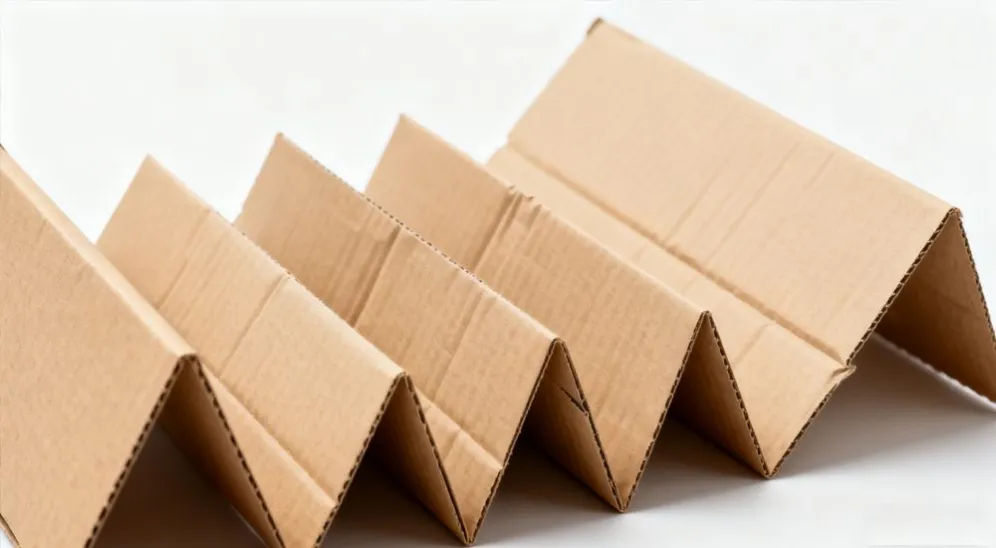
A fanfold kraft board — folded paper like this is the starting point for cartons, sacks and ream wrappers.
Notice what the two formats share: every step is a conversion step. Paper arrives as a roll and leaves as a sized, shaped, protected product — and the quality of each conversion decides whether the packaging survives distribution.
Food and Consumer Goods Packaging
Food and consumer goods add one more requirement: the packaging must resist what is inside it.
- Coating: certain paper packaging requires protective barriers to resist liquids, oils and fats. To achieve this, paper is coated with thin layers of materials such as PLA or polyethylene (PE). This technique is common for coffee cups, salad bowls and soup containers, ensuring that paper maintains durability even with direct contact with food and liquids.
- Bags and sacks: multiwall paper sacks, made from several layers of kraft paper, are commonly used for bulk goods like cement, grains and animal feed. These sacks may include barrier materials for extra strength. Paper bags, on the other hand, are often used for everyday items like sugar, flour, groceries or retail carrier bags. Their recyclability makes them a preferred choice in sustainable packaging initiatives.
- Flexibility in design: paper packaging can be easily cut, folded and assembled into different forms such as pouches, tubes and composite containers. This adaptability makes it suitable for a wide range of consumer products, from snacks and beverages to cosmetics and pharmaceuticals. Its printability also provides opportunities for branding, making paper packaging both functional and marketable.
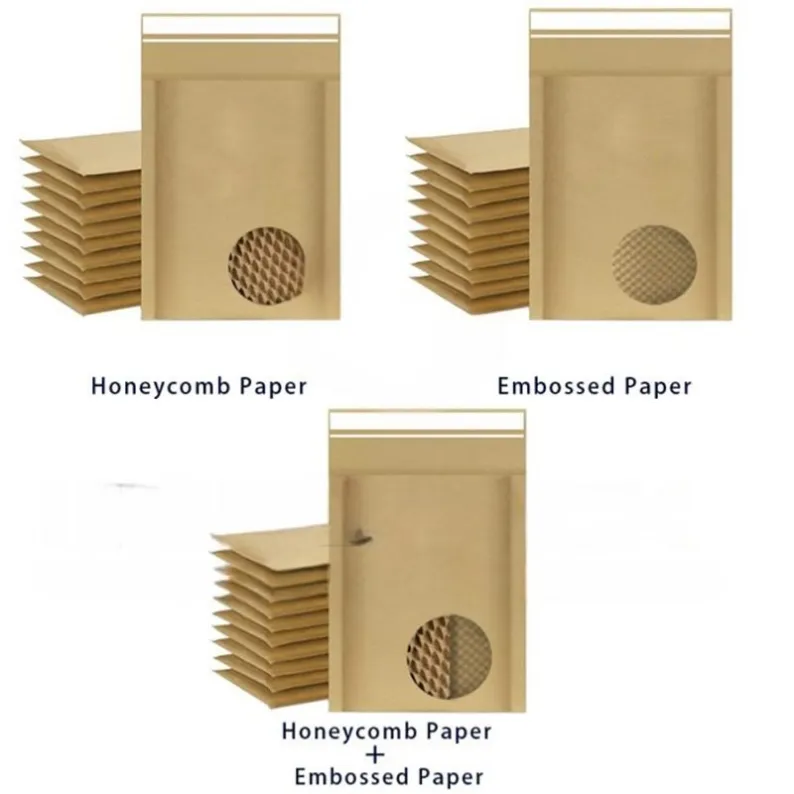
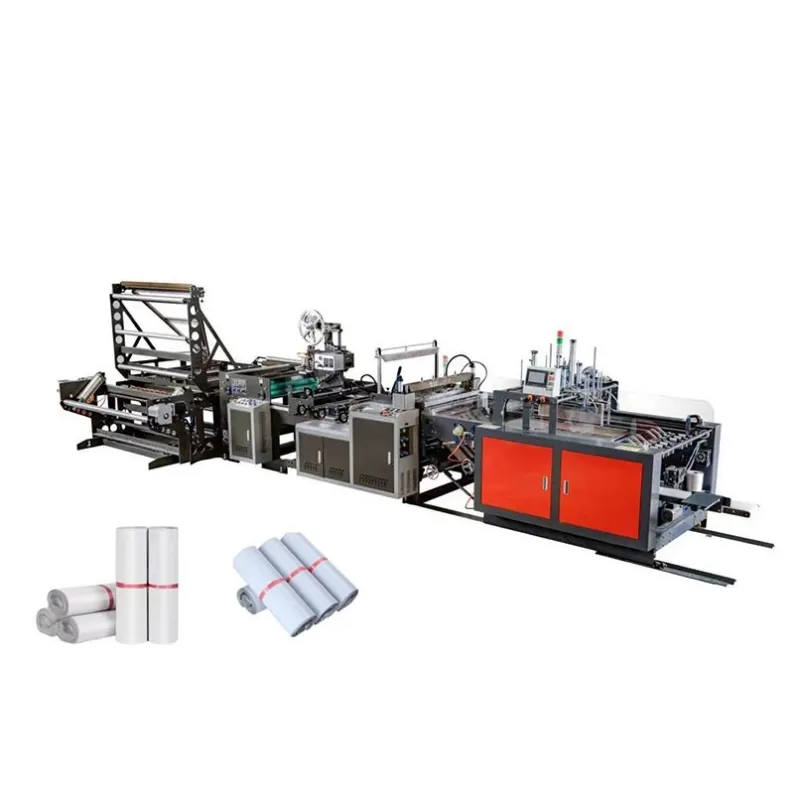
Paper mailers in several sizes — the same cutting, folding and gluing steps produce bags, pouches and sacks.
For a buyer, the message is simple: the same production logic covers the whole range. If a line can cut, coat, fold and glue reliably, it can serve food, retail and industrial customers from the same floor.
The Role of Paper Folding Machines in Packaging
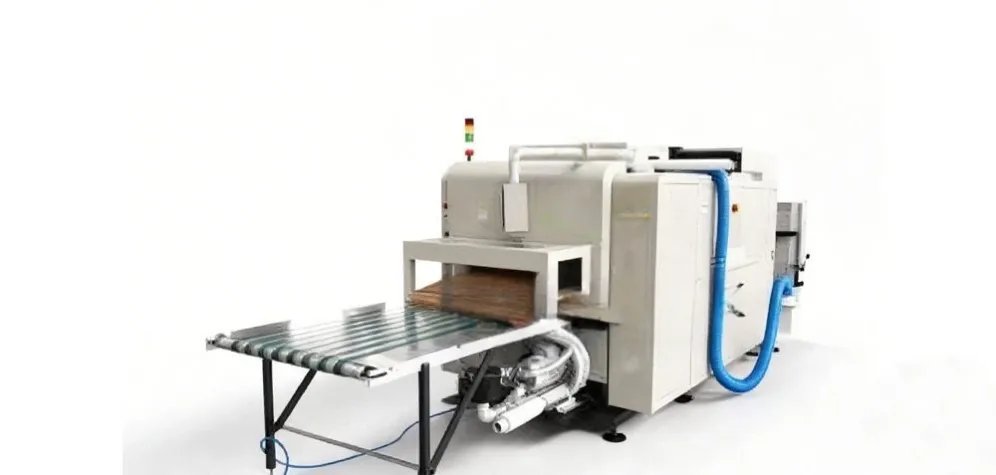
Efficient production of paper packaging would not be possible without modern automation. A paper folding machine is a critical tool that allows manufacturers to crease, fold and assemble paper with speed and precision. By automating these processes, businesses can dramatically reduce labor costs while achieving higher production output and consistent quality.
Advanced folding machines are designed to handle a wide variety of paper thicknesses and fold types, enabling the creation of everything from ream wrappers to cartons and sacks. They ensure that packaging is produced with accuracy and minimal waste, making them indispensable in high-demand industries — and they are the reason a paper packaging line can switch between formats without rebuilding the line.
Before You Buy: What to Check
Use these four checks when you compare machines — they come straight from the formats above.
- Match the machine to your formats: reams, cartons and sacks need different handling — confirm the machine covers the formats you actually run.
- Confirm the thickness and fold range: ask which paper thicknesses and fold types the machine handles, from light ream wrappers to heavy multiwall sacks.
- Check coating compatibility: if you run PLA- or PE-coated grades for food contact, confirm the line handles coated stock cleanly.
- Trial it on your own products: run your own paper grades through the line and check fold accuracy, waste and output before you commit.
Frequently Asked Questions
How is paper packaged?
Large paper rolls are converted into specific shapes and sizes, coated where a barrier is needed, and assembled into bags, boxes, trays and ream wrappers by cutting, creasing, folding and gluing.
What paper is used for packaging?
Paperboard and corrugated fiberboard are the main choices, selected for strength, durability and barrier properties — including corrugated fiberboard, whiteboard and solid fiberboard for boxes and cartons.
Can paper packaging hold liquids?
Yes — paper coated with thin layers of PLA or polyethylene resists liquids, oils and fats, which is why it is used for coffee cups, salad bowls and soup containers.
Talk to Hangjia Machinery
If paper packaging is the core of your line, start with the machine that shapes it. Browse the Folding Machines range and the Mailer & Envelope Machines range, compare the models against your formats and daily volume, and then contact us with your paper grades, product formats and target throughput. Hangjia Machinery will help you specify a line that folds accurately, wastes little and keeps up with demand.