How Is Paper Packaging Made?
From pulp to finished mailers and boxes: how paper packaging is made, step by step, and the machinery that keeps each stage running smoothly.
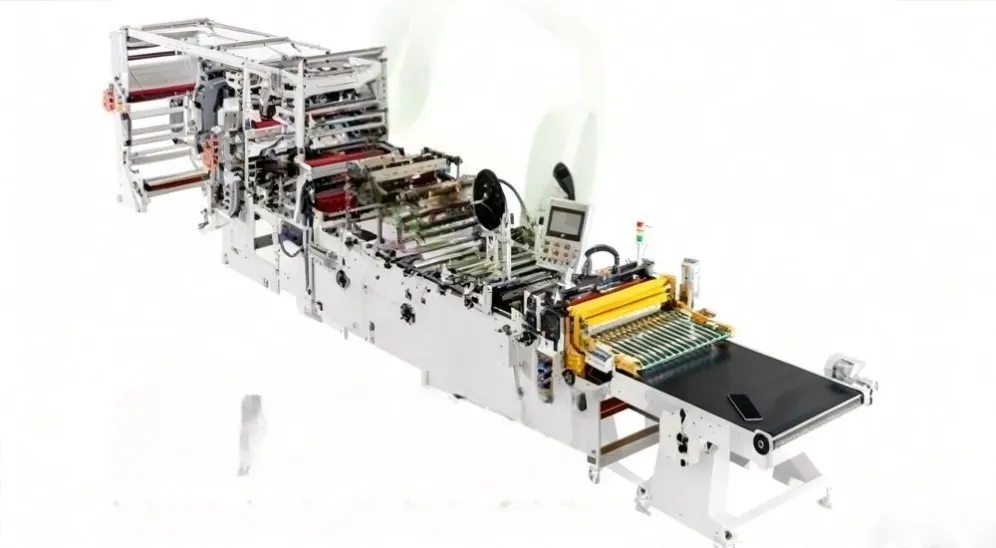
Paper packaging looks simple on the shelf, yet every box, bag and mailer is the result of a carefully sequenced industrial process. It starts with wood fibre or recycled paper, passes through high-speed forming and drying lines, and ends on conversion equipment that cuts, folds and glues the finished product. Understanding each stage explains why the right machinery matters so much, and where quality is won or llost.
Where It Starts: Pulping and Preparation
The journey begins in the pulper, where wood logs are debarked and chipped, or collected recycled paper is shredded and mixed with water. The result is a slurry of cellulose fibres, the raw material for every paper pack. Before it can be used, the pulp is cleaned to remove plastics, staples and metal fragments, then beaten and refined. Refining teases the fibres apart so they bond more strongly, giving the finished paper its strength, flexibility and smooth surface. Get this stage wrong and no amount of downstream tuning will rescue the pack.
Forming the Sheet
Forming turns the slurry into a continuous sheet. The pulp, still about 99% water, is spread evenly over a moving fine wire mesh known as a Fourdrinier wire. Water drains through the mesh, leaving a thin web of interlaced fibres. Vacuum suction boxes pull out more water, heavy press rollers compact the web and improve its density, and then the sheet travels over steam-heated cylinders that evaporate the remaining moisture. To finish, sizing agents such as starch or clay are added for strength and printability, and calendering, pressing the sheet between polished rollers, gives it a smooth, even surface. Modern forming lines control thickness and moisture automatically, so every roll leaves the line consistent.
Conversion: Rolls Become Packaging
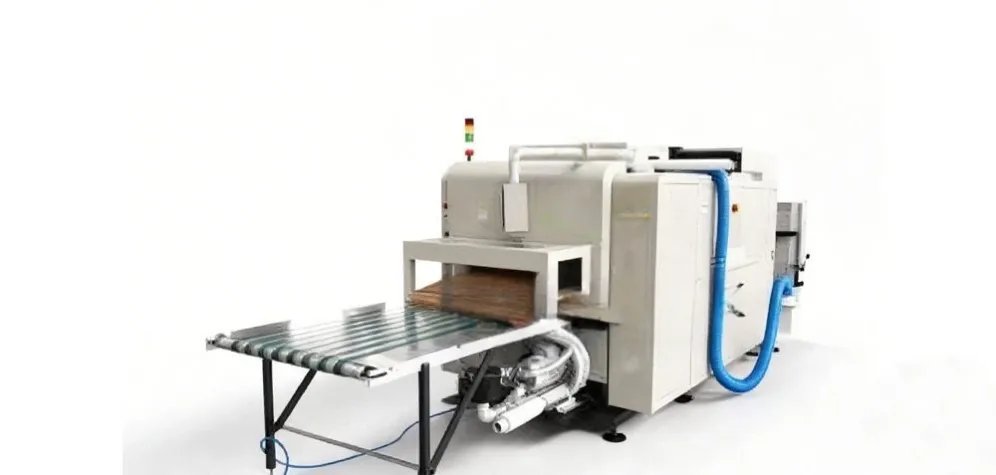
Finished paper leaves the mill as large rolls, and conversion is where those rolls become products. First, the paper is printed with branding, barcodes and product information, usually with eco-friendly inks. It is then cut into blanks sized to the final pack, folded into boxes, bags or cartons, and sealed with water-based or hot-melt adhesives. Paper bags and gift packaging may also have handles attached, twisted paper cords or flat paper strips fixed with adhesive, before a final sealing pass reinforces the edges. Every finished pack is checked for strength, shape and print accuracy, then counted, stacked and bundled for shipping. This is the stage where automation pays for itself: a well-tuned conversion line turns out thousands of identical packs an hour with very little waste.
Why the Process Matters
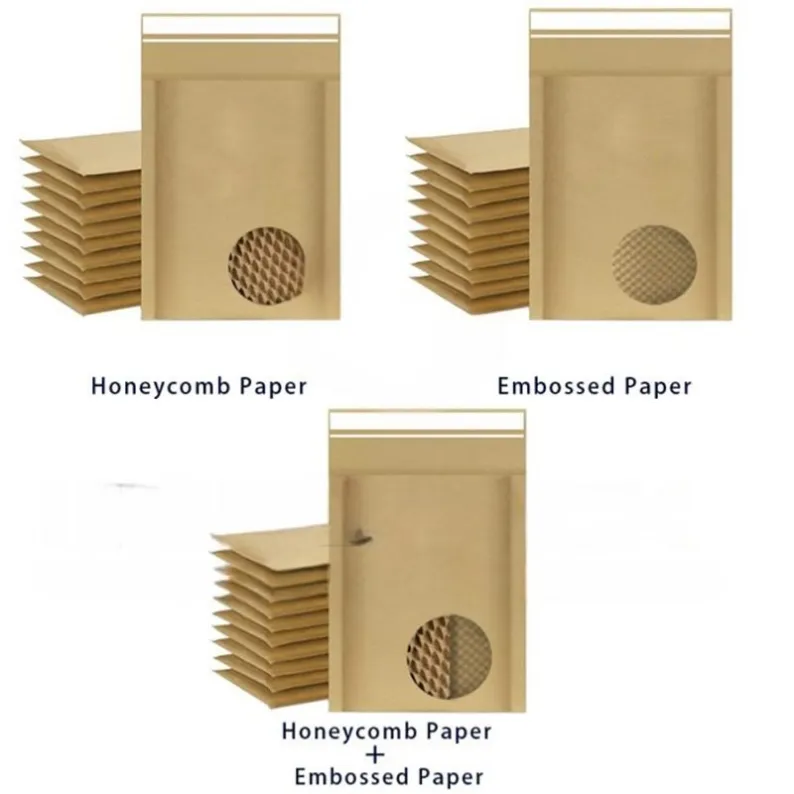
Paper packaging earns its place because it is both versatile and renewable. The same basic process produces boxes, bags, trays, tubes and envelopes for food delivery, cosmetics, apparel and electronics, and the finished packs are widely recyclable. For brands, that combination of protection, print quality and a smaller plastic footprint is hard to beat. But the benefits only hold if the line is consistent: uneven forming shows up as weak seals, and poor conversion shows up as damaged parcels and unhappy customers.
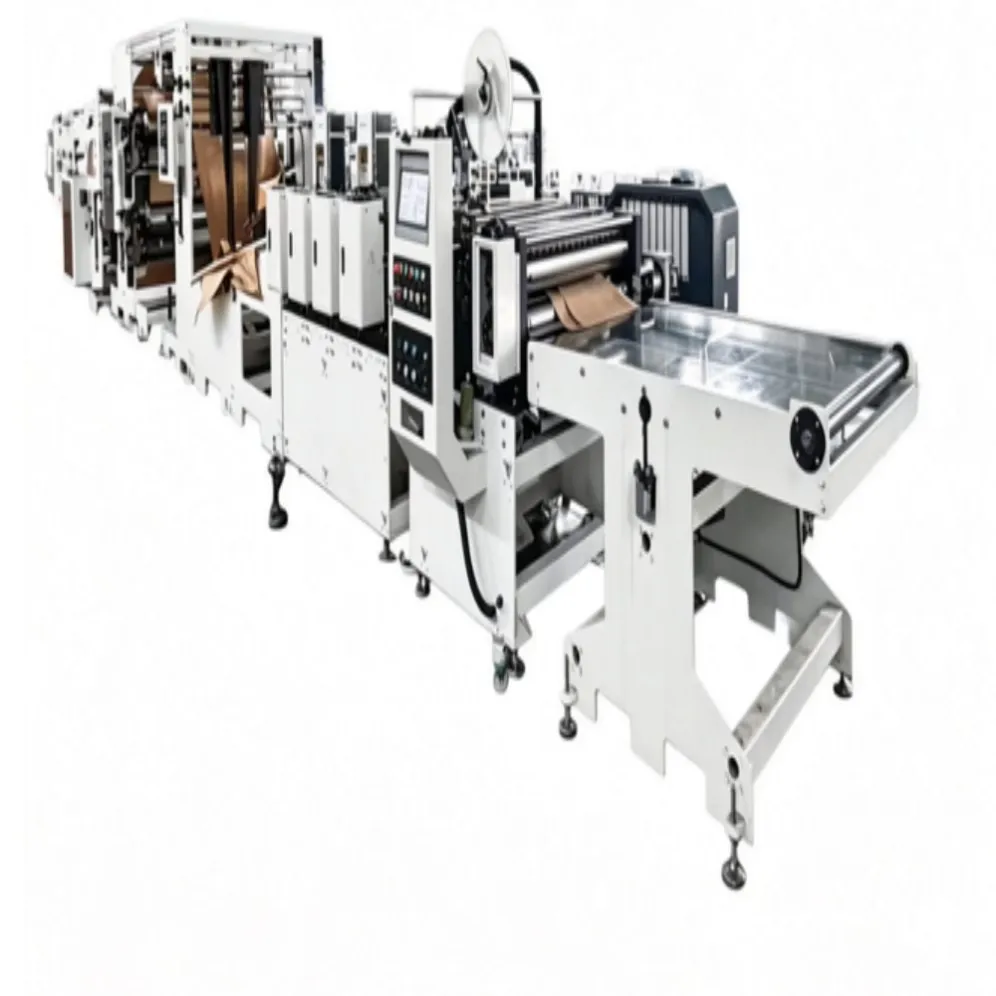
Hangjia Machinery and Modern Production
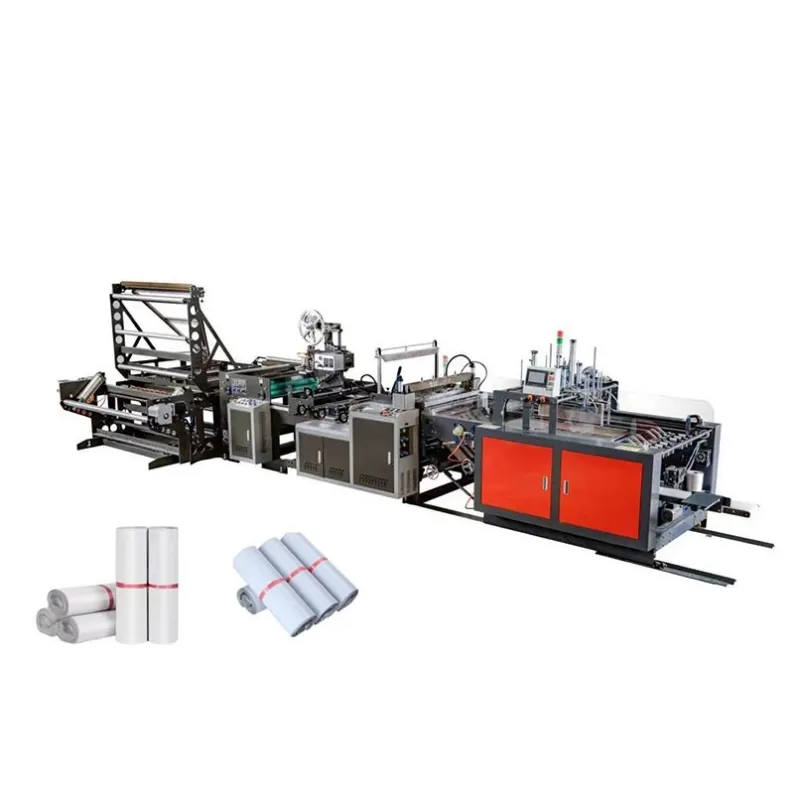
Hangjia Machinery builds paper packaging machinery that automates the whole conversion stage, from unwinding and cutting to folding, gluing and handle application, at industrial speed. Intelligent controls keep the line consistent, energy-efficient design keeps running costs down, and low waste output fits the sustainability standards buyers now have to meet. The result is durable, customisable paper packaging produced at the volumes e-commerce demands.
From pulp to parcel, paper packaging is a chain of small, precise steps, and the machinery behind it decides how strong that chain is. To see the equipment that handles the conversion stage, browse Hangjia Machinery's Mailer & Envelope Machines or contact us to discuss your products and volumes.