How Much Can Automation Reduce the Cost of Paper Packaging Production?
Automation cuts paper packaging cost mainly through labour, waste and speed — but only when volume is high enough. This guide explains where the savings come from and what to check before investing.
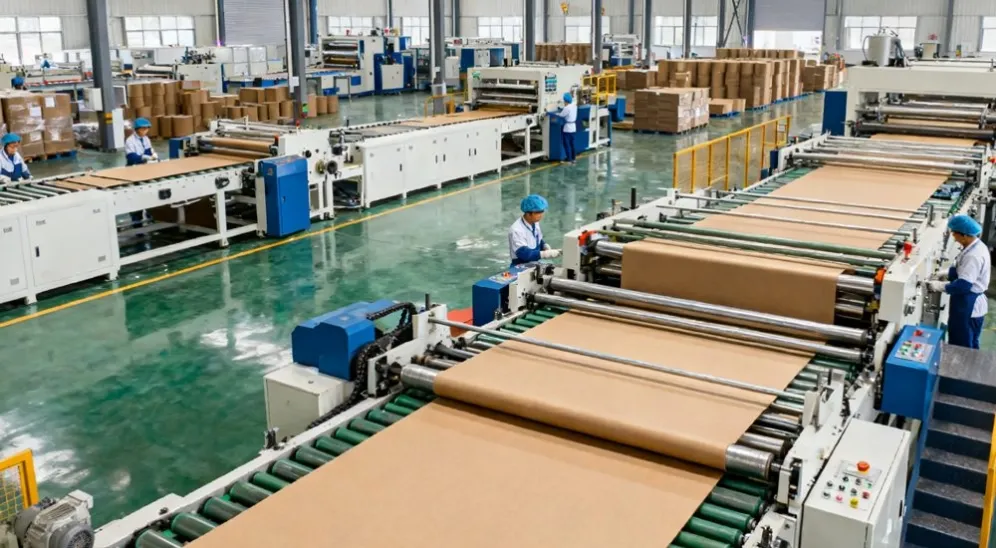
Automation can reduce the cost of paper packaging production, but the size of the saving depends on volume, labour cost and how much of the process is still manual. In high-volume production, faster output, lower labour per bag and less waste usually make automation pay back over time, while low-volume work may not justify the investment. The honest answer is therefore not a single percentage: automation changes the cost per bag, and whether that change is large enough depends on the orders already on the books, the hours the line runs, and how much rework and scrap the current process produces.
Labour: Fewer Hands per Bag
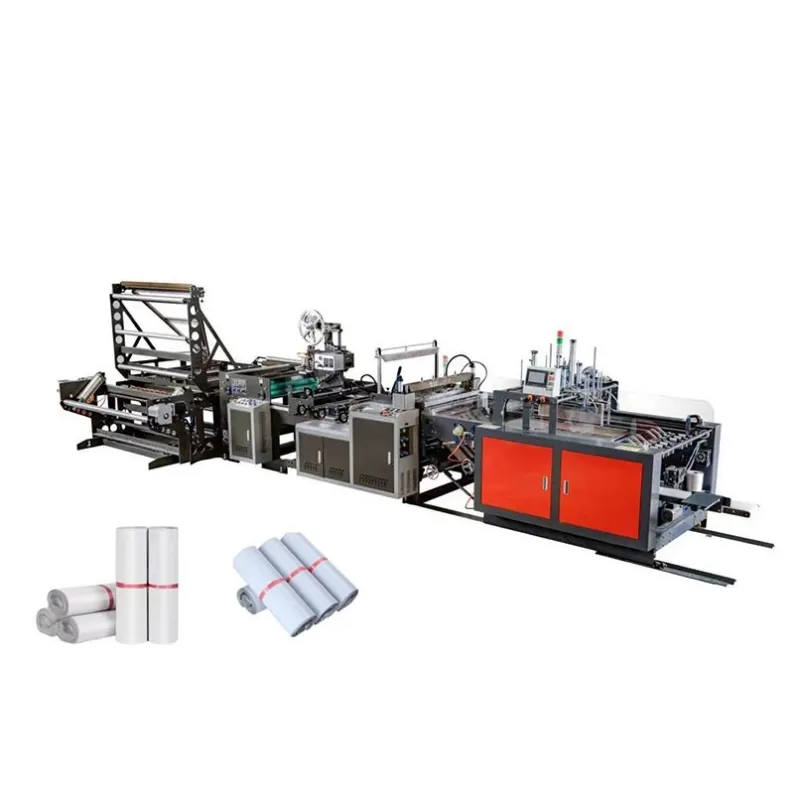
Manual packaging work is labour-intensive. Workers feed paper, fold, seal, check and stack bags by hand, so output rises only when more people are added, and every shift carries the same labour cost whether orders are steady or not. Automation replaces the most repetitive of these steps with a machine that feeds, forms, seals and cuts at a steady pace, so fewer operators are needed for the same output and the labour cost of each bag falls.
The saving is not simply headcount. One operator can monitor a line, top up paper rolls and check quality instead of performing every fold and seal, which also reduces fatigue and the variation that comes with hand work. Over a long production run, that steadier pace matters: output does not slow at the end of a shift, and a line that runs the same way every hour is easier to plan around.
Less Waste and Rework
A second saving comes from material. Hand feeding and hand folding make paper use uneven: some bags use more paper than needed, folds are not always in the same place, and a bag that is sealed badly has to be thrown away. An automated line measures and cuts paper to the same size every time, holds the fold in the same position and seals at a controlled temperature, so fewer bags are wasted and more of the paper that is bought becomes a finished bag.
Consistency also cuts the hidden cost of rework. When seals fail, folds are crooked or bags are the wrong size, staff must sort, remake or discard finished work, and the paper and time in those bags is lost. A machine that repeats the same settings from the first bag to the last keeps the defect rate low, so the line spends its time making saleable bags instead of fixing mistakes. For a buyer, the practical test is not the machine's top speed but the share of bags that pass inspection at normal running speed, with the buyer's own paper, over a full shift.
Speed, Uptime and Stable Output
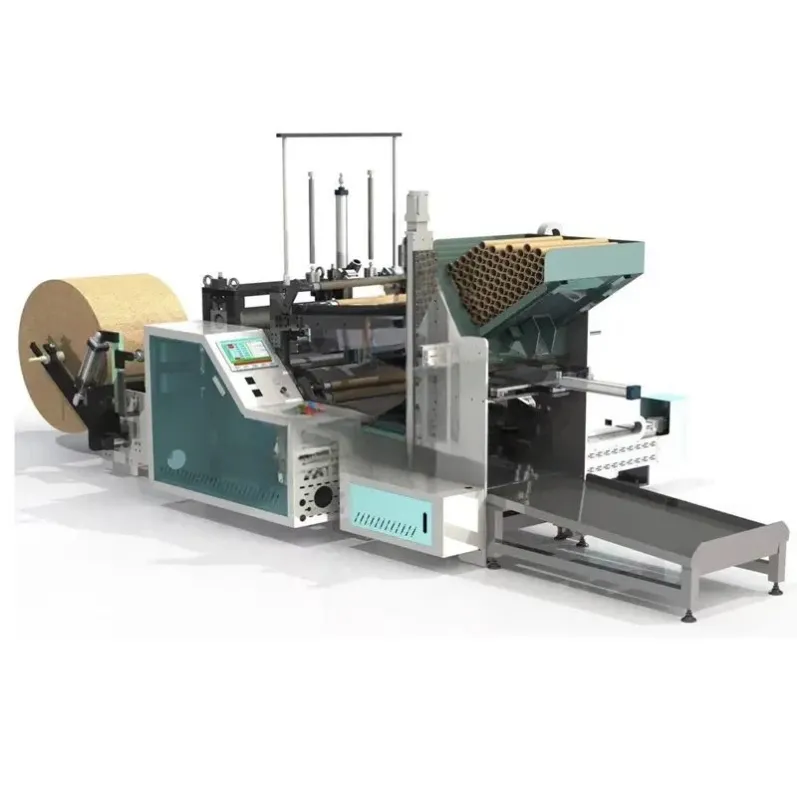
A third saving is speed and continuity. A manual line stops when workers take breaks, change shifts or tire, while an automated line keeps the same pace for as long as paper is supplied and the settings are right. That continuity raises daily output without adding shifts, so fixed costs such as rent, supervision and administration are spread across more bags and the cost of each bag falls.
That is why uptime and stability deserve as much attention as the headline speed. A well-built machine with clear controls, reliable feeding and a stable seal holds its settings through a long run, so the first bag of the day and the last bag of the day look the same. Buyers should ask how the machine handles a paper roll change, how long a size change takes, and what happens when the paper is slightly different from the last batch. A machine that is quick to set up and forgiving of normal paper variation protects output in real production, not just in a demonstration.
The Honeycomb Mailer Example
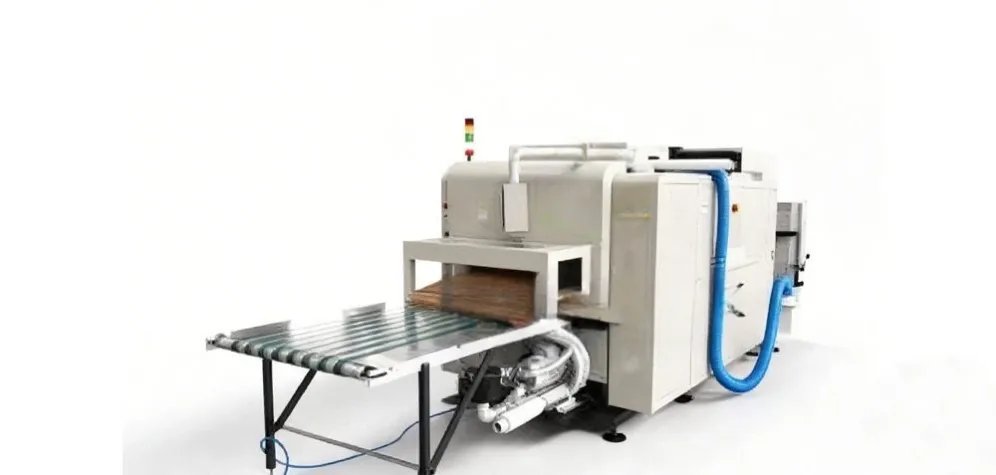
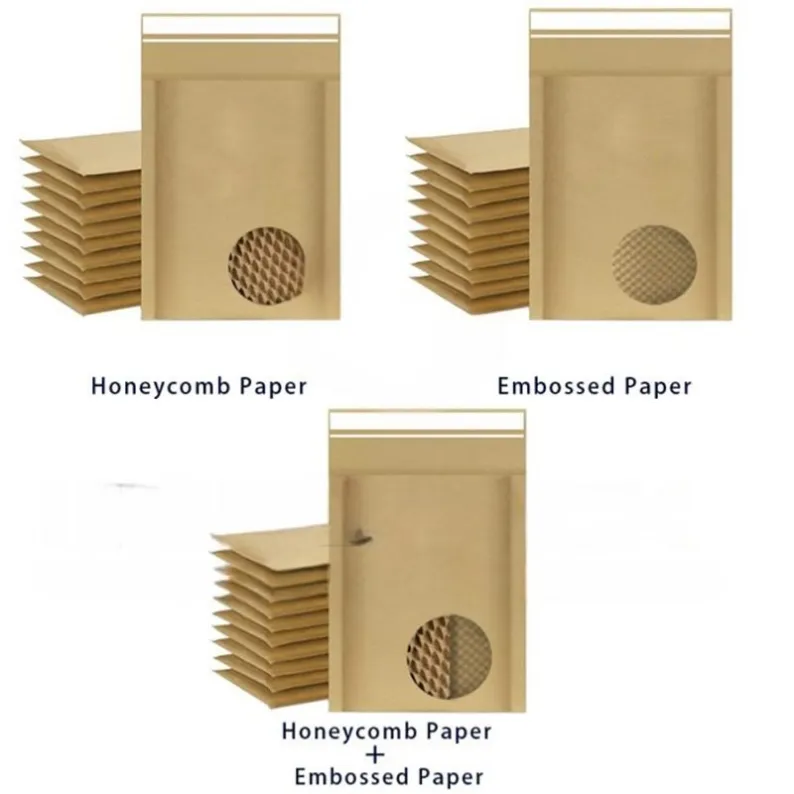
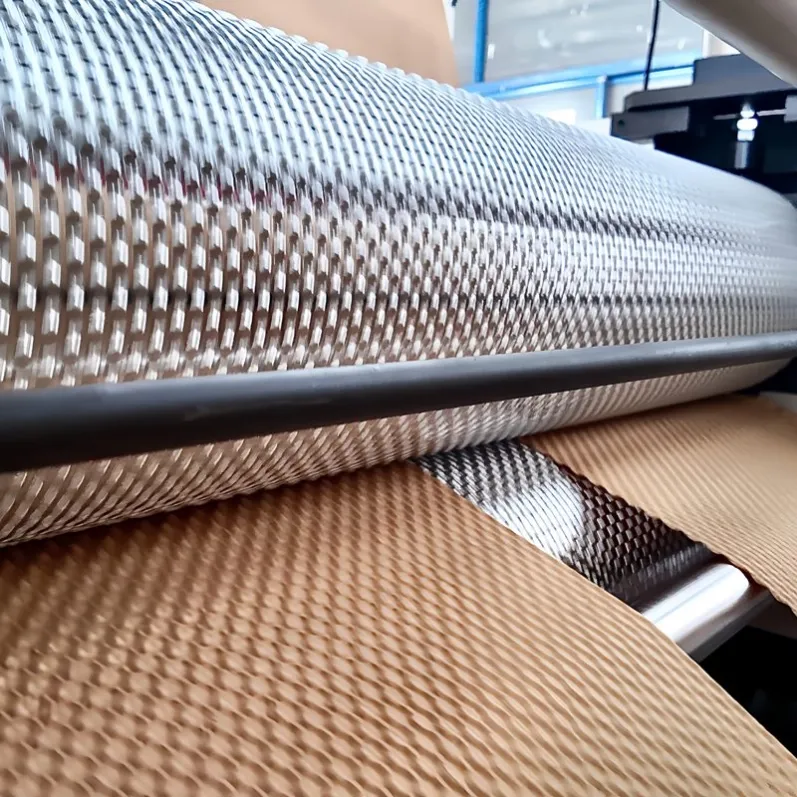
Honeycomb paper mailers show how these savings work together. A honeycomb mailer machine produces bags that combine a corrugated cardboard exterior with honeycomb paper cushioning, so the finished mailer is both protective and made from paper that can be recycled. When the required quantity is large, producing this type of mailer on an automated line is more cost-effective than making it by hand: the more bags the line produces, the lower the cost of each bag, because the same labour, setup and supervision is spread across a larger output.
When Automation May Not Pay Back
Automation is not the right answer for every operation. If monthly volume is low, the machine will stand idle for much of the time, and the cost of the equipment, its installation and its maintenance will be spread across too few bags to bring the unit cost down. The same is true when orders are small, varied and constantly changing: a line that must be reset for every short run spends more time being adjusted than producing, and the savings in labour are eaten up by setup time. In those cases, a simpler or semi-automatic setup, or outsourcing the bags, may be the cheaper choice until volume grows.
The other cost to weigh is the machine itself. Purchase price is only the start: installation, training, spare parts, maintenance and the paper the machine needs all add to the total cost, and a machine that is bought for its lowest price but is hard to maintain can be expensive over its working life. A realistic comparison therefore looks at the total cost per bag over a year or more, including the bags that are wasted during setup and learning, rather than at the machine's price alone. If that calculation still shows a clear saving at the volume the business actually produces, automation is worth pursuing; if it only works at a volume the business does not have, it is worth waiting.
A Practical Check Before You Invest
Before investing, work through five checks with real figures from the current operation. First, the monthly volume of bags that must be produced, now and over the next year, because the whole case depends on it. Second, the labour cost of each bag today, including feeding, folding, sealing, checking and stacking. Third, the share of paper and finished bags lost to waste, bad seals and rework. Fourth, the hours the line can realistically run each day, including roll changes, cleaning and maintenance. And fifth, what the supplier provides after the sale: installation, training, spare parts and service, because a machine without support costs more in downtime than it saves in labour.
If your volume is growing and manual packing is becoming the bottleneck, talk to HJ Machinery about an automated line for your bag type. Browse our honeycomb paper machines to see the range, then contact us with your bag size, paper and monthly volume, and we will help you work out whether automation will pay back for your operation.