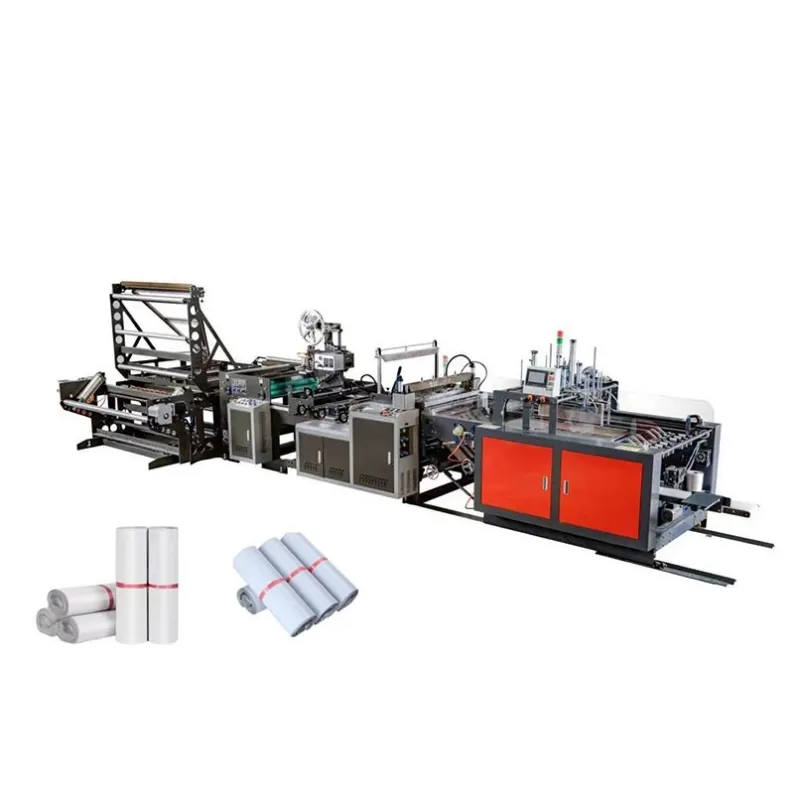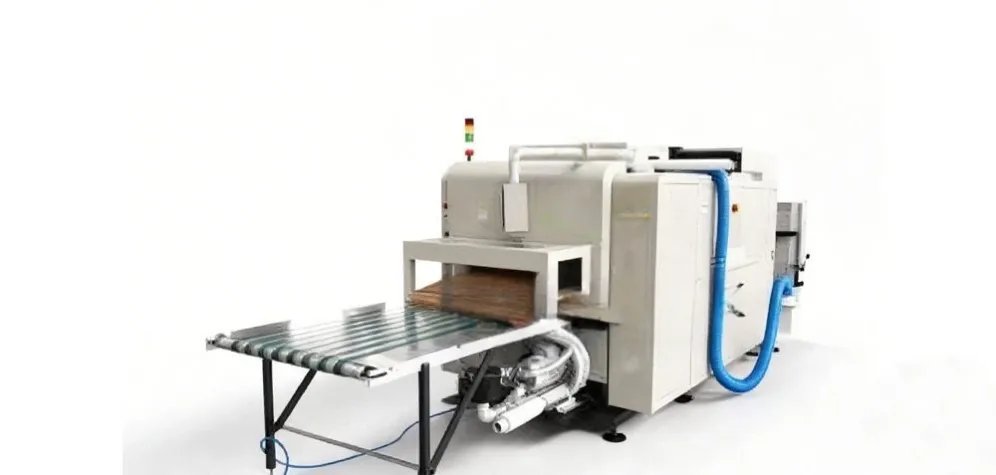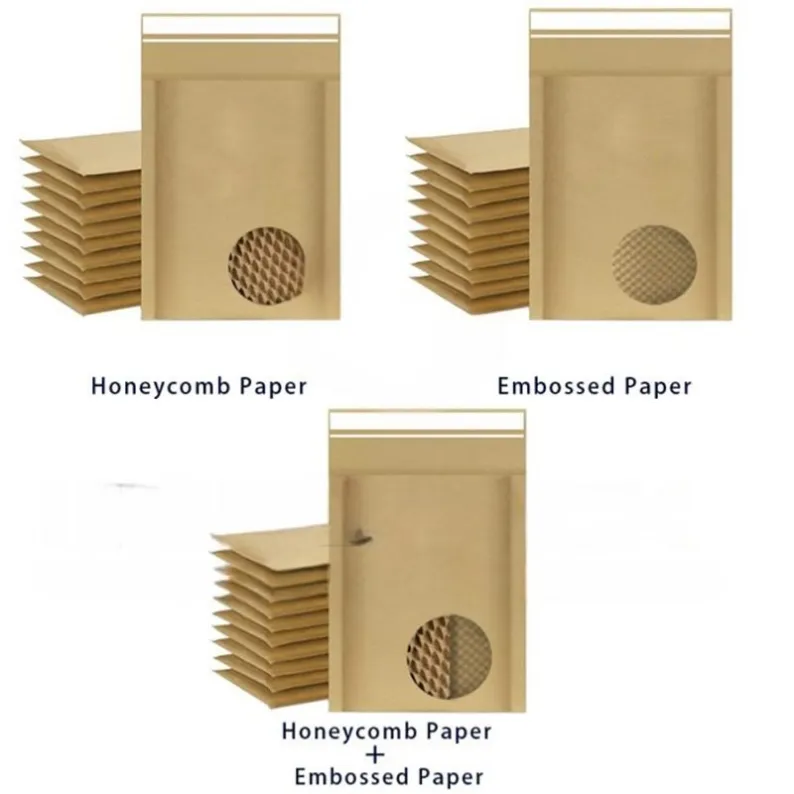
How Paper Air Pillow Making Machines Are Redefining Green Logistics
Paper air pillows give e-commerce and 3PL shippers a recyclable, on-demand cushion that cuts plastic use and freight cost. This guide covers how the machines work, running costs and choosing one.
Paper air pillow making machines let a packing station produce recyclable kraft-paper cushions on demand, instead of buying and storing pre-made plastic fill. They suit e-commerce sellers, third-party logistics providers and any shipper that wants to cut plastic packaging without slowing the packing line. If most of your cartons carry light to medium-weight goods and your customers ask for plastic-free packaging, this is one of the fastest equipment changes you can make.
What a Paper Air Pillow Machine Actually Does
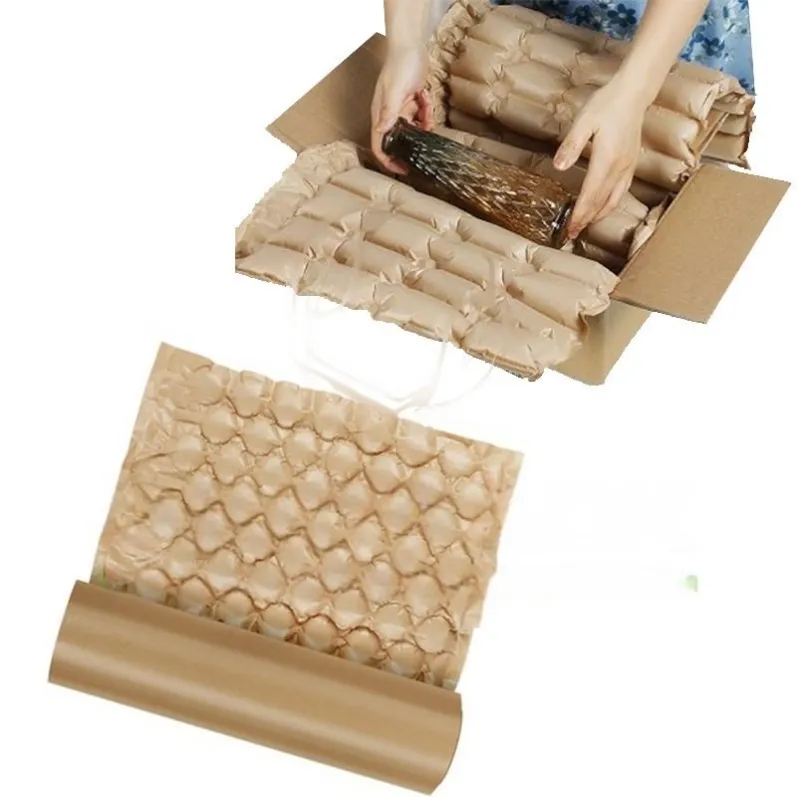
A paper air pillow machine takes a roll of kraft paper, folds and seals it into a chain of air-filled pillows, and cuts the chain to the length the packer needs. The pillows come out at the packing station, so the packer fills the empty space in each carton as it is packed — no pre-inflated stock, no waiting for a central machine, and no half-empty boxes travelling to the customer. The same line can usually produce paper cushions, void fill and wrapping, which covers most of the protective jobs that plastic bubble wrap and plastic air pillows used to do.
The reason this matters for a buying decision is simple: protection stops being a stock item and becomes a process. You buy paper rolls, not finished cushions, and the machine turns them into protection only when a carton needs it. That changes how much warehouse space you need, how much packaging you throw away, and how fast a new packer can be trained.
Why the Green Argument Holds Up in Practice
Kraft paper is 100% recyclable through normal paper recycling, and most paper air pillows are also biodegradable and compostable, so the cushion can go into the same recycling stream as the carton. That is a practical advantage, not just a marketing line: customers can dispose of the whole parcel in one stream, and shippers in markets with plastic packaging taxes or single-use plastic rules can reduce the plastic they declare and pay for.
The green case also shows up in the warehouse. Paper arrives as compact rolls, so a few rolls replace pallets of pre-made plastic fill and free up floor space. Because the pillows are made on demand, there is less obsolete stock when a product line changes size, and less packaging is wasted. For a business that reports on sustainability, the switch is easy to measure — plastic fill purchased per thousand cartons falls, and the paper that replaces it is a material customers already recognise as recyclable.
What It Costs to Run — and Where the Savings Come From
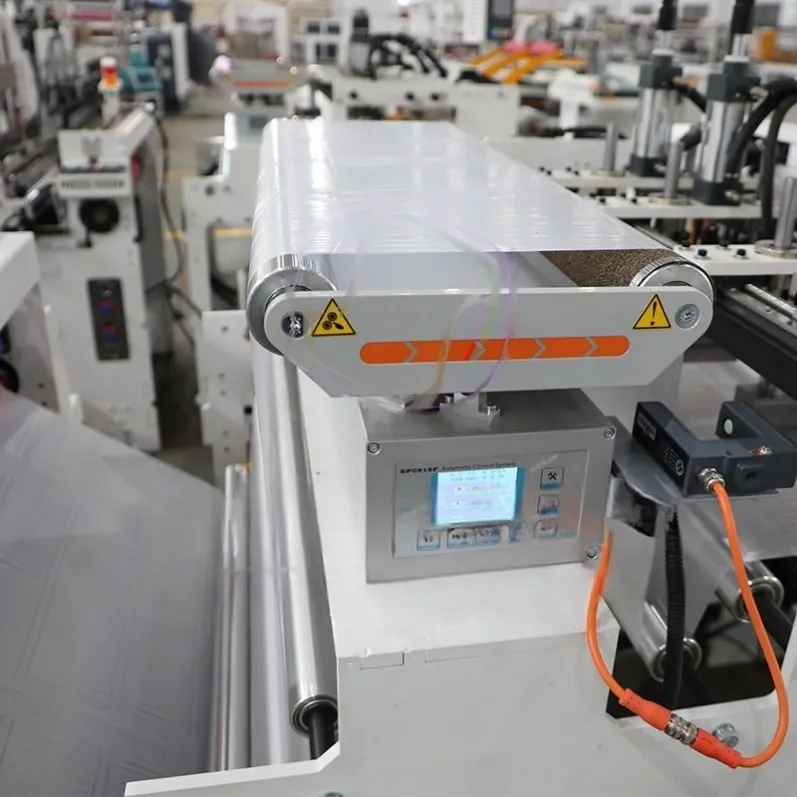
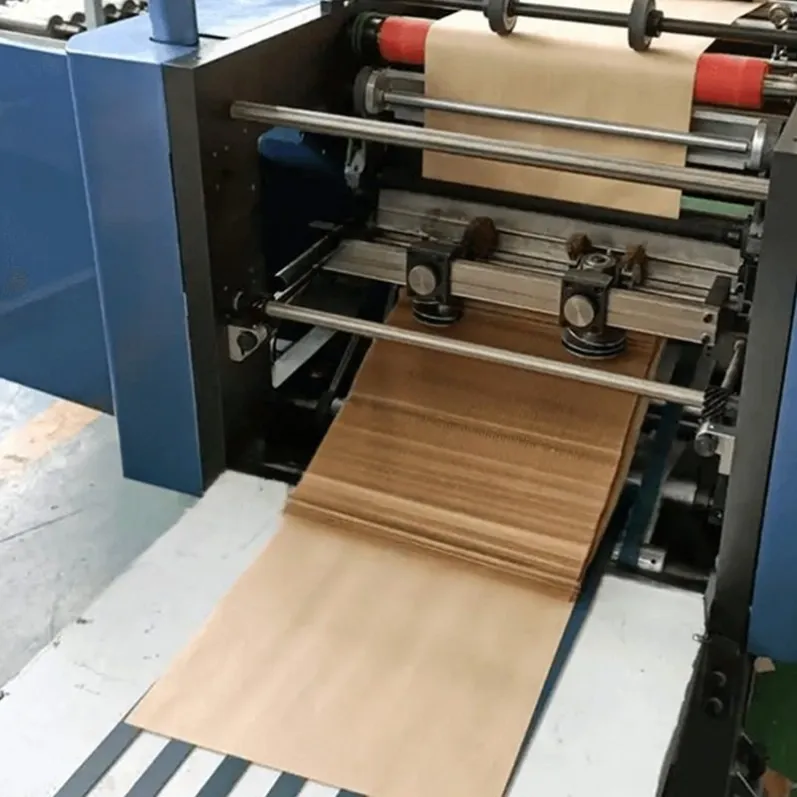
The running cost of a paper air pillow machine comes down to three things: kraft paper per carton, labour at the packing station, and the machine itself. Paper rolls are a commodity purchase, and because each pillow is made to the size the carton needs, packers use less material than they would with a fixed-size plastic cushion. Automation also keeps labour down: a modern machine controls tension, sealing temperature and cut length, so output stays consistent from one operator to the next.
Freight is the quieter saving. Paper pillows are light, and the source data for this guide reports that switching to paper cushions can cut dimensional weight charges by up to 15%, because a carton filled with paper is lighter and packs more efficiently than one filled with plastic. One e-commerce operation that moved to paper pillows reported 19% fewer damaged products and 30% faster sorting, while a 3PL provider reported 12% freight savings and a 22% rise in customer satisfaction after the change. Treat those as case results rather than guarantees, and ask any supplier to show results from operations like yours — but the direction is consistent: less damage, less freight, and a packing line that moves faster.
How to Choose the Right Machine
Start with your own numbers before you look at models. Count cartons per shift, the range of carton sizes, and the weight of the goods inside them, because those three figures decide the pillow sizes and the output speed you need. Then check the practical points:
- Pillow range: can one machine make the small cushions for a mailer and the large void fill for a big carton, or will you need two setups?
- Paper handling: does it run the kraft paper weight you plan to buy, and does it handle a roll change without stopping the line for long?
- Controls: a touch panel with stored settings shortens training and keeps every shift producing the same pillow.
- Footprint and integration: will it sit at the packing bench, or does it need to feed a conveyor? Measure the bench before you order.
- Support: spare parts, a service contact and a warranty that covers the sealing and cutting parts that wear first.
If a supplier cannot test the machine with your cartons and your products, keep looking — a short trial tells you more than a brochure.
What to Watch Before You Switch
Paper cushions are strong for their weight, but they are not the answer for every product. Very heavy items, sharp edges and goods that puncture easily still need stronger protection, so keep a second material for those lines rather than forcing paper to do a job it cannot. Paper also dislikes damp storage, so keep rolls dry and away from wet floors.
Train packers on fill density as well. Overfilling wastes paper and pushes up your cost per carton; underfilling leaves the product moving in the box. A one-page packing standard with a photo of a correctly filled carton is usually enough. Finally, check the recycling rules in your customers' markets so the claim on your packaging matches what their local recycling actually accepts.
A Clear Next Step
If paper cushions look right for your volume, the next step is to compare machines against your carton sizes and daily throughput rather than against a generic specification sheet. Browse Hangjia Machinery's Air Cushion Machines to see the range, then contact us with your carton sizes, products and cartons per day — we will help you work out which setup fits and what it would cost to run.