How to Choose the Right Paper GSM for Padded Mailer Production
For most padded mailer production, 80–100 GSM kraft paper is the practical starting point. This guide explains when to choose lighter or heavier paper for your parcels.
For most padded mailer production, 80–100 GSM kraft paper is the practical starting point. This guide explains when to choose lighter or heavier paper for your parcels. The right choice depends on product weight and fragility, the cushioning layer, and how the mailer will be handled in transit.
What GSM means, and why it matters
GSM — grams per square metre — is the weight of one square metre of paper.
A higher GSM means a heavier, usually stiffer sheet. In a padded mailer that normally translates into better puncture and tear resistance, a firmer feel in the hand, and a surface that holds up better to handling, stacking and repeated sorting. It also means more material per mailer, a heavier finished parcel, and in many cases a higher paper cost — which is why the heaviest paper is not automatically the best choice.
GSM is only one part of the specification. The source material matters too: kraft paper is the usual choice for padded mailers because its long fibres give it good strength for its weight. Paper weight is also often discussed alongside burst strength, stiffness and tearing resistance, so a GSM figure on its own does not tell the whole story. When you compare offers from different suppliers, ask for the GSM together with the paper's strength data, and judge the combination — not the GSM number alone.
The GSM range at a glance
There is no single correct GSM for every padded mailer. The ranges below are the usual starting points used in the trade, and each one fits a different kind of product and shipment. Use them to narrow the choice, then confirm it with a trial run on your own products.
- 60–80 GSM: light items, small goods and low-value products where the mailer mainly needs to contain the product and carry a label. Choose this range when shipping costs matter most and the product itself is not easily damaged.
- 80–100 GSM: the most common choice for everyday e-commerce parcels. It is the range to start from if you are unsure — strong enough for regular handling and sorting, and still economical in material and postage.
- 100–120 GSM: heavier or more fragile products, and any mailer that needs better puncture and tear resistance. This is also the range to consider when parcels are handled roughly or pass through several sorting stages.
- 120–150 GSM: books, hardware, fragile goods and premium products where protection matters more than saving a little paper. Expect a stiffer mailer, a more premium feel, and a higher paper cost per unit.
- 150 GSM and above: irregular, sharp-edged or especially heavy items, and long-distance or export shipments where the mailer faces the longest and roughest journey.
Match the paper to the product, not the other way round
Start from what goes inside the mailer. A light, soft product in a small mailer puts little stress on the paper, so a lower GSM is usually enough. A heavier product pulls harder on the seams and the base of the mailer every time the parcel is picked up, dropped or stacked, so the paper has to work harder. Sharp corners and edges add another risk: they press against the paper from the inside and can wear through a light sheet, especially on a long journey. Size matters as well — a large mailer has longer unsupported panels that flex more in handling than a small, tightly packed one.
Fragility is the other half of the decision. A product that would survive a fall on its own needs the mailer mainly for containment and presentation, while a product that cracks, bends or scratches easily needs the whole mailer — paper and cushioning together — to absorb the journey. Before you fix a GSM, write down the heaviest and most fragile product the mailer has to carry, not the average one. If one paper grade has to cover a mixed product range, choose for the demanding end of the range: the cost of a slightly heavier mailer is usually far smaller than the cost of a damaged shipment and a replacement.
The cushioning layer changes the answer
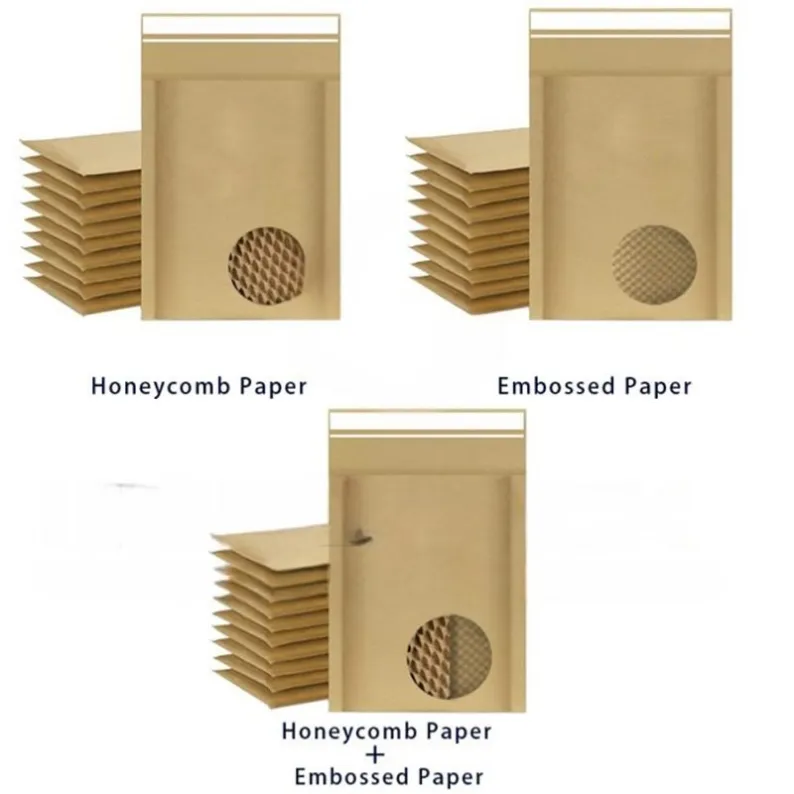
A padded mailer is a system, not a single sheet of paper. The cushioning inside — honeycomb paper, embossed paper or a bubble layer — does much of the protective work, and the outer paper does the containing and sealing. That balance matters when you choose GSM: a thicker, more protective cushion can let you use a lighter outer paper, while a thin cushion puts more of the job on the outer sheet and may call for a heavier grade. Look at the total structure, not at one layer in isolation.
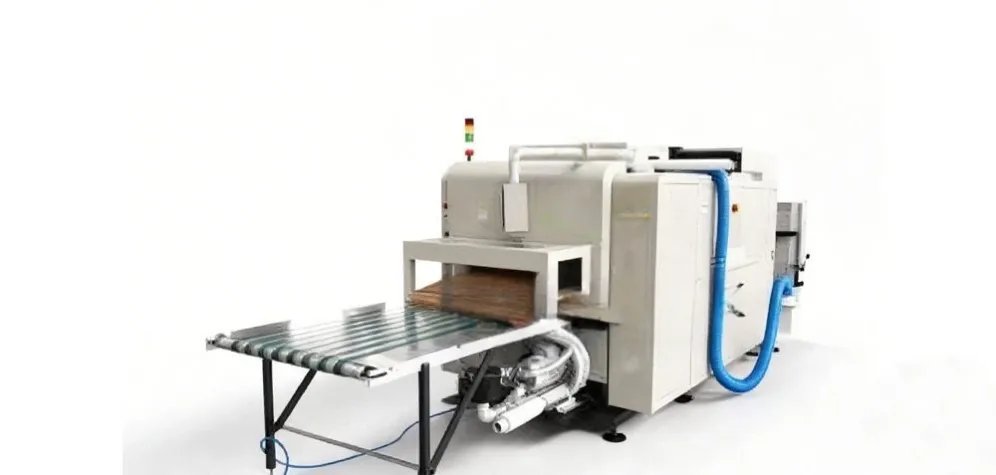
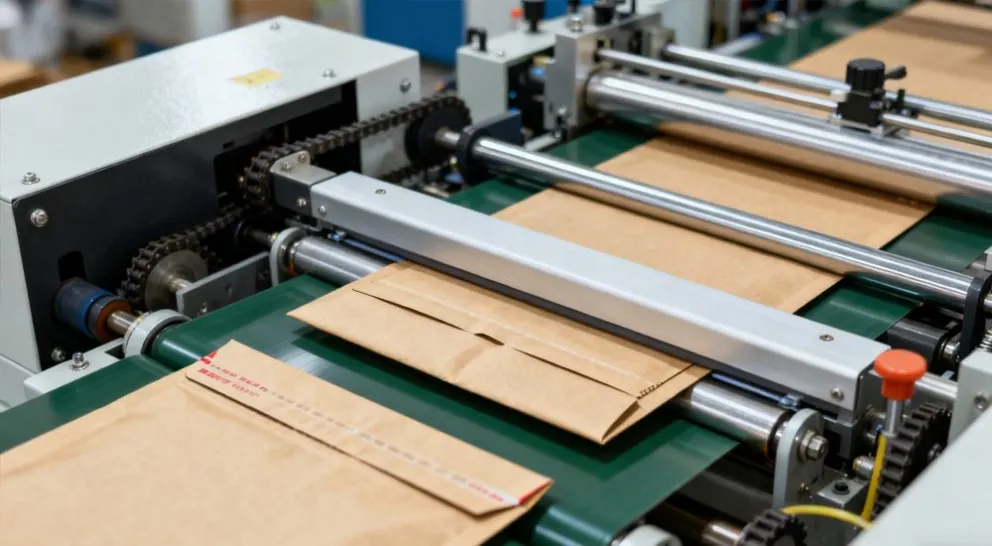
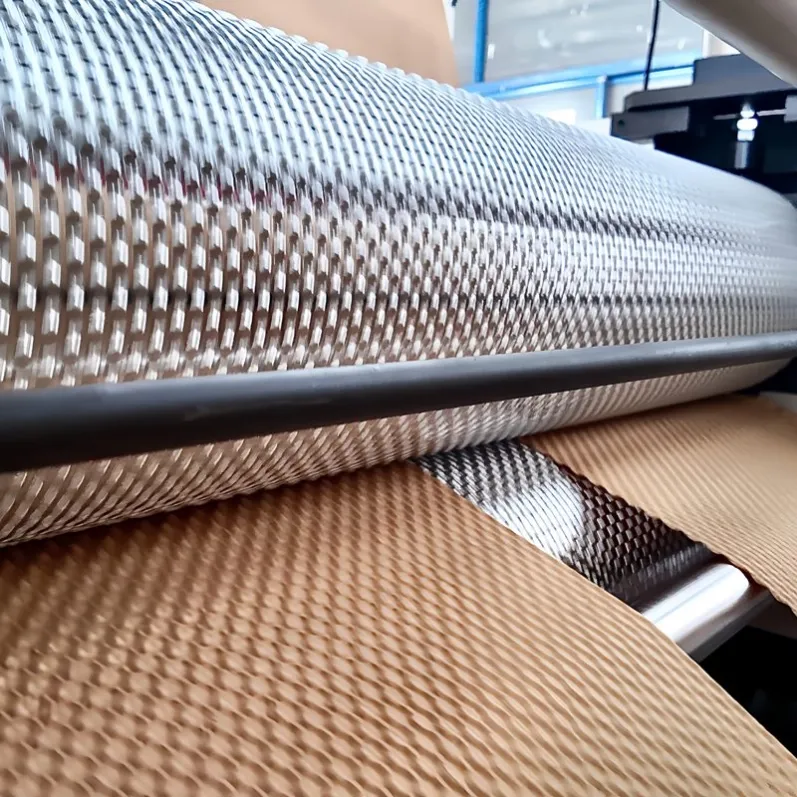
The cushioning choice also affects how the mailer behaves on the machine. Honeycomb and embossed papers add bulk and texture that the forming and sealing sections have to handle, and the combination of outer paper and cushioning determines the thickness that passes through the folding and sealing units. When you trial a new specification, trial the complete combination — outer paper, cushioning and adhesive — rather than testing the paper on its own. A combination that runs cleanly and seals reliably at production speed is worth more than a theoretically stronger paper that jams or seals poorly.
How to test before you commit
Do not choose a GSM from a data sheet alone. Ask your paper supplier for samples in two or three neighbouring grades, make a small batch of mailers with your real products inside, and put them through the journey they will actually face: drop them, stack them, open and close them, and check the seals and the print after handling.
Use a short checklist when you compare the trials:
- The mailer survives handling and stacking without tearing or bursting at the seams.
- The flap seal stays closed and the base seam holds under the product's weight.
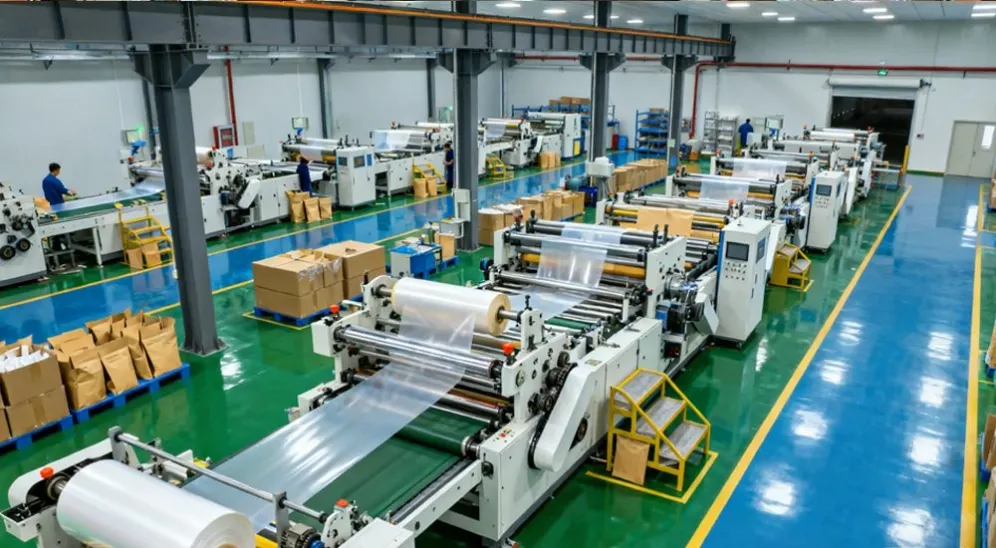
- The paper feeds, folds and seals cleanly on the machine at production speed.
- The print stays legible and the mailer still looks presentable on arrival.
- The total cost per mailer, including paper, cushioning and postage, stays within your target.
If one grade passes all five checks, it is the right grade for that product — even if a heavier paper looks safer on paper.
The bottom line
For most padded mailer production, 80–100 GSM kraft paper is the right place to start. Move down the range for light, low-value goods and up the range for heavier, fragile or sharp-edged products and long-distance shipments — and always confirm the choice with the cushioning layer and a trial run on your own products.
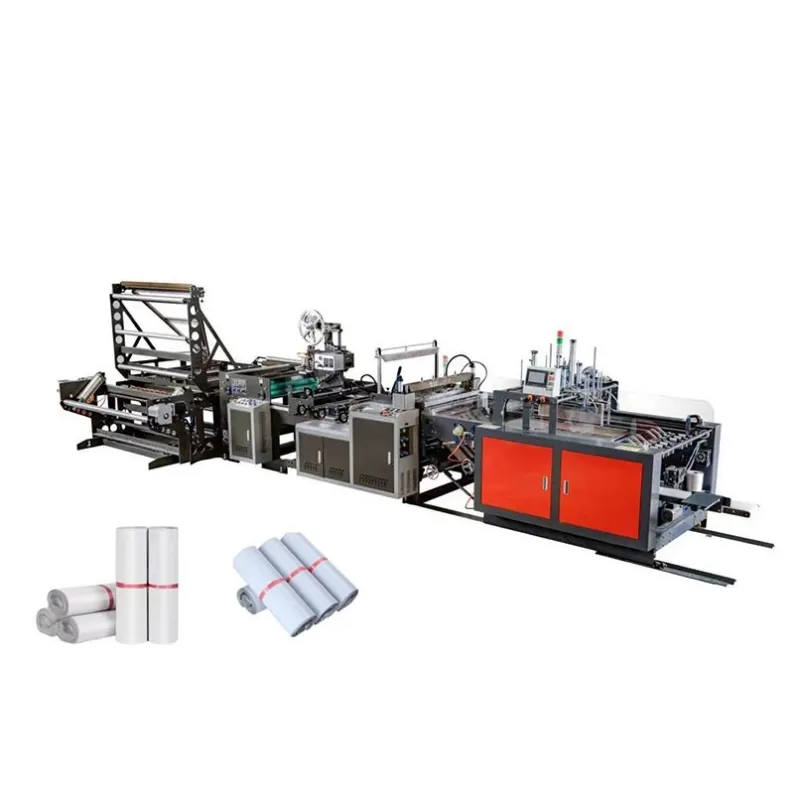
If you are setting up padded mailer production, HJ Machinery can help you test your paper and cushioning combination on the machine before you commit. Browse our paper mailer and envelope machines or contact us with your product, volume and target mailer size and we will help you work out the right specification.