How to Protect Products During Shipping
The right carton, cushioning that stops movement and a seal that survives handling prevent most shipping damage. This guide works through each decision in order, with a checklist you can use today.
Protecting products during shipping comes down to three decisions: the right outer carton, cushioning that stops the product moving, and a seal that survives handling. Get those three right and most damage claims disappear — the rest is labelling and choosing materials your customers can recycle. This guide works through the decisions in the order you make them, so you can check your own packing line against each one.
Start With the Outer Carton
The carton is your first line of defence, and it is also the cheapest place to fix most damage. A single-wall corrugated box is fine for light, non-fragile goods, but heavier or fragile products need double-wall board that will not crush when other parcels are stacked on top. Use a new box rather than a reused one when the product is valuable — a box that has already been through one journey has already lost some of its strength.
Size matters as much as strength. The box should fit the product snugly, with just enough room for cushioning and no room for the product to slide around. An oversized box invites damage and wastes void fill; an undersized box leaves no room for protection at all. If the product can move inside the carton, it will — usually at the exact moment the parcel is dropped.
Choose Cushioning That Fits the Product
Cushioning absorbs shock and stops movement, and poor cushioning is behind around a quarter of packaging damage. The right choice depends on the product's weight, fragility and value:
- Bubble wrap: a reliable all-rounder for fragile and light items, and for wrapping individual pieces.
- Air pillows: fast void fill for light goods; they fill empty space quickly at the packing bench.
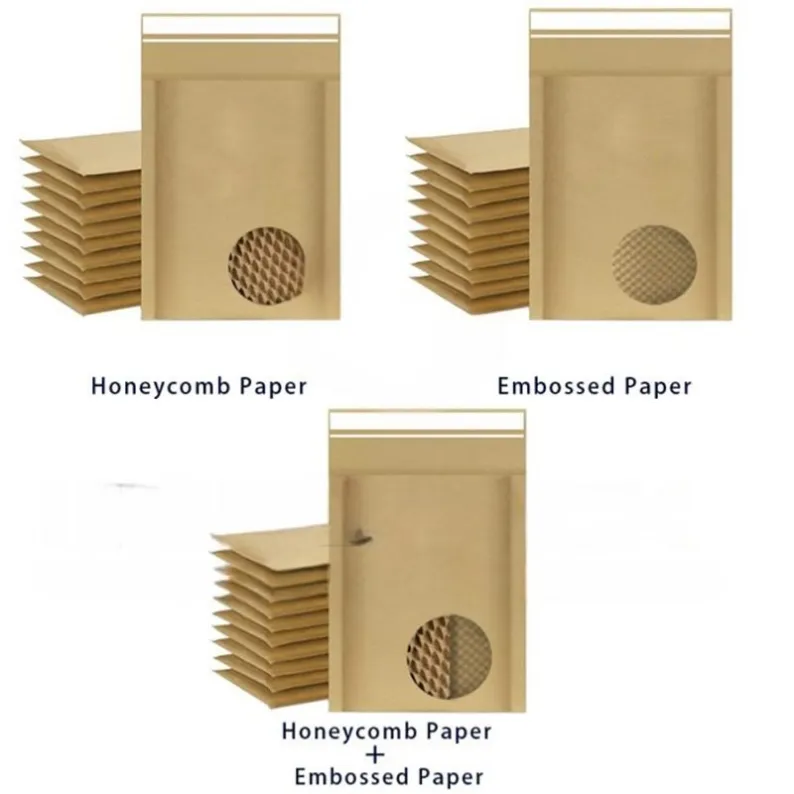
- Paper cushioning: kraft paper pads and void fill for businesses moving away from plastic, and for wrapping as well as filling.
- Foam inserts: the choice for heavy or high-value items that need a custom fit.
- Crinkle paper: light, decorative fill for gift and retail parcels.
- Custom inserts: moulded or die-cut inserts for electronics and other shaped products.
- Corrugated dividers: simple, strong separation for bottles, jars and multi-packs.
Match the material to the risk. A ceramic vase needs wrapping and void fill; a boxed electronic device needs an insert that holds it still. When in doubt, protect the corners and edges first — that is where most impact damage starts.
Seal It So It Survives Handling
A well-packed box with a weak seal will still arrive open. Seal every seam with high-quality packing tape, using the H-taping method — one strip down the centre seam and one across each end — so the box cannot burst open if it is dropped or stacked. Cheap tape and a single centre strip are a false economy: the cost of one lost or damaged parcel is far higher than the tape you saved.
Label It So Handlers Know
Clear labelling is cheap insurance. Mark fragile items clearly, show the correct orientation with This Way Up arrows, and keep the address label flat, legible and away from seams where it can tear. Labels do not replace good packing, but they do reduce the rough handling that good packing has to absorb.
Make It Sustainable Without Making It Weak
Sustainable packaging is no longer a nice extra — it is part of the buying decision for many customers. Kraft paper cushioning, paper tape and right-sized cartons cut plastic use without weakening the parcel, and most paper packaging can go straight into household recycling. That matters commercially as well as environmentally: most customers say they recycle packaging when they can, and a damaged delivery is one of the fastest ways to lose a repeat order, so protection and sustainability have to be solved together, not traded against each other.
A Packing Checklist You Can Use Today
Run through this sequence for every new product line:
- Measure the product and choose the smallest carton that leaves room for cushioning.
- Wrap the product, protecting corners and edges first.
- Place it in the carton and fill every void so nothing can move.
- Seal with the H-taping method and check the seal before the parcel leaves the bench.
- Label it clearly and weigh the finished parcel to confirm the carrier details are correct.
If a product fails a drop test at any step, change the cushioning before you change the carton — cushioning is usually the weak link.
A Clear Next Step
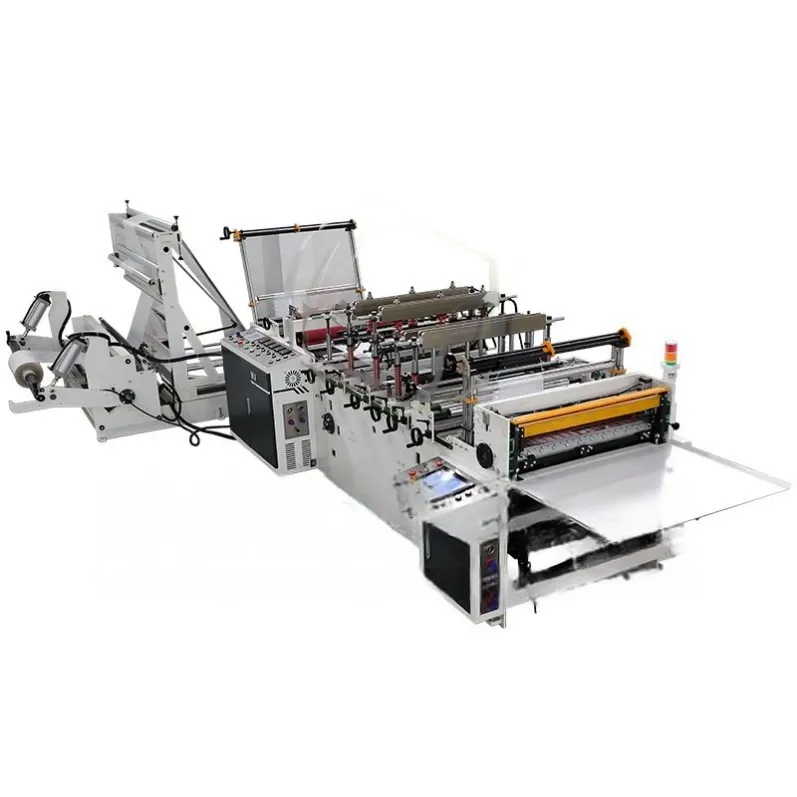
If you are still buying pre-made plastic fill or packing by habit, the quickest improvement is usually a machine that makes cushioning at the bench, sized to your cartons. Browse Hangjia Machinery's Air Cushion Machines to see the range, then contact us with the products you ship and the cartons you use — we will help you work out which cushioning setup fits and what it would cost to run.