How We Can Minimize Packaging Waste
Packaging waste is a global problem, but six practical steps can shrink it fast — for households and for the businesses that ship their orders.
Packaging waste has become a significant global concern, contributing to overflowing landfills and increasing environmental pollution. Yet with the right strategies and collective effort, both individuals and businesses can play a vital role in reducing packaging waste and promoting a more sustainable future. The six steps below work for households and for companies alike — and modern packaging machinery makes several of them far easier than they used to be.
1. Reduce Packaging Usage
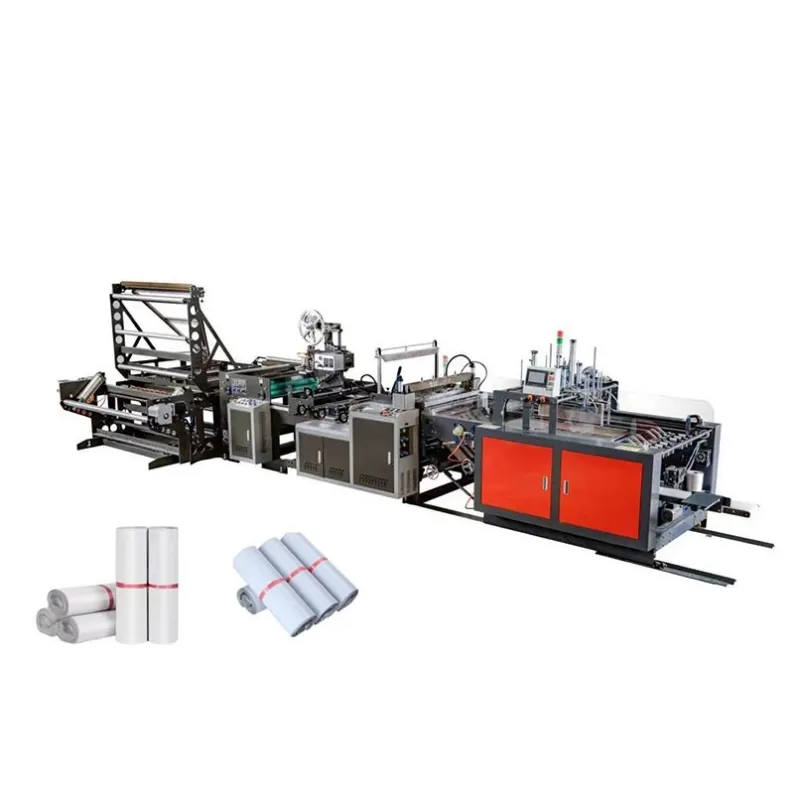
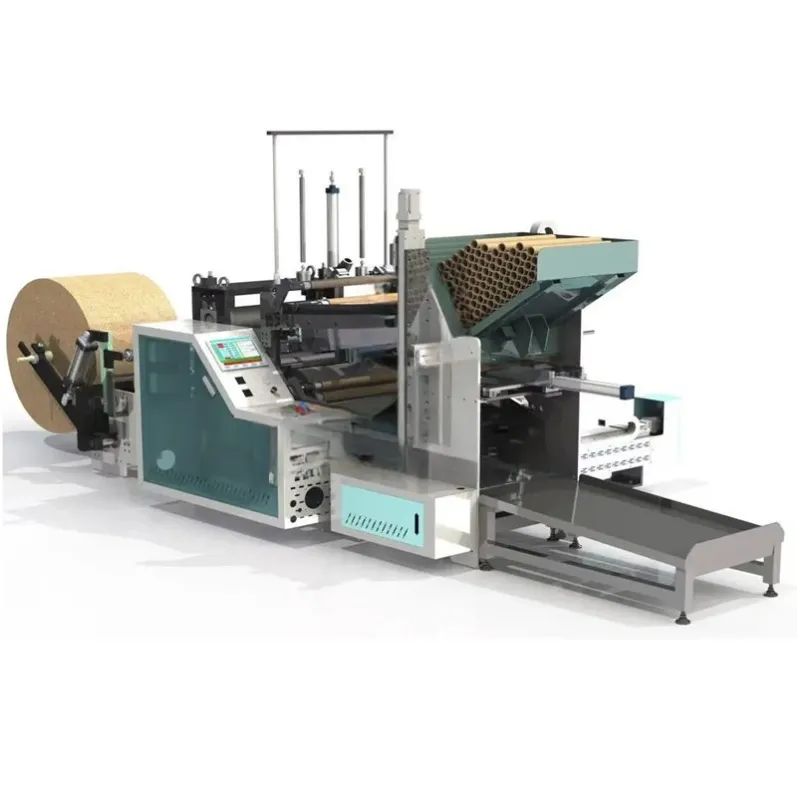
The simplest and most effective way to minimise waste is to use less packaging in the first place. Consumers can choose products with minimal or no excess packaging and buy in bulk to cut down on single-use containers. Businesses can go further: collaborate with suppliers to design packaging that uses fewer materials while still protecting the product, and right-size every parcel so that a small item never ships in an oversized box full of filler. Machines that form mailers and bags to order make right-sizing practical at scale — less material in, less waste out.
2. Reuse Packaging Materials
Instead of discarding packaging immediately, look for creative ways to reuse it. Cardboard boxes can be repurposed for storage, shipping or craft projects, while sturdy plastic containers can organise household items or serve as planters for herbs and flowers. In a warehouse, the same thinking applies: keep a reuse station for incoming cartons, dunnage and mailers, and reissue them for outbound orders where the condition allows. Reusing packaging extends its lifespan and reduces the demand for new materials — and every reuse is a purchase avoided.
3. Choose Eco-Friendly Packaging
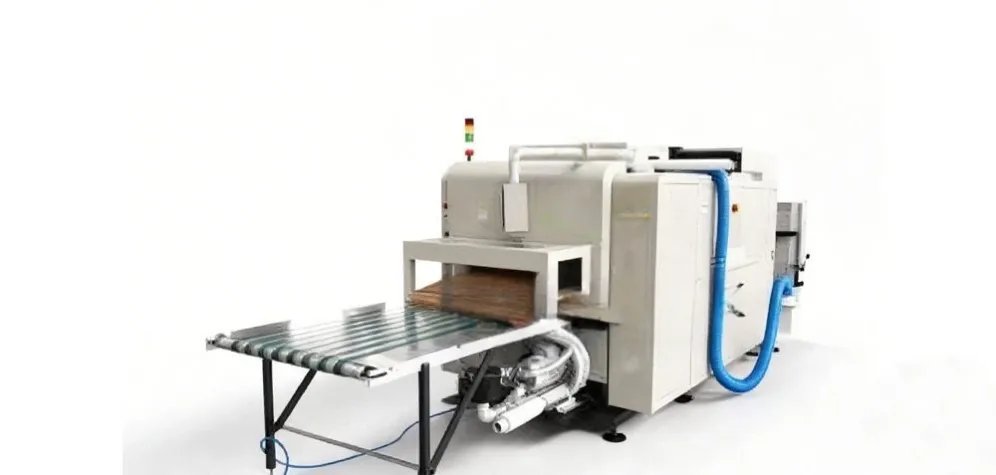
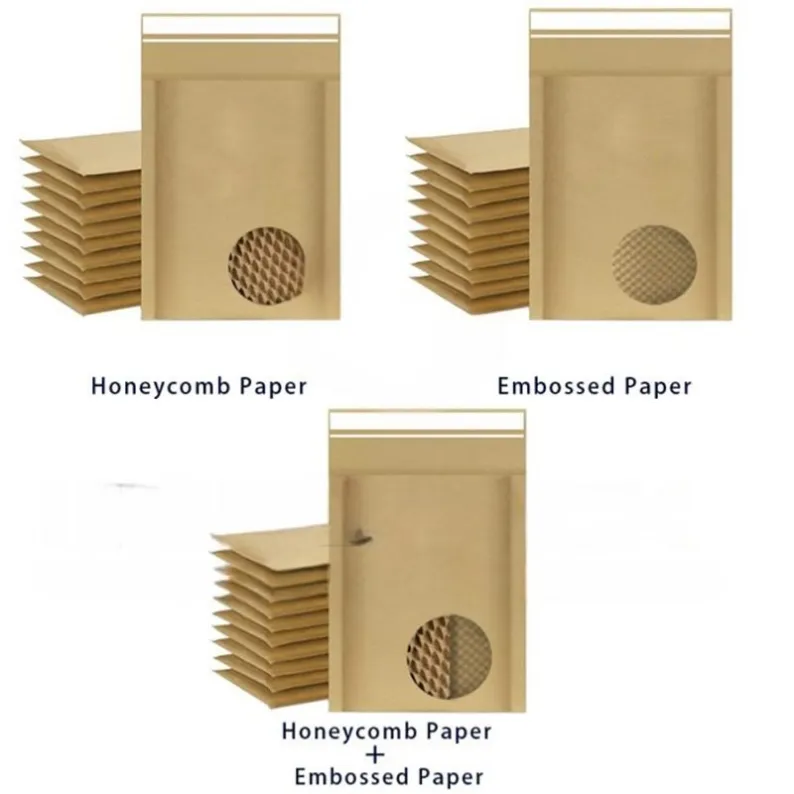
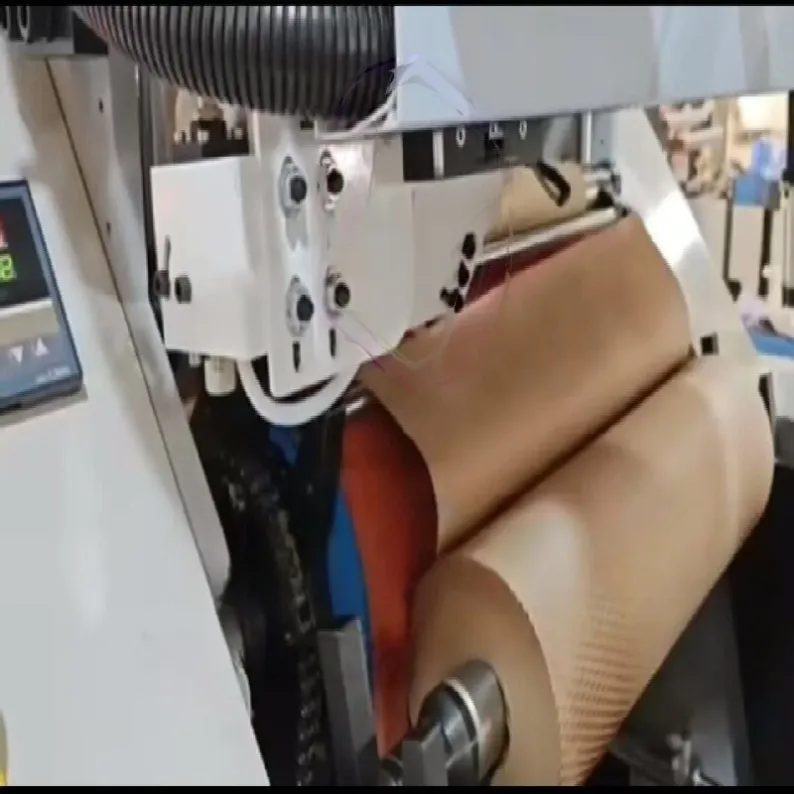
When packaging is necessary, the material choice makes a big difference. Biodegradable, compostable or recyclable options — such as paper-based materials, honeycomb packing paper and compostable mailers — are strong alternatives to plastic bubble wrap and poly mailers. Honeycomb paper, for example, expands into a cushioning web that protects fragile goods without any plastic, and paper mailers made on modern machines can replace poly mailers for apparel and soft goods. These eco-friendly materials decompose faster and can often be reintegrated into new products, reducing environmental strain. Switching materials is also where machinery matters: the same line that once ran plastic film can often run paper formats with the right tooling.
4. Compost Packaging Waste
Composting is an excellent way to manage organic packaging waste responsibly. Biodegradable bags, compostable containers and food packaging can go into a backyard compost bin or to a community composting facility. The process keeps waste out of landfills and produces nutrient-rich compost that benefits gardens and green spaces. The key is honest labelling: only packaging certified as compostable should be composted, and it should be kept separate from conventional plastics that would contaminate the batch.
5. Recycle Properly
Recycling remains one of the most important steps in minimising packaging waste. Cardboard, paper, glass and certain plastics can be recycled into new products, conserving natural resources and reducing demand for raw materials. But it only works when done correctly: packaging should be clean, dry and sorted properly to prevent contamination in recycling streams. A greasy pizza box or a mailer with a plastic window can spoil a whole bale, so checking local rules and keeping streams clean is part of the job — at home and in the warehouse.
6. Educate and Inspire Others
Awareness plays a key role in driving sustainable change. Encourage friends, family and colleagues to adopt responsible waste management habits. Share sustainability tips on social media, support brands that use green packaging, and advocate for companies to implement sustainable packaging practices. Small conversations can lead to big collective action — and when customers see a brand shipping in paper mailers instead of poly bags, the message travels with the parcel.
Minimising packaging waste is not just an environmental necessity — it is a shared responsibility. By reducing unnecessary packaging, reusing and composting materials, choosing eco-friendly alternatives, recycling correctly and inspiring others to act, we can significantly reduce our environmental footprint. Together, we can build a more sustainable world — one package at a time. To replace poly mailers with recyclable paper mailers, browse Hangjia Machinery's Mailer & Envelope Machines range, or contact us to discuss the switch for your products.