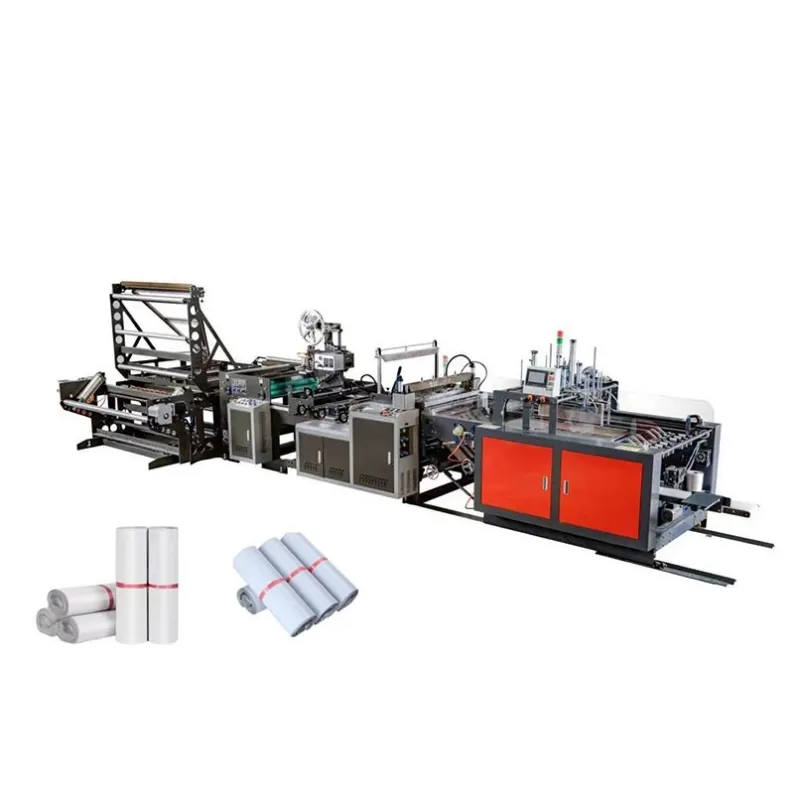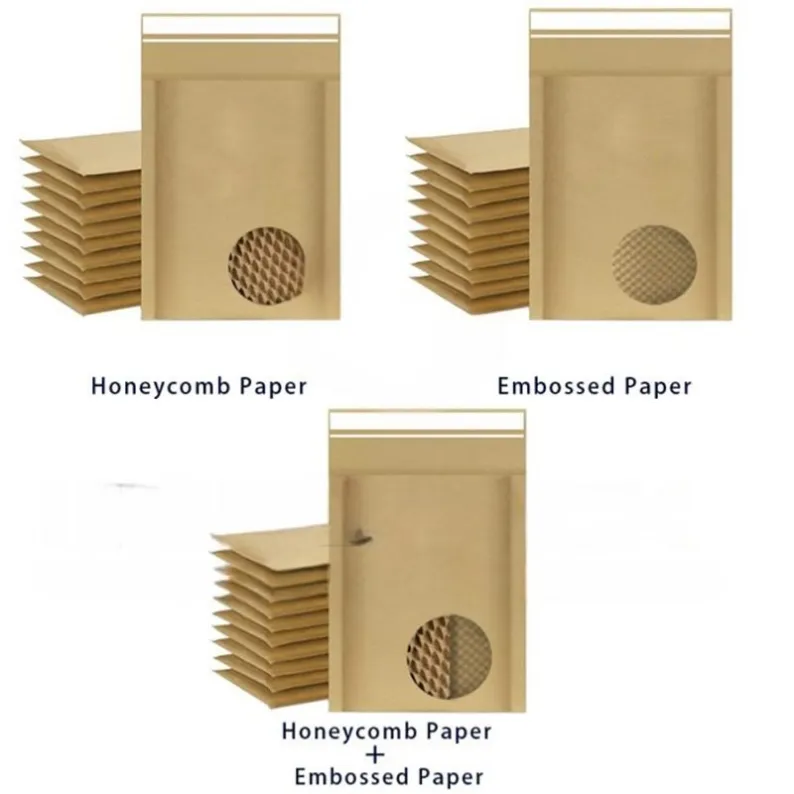
Industrial Folding Machine Systems: Speed & Durability
An industrial folding machine system pays for itself when crisp folds, right-sized packaging and clean audit logs matter at once. This guide compares fan-folded packs and paper folding.
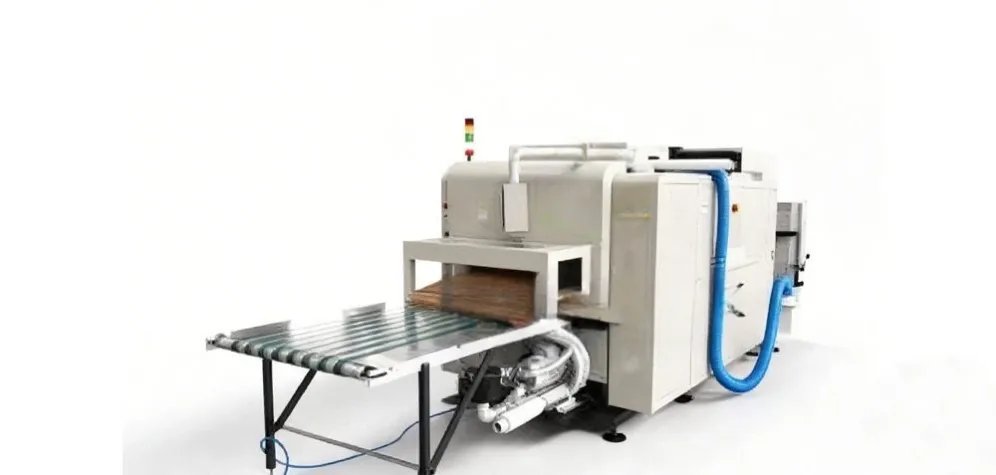
An industrial folding machine system pays for itself when crisp folds, right-sized packaging and clean audit logs matter at the same time. The right spec is a servo-controlled line with recipe locks and inline inspection — fan-folded packs for on-demand pads and liners, and a precision paper folding machine for leaflets, manuals and mailer folds. This guide compares the two formats, the materials they run and the numbers to expect.
What a Folding Machine System Does
A folding machine system automates precise folds for packaging components: fan-folded pads and liners that protect products inside a carton, and folded inserts — leaflets, instruction manuals, invoices, return slips and marketing pieces — that go into the carton with them. Done well, it replaces slow manual folding and inconsistent hand packing with square folds, neat stacks and barcoded batches, so benches move faster in peak season and fewer packs come back for creased inserts or crooked liners.
- Durability at speed: servo registration, closed-loop tension and anti-curl paths keep folds square on tough stocks, including recycled kraft.
- Reduced DIM and freight: fan-folded pads and liners right-size packaging, minimising void and lowering shipping charges.
- Audit-ready records: batch IDs, recipe locks, inline checks and exportable logs shorten retailer and platform onboarding.
- Lower cost of defects: straighter folds mean fewer reprints, mis-collations and customer complaints.
- Scalable productivity: faster changeovers and stack-and-count delivery keep benches moving in peak season.
Fan-Folded Packs vs. Paper Folding: Side by Side
The two formats answer different jobs. A fan-folded packs making machine produces on-demand pads and liners in zig-zag stacks for kitting — kraft liners and fanfold corrugated in single or double wall — at high linear speed with auto stacking and barcode batches. A paper folding machine folds leaflets, manuals, invoices and mailer components from kraft 80–180 gsm and coated or offset papers, at high cycles per minute with buckle and knife fold sets and quick format swaps.
- Primary job: fan-folded — on-demand pads and liners, zig-zag stacks for kitting; paper folding — leaflets, manuals, invoices and mailer folds.
- Substrates: fan-folded — kraft liners and fanfold corrugated (single/double wall); paper folding — kraft 80–180 gsm, coated and offset papers.
- Typical wins: fan-folded — DIM reduction, edge protection, fewer crushed corners; paper folding — clean inserts, fewer mis-folds, lower reprints.
- Best for: fan-folded — e-commerce, 3PL, spare parts and bespoke sizes; paper folding — manuals and compliance documents, return slips and marketing inserts.
A fan-folded packs making machine producing on-demand pads and liners.
Materials: Recycled Kraft, Fanfold and Coated Stock
Real-world stocks, not lab paper, decide whether a folder performs. Recycled and FSC kraft at 80–180 gsm is common for manuals and receipts, and it needs anti-curl paths and accurate buckle settings to avoid dog-ears. Fanfold corrugated in single or double wall suits pads and liners but needs sturdy web guides, wider nip control and aligned fold plates to prevent splitting. Coated and offset papers carry premium print and are sensitive to scoring damage, so knife folds with tuned pressure protect the surface.
Commodity machines drift at speed on these stocks — tension wobbles, fold plates go out of alignment and quality falls. A folding system built for the job tames material variability with servo drives, encoder feedback and recipe-locked fold geometry, so the same settings produce the same fold on Monday morning and on Friday night.
Engineering: Servo, Recipe Locks and Inline Inspection
The engineering differences are specific, and they are worth checking on a factory acceptance test.
- Drive and registration: servo drives with encoder feedback keep panel registration steady under acceleration and deceleration; recipe locks store fold plates, buckle gaps, nip and heater settings.
- Web handling and fold quality: closed-loop tension and web guiding prevent skew even on thick fanfold boards; anti-curl rollers and tuned knife/buckle combinations match stock behaviour.
- Inline inspection: vision or weight checks flag mis-folds, mis-collation and missing pages before stacks reach the benches; stack-and-count delivers neat zig-zags with barcodes for traceability.
- Service and safety: rigid frames, guarded nips and lock-out/tag-out reduce incident risk and extend machine life; remote diagnostics and predictive alerts cut mean time to repair.
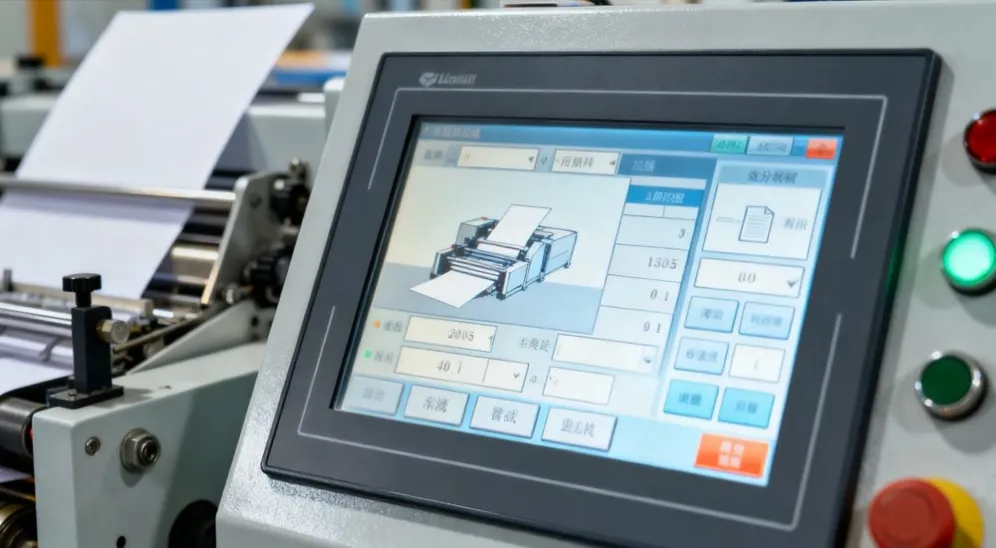
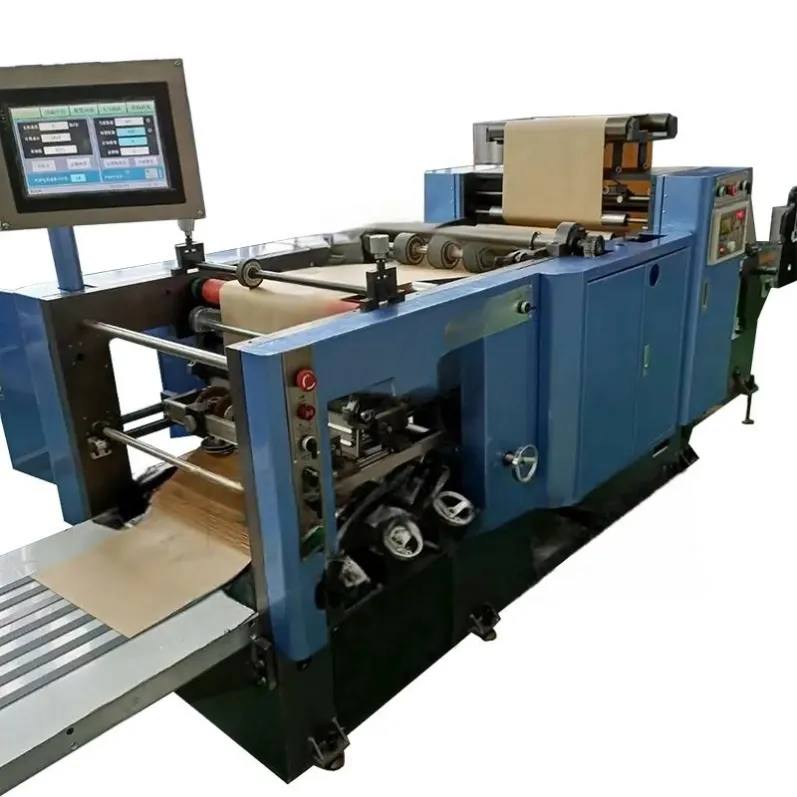
The touchscreen PLC panel of a paper folding machine, where fold recipes are stored and recalled.
What the Numbers Say — and What They Mean
The source guide reports these as realistic ranges from plant rollouts and audits — use them to set a baseline and run an A/B trial on your own site, not as promised results.
- First-pass yield for folds of 99.5% or better with inline checks.
- Changeover time down 40–60% against manual setups, using recipe memory and SMED mapping.
- Scrap rate down 30–50% on recycled kraft after tension and buckle tuning.
- Customer-visible defects down 25–50% (creased inserts, skewed folds) after the upgrade.
- DIM savings per lane when switching to fan-folded liners for right-sizing.
Three operations-style examples in the guide show the same pattern. A books and media 3PL in the EU adopted a fan-folded packs machine for custom liners: damage claims from corner crush fell 28% and pallets per 40-foot HQ container improved. A cosmetics DTC brand in North America replaced manual tri-folding of care leaflets: changeovers dropped from 20 to 7 minutes with recipe locks and mis-folds fell 60%. An industrial spares exporter from APAC to the EU combined fan-fold pads with edge protection and cut crushed housings and support tickets.
Buyer's Checklist
Use this checklist when you compare quotes.
- Performance and formats: stock range (gsm and caliper), fanfold widths, buckle and knife sets, target cycles or metres per minute, zig-zag stack modes, barcode and batch logging, and tolerances for skew and fold variance.
- Automation and data: PLC and HMI with recipe locks, an OEE dashboard, vision or weight checks with reject logic, inline print or labelling, and exportable logs to your QMS or ERP.
- Compliance and materials: recyclability labelling aligned to the region, and proven performance on recycled kraft and fanfold corrugated in a factory and site acceptance test.
- Serviceability: MTBF and MTTR targets, remote diagnostics, a local spares kit, training for operators and maintenance, a preventive maintenance schedule and safety procedures.
Frequently Asked Questions
What does a folding machine do in packaging? It automates precise folds for inserts, manuals, pads, liners and mailer components — higher throughput, straighter folds and fewer reprints than manual folding.
Fan-folded or rolled materials — how do I choose? Fanfold excels for on-demand pads and liners with right-sizing and neat stacks; rolls fit continuous web jobs.
Can it handle recycled kraft and fanfold corrugated without curling? Yes — if you specify web guides, anti-curl paths, the correct buckle and knife sets, and closed-loop tension.
Talk to Hangjia Machinery
If folding is the bottleneck in your packaging line, start with the machines that do it. Browse the Folding Machines range, compare the fan-folded packs and paper folding models against your stock range and daily volume, and then contact us with your paper grades, fold formats and target changeover time. Hangjia Machinery will help you specify the line and arrange a trial on your own stocks.