Is Paper Packaging Machinery Worth the Investment?
Paper packaging machinery pays for itself at volume — but only if your products suit paper. This guide works through the costs, the savings and the cases where it does not pay.
For most high-volume shippers, paper packaging machinery pays for itself — but only if your volumes are high enough and your products suit paper. The savings come from materials, labour, freight and waste, and the machine earns its keep when those savings outweigh the purchase and running costs within a reasonable payback period. This guide works through the maths the way a buyer should: what it costs, what it saves, and the cases where it does not pay.
Paper or Plastic: The Trade-Off in One View
Before the money, settle the material. Plastic is usually cheaper to buy per unit and stronger against water and heavy loads, but it is hard to recycle through household streams and can attract plastic packaging taxes in some markets. Paper is recyclable and biodegradable, and customers increasingly prefer it, but it is weaker against damp and very heavy items. The choice is not moral — it is practical: what does your product need, and what do your customers and regulators expect?
- Cost: plastic is cheaper per unit up front; paper becomes competitive at volume, when material is bought by the roll and waste is low.
- Sustainability: paper is recyclable and biodegradable; plastic is not, in most household streams.
- Durability: plastic wins for wet, heavy or sharp items; paper is strong enough for dry, light to medium goods.
- Versatility: both cover bags, cushioning and mailers — the difference is which products each suits best.
- Consumer preference: shoppers increasingly choose paper packaging and rate brands that use it more highly.
-
What the Machine Actually Costs
A paper packaging machine is not one cost — it is four. The purchase price depends on the machine type and the level of automation: a simple bag machine costs far less than a fully automatic line. Then come running costs: maintenance and spare parts, kraft paper and other consumables, energy, and the labour to run it. Automation pushes the purchase price up and the labour cost down, which is why the payback calculation matters more than the price tag. Ask every supplier for the same four numbers — purchase price, maintenance, consumables and labour — so you can compare like with like.
Where the Savings Come From
Five places, and they add up:
- Materials: buying kraft paper by the roll and making bags or mailers in-house is usually cheaper per unit than buying ready-made packaging, once volumes are high enough.
- Labour: an automatic machine replaces hand packing or hand assembly, and one operator can run a line that used to need several people.
- Freight: paper cushioning and mailers are light, and lighter parcels cost less to ship.
- Waste and disposal: paper offcuts and used packaging go into normal recycling, so there is less landfill cost.
- Plastic taxes and fees: in markets that charge for plastic packaging, switching to paper removes a cost line entirely.
The Case Results
Three reported cases show what the savings can look like. An e-commerce company that switched to paper packaging cut its packaging costs by 30% and saw customer satisfaction rise by 25%. A food manufacturer that moved to paper cut plastic waste by 40% and saw sales rise by 15%. A retail chain that adopted paper packaging cut waste disposal costs by 20% and saw brand loyalty rise by 10%. These are reported results from individual businesses, not guarantees — your numbers will depend on your volumes, your products and your current packaging spend. Use them as a benchmark for the questions to ask, not as a promise.
The Four Machine Types, Compared
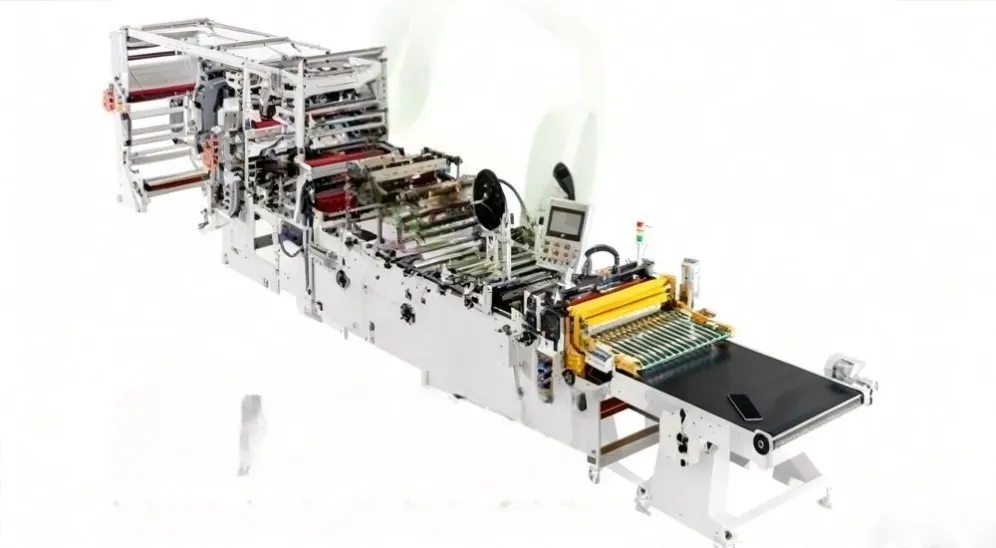
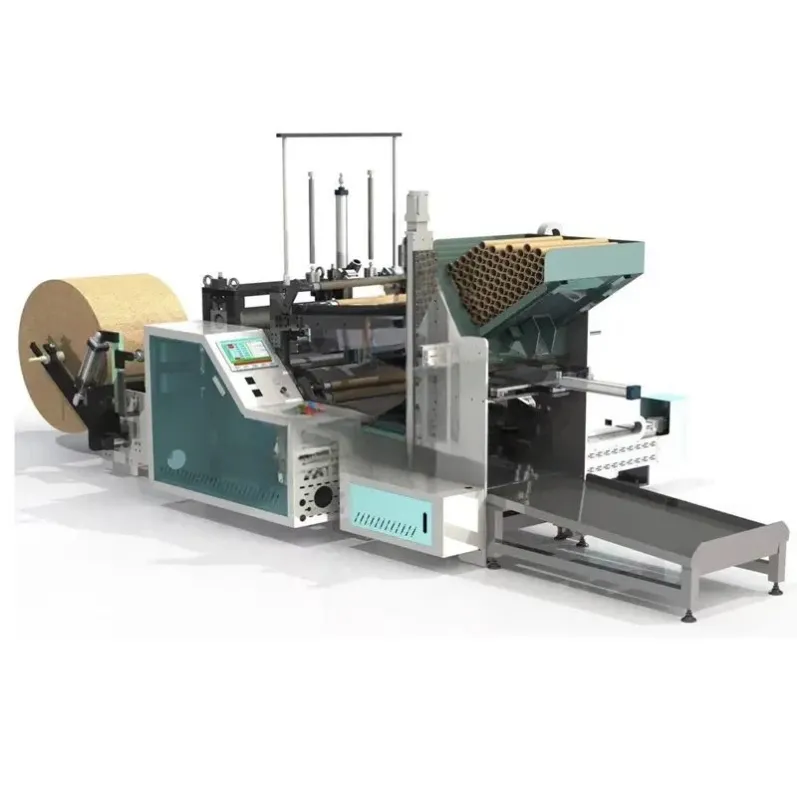
Paper packaging machinery is not one machine. The four main types cover different jobs:
- Paper bag machines make retail and food bags — the workhorse for shops and takeaway.
- Paper air bubble machines make paper bubble cushioning for fragile goods in transit.
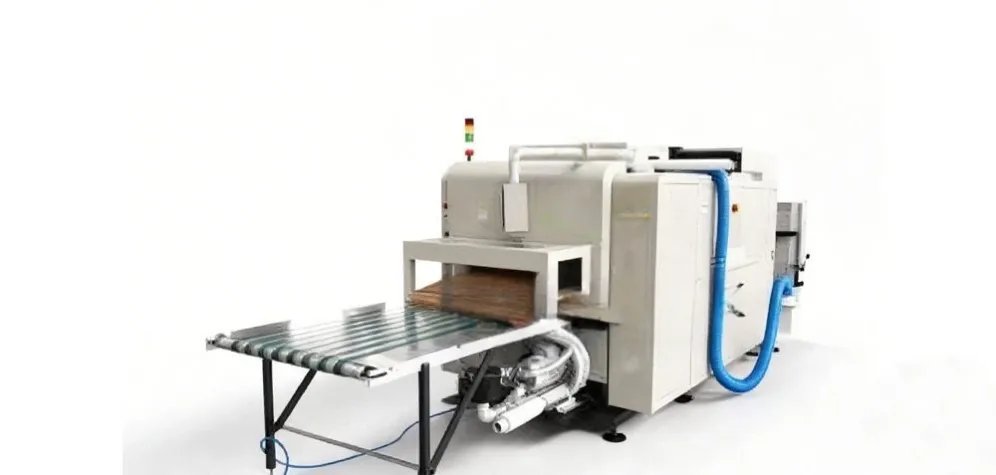
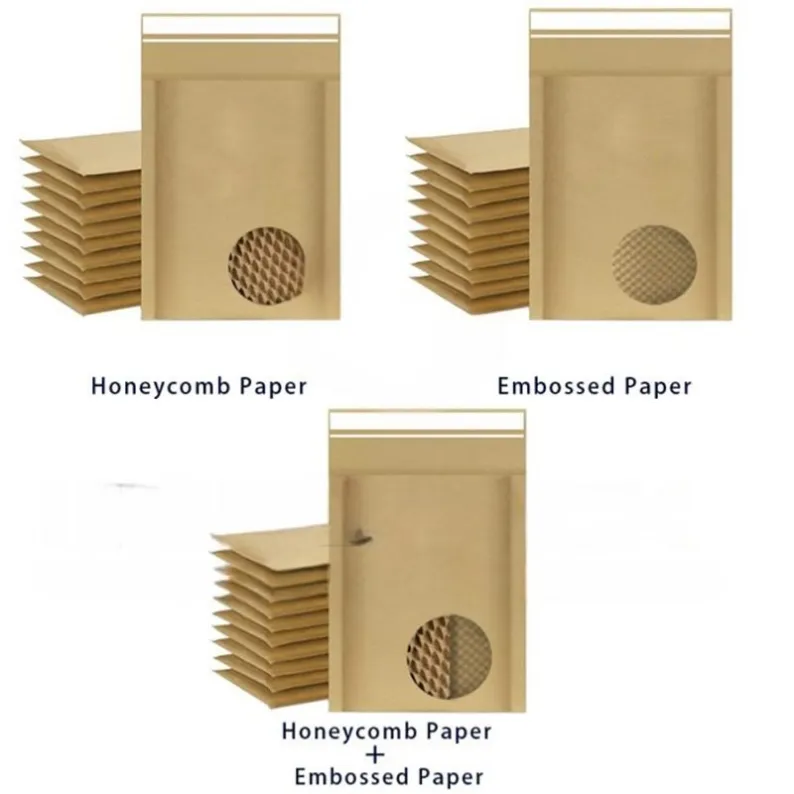
- Honeycomb paper machines make protective panels and mailers for heavy, flat or fragile items.
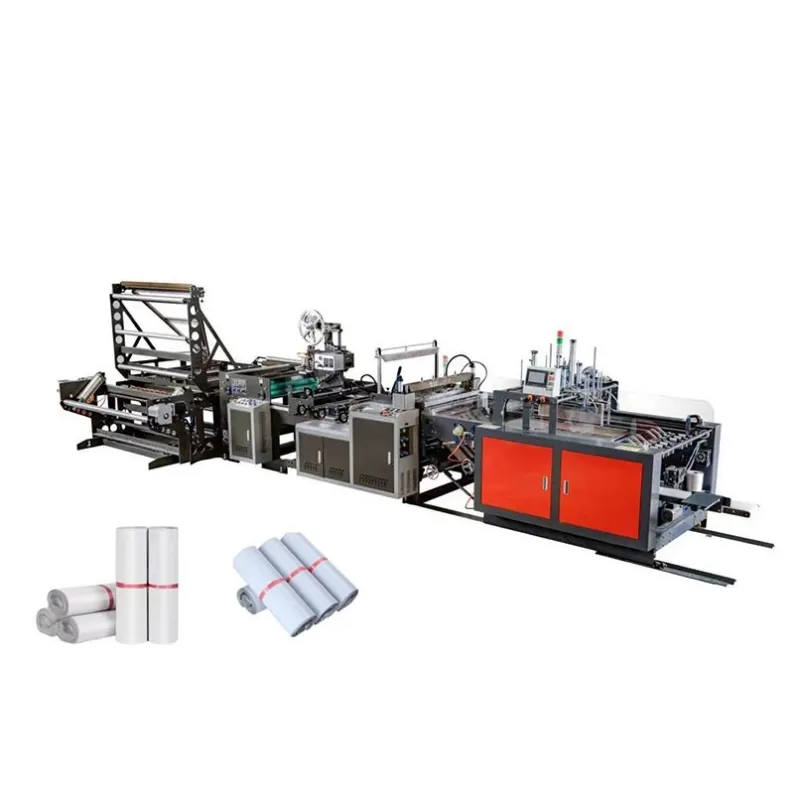
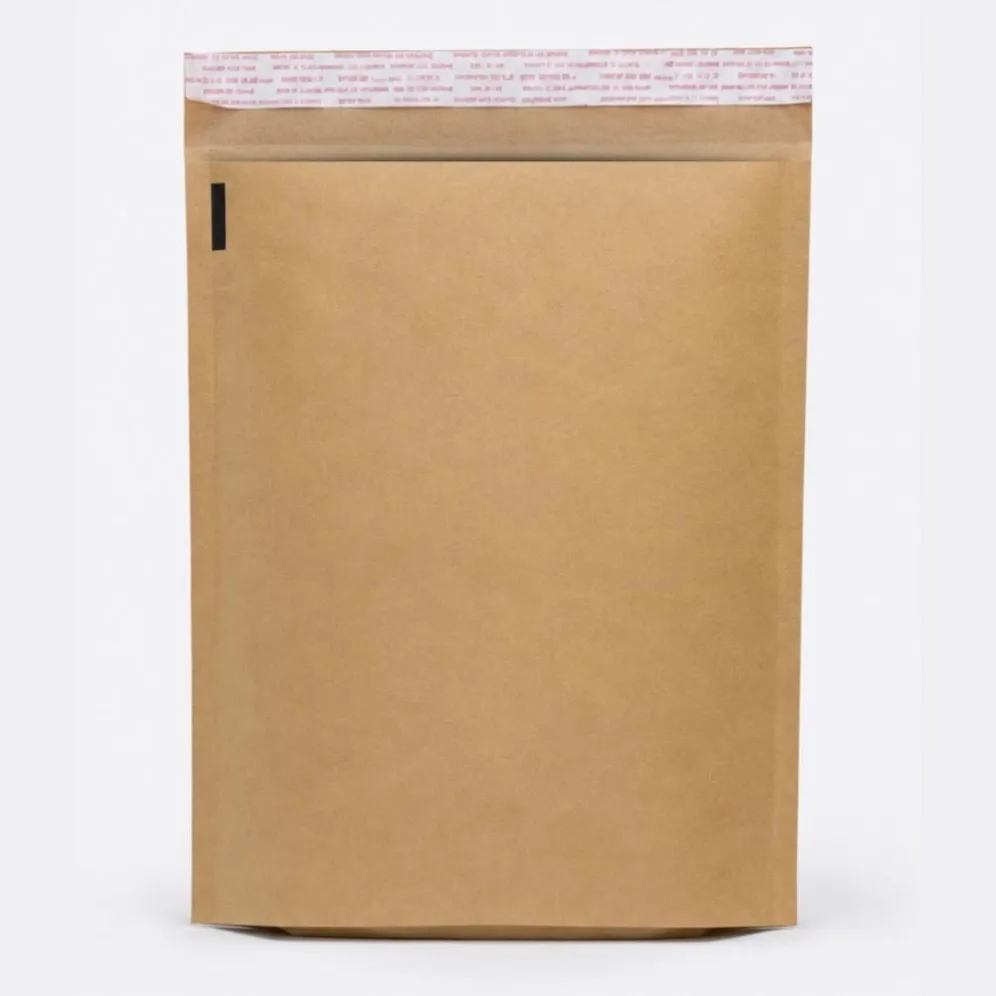
- Mailer machines make kraft paper mailers for e-commerce parcels.
Most buyers start with the machine that matches their biggest packaging cost, then add a second type once the first has paid for itself.
How to Decide: A Short Checklist
Work through these six questions before you buy:
- Volume: how many bags, mailers or cushioning units do you use each day? Low volumes rarely justify a machine.
- Product type: are your goods dry, light to medium weight, and suited to paper? Wet or very heavy goods may still need plastic.
- Current spend: what do you pay now for ready-made packaging, per unit and per month?
- Labour: how many people pack by hand today, and what does that cost?
- Customers: do your buyers ask for paper packaging, or rate it in reviews?
- Regulation: does your market charge for plastic packaging, or ban it for your product type?
If the answers point to high volume, dry goods and rising plastic costs, the case is strong. If volumes are low and products are wet or heavy, it is not.
When It Does Not Pay
Be honest about the cases where paper machinery is the wrong buy. Very low volumes will not repay the purchase price. Very heavy or wet products may still need plastic protection. And if your customers' markets have no paper recycling stream, the sustainability benefit does not reach them. In those cases, buying ready-made paper packaging — or staying with plastic for the hardest items — is the cheaper answer.
Future Trends Worth Knowing
The market is moving in paper's favour. Automation and AI are making machines faster and easier to run, biodegradable materials are widening what paper can protect, and smart packaging is adding tracking and branding to the pack itself. None of this changes the payback maths today, but it does mean a machine bought now is less likely to be obsolete in a few years.
A Clear Next Step
If the checklist points your way, the next step is to compare machines against your own numbers. Browse Hangjia Machinery's Mailer & Envelope Machines to see the range, then contact us with your product types, daily volumes and current packaging spend — we will help you work out whether the investment pays for you, and which setup fits.