Is Paper Packaging Sustainable?
Is paper packaging really sustainable? The honest answer: yes, when it is sourced responsibly and made efficiently — here is the evidence, the trade-offs and the machinery that tips the balance.
Brands are switching from plastic to paper in record numbers, but the question keeps coming up: is paper packaging actually sustainable, or just greener-looking? The short answer is yes — when it is sourced responsibly and produced efficiently. Paper supports recycling, biodegrades in weeks or months rather than centuries, and can cut carbon emissions across the pack's life. The longer answer is more interesting, because paper has real trade-offs — and modern machinery decides how much they matter.
Why Paper Earns Its Green Reputation
Paper packaging starts from a renewable resource, mainly wood pulp, and it can be recycled or composted after use. Unlike plastic, which can take hundreds of years to decompose, paper naturally breaks down within weeks or months. Modern paper packaging machinery has pushed the advantage further, producing high-strength packs with less energy, water and chemicals than older lines. When the fibre comes from certified forests and the factory runs efficiently, paper fits a circular economy: materials are reused, waste is minimised and the impact on nature is reduced. That is why eco-conscious brands now build their green packaging strategies around paper mailers, wrapping and boxes.
The Honest Trade-Offs
Paper is not without challenges, and knowing them helps buyers make better decisions. First, producing virgin paper can use more energy and water than some plastics — though using recycled paper cuts that impact sharply. Second, paper resists moisture poorly, so damp conditions can weaken protection; thin water-based coatings or laminates solve this, provided they stay recyclable. Third, paper tears more easily under heavy loads than plastic, although advanced engineering and coatings are steadily making modern paper packs stronger and more flexible. Fourth, paper depends on forests, and unsustainable logging harms biodiversity — which is why FSC- or PEFC-certified sourcing matters: certified forests are managed and regenerated properly. None of these drawbacks is a deal-breaker, but all of them reward careful sourcing and modern equipment.
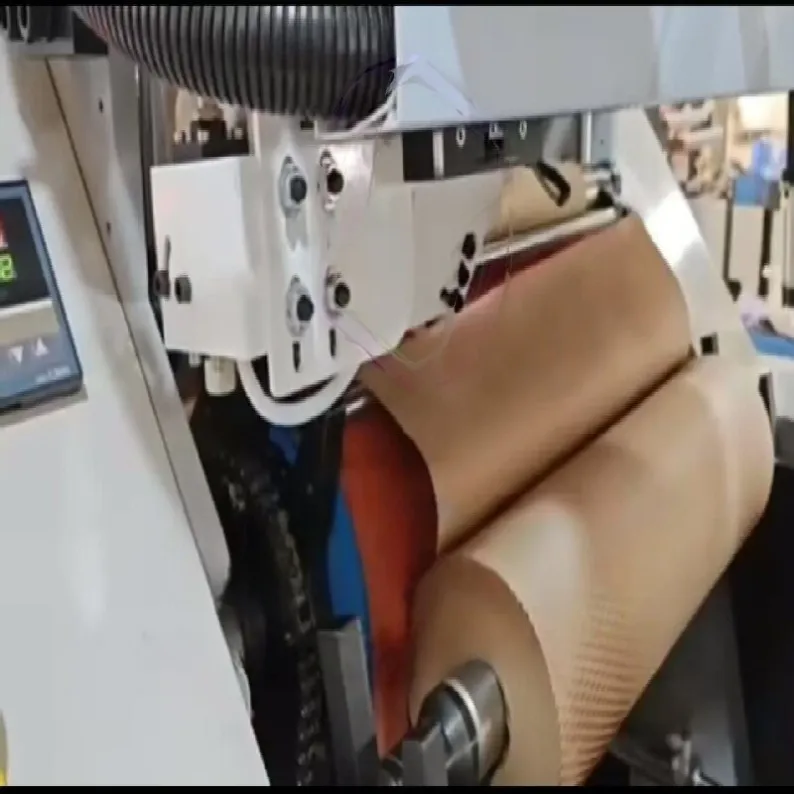
Paper vs Plastic: The Full Picture
Whether paper beats plastic depends on how each material is produced, used and disposed of. Plastic is cheap to produce and can be reused many times, but it persists in ecosystems, ends up in landfill and oceans, and breaks down into microplastics that harm wildlife and enter the food chain. Paper is biodegradable and recyclable, so it is far less harmful over the long term — provided it comes from sustainable forestry and efficient manufacturing. Recycling paper multiple times extends its life and reduces the need for new raw materials, cutting carbon emissions further. Run on modern machinery, paper production gets greener still: lower energy use, automated waste reduction and water-based adhesives instead of plastic films. Managed responsibly, paper remains the better long-term choice.
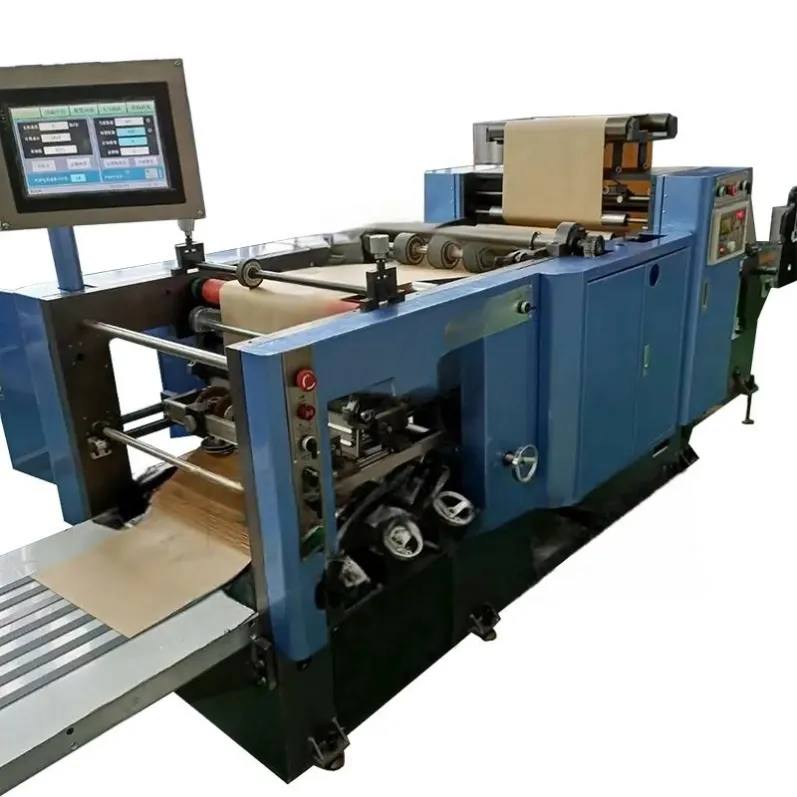
How Hangjia Machinery Tips the Balance
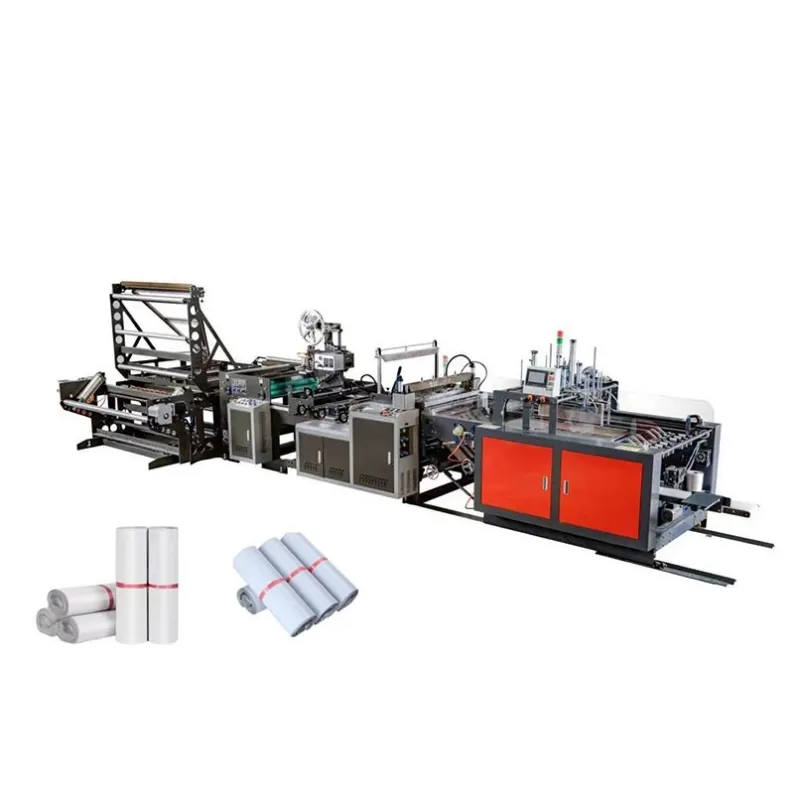
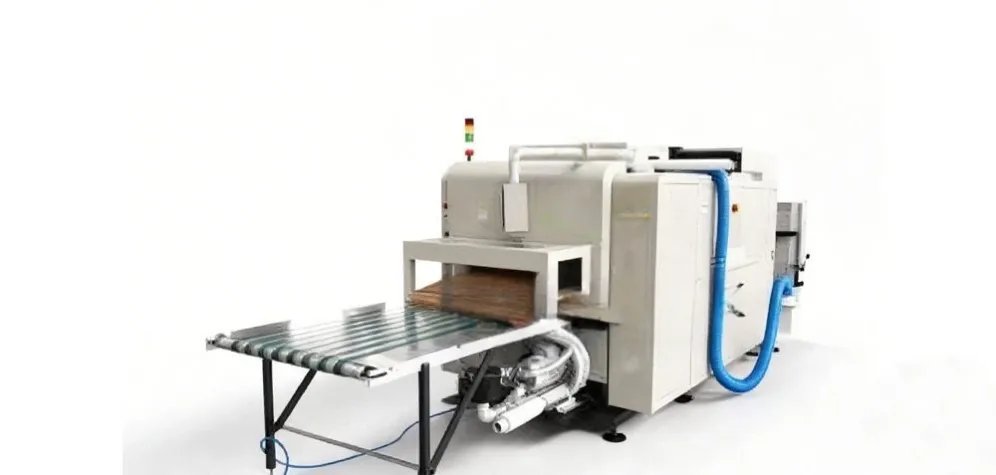
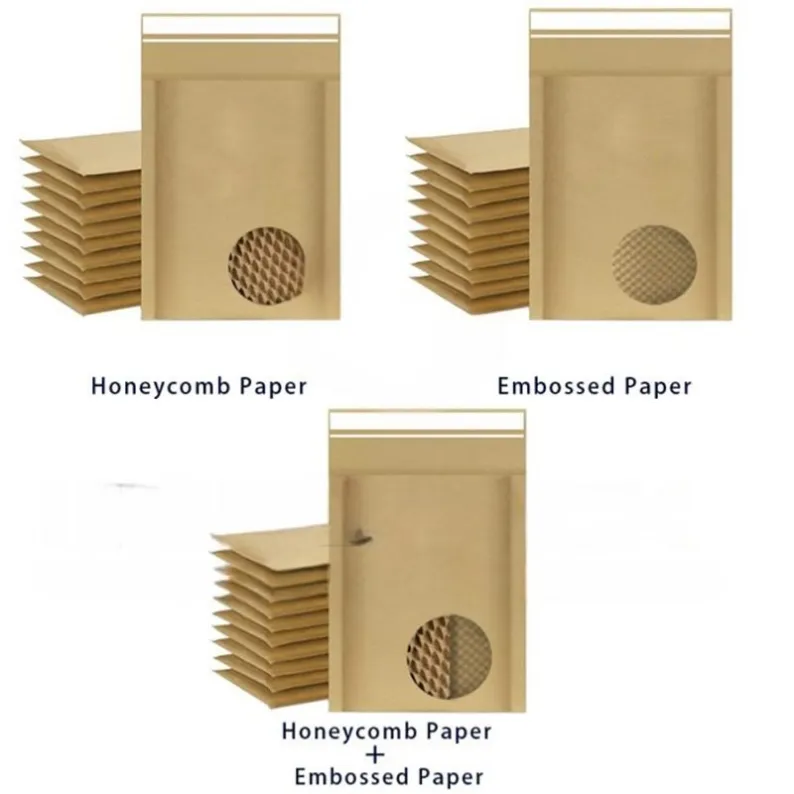
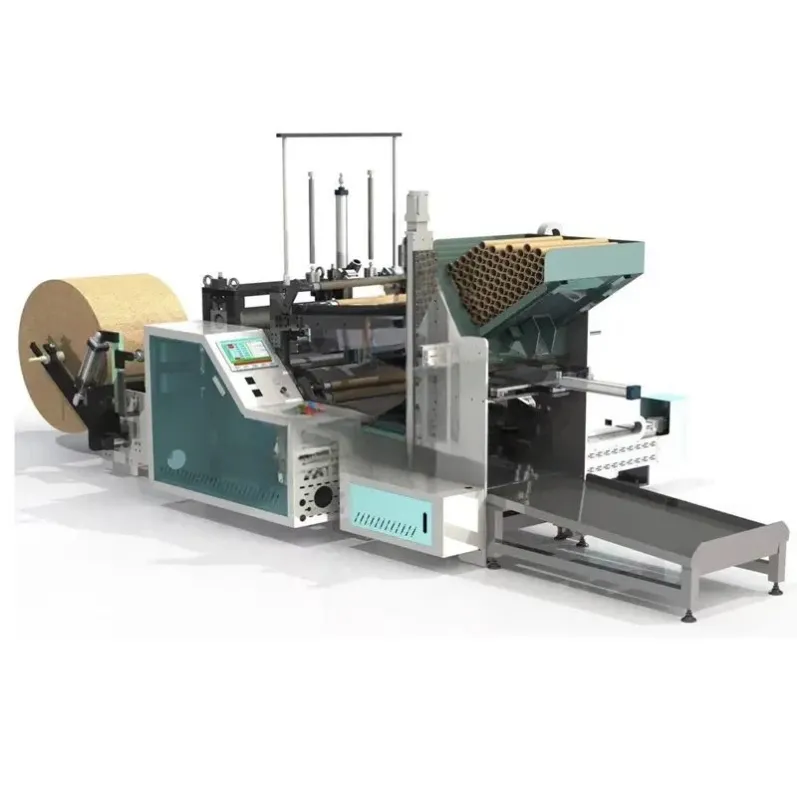
Hangjia Machinery designs its paper packaging machinery to make the sustainable choice also the practical one. Its equipment produces recyclable paper mailers, honeycomb paper cushioning, wrapping sheets and protective paper bags with precision and minimal waste, using automated feeding, gluing and cutting for consistent quality at high speed and lower labour cost. Energy-efficient design, eco-friendly adhesives and low-emission processes align the machines with the global shift toward green manufacturing and carbon-neutral packaging. The range is versatile — mailers, wrapping, honeycomb cushioning and custom packs — and every machine can be tailored to product sizes, coating needs and output volumes, with training, maintenance and technical support worldwide.
So, is paper packaging sustainable? Yes — especially when responsible sourcing meets efficient technology and recyclable materials. The benefits far outweigh the limitations, and the right machinery closes the remaining gaps. To see equipment built for that balance, browse Hangjia Machinery's Mailer & Envelope Machines range, or contact us to discuss your packaging and volumes.