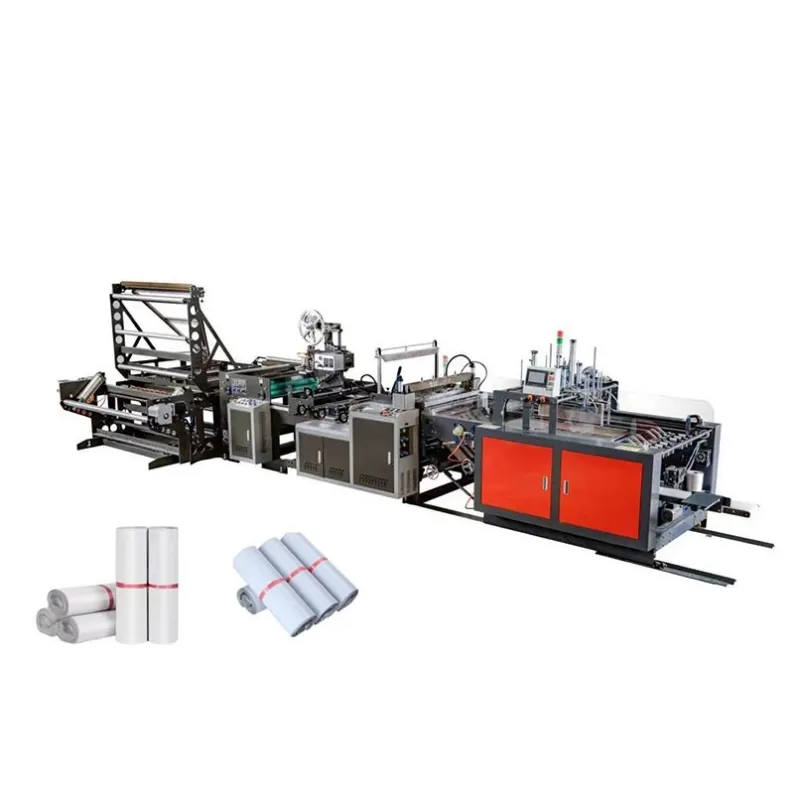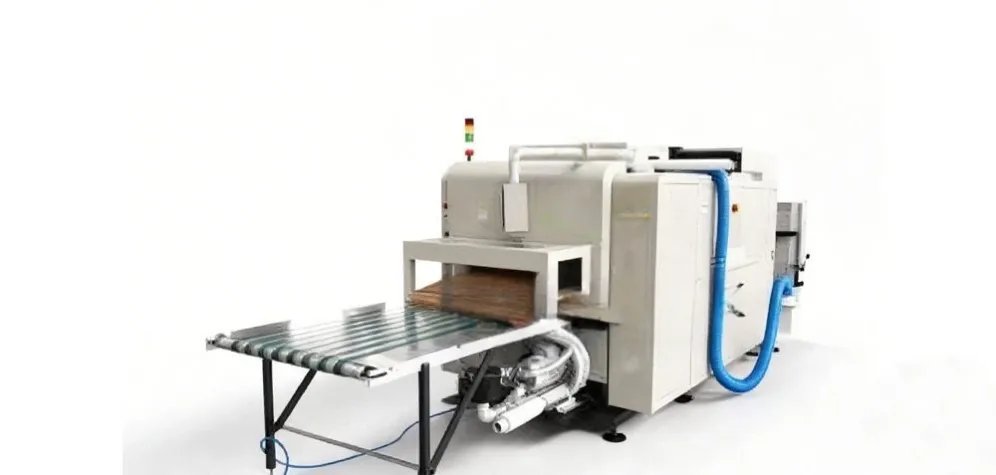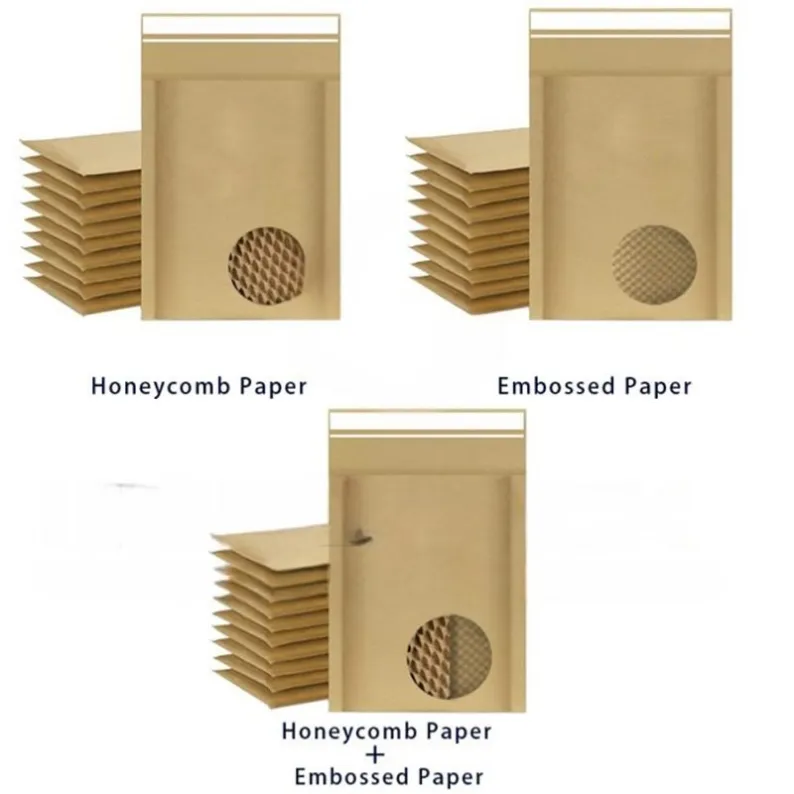
Mailer Machine vs Manual Packing: Which One Wins in 2025?
Automated mailer machines vs manual packing in 2025: speed, seal quality, DIM savings and ROI compared, with the numbers behind the decision.
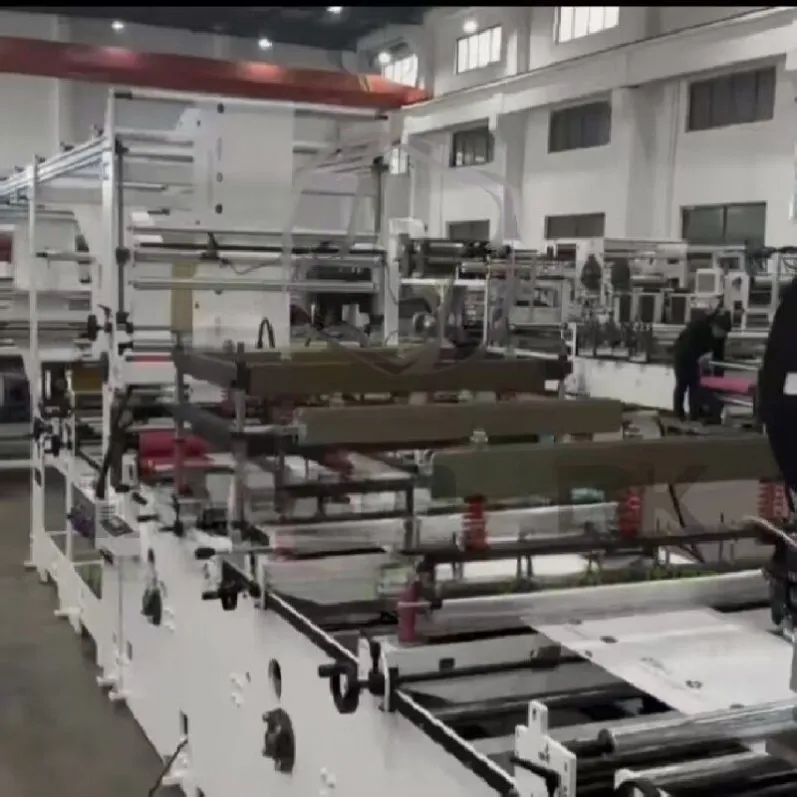
Peak season is here, returns are climbing and audits are getting stricter — so the question facing every fulfilment manager in 2025 is simple: keep packing by hand, or put a mailer machine on the line? Manual packing is flexible and cheap to start, but it is also variable: speed depends on the shift, seal strength drifts as people tire, and every parcel comes out slightly different. A mailer machine trades that variability for repeatability. This comparison looks at the measures that decide the business case: throughput, quality, compliance, freight and payback.
Speed and Throughput
A mailer machine runs at a stable, high rate with one or two operators per cell, and it holds that rate all shift. Manual packing starts fast and slows down: output depends on who is on the line, how tired they are and how complex the order is. For fast-moving SKUs with predictable size ranges, the machine wins on pure volume. For odd, bulky or seasonal kits and small-batch promos, manual stations still make sense — which is why most operations end up with a hybrid layout: machines for the standard range, a small manual lane for the outliers.
Quality, Seals and Waste
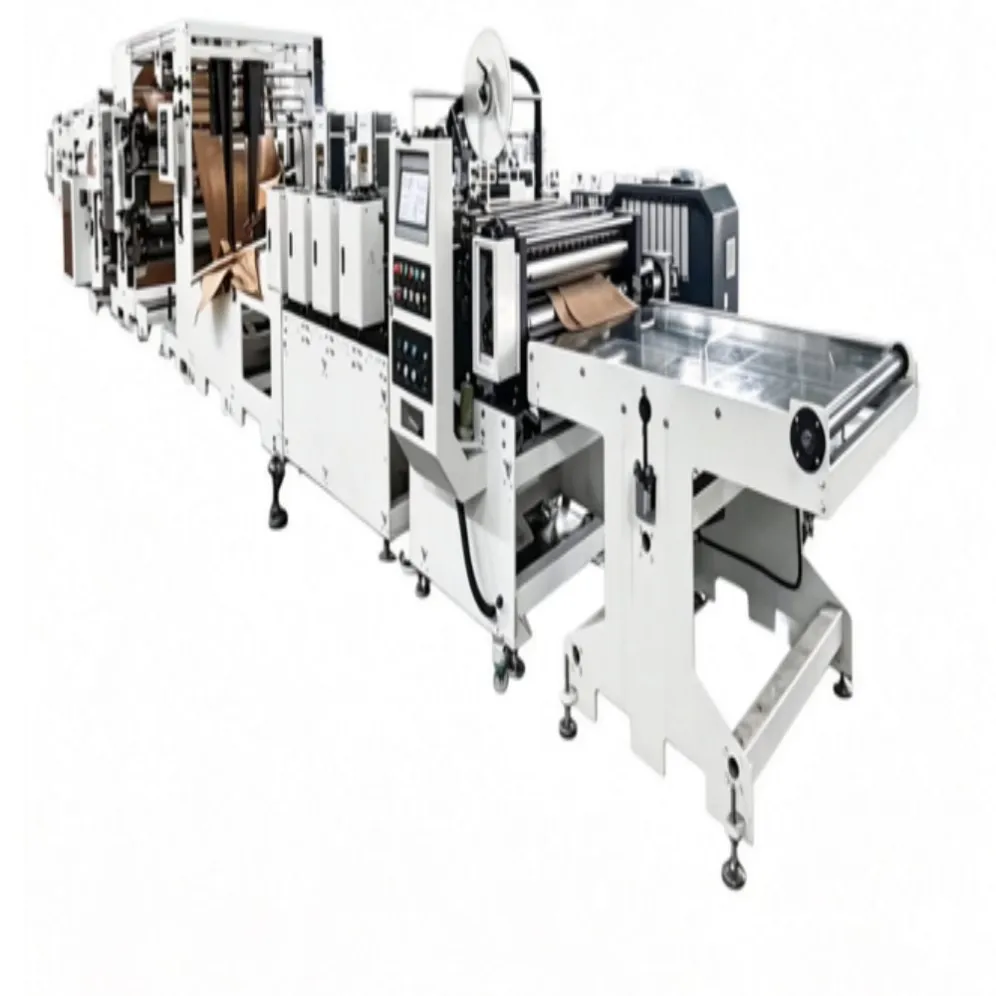
Seal quality is where automation shows its biggest edge. Servo-driven folding holds fold and gusset placement to ±0.1–0.2 mm, adaptive sealing keeps dwell, nip and temperature inside validated windows, and in-line vision checks seam geometry, glue and fold accuracy on every pack. The result is consistent seam peel strength of 3.5–5.0 N/25 mm and dimensional tolerances of ±0.2 mm at critical folds. Manual packing cannot match that consistency: seal strength drifts over a shift, folds go crooked, and mis-seals mean re-bagging. Recipe-controlled machines also cut trim loss by 2–5% through optimised nesting and knife paths, and vision-assisted sealing cuts on-line defects by 20–30% compared with manual checks.
Audits, DIM and Freight
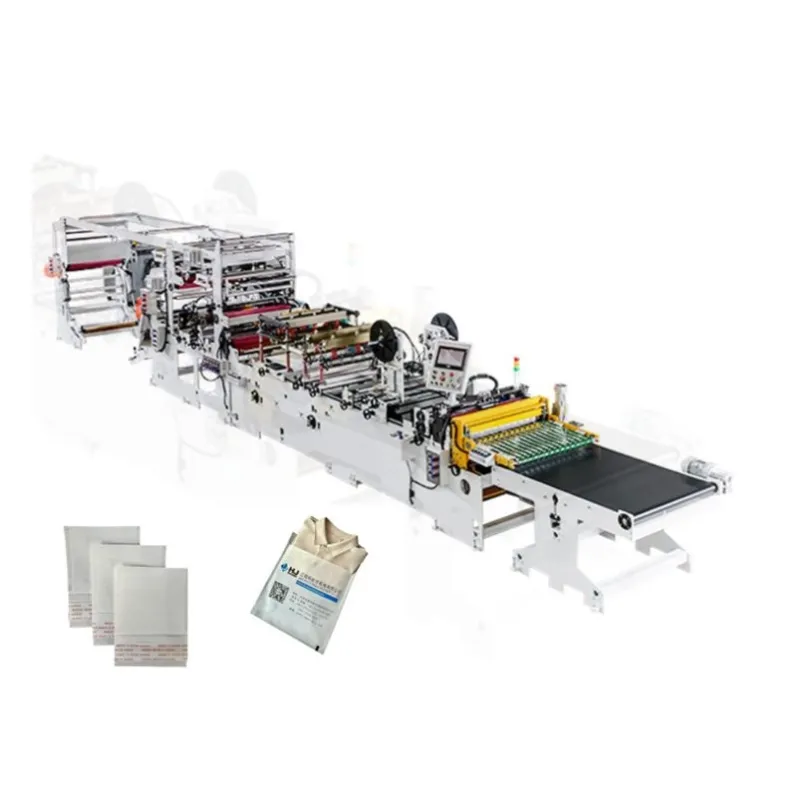
Compliance is the quiet cost of manual packing. A mailer machine logs every batch automatically: heater profiles, QC images and lot tracking that export into an audit pack in minutes. Manual lines rely on paper logs that are harder to reconcile and slower to audit. Freight tells the same story. Right-sized, consistently sealed mailers reduce volumetric (DIM) charges by up to about 14% in controlled trials, because the machine packs to the same geometry every time instead of overfilling. Manual packing tends to overfill, which creates DIM outliers and extra freight spend.
Materials, Changeovers and the Operator
Modern mailer machines are built for paper-first packaging. They handle kraft from 60–160 GSM, translucent glassine with its premium look, and water-based coated papers, with poly mailers available where a route genuinely needs film. Closed-loop tension control avoids micro-wrinkles, and an operator-first HMI with recipe libraries and changeover wizards means a full recipe change takes 8–12 minutes, while new operators can be cross-trained quickly. Safety is built in, with CAT-3 circuits, light curtains, interlocks and e-stops. In disciplined cells, predictive maintenance on bearings, drives and heaters keeps OEE at 92–96%.
The Business Case
The numbers explain why adoption keeps rising. Typical payback runs 6–18 months, driven by lower damage rates, fewer reworks, freight savings and faster audits. Real operations report 12–15% DIM savings and scuff-related returns down about 18% after switching apparel fulfilment from manual poly to automated kraft and glassine mailers, and 99.5% label scan accuracy where cameras verify placement behind glassine windows. Shoppers are on the same side: around 85% of EU consumers prefer recyclable packaging, about 62% link paper mailers with premium brands, and paper recycling rates exceed 68% in developed markets. Data-logged performance also strengthens asset value and makes multi-site replication straightforward.
So which one wins in 2025? For predictable, fast-moving SKUs, the mailer machine wins on throughput, durability, compliance and ROI — and manual packing keeps its place for the odd, bulky and seasonal work that machines handle poorly. The smartest operations run both. To see the equipment behind the numbers, browse Hangjia Machinery's Mailer & Envelope Machines range, or contact us to size a cell for your volumes.