Packaging Material for E-Commerce: Essentials, Benefits & Sustainability
The right e-commerce packaging protects the product, cuts shipping and return costs, and shows customers what the brand stands for. This guide compares materials and how to choose them.
For most e-commerce orders, the right packaging is a simple system: a strong outer box or mailer, cushioning that stops the product moving, and a material choice that matches the product, the shipping route and the brand's sustainability claims. Get those three right and parcels arrive undamaged, shipping and return costs fall, and the unboxing itself reinforces the brand. This guide explains the main e-commerce packaging materials, their benefits, and how to choose between them — including the more sustainable options buyers now expect.
Why Packaging Material Matters for E-Commerce
Packaging is the first physical touchpoint between an online store and its customer, and it does far more than hold a product. It protects goods through handling and transit, carries the brand's look and feel, and shapes whether a customer trusts the seller enough to order again. A parcel that arrives damaged, or in a box far larger than its contents, creates a return, a replacement and a complaint — all of which cost more than the packaging saved.
The right material also controls cost. Lightweight materials can lower shipping charges, a durable pack reduces damage and returns, and a pack that fits the product avoids paying to ship empty space. For a buyer, that is the practical test of any material: does it protect the product, does it keep the total cost of the shipment down, and does it leave the customer with a good impression?
The Main Types of E-Commerce Packaging Material
Each material below suits a different kind of order. The choice starts with the product: how fragile it is, how heavy it is, and whether it needs a rigid box or only a light mailer.
- Corrugated boxes. Corrugated boxes are the workhorse of e-commerce. Their layered structure is strong for their weight, they stack well in a warehouse and a delivery van, and they can be printed, sized and recycled. They suit almost any product that needs rigid protection, and they remain the default choice when a shipment needs structure.
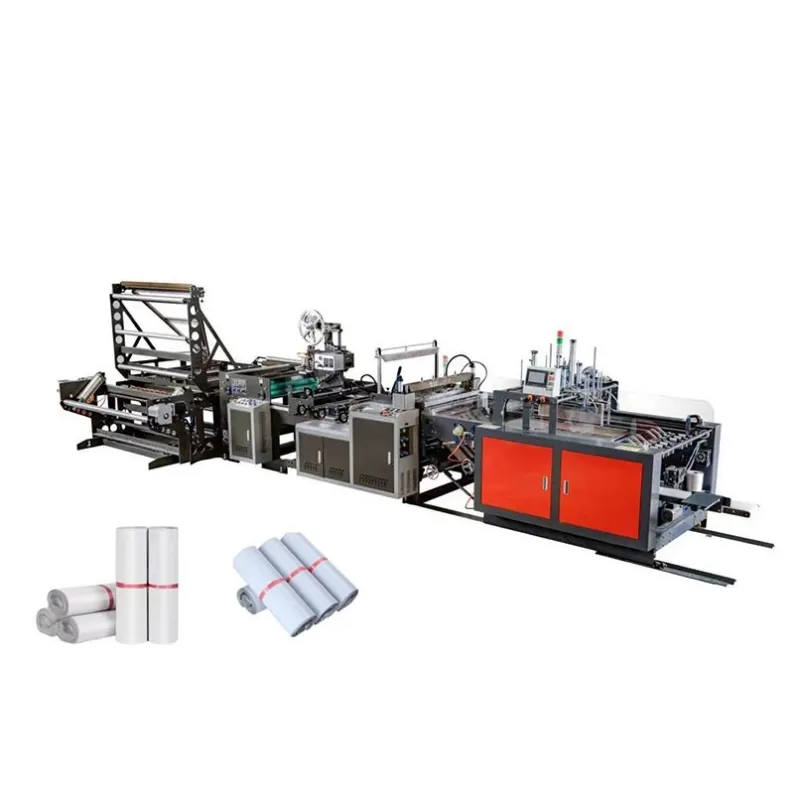
- Padded mailers. Padded mailers combine a lightweight outer mailer with a protective lining. They cost less to ship than a box of the same size, need less storage, and protect books, apparel, cosmetics and other items that do not need a rigid box.
- Air column bags. Air column bags are made from multi-chamber film that is inflated around the product. Each column acts as a separate cushion, so the bag keeps protecting the product even if one column is punctured. They are light, take up little storage space before inflation, and are a strong choice for fragile items such as electronics, glassware and cosmetics.
- Bubble wrap and cushioning films. Bubble wrap and other cushioning films wrap around a product or fill the gaps in a box. They are light, flexible and easy to use, and they protect against shocks and vibrations in transit. Paper bubble cushioning offers the same idea in a paper-based form for buyers who want to reduce plastic.
- Poly mailers. Poly mailers are thin, waterproof and very light, which makes them one of the cheapest ways to ship soft, non-fragile goods such as clothing. Their weakness is protection: they offer little cushioning, so they suit items that cannot break.
- Paper-based mailers. Paper-based mailers, including kraft paper mailers and padded paper mailers, give e-commerce sellers a recyclable alternative to plastic mailers. They protect small and medium items, print well for branding, and fit the paper recycling stream that most customers already use.
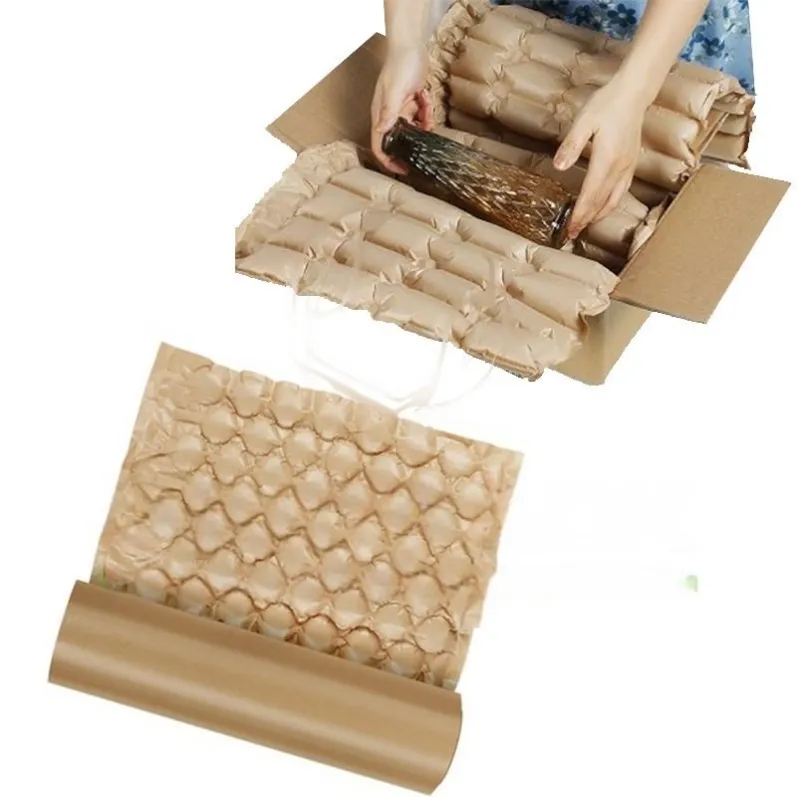
Paper bubble cushioning, shown above, is one example of how a familiar protective format can be made in paper. It wraps a fragile item such as a bottle, fills the box around it, and is produced on a paper air bubble making machine — so a seller can offer paper-based protection without changing how the pack is built.
The Sustainability Question
Sustainability has moved from a nice extra to a buying criterion. Customers are more likely to support brands that use environmentally friendly packaging, and regulators in many markets are tightening rules on single-use plastic. That makes the material choice a compliance and reputation decision as well as a cost decision.
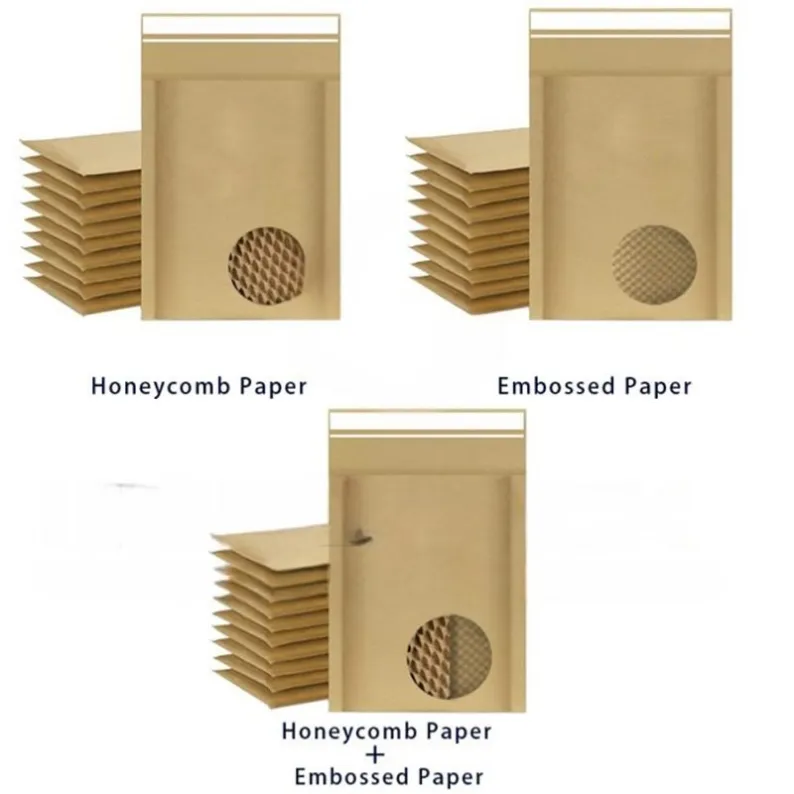
Recyclable corrugated boxes, compostable mailers, biodegradable films, paper-based alternatives to plastic cushioning and reusable packaging systems are the main options to consider. Each has a trade-off: a compostable mailer only helps if it is disposed of correctly, and a paper alternative only helps if it still protects the product. The test is the whole journey — protection, weight, recyclability and the cost of damage and returns — not a single label. Paper-based cushioning, such as the honeycomb and embossed paper mailer samples shown above, is one way sellers reduce plastic while keeping protection.
How the Right Materials Drive Business Results
Customer experience. A parcel that opens cleanly, protects its contents and looks considered makes a customer more likely to buy again and to recommend the store. Packaging is marketing that arrives at the customer's home.
Reduced costs. Lightweight packaging lowers shipping costs. Durable packaging lowers returns. Right-sized packaging lowers the amount of material used and the space a parcel takes in a van. Together, those savings are usually larger than any saving from choosing the cheapest material.
Brand value and environmental responsibility. Materials that are recyclable, reusable or compostable tell a customer what the brand values. That matters most when the claim is visible and honest: a recyclable box, a paper mailer and a pack that is not oversized are all things a customer can see and judge.
Choosing the Right Material: A Buyer's Checklist
- Match protection to fragility. Fragile items need cushioning and immobilisation; soft goods need only a light, waterproof mailer.
- Size the pack to the product. A box that fits the product uses less material, costs less to ship and is less likely to let the product move and break.
- Weigh the shipment. Lightweight materials reduce shipping costs, and that saving repeats on every order.
- Check recyclability. Choose materials your customers can recycle or compost through the streams they already use, and say so on the pack.
- Test the unboxing. Open a packed parcel yourself. If it is hard to open, wasteful or disappointing, customers will notice.
Frequently Asked Questions
What is the most sustainable e-commerce packaging material? There is no single answer. Recyclable corrugated board, paper-based mailers and compostable mailers are all more sustainable than single-use plastic when they still protect the product and can be disposed of through the right stream.
Can sustainable packaging still protect fragile items? Yes. Paper bubble cushioning, honeycomb paper and air column bags all protect fragile goods, and they can replace plastic cushioning for many products without giving up protection.
Talk to Hangjia Machinery
If you are choosing packaging for an e-commerce operation, start with the machine that makes it. Browse our Mailer and Envelope Machines and our Honeycomb Paper Machines, then contact us to discuss the material, the product and the volumes you need to pack.