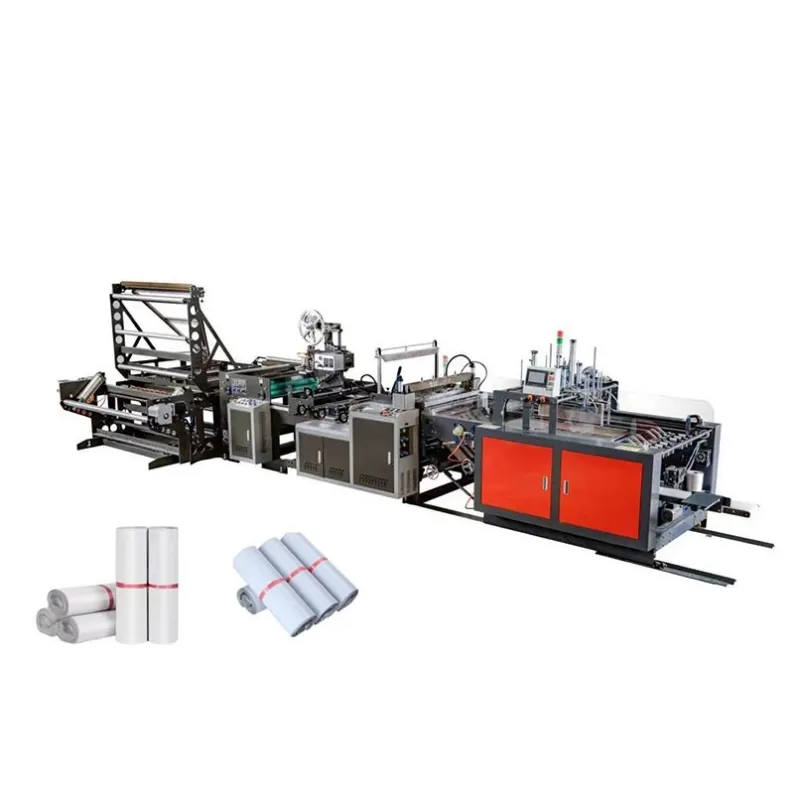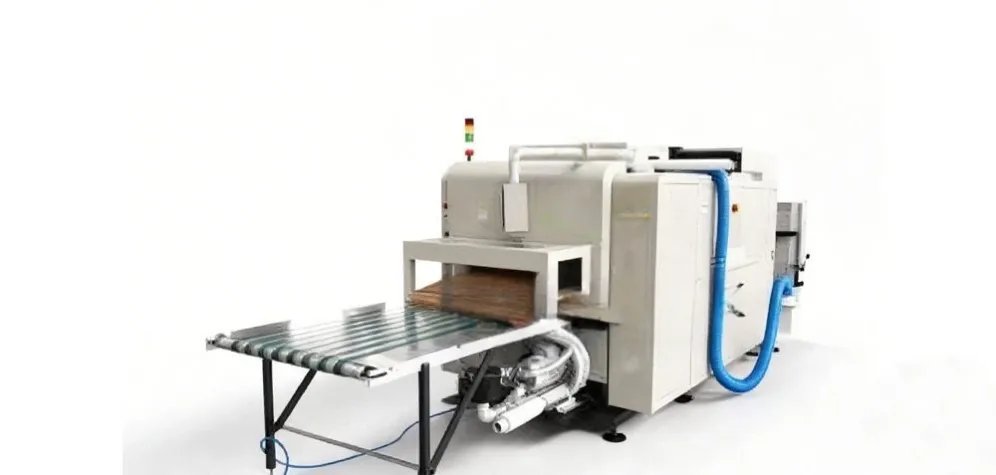
Padded Mailer Making Machine: Scale Sustainable Shipping with Speed, Strength, and Smart Compliance
A padded mailer making machine turns protective shipping from a cost into a selling point. This guide covers the materials, the machine and the payback.
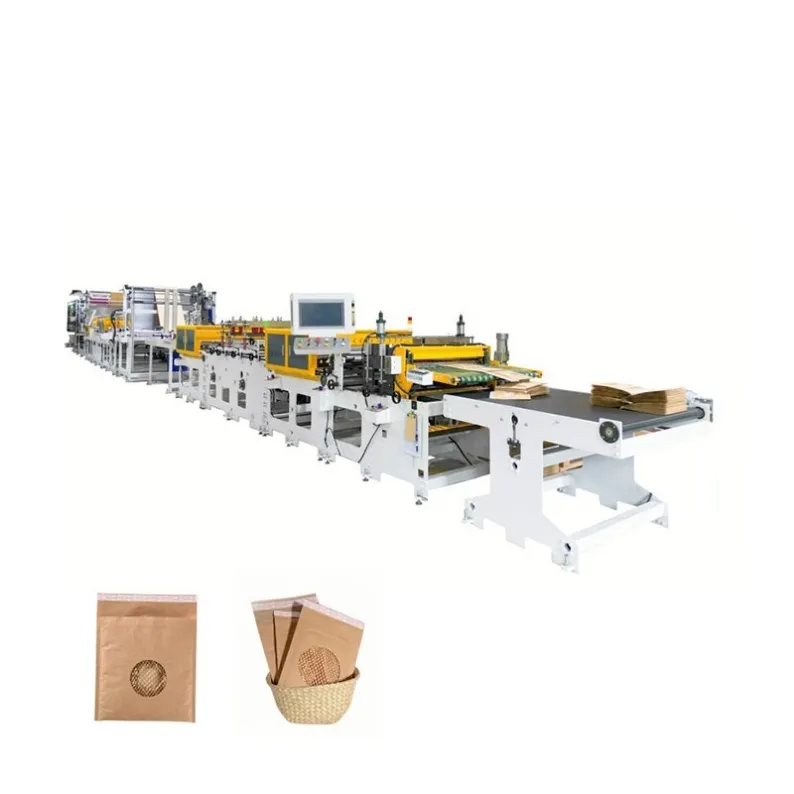
A padded mailer making machine turns protective shipping from a cost into a selling point. It produces branded, right-sized cushioned envelopes — paper-padded where curbside recycling matters, plastic-padded where puncture or moisture risk is extreme — at speed, with sealed integrity and batch-level traceability. This guide covers the materials, the machine and the payback, so you can scale sustainable shipping without slowing fulfilment.
What a Padded Mailer Making Machine Does
A padded mailer making machine automates the production of cushioned envelopes for e-commerce, 3PL, retail and spare-parts shipping. Compared with a carton plus void fill, a padded mailer right-sizes the package, speeds up fulfilment and creates a cleaner unboxing experience.
- Faster changeovers and automated sealing raise throughput.
- Right-sized cushioned mailers cut DIM weight and damage.
- Recyclable paper formats ease compliance and strengthen the brand.
- Batch traceability gives audit-ready documentation.
The machine matters because the envelope is the product's only protection in the last mile. A consistent seal, a consistent pad and a consistent size are what keep damage down and audits clean — and a commodity machine that drifts on any of the three gives all three away.
Materials: Paper Padded vs. Plastic Padded
Paper padded is the recommended format where curbside recycling matters. The outer is FSC-certified kraft or white paper at 80–180 gsm, printable for brand and labels. The inner pad is a fibre-padded layer, honeycomb or structured paper, or paper “bubbles” for shock absorption. Hot-melt or pressure-sensitive strips close the mailer, PFAS-free coatings are available, and recycling icons and disposal guidance are printed in line, aligned to local schemes. Multi-layer paper architectures absorb impact while staying form-stable in conveyors and parcel sorters.
Plastic padded earns its place where puncture or moisture risk is extreme. The outer is PE or co-ex film, which can include PCR content; the inner pad is air-bubble film with tuned bubble geometry and anti-slip textures; wide fins with controlled temperature and pressure give leak-free edges; and tamper-evident features, tear strips and printable films are available as add-ons. Use it for very sharp goods, high humidity or heavy friction in long-haul logistics, where plastic's puncture resistance pays.
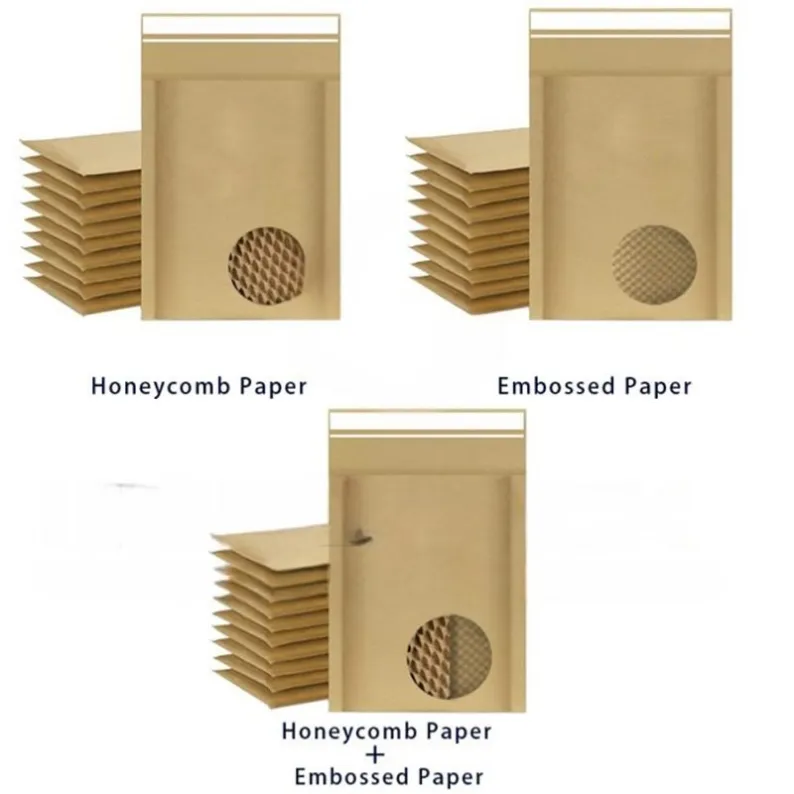
Honeycomb and embossed paper padded mailers — curbside-recyclable formats with a premium feel.
How the Machine Builds Durability
Durability is built station by station. A modern line runs seven stations, each with a job that shows up in the damage rate.
- Unwind and web control: servo unwind and web guides keep tension tight for paper or film.
- Lamination and padding feed: inserts the fibre pad, paper-bubble sheet or bubble film with precise registration.
- Forming and sealing: creates side, seam and folded edges; closed-loop heaters hold seal windows even with PCR film variability.
- Adhesive and tear strip application: consistent strip placement for fast, neat closures at pack stations.
- In-line print, code and label: logo, QR and lot or date codes for audits and marketplace rules.
- Inspection and rejection: vision or weight checks catch seal or registration errors in real time.
- Stacking and counting: ready-to-use stacks reduce time at pack benches.
What separates a durable line from a commodity one is control: recipe locks and OEE screens prevent drift and hold speed on tougher substrates; auto-splicing keeps uptime high by changing reels without stopping the line; and vision and pressure checks slash the micro-leakers and mis-applied strips that cause returns.
Paper vs. Plastic: Quick Comparison
- Recyclability: paper — curbside recyclable in many markets, with strong consumer acceptance; plastic — varies by region and stream, with stronger puncture and moisture resistance.
- Brand feel: paper — premium, luxurious, natural look; plastic — clean, glossy and customisable films.
- Durability in transit: paper — high with a structured paper pad or bubbles; plastic — very high with air-bubble films for sharp goods.
- Compliance narrative: paper — aligns with EPR and recyclability targets; plastic — requires design for recycling and clear labelling.
- Typical use: paper — apparel, books, beauty, accessories and DTC brands; plastic — electronics, metal parts, tools and humid or long-haul lanes.
Many networks run both formats: paper for the majority of SKUs and plastic padded for the truly demanding ones.
What It Returns: Speed, Damage and Audit Value
The payback shows up in four places. Envelope-style packs beat carton plus void fill by seconds per order, which scales to hours per shift; right-sized thickness and footprint cut DIM weight and “air shipments”; predictable shock absorption and better edge integrity mean fewer returns and refunds; and validated seal quality, audit logs and greener pack specs raise the capability value of the facility.
- Seal integrity first-pass yield of 99.5% or better with in-line checks.
- Damage and return rate down 20–40% against carton plus generic void fill, depending on SKU.
- Throughput up 10–25% from changeover and handling efficiencies.
- DIM weight savings measured per lane, with the biggest wins in peak season.
Three cases from the guide show the pattern. A books and media 3PL in the US switched to paper padded mailers for 80% of SKUs: returns due to corner crush fell 31% and packers handled 18% more orders per shift after training. A cosmetics DTC brand in the EU adopted branded paper padded mailers: unboxing satisfaction rose, mentions of “eco and premium” in customer content rose, and marketplace audits went more smoothly. A tools and parts exporter from APAC to the EU kept plastic padded mailers for sharp and heavy SKUs, validated seals across 30% PCR film without speed loss, and saw fewer puncture complaints.
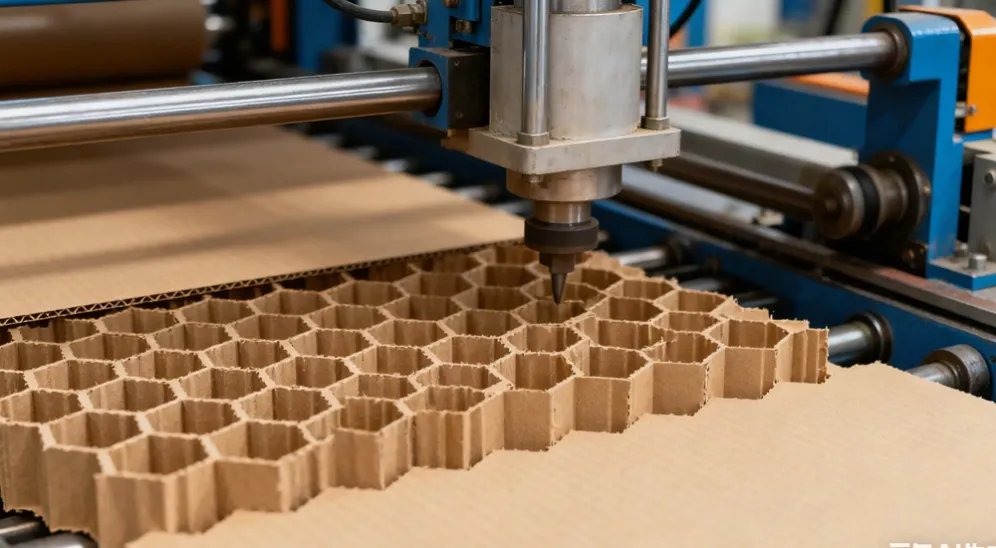
Honeycomb paper structure — the structured pad that gives paper mailers their shock absorption.
Buyer's Checklist
Use this checklist when you compare quotes — it separates a durable line from a commodity one.
- Performance and formats: mailer width and length range, pad thickness options, tear-strip specification, speed target at the heaviest configuration, and changeover time targets.
- Materials: paper — kraft grades, fibre pad and paper-bubble compatibility, PFAS-free options; film — PE or co-ex, PCR percentage windows, and a sealing-window DOE with your blends.
- Automation and data: PLC and HMI with recipe locks, an OEE dashboard, vision or weight checks with reject logic, and in-line print and labelling for logos, QR codes and region-specific recycling marks.
- Compliance and audit: recyclability labelling aligned to each market, and batch traceability with audit logs exportable as CSV or API.
- Serviceability: MTBF and MTTR targets, remote diagnostics, a local spares kit, and a factory and site acceptance test plus operator and maintenance training.
Frequently Asked Questions
What does a padded mailer making machine produce? Ready-to-use cushioned envelopes — paper or plastic padded — for fast, protective e-commerce shipping.
Is paper padded as protective as plastic bubble mailers? For most SKUs, yes — structured paper pads or paper “bubbles” deliver reliable shock absorption. For very sharp or heavy goods, plastic padded still wins.
Can I print branding and recycling icons on the mailer? Yes. Inline print and label modules add logos, QR codes and region-aligned recycling marks.
Will it run PCR films or thick kraft without slowing down? With the right sealing-window control and nip management, modern lines maintain speed on both.
Talk to Hangjia Machinery
If padded mailers are the right format for your operation, start with the machines that make them. Browse the Mailer & Envelope Machines range, compare the paper and plastic padded models against your SKU mix and daily volume, and then contact us with your mailer sizes, pad requirements and target throughput. Hangjia Machinery will help you specify the line and arrange a trial on your own products.