Padded Mailers Segmented by Kraft Paper, Polyethylene, & Fiber-based Materials from 2025 to 2035
Kraft paper, polyethylene or fiber-based: which padded mailer material fits your product, your volumes and your sustainability goals — and what machine to choose for each.
Padded mailers are not one product. They are a family of protective mailers segmented by material, closure, capacity and size — and the segment you choose decides how much protection your product gets, how much it costs to post and whether the mailer fits your sustainability policy. For a buyer, the useful question is not which padded mailer is best in general, but which material and format fit the product, the weight and the volumes you actually ship.
The market in brief
The market data in this guide comes from Data Bridge Market Research, which values the global padded mailer market at USD 1.68 billion in 2022 and forecasts USD 2.56 billion by 2030, a compound annual growth rate of 5.40% from 2023 to 2030. The forecast period is 2023 to 2030, with 2022 as the base year and 2021 as the historic year. That growth is driven by e-commerce: global e-commerce sales reached USD 25.6 trillion in 2018, up 8% on 2017, and accounted for around 30% of world GDP, according to UNCTAD. North America is the dominant region for padded mailers, and Asia-Pacific is the fastest-growing region from 2023 to 2030. The main companies named in the report include 3M, Sealed Air, Intertape Polymer Group, ProAmpac and VP Group. For a machine buyer, the point of those numbers is simple: padded mailers are a growing, mainstream format, and the choice of material and machine is a decision that will matter for years.
Segmented by material: kraft paper, polyethylene and fiber-based
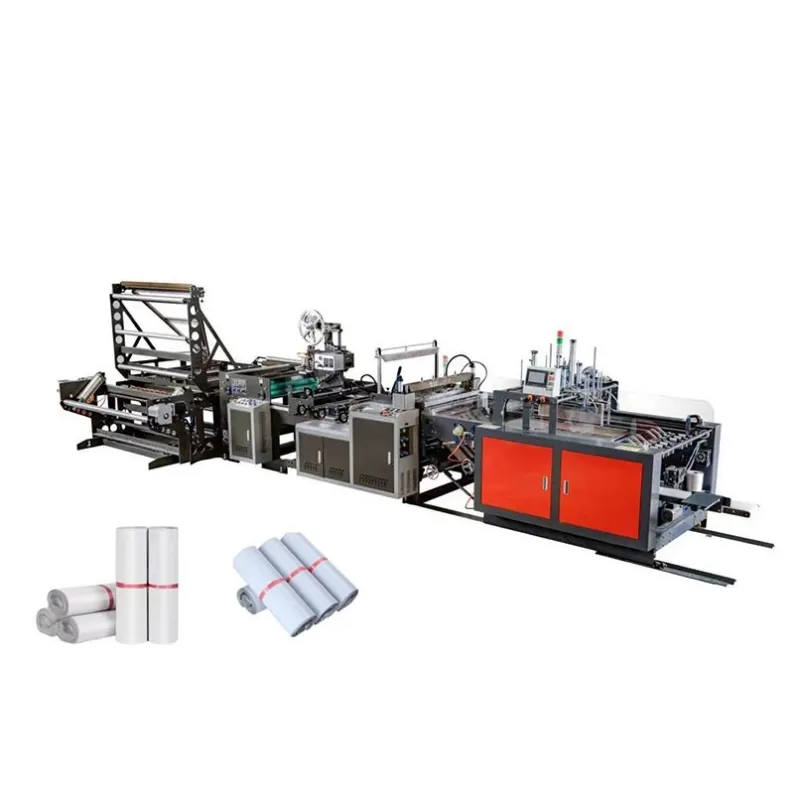
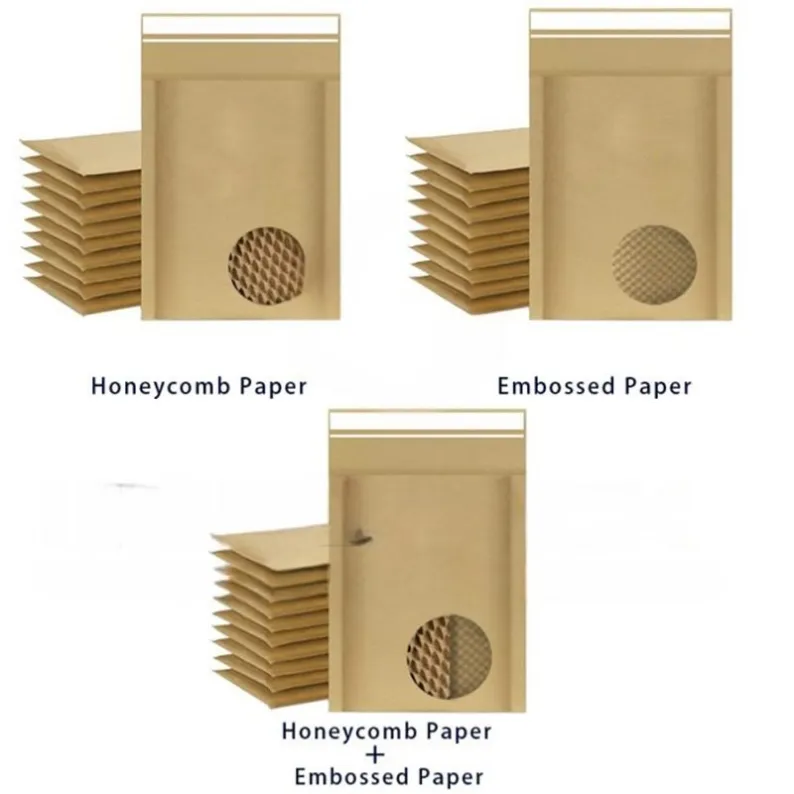
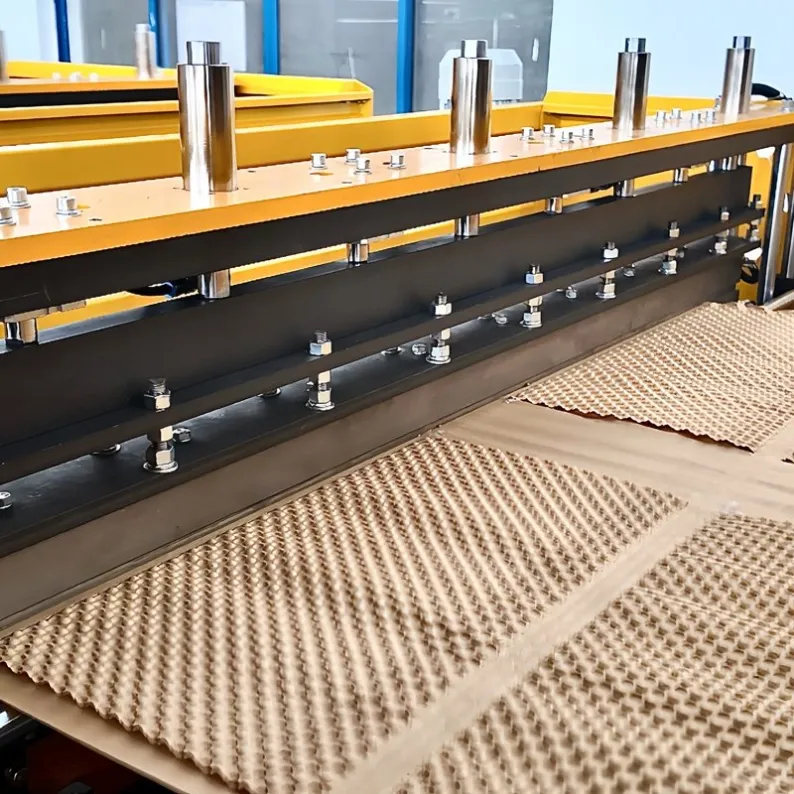
The title segmentation is by material, and it is the most important choice. Kraft paper padded mailers are made from white or brown kraft paper. They are the paper option: recyclable, plastic-free in presentation and a natural fit for businesses that want a curbside-recyclable mailer. Polyethylene padded mailers are made from plastic film, in high-density polyethylene (HDPE) and in low-density and linear low-density polyethylene (LDPE and LLDPE). They are lightweight, water-resistant and familiar, but they are plastic, and that is a disadvantage where customers and regulators expect paper packaging. Fiber-based padded mailers are the third group: mailers built from fiber materials, including paper-based cushioning such as honeycomb and embossed paper, which give protection without a plastic bubble layer. The buying question is therefore about the trade-off: kraft paper and fiber-based mailers suit a plastic-free, recyclable claim, while polyethylene suits a buyer who needs water resistance and the lowest weight above all else. Hangjia Machinery makes paper mailer machines, so the kraft paper and fiber-based segments are the ones its lines are built for.
Segmented by type, capacity and size
Beyond material, padded mailers are segmented in three more ways, and each one is a buying specification. By type, there are self-seal mailers and peel-and-seal mailers, both closed with an adhesive strip that makes packing fast and keeps the mailer disposable after a single use. By capacity, the segments are less than 300 grams, 300 to 500 grams, 500 to 1000 grams, 1000 to 2000 grams, and more than 2000 grams. By size, the common sizes in the report are 10 by 13 inches, 9 by 12 inches and 6 by 9 inches. For a buyer, those three segmentations translate directly into a specification: what closure does the packing bench need, what weight will the mailer carry, and what size does the product need. A mailer that is too large for its contents costs more to post and needs more filling; a mailer that is too small for its weight will not protect the product. The right machine is the one that can make the sizes and capacities in your range, with the closure your packers work with.
Where padded mailers are used
Padded mailers are used wherever a flat or light item needs cushioning in the post. The applications named in the report are pharmaceuticals, electrical and electronics, automotive, food and beverages, cosmetics and personal care, books and audio CDs, jewelry, gifts, frames, watches and novelties, e-commerce, logistics and transportation, videocassettes, and other uses. The distribution channels are supermarkets and hypermarkets, e-commerce, specialty stores and others, with e-commerce the channel that matters most for a machine buyer. That list is a useful check: if your products are in one of those groups — electronics, cosmetics, jewelry, books, pharmaceuticals or any light, breakable e-commerce item — a padded mailer is the format your customers already expect, and the question is which material and size to make.
What is driving demand, and what holds it back
Demand is driven by the growth of e-commerce and by the format itself. Padded mailers are lightweight, cost-effective and space-saving, they are disposable and easy to use with an adhesive strip, and e-commerce growth, including the growth after COVID-19, has put more fragile and light items into the post. The opportunity in the report is in more sustainable materials: bioplastic padded mailers, curbside-recyclable paper padded mailers and eco-bubble materials such as Polycell, which is partially made of polyethylene with degradable oxo-biodegradable additives, and which was a Henkel 2019 Diamond finalist. Two recent examples show the direction: in 2021, Georgia-Pacific extended its curbside-recyclable paper padded mailers to Jonestown, Pennsylvania and McDonough, Georgia, and in 2020, PREGIS launched the MAX-PRO 24 poly bagging system, an automated pass-through system that increased productivity and needed less labour. The restraints are the high cost of raw materials, environmental concerns about plastic mailers and political influences on packaging. In short, the market is growing, but it is growing toward paper and recyclable formats, and away from plastic.
What this means when you choose a machine
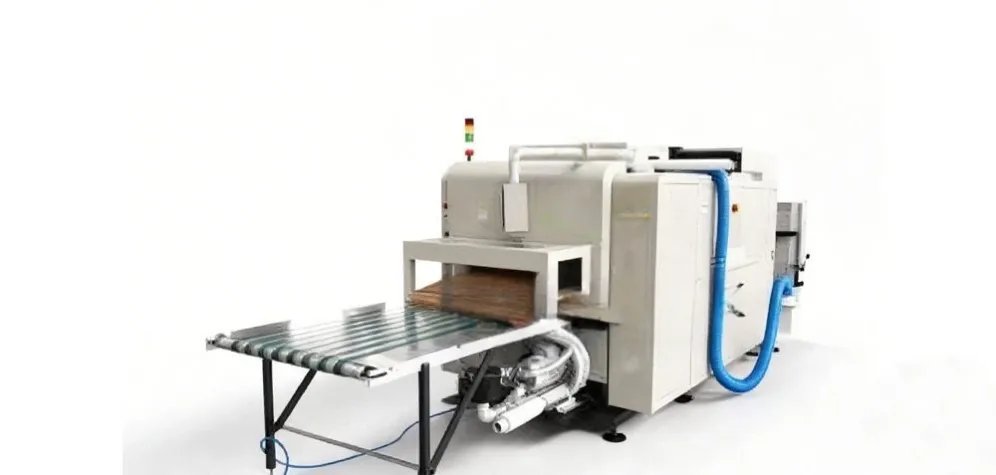
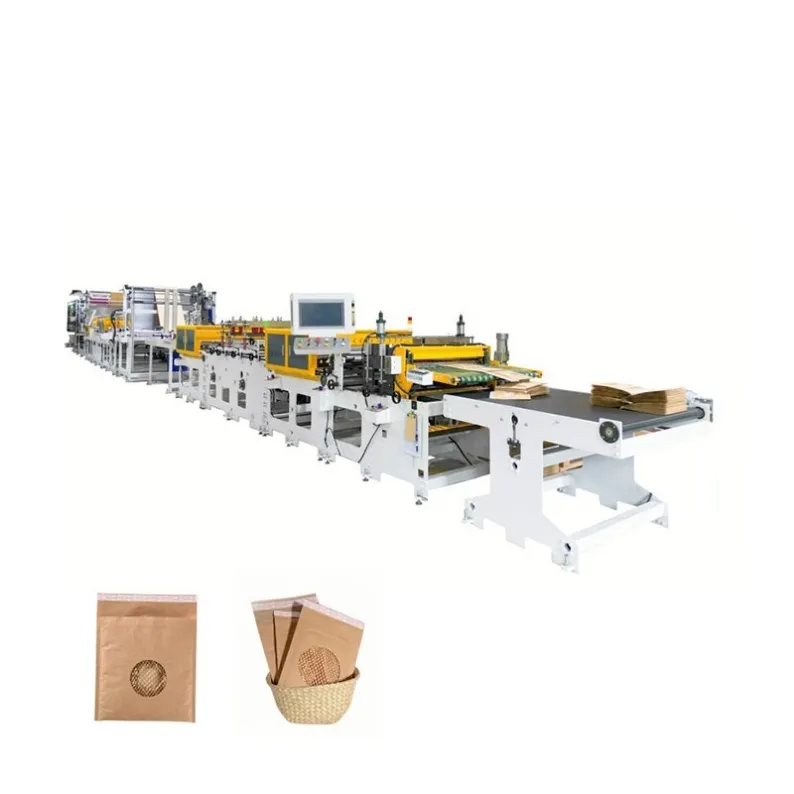
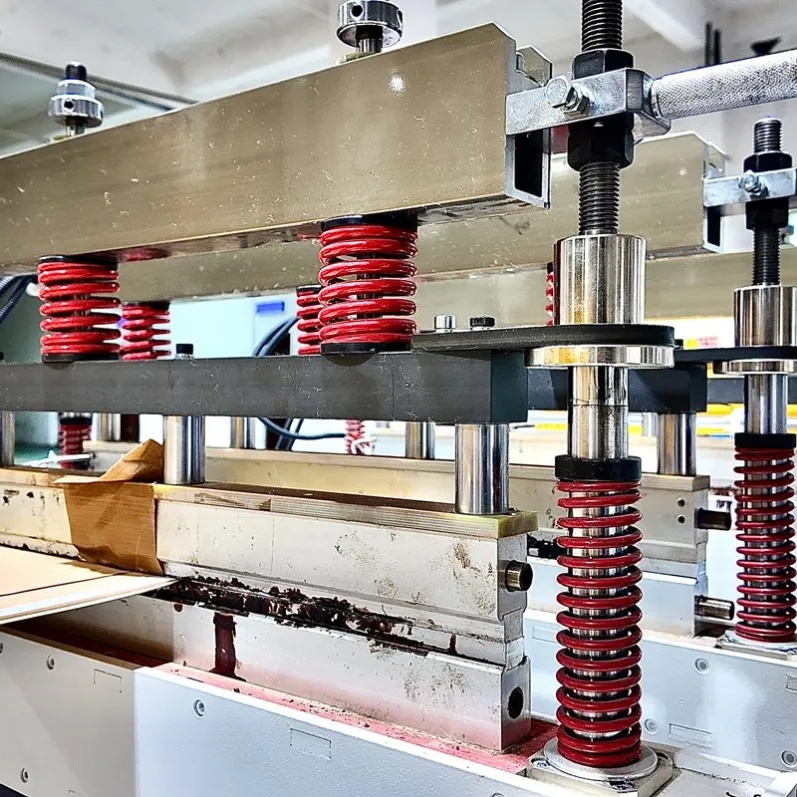
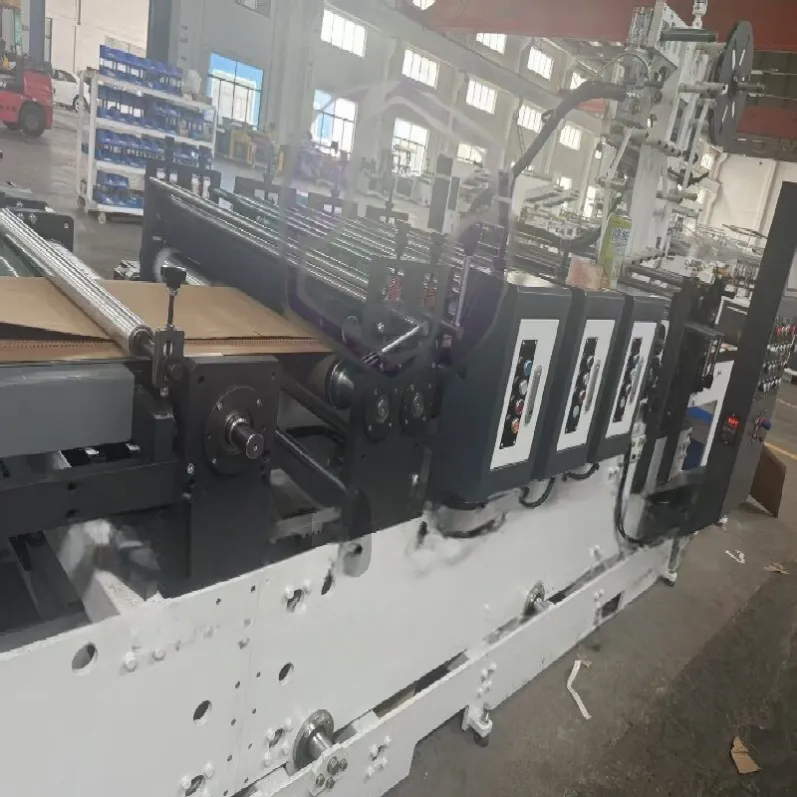
For a machine buyer, the segmentation is a specification sheet. Start with material: if your customers expect a recyclable, plastic-free mailer, choose a kraft paper or fiber-based padded mailer line, and check that it can make the honeycomb or embossed cushioning your products need. Then choose capacity and size: list the weights and sizes you ship most often — the segments above give you the bands — and make sure the machine covers them. Then choose the closure your packers can work with quickly, self-seal or peel-and-seal, and check the output against your daily volumes. Finally, check the sustainability story you will tell: a curbside-recyclable paper padded mailer is a claim you can make to customers, while a polyethylene mailer needs a different story. A machine that only makes one material, one size or one closure will limit what you can sell; a line that covers your range of materials, sizes and capacities will not.
Padded mailers are a growing market, and the growth is toward paper. The global market was USD 1.68 billion in 2022 and is forecast at USD 2.56 billion by 2030, with e-commerce driving demand and paper and fiber-based materials winning the sustainability argument. Choose the material for your product and your customers, choose the capacity and size for what you actually ship, and choose a machine that can make that range. Compare mailer and envelope machines to see the paper mailer lines that make kraft paper and fiber-based padded mailers, and contact us to discuss the products you ship, their weight and size, and the volumes you need each day.