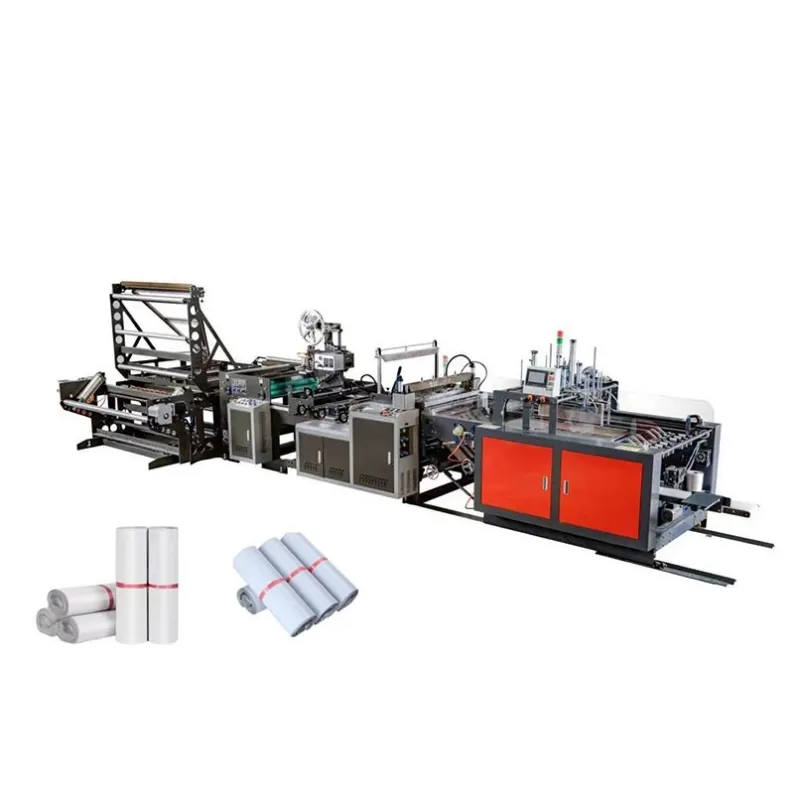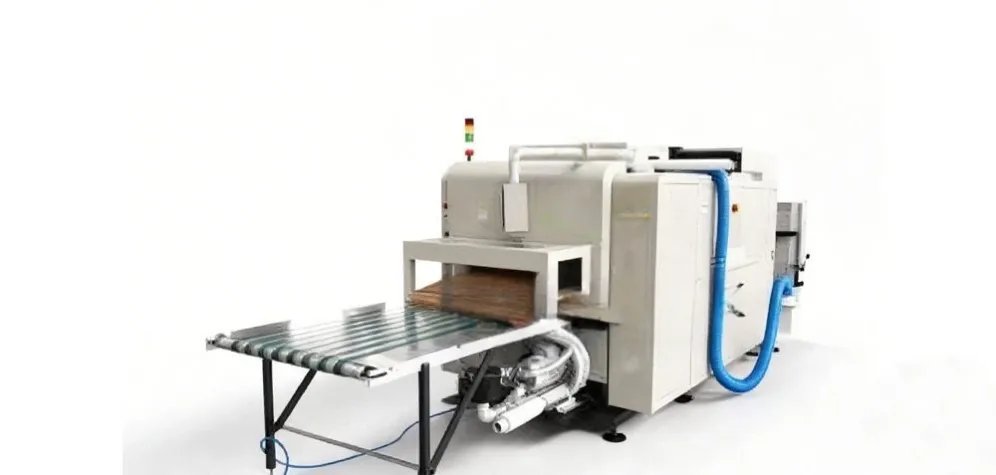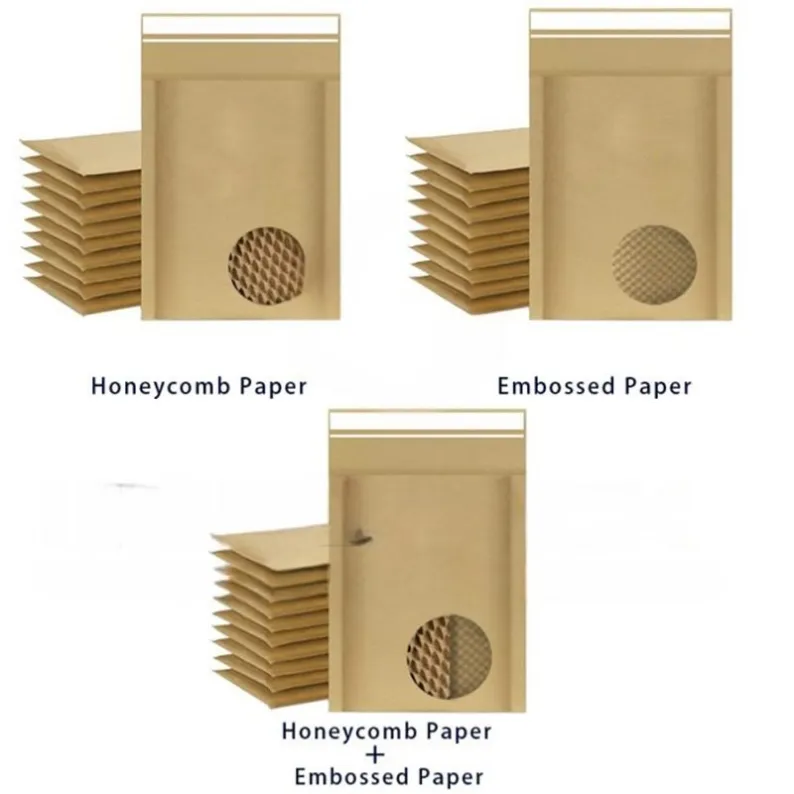
Paper Air Bubble Making Machine: The Future of Sustainable Protective Packaging
A paper air bubble machine replaces plastic bubble wrap with the same cushioning power — FSC-certified paper, fully recyclable. This guide covers the machine, the evidence and the payback.
A paper air bubble making machine replaces plastic bubble wrap with the same cushioning power — made from FSC-certified paper, at up to 30 metres per minute, and fully recyclable. For e-commerce warehouses, logistics providers and manufacturers facing plastic taxes, bans and audit penalties, it is the fastest way to keep protection while removing plastic from the box. This guide explains what the machine does, what it costs to run and what the evidence says it returns.
What a Paper Air Bubble Machine Does
A paper air bubble making machine converts kraft or recycled paper into protective, air-cushioned bubble wrap. The paper bubble provides comparable or superior cushioning to plastic bubble materials while offering full recyclability and a premium brand aesthetic. It serves e-commerce warehouses, logistics providers and manufacturers that want to streamline protective packaging while staying ahead of regulatory compliance and sustainability goals.
The machine matters because the wrap is the product's only protection in the last mile — and the customer's first impression. A consistent bubble, a consistent seal and a consistent size are what keep damage down, audits clean and unboxing reviews positive.
Why Paper Bubble: Five Benefits
- Luxurious aesthetic: a clean, modern look for brand packaging.
- Durability: cushioning strength suitable for fragile items, with multi-layer options for high-fragility goods.
- Higher perceived value: customers equate paper with premium — one source-quoted study reports 3x higher consumer satisfaction for paper-wrapped products than plastic bubbles.
- Regulatory safe: avoids plastic taxes or bans, and FSC-certified paper with EN13430 recyclability supports export compliance.
- Automation ready: works with packing lines, conveyors or manual stations, at variable speed up to 30 metres per minute.
Materials and Engineering
The material set is deliberately simple. FSC-certified kraft paper is the standard substrate, with recyclable and biodegradable options; optional water-resistant coatings are PFAS-free. Because the wrap is paper, it can be recycled with paper where collection exists — no separation, no film stream, no special instruction beyond the local paper scheme.
Precision bubble moulding produces uniform cushioning bubbles, with adjustable bubble size from small to jumbo, automatic paper feeding and cutting, and a noise-reduced mechanism for indoor use. Touchscreen PLC control stores the settings for each paper grade, and the line integrates with conveyors or manual stations. The machine's high-speed mould rollers prevent tear lines and overheating — two issues common in low-cost alternatives, where torn bubbles and scorched paper are the usual failure modes.
Maintenance is minimal: routine cleaning, a monthly inspection and an auto-oiler system are included, so the line needs little more than a daily check and a monthly look-over.
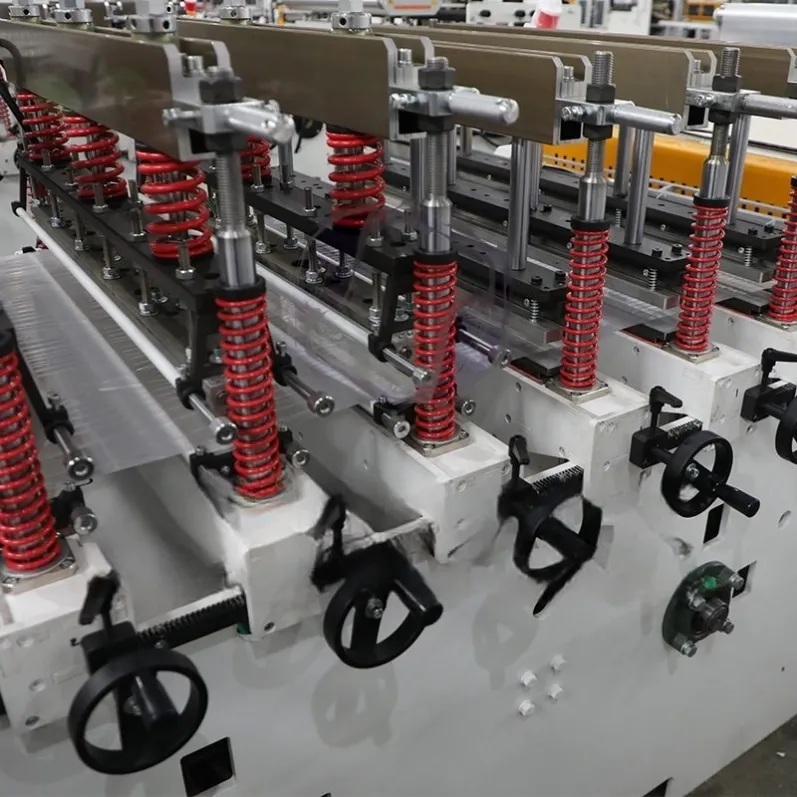
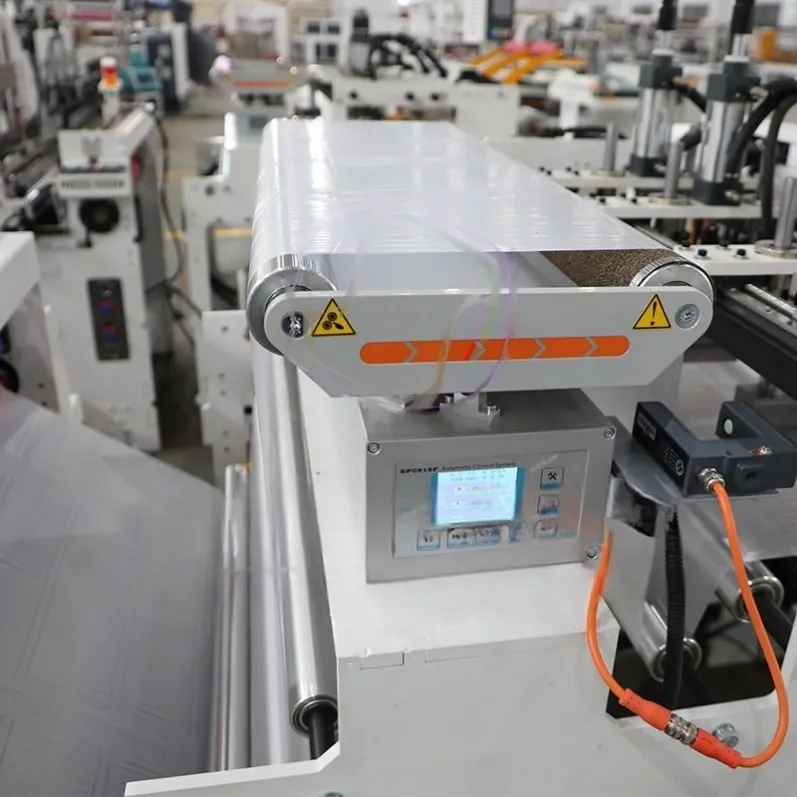
A close-up of the sealing and feeding section of an air bubble making machine.
What the Evidence Says
A study cited in the source — the EPA Sustainable Packaging Study (2023), via the European Packaging Alliance — reports that paper-based cushioning materials reduce CO2 emissions by 36% over plastic alternatives, that 87% of consumers prefer unboxing paper over plastic, and that countries with plastic bans showed a 41% higher conversion rate for businesses using recyclable packaging. Treat these as the cited study's findings, and test the claim on your own products before using it in marketing.
Industry voices in the source make the same point. Sophie Zhang, Senior Analyst at the Global Packaging Index, says the shift to paper cushioning is “no longer a trend — it's a survival strategy for exporters.” Michael Ruiz, Director of Customer Retention at D2C Logistics Co., reports a 3x increase in consumer satisfaction for products wrapped in paper versus plastic bubbles. Both quotes are from the source guide; use them as the guide's evidence, not as independent verification.
Three Cases
- European electronics exporter: switched to a paper air bubble machine in Q2 2024, reduced breakage by 22%, improved pack speed by 45% and passed an EU audit without remark.
- Luxury skincare brand: integrated a paper bubble system into e-commerce operations; customer reviews citing “beautiful packaging” rose by 31% within three months.
- US third-party logistics provider: replaced plastic bubbles across all locations and saved $18,000 per quarter in plastic tax penalties.
Three different operations, one pattern: less breakage, faster packing and lower compliance cost — and the brand benefit of paper that customers notice.
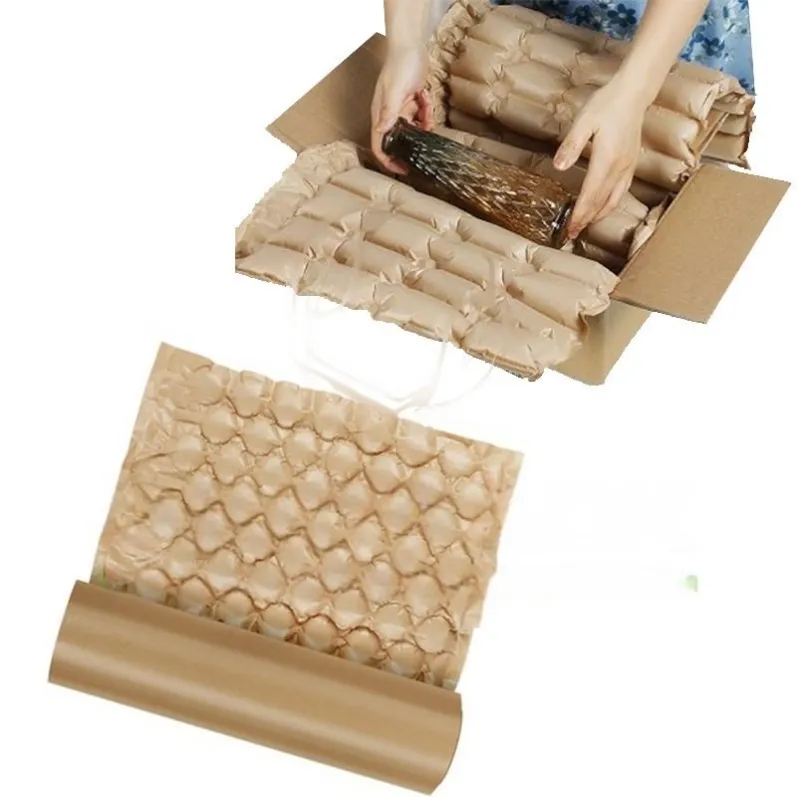
Paper bubble wrap protecting a glass item in a carton — the same cushioning power as plastic bubble wrap, made from paper.
When Paper Bubble Is Not the Answer
Paper bubble is not the right answer for everything. Very sharp or very heavy goods can puncture or crush paper bubbles, and uncoated paper loses strength in high humidity — use a PFAS-free water-resistant coating, or keep plastic padded formats for those lanes. The honest rule is the same as for any protective format: trial it with your heaviest and sharpest products before you commit.
Buyer's Checklist
Use this checklist when you compare quotes — it separates a durable machine from a low-cost alternative.
- Performance: bubble size range (small to jumbo), multi-layer support, variable speed up to 30 metres per minute, and the paper grades the machine runs — kraft and recycled.
- Materials and compliance: FSC-certified paper, EN13430 recyclability, PFAS-free water-resistant coatings where needed, and labelling that matches the markets you ship to.
- Automation and control: touchscreen PLC with stored recipes, integration with conveyors or manual stations, and a noise-reduced mechanism for indoor use.
- Service: routine cleaning, monthly inspection, an auto-oiler system, and a factory and site acceptance test on your own paper grades and products.
Frequently Asked Questions
What is a paper air bubble machine used for? It creates recyclable bubble wrap alternatives for protective packaging.
Is paper bubble wrap as strong as plastic? Yes. With multilayer options, it meets or exceeds drop and shock standards for fragile items.
Can I customise the bubble size and shape? Yes — variable bubble patterns and thickness are available on the machine.
Does paper bubble wrap meet export packaging standards? Yes. FSC-certified paper and EN13430 recyclability ensure compliance.
What maintenance does the machine need? Minimal — routine cleaning, monthly inspection and an auto-oiler system are included.
Talk to Hangjia Machinery
If paper is the future of your protective packaging, start with the machine that makes it. Browse the Air Cushion Machines range, compare the paper air bubble models against your product mix and daily volume, and then contact us with your paper grades, bubble sizes and target pack rate. Hangjia Machinery will help you specify the machine and arrange a trial on your own products.