Paper Honeycomb Sheet – The Future of Sustainable Packaging
A paper honeycomb sheet gives you the strength of a heavy board at a fraction of the weight — and it is fully recyclable. This guide covers what it is, where it works and how to choose it.
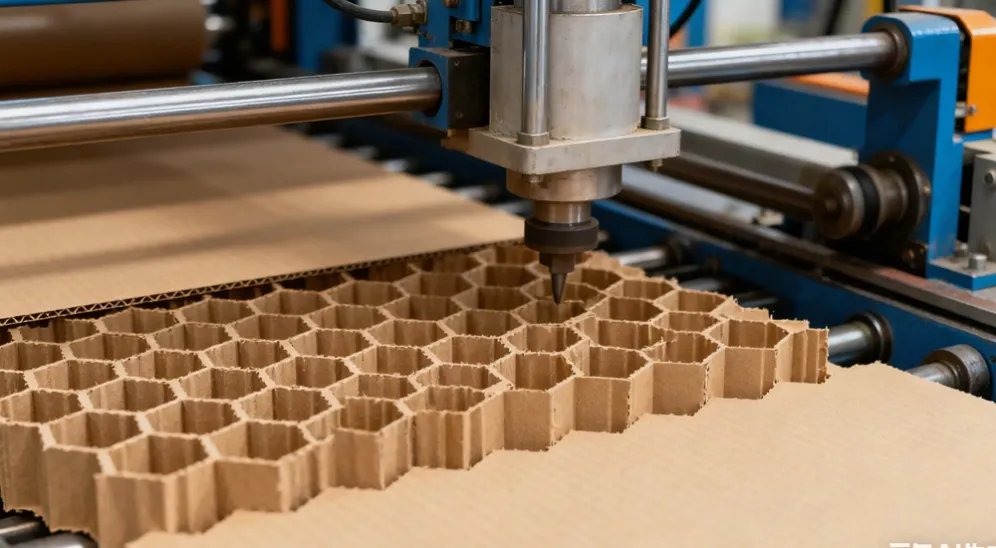
A paper honeycomb sheet is a lightweight panel made from kraft paper formed into a hexagonal core and bonded between face sheets. It gives shippers and manufacturers the strength of a much heavier board at a fraction of the weight, and it is fully recyclable. If you pack heavy, flat or fragile goods and want to cut both freight cost and plastic use, it is one of the most practical sustainable materials to test first.
What a Paper Honeycomb Sheet Actually Is
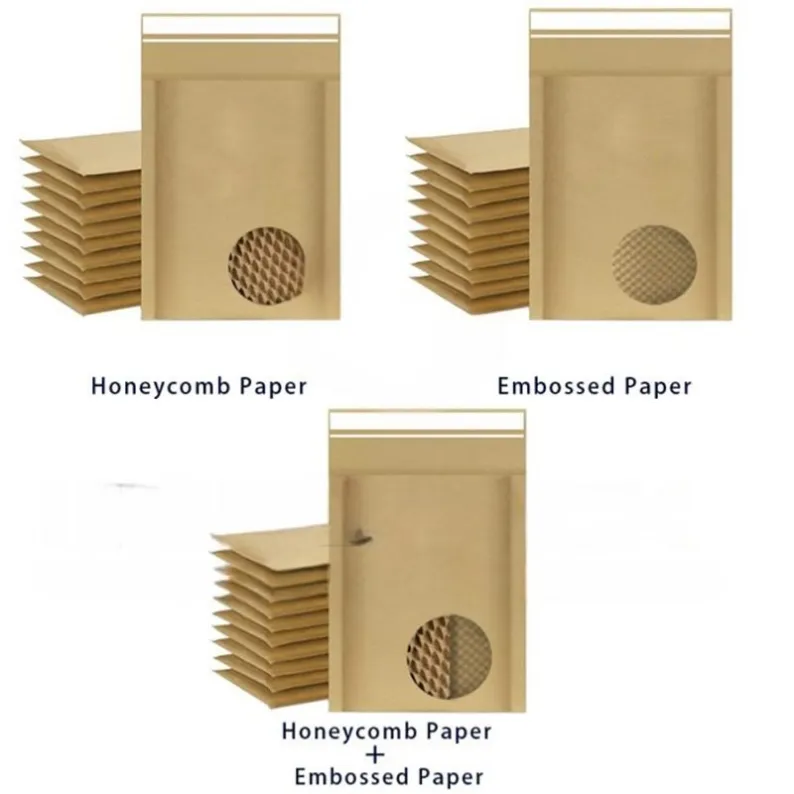
A honeycomb sheet copies the structure of a beehive: kraft paper is formed into a grid of hexagonal cells and bonded between two flat face sheets. The hexagons spread any load across the whole panel, so the sheet is far stronger than its weight suggests. It is light to handle, easy to cut to size, and made entirely from paper, so it can go into normal paper recycling at the end of its life.
How It Compares With the Materials It Replaces
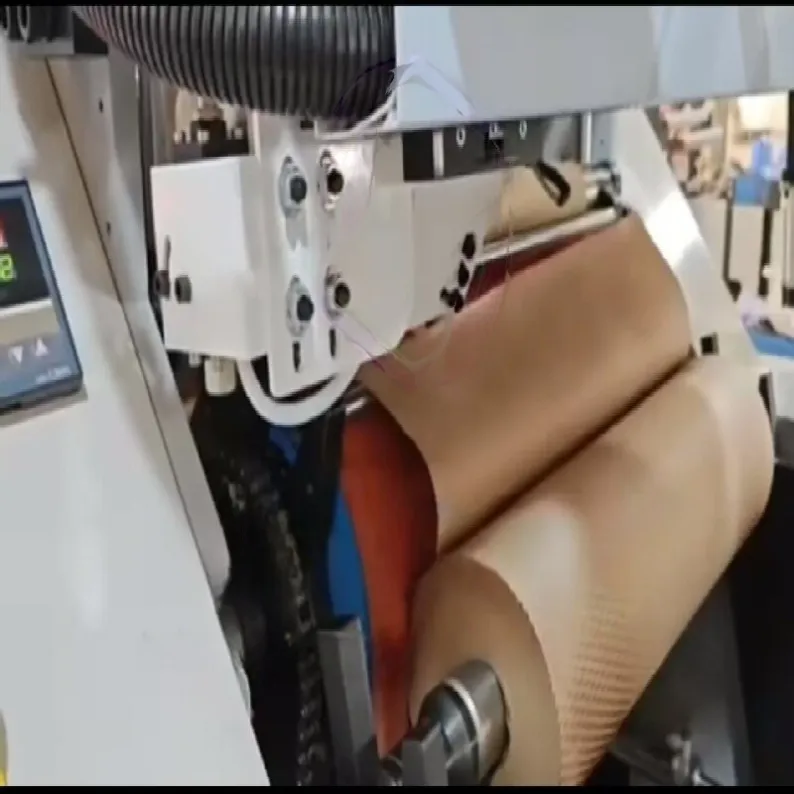
Against the materials it usually replaces, honeycomb paper wins on the combination of weight, strength and recyclability. Plastic foam is light but hard to recycle through household streams, and it can attract plastic packaging taxes in some markets. Solid corrugated board is strong but heavier for the same panel size, which adds freight cost. Honeycomb gives you a rigid, protective panel that is lighter than board and recyclable in a way foam is not.
Where It Works Best
Honeycomb sheets are used wherever a light, rigid panel is needed:
- Logistics and shipping: pallets, edge protectors, void fill and interleaving for heavy or fragile goods.
- Furniture: flat-pack panels, table tops and protective layers that need to be light enough to ship.
- Automotive: door panels, interior parts and protective packaging for components.
- E-commerce: protective packaging for large, flat or fragile items that cannot travel in a plain carton.
- Construction: temporary panels, doors and partitions where weight matters.
If your product is flat, heavy or easily scratched, honeycomb is usually worth a trial.
How Honeycomb Sheets Are Made
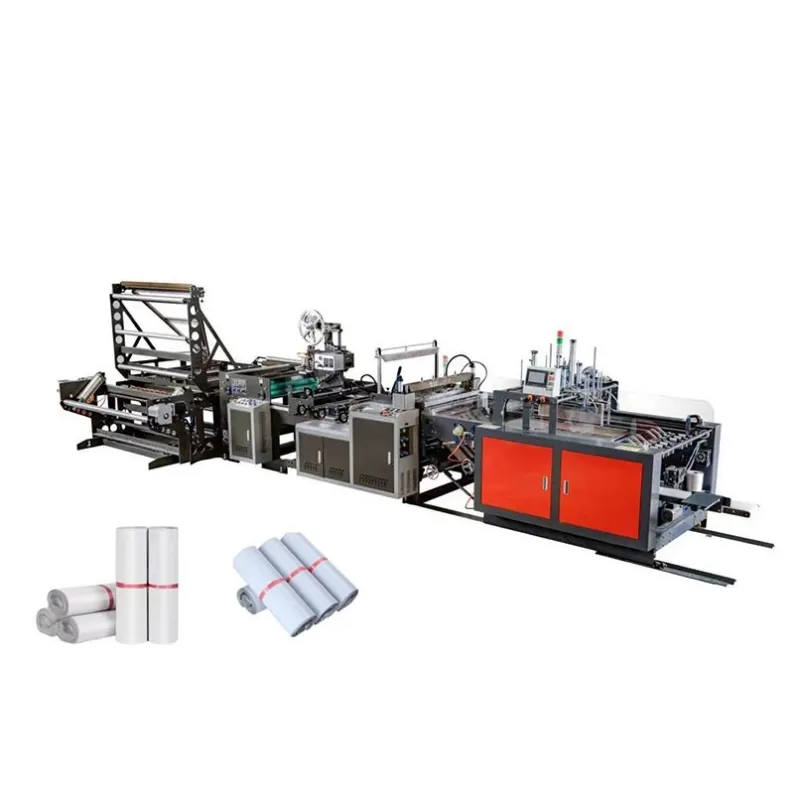
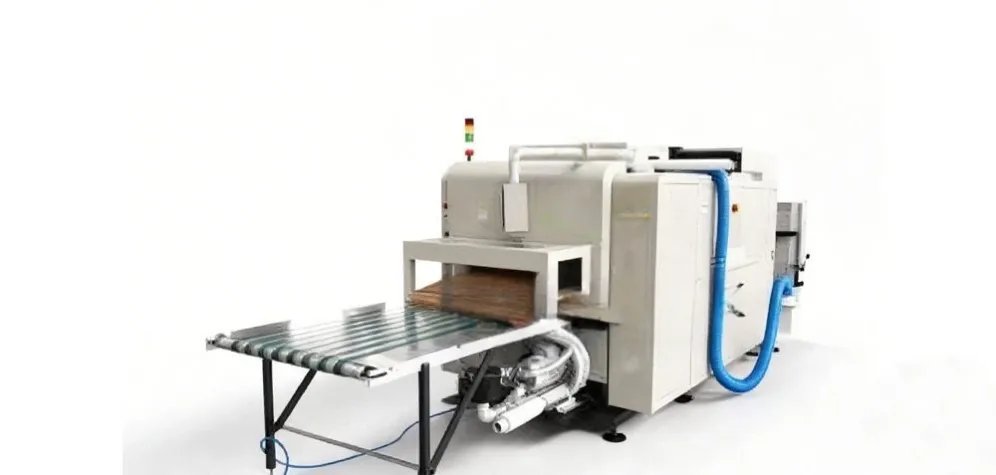
An automatic honeycomb paper machine makes the sheets in a continuous process. It feeds kraft paper from rolls, layers and bonds it with adhesive, expands it into the hexagonal cell structure, and cuts the finished sheet to size. Automation keeps the cell size consistent and the output fast, so a small team can produce a large volume of sheets without the labour of hand assembly.
What It Costs — and What It Saves
The cost case for honeycomb is mostly a freight and damage case. The sheets are light, so a pallet protected with honeycomb weighs less than one protected with solid board or foam, and lighter loads cost less to ship. Damage falls because the panel spreads impact across the whole sheet instead of letting it concentrate on one point. And because the material is paper, there is no special disposal cost at the end — it goes into the same recycling stream as the carton it protects.
How to Choose the Right Sheet and Machine
Choose the sheet by the load it has to carry. Check the cell size, the sheet thickness and the weight of the face sheets, and match them to the weight and shape of your product. Then check the machine: can it make the sheet sizes you need, at the volumes you need, and can it change size without a long stop? Ask for a trial with your own products before you commit — a short test with your heaviest item tells you more than a specification sheet.
What to Watch Before You Switch
Paper dislikes damp storage, so keep sheets and rolls dry and off wet floors. Very heavy point loads still need a thicker core or a heavier face sheet, so do not use the lightest sheet for the heaviest job. Sharp items need edge protection as well as a panel. And check the recycling rules in your customers' markets, so the claim on your packaging matches what their local recycling actually accepts.
A Clear Next Step
If honeycomb looks right for your products, the next step is to compare sheets and machines against the weight you need to protect and the volumes you ship. Browse Hangjia Machinery's Honeycomb Paper Machines to see the range, then contact us with your sheet sizes, volumes and the products you need to protect — we will help you work out which setup fits and what it would cost to run.