Paper Packaging Machinery: A 2025 Buyer's Guide to Speed, Protection, and ESG Wins
How to choose paper packaging machinery in 2025: realistic speed benchmarks, protection that holds up in transit, and the ESG evidence buyers now expect.
Paper packaging has moved from a niche choice to a mainstream fulfilment decision. For e-commerce and logistics teams, the question is no longer whether paper can protect a parcel, but which machine, at which speed, and with what evidence behind it.
What Counts as Paper Packaging Machinery
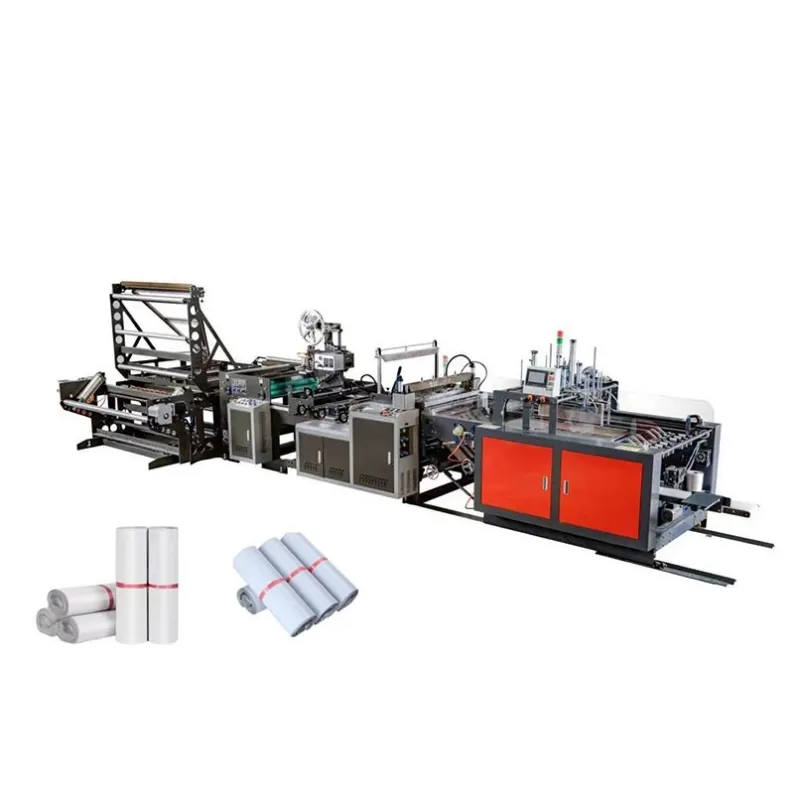
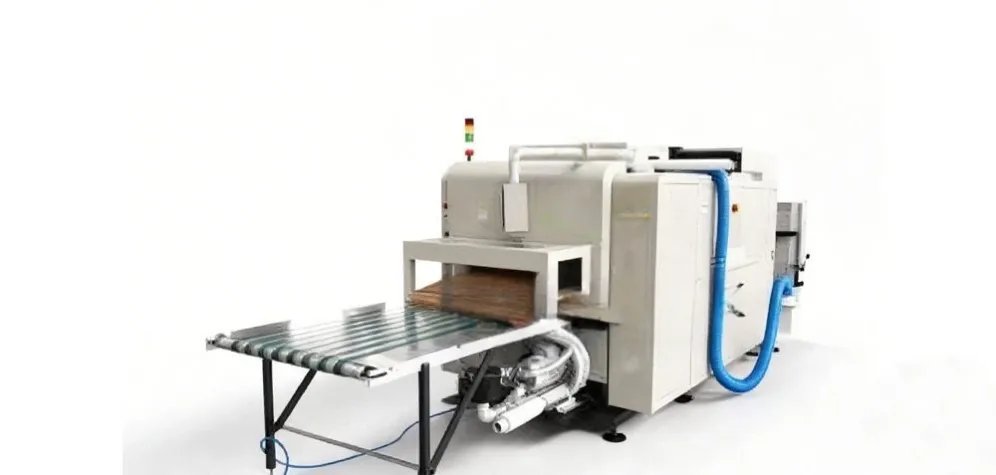
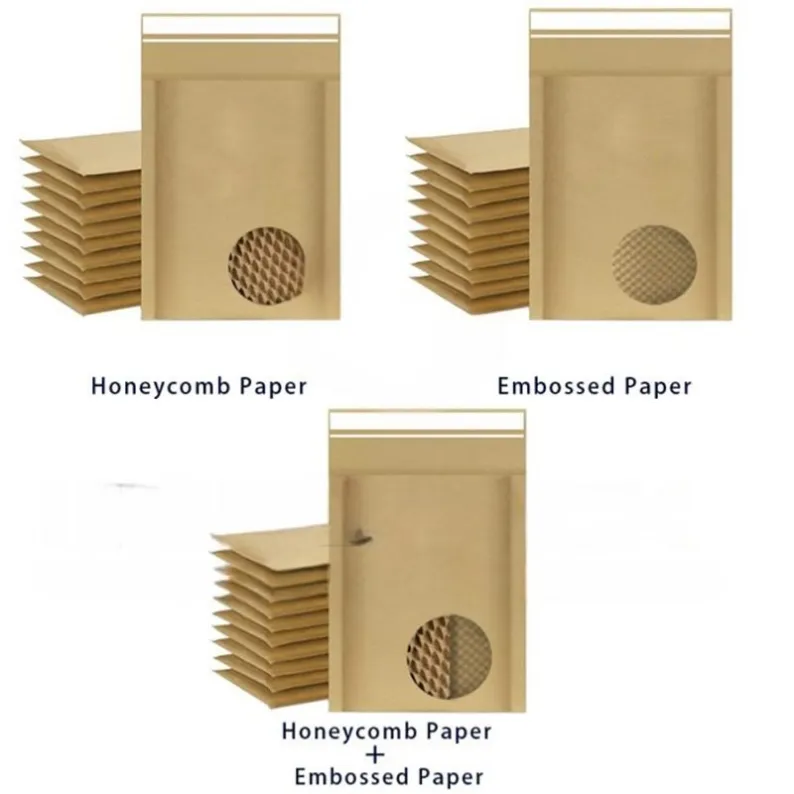
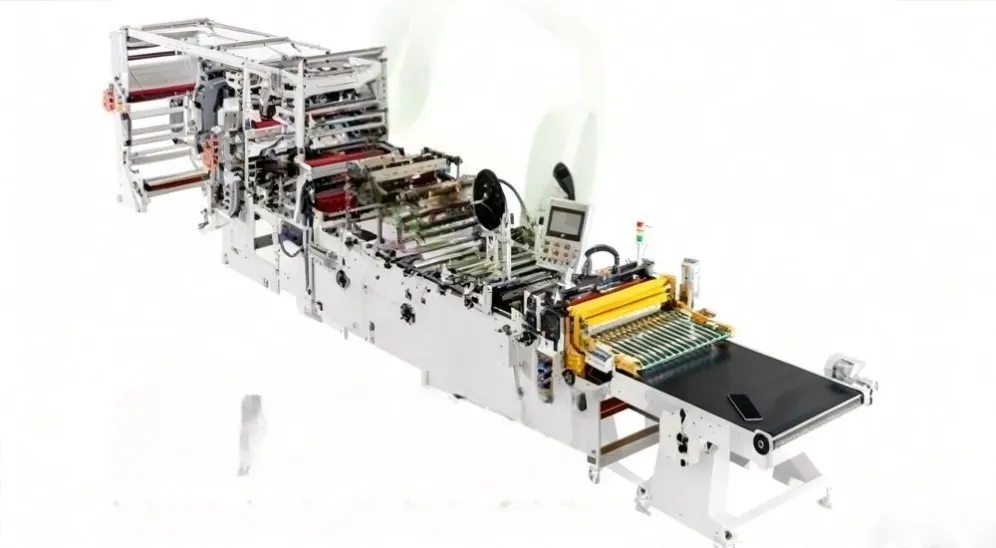
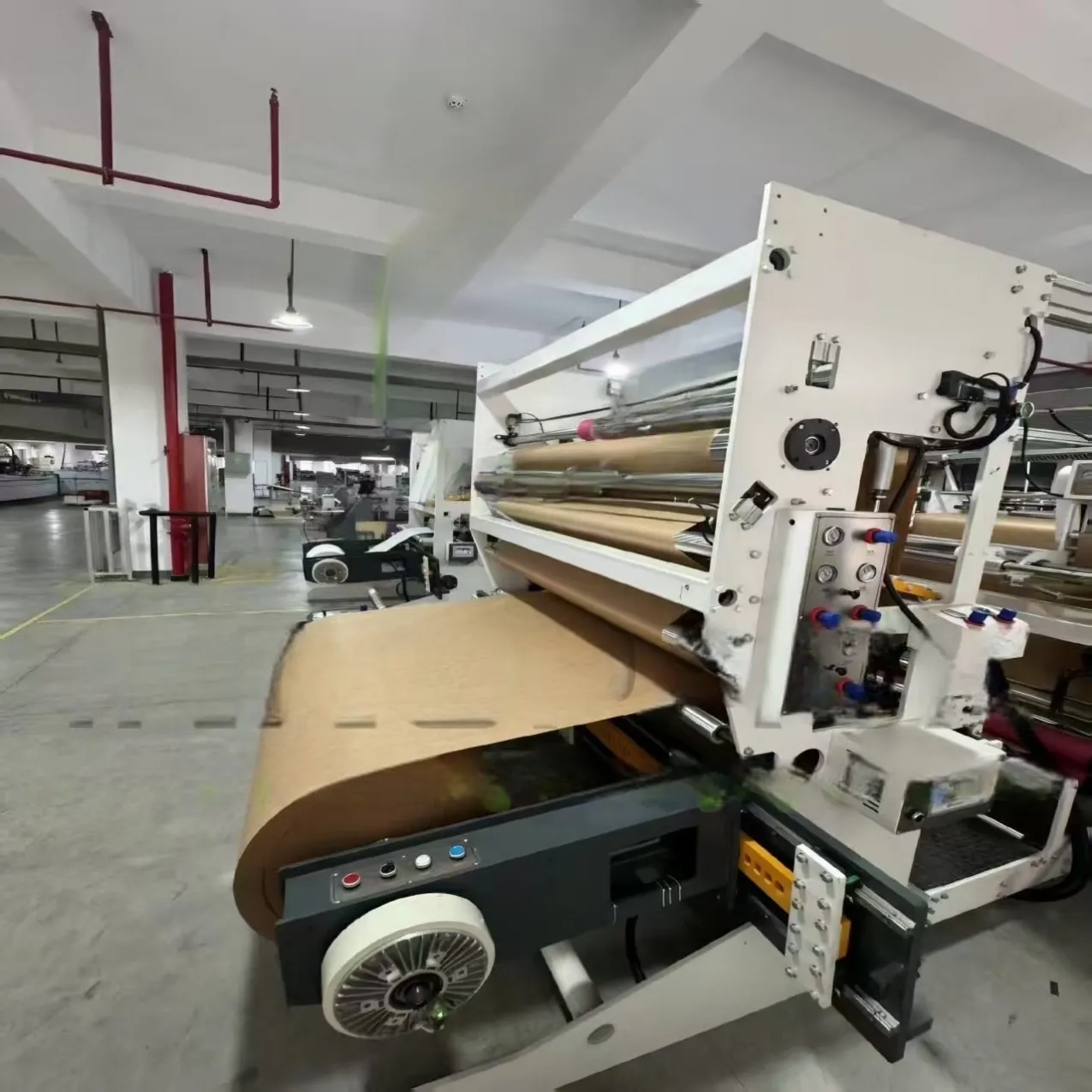
The term covers a wider family than most buyers first assume. It includes machines that form kraft paper mailers, cut honeycomb paper cushioning, fold fan-fold board into cartons, produce paper void fill, and seal boxes with paper tape. Each one solves a different part of the same problem: getting a parcel to the customer intact, without plastic, and without slowing the line down.
Speed: What Good Looks Like
Headline speeds only tell part of the story. A machine that runs fast on one standard size can stall on mixed orders, so ask for figures measured across your real range of SKUs. As a starting point, these are realistic 2025 benchmarks for well-tuned lines:
- Kraft paper mailer lines: 1,200 to 1,600 mailers per hour.
- Honeycomb paper cushioning: 18 to 28 packs per minute.
- Fan-fold carton forming: 600 to 900 cartons per hour.
- Paper void fill: 900 to 1,400 packs per hour.
- Paper tape and box sealing: 1,200 to 1,800 cartons per hour.
Treat any quote far above these numbers with care, and ask what changeover time, uptime and operator staffing were assumed. A line that holds 92 to 95 percent uptime with changeovers under ten minutes will usually beat a faster machine that stops often.
Protection Without the Plastic
Paper cushioning protects by structure, not by bulk. Honeycomb paper expands into a three-dimensional web, kraft mailers use layered paper for tear resistance, and crumpled paper void fill locks items in place. Set up well, a paper system typically uses 10 to 18 percent less void fill per order than the plastic setup it replaces, and damage-credit rates fall by 15 to 40 percent, depending on the product mix.
Tuning matters more than the material alone. Match the paper grammage, usually 70 to 110 gsm for cushioning, to the weight and fragility of what you ship, and test the result with a drop test of around 1.2 metres or an ISTA-style transit trial. If a supplier cannot show drop-test results for your heaviest and most fragile items, that is a warning sign.
The ESG and Compliance Case
For many buyers, sustainability is now a compliance question, not a marketing one. Extended producer responsibility rules and plastic taxes are raising the cost of single-use plastic, while the EU Packaging and Packaging Waste Regulation is pushing brands toward recyclable, paper-based formats. Paper packaging that is curbside recyclable, made from FSC or PEFC certified fibre, and documented with fibre and ink declarations is far easier to defend in an audit.
The gains are measurable: after a ten-day retune of pack presets, many operations cut dunnage per order by 25 to 40 percent. Keep the evidence together — fibre certificates, recyclability statements and EPR paperwork — so a customer or regulator asking for proof gets a straight answer.
What It Costs, and When It Pays Back
Paper packaging machines typically cost from 15,000 to 150,000 dollars, depending on format, speed and automation. The machine price is only part of the picture: add paper and consumables, energy, spare parts, maintenance and operator time, and weigh them against what you stop spending on plastic film, void fill and damage claims.
Payback is usually under twelve months when a site ships more than 2,000 parcels a day, runs three shifts, or is losing more than 15 percent of orders to damage credits. Below that volume, start with one format — often kraft mailers — and expand once the line is proven.
A 10-Day Rollout That Actually Works
A short, structured trial beats a long debate. Days one and two set the baseline: parcels per hour, damage rate and material used per order. Days three and four group products into a few pack presets. Days five and six run live trials on those presets, days seven and eight train operators, and days nine and ten measure the result against the baseline. Only then sign the machine off.
Buyer Checklist and Mistakes to Avoid
Before you buy, ask the supplier for drop-test results on your own products, a list of compatible paper grades, changeover times, spare-parts lead times and a service agreement with a stated response time. The most common mistakes are copying a plastic setup straight onto paper, testing with only one product size, ignoring the carton library, and forgetting EPR documentation until an audit asks for it.
Frequently Asked Questions
How fast is a kraft paper mailer machine? A well-tuned line makes 1,200 to 1,600 mailers per hour. Can paper replace air pillows? In most e-commerce orders, yes — with 10 to 18 percent less void fill. What does a machine cost? From 15,000 to 150,000 dollars, with payback in under a year at higher volumes. Which formats are easiest to recycle? Uncoated, curbside-recyclable paper with FSC or PEFC certified fibre.
If you are comparing formats for your own line, browse the Mailer & Envelope Machines range or contact Hangjia Machinery to discuss your products, volumes and pack sizes.