Paper Packaging Machinery Innovation Will Change the Packaging Industry in 2025
Paper packaging machinery is reshaping 2025 operations — precision servo control, in-line QA and recyclable materials. The data, the ROI and the use cases that prove paper can replace plastic.
Paper packaging machinery has moved from a niche alternative to the default choice for brands that want to cut plastic without cutting corners. In 2025, the question buyers ask is no longer whether paper can replace plastic cushioning or mailers — it is how to deploy paper machinery without losing throughput, protection or audit readiness. The answer is equipment engineered for paper from the ground up: servo control, closed-loop sealing and in-line inspection, with every batch logged and traceable.
What Counts as Paper Packaging Machinery
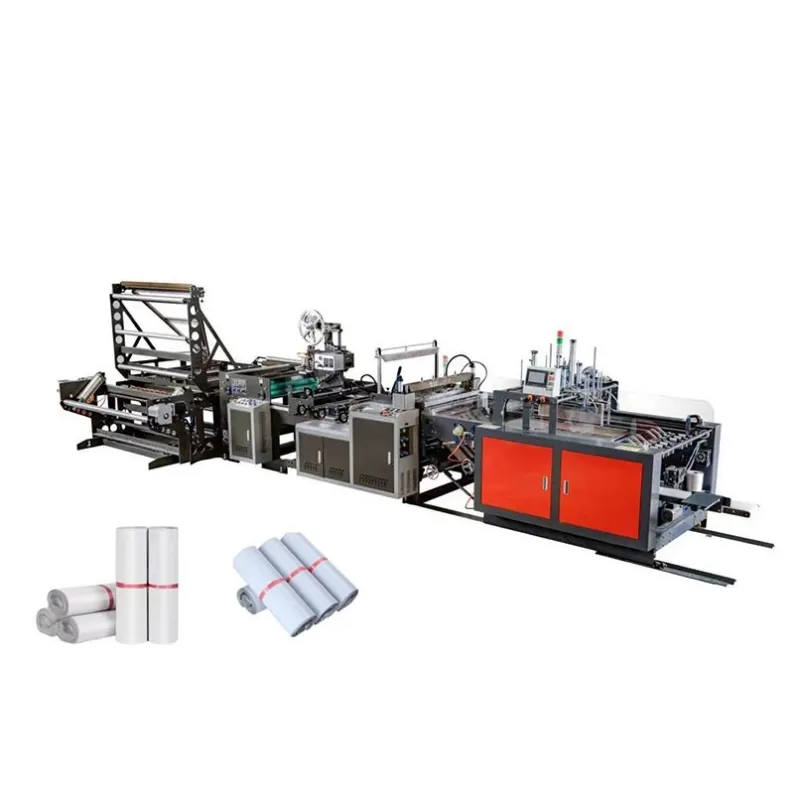
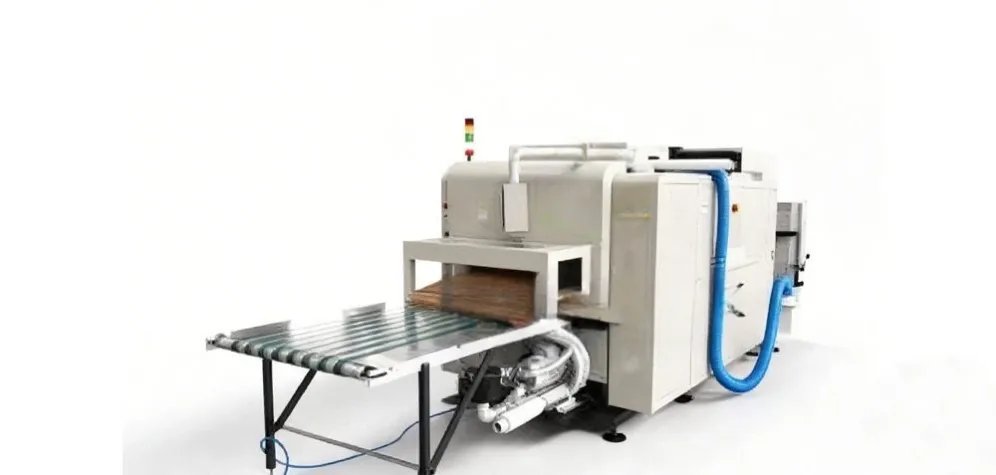
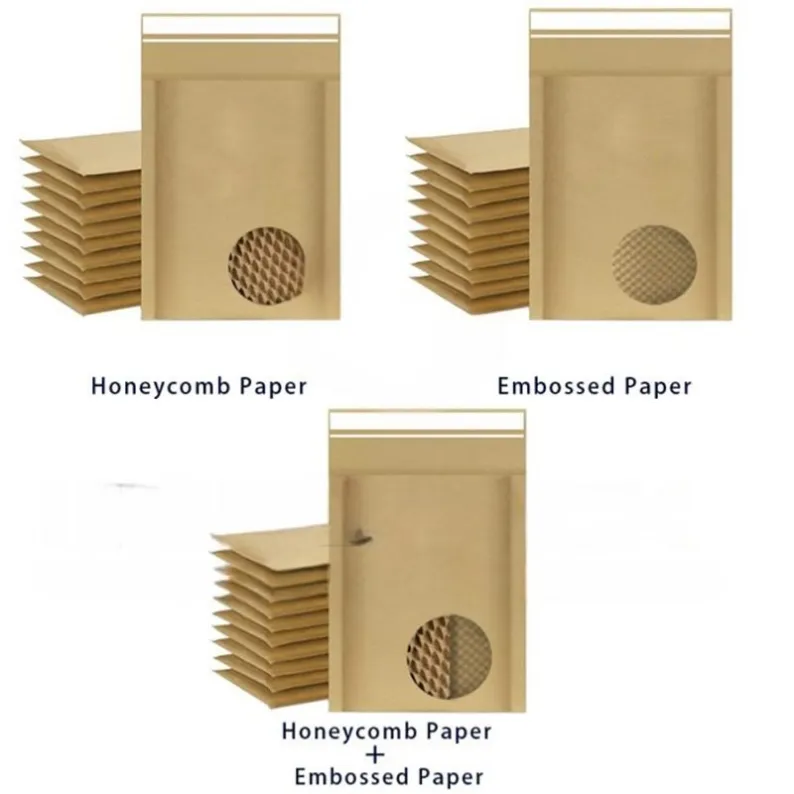
Glassine and kraft mailer machines form, fold, glue or heat-seal, print and batch-log envelopes. Paper air bubble machines create paper “bubble” structures for wrap and void fill. Paper air pillow machines inflate and seal pillows from recyclable paper webs. Folding machines produce fan-fold pads, edge protectors and inserts at ±0.1–0.2 mm accuracy, and fan-fold pack lines make continuous pads for automated pack stations. Different formats, one shared goal: recyclable inputs, durable seams, high uptime, easy compliance and a premium unboxing look.
Paper vs. Plastic: A Quick Comparison
On compliance, paper wins on simplicity: naturally recyclable SKUs and straightforward PFAS-free documentation, where plastic relies on mature but heavier frameworks. On durability, reinforced folds and seams give strong edge crush at the right GSM, while plastic keeps its edge for sharp or fragile goods. On brand, kraft and glassine deliver a “plastic-reduced” story and a premium look; on freight, optimised paper cell geometry often lowers DIM charges. On cost, paper gains come from material yield, energy efficiency and fewer returns, against plastic’s high throughput and wide film availability. The takeaway: choose by SKU risk profile, audit landscape and freight economics — not by a one-size narrative.
Materials and Design Choices That Matter
It starts with the web. Kraft at 60–160 GSM brings high tensile strength, excellent fold memory and a printable surface. Glassine is translucent, dense and smooth — ideal for premium mailers and label readability. Barrier and water-based coatings moderate humidity while staying recyclable, and hot-melt and heat-seal tooling is tuned to each paper’s chemistry.
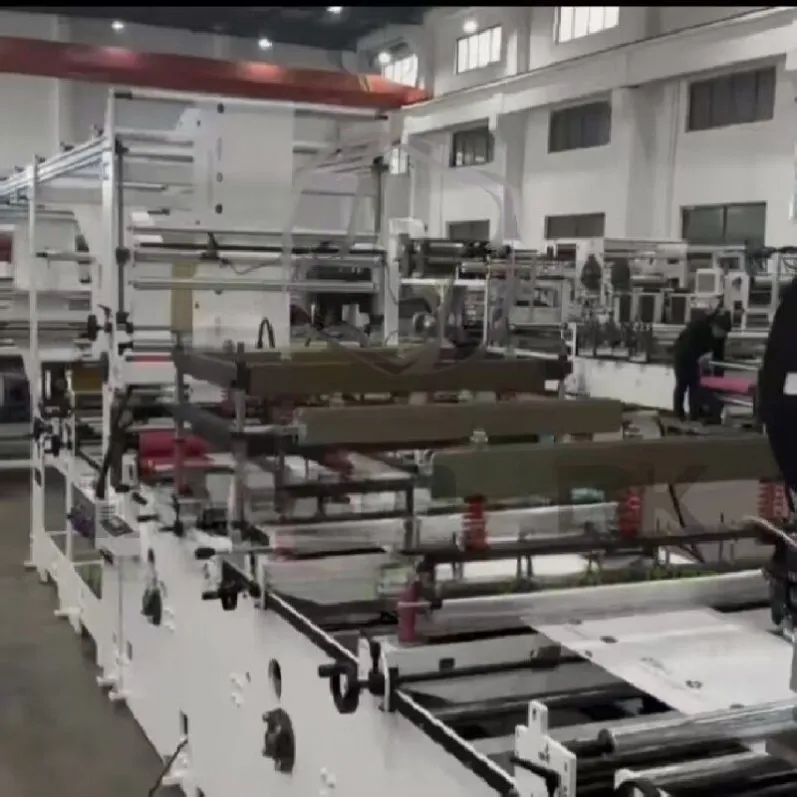
The machine architecture does the rest. All-servo motion with digital registration controls fold scores, gussets and flaps. Closed-loop tension sensors across unwind, accumulation and rewind prevent micro-wrinkles. Adaptive PID sealing keeps dwell and nip pressure consistent as GSM varies. In-line inspection — area cameras plus edge sensors — checks seam integrity, glue presence and fold accuracy. An operator-first HMI adds recipe libraries, changeover wizards, SPC dashboards and event logs.
Against legacy gear, the gap is measurable: fold and seal placement at ±0.1–0.2 mm instead of ±0.5 mm; trim loss down 2–5% through optimised knife paths and nested layouts; predictive maintenance that flags bearing heat, drive load drift and seal anomalies days early; and low-heat sealing blocks with smart idle that cut power 15–20% against 2020 baselines.
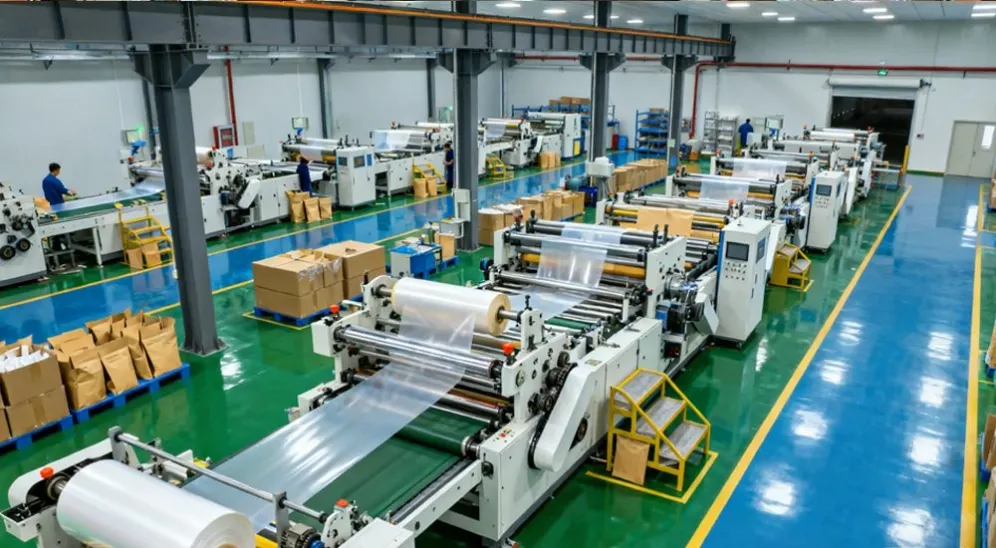
Process, QA and Reliability
A reliable paper line follows a repeatable flow. Material IQ certifies GSM, MD/CD strength, moisture and coat weight. Recipe lock-in uses MSA-verified sensors, a golden-sample sealing range and glue weight targets. A pilot run stress-tests the line for an hour across simulated humidity and temperature windows. OEE baselining tracks speed, availability and quality, with 92–95% as best-in-class. An audit kit — batch IDs, sealing temperatures, glue grams per square metre, operator checks and camera images — makes every run provable.
The QC targets are published, not promised: seam peel of 3.5–5.0 N/25 mm depending on mailer class; burst and edge crush at or above SKU-specific thresholds; ±0.2 mm on critical folds and ±0.3 mm on trims; label contrast and read rates of 99.5% or better on glassine windows; and CpK of 1.33 or higher for key dimensions across 8-hour shifts. Recipe changeovers take 8–12 minutes with auto-threading and quick-release tooling, and safety runs to CAT-3 circuits, light curtains, interlocks and e-stops.
The Numbers Behind the Switch
The market data points one way. EU surveys from 2023 show about 85% of consumers prefer recyclable packaging, and around 62% associate paper mailers with premium brands. Paper recycling rates commonly exceed 68% in developed markets. Switching to paper cushioning cut DIM charges by up to about 14% in controlled pilots. Sustainability-targeted machinery is projected to reach roughly 45% of packaging capital expenditure by 2027, and PMMI reported packaging machinery shipments above $10.9B, with paper-based systems the fastest-growing segment. For mid-to-high volumes, payback typically lands in 6–18 months, driven by lower DIM charges, fewer returns and less audit overhead.
Where It Works in Practice
An e-commerce apparel brand replaced plastic mailers with kraft and glassine mailers and added paper bubble wrap for delicate items — scuff-related returns fell 18%, and reviews called the packaging “premium, eco”. A book distributor slotted fan-fold kraft pads between spines and covers with auto-folded corner guards, cutting DIM by 12% and improving hardcover arrival quality. An electronics accessories seller went hybrid: paper mailers for robust SKUs, thicker paper bubble wrap for sensitive models, keeping single-stream fibre recycling in the warehouse. The pattern is consistent: paper protects, and the data proves it.
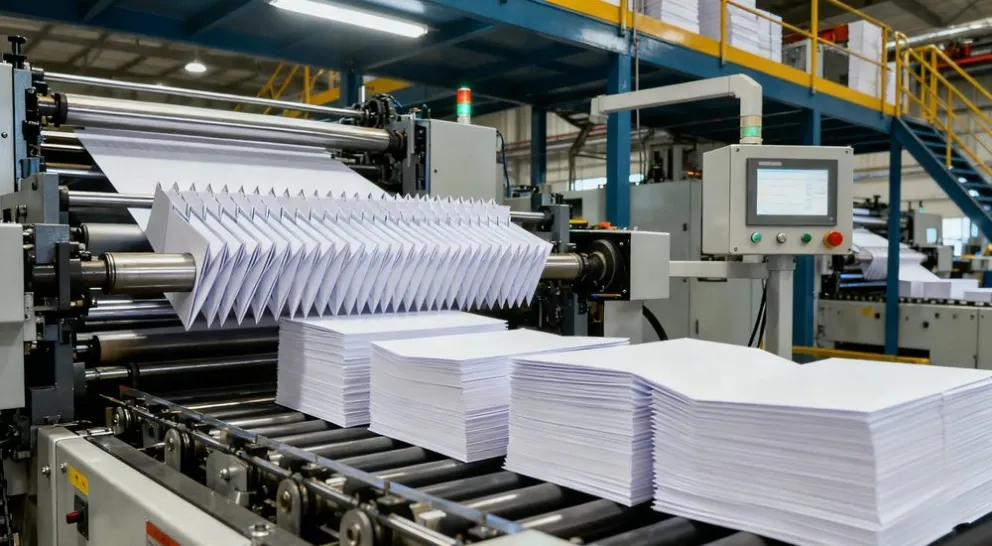
Paper machinery in 2025 is not a swap of one material for another. It is a line engineered around paper — servo control, in-line QA and audit-ready records — so sustainability, throughput and protection move together. Explore Hangjia Machinery’s paper mailer machines to see the range, or contact us to talk through your SKUs, volumes and the right configuration for your line.