Paper Packaging Machinery vs Plastic Packaging Machinery: Which is Better?
Paper machinery wins on recycling and customer trust; plastic wins on moisture protection and flexibility. The better choice depends on your product, your market and your costs.
Paper packaging machinery wins on recycling and customer trust. Plastic packaging machinery wins on moisture protection, flexibility and light weight. Neither is better in every case — the better choice depends on what you pack, where you sell it, and what the whole shipment costs. This guide compares the two on recycling, cost, protection and customer expectations, and gives a decision checklist for buyers who need to choose.
The Short Answer, by Product
If the product is dry, light and not sensitive to moisture, paper packaging usually wins: it is recyclable, customers trust it, and it prints well. If the product is wet, moisture-sensitive or needs a flexible, sealed format, plastic usually wins: it keeps water out and can be formed around almost any shape. Most real operations sit between the two — they use paper where paper protects, and plastic where only plastic protects. The question is not which material is better in general. It is which material is better for each product you ship.
What Paper Packaging Machinery Does
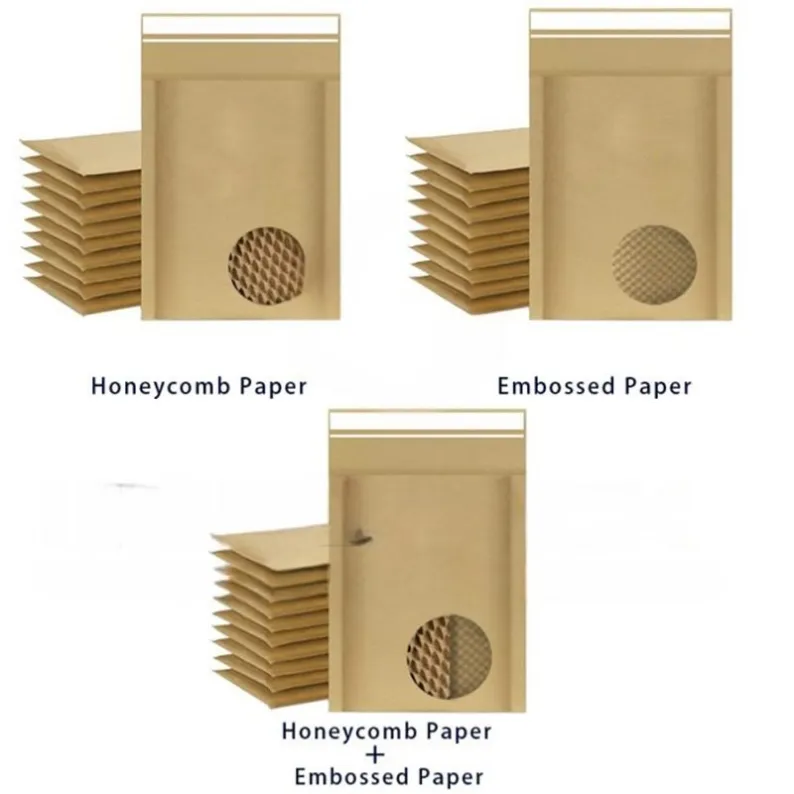
Paper packaging machinery makes boxes, mailers and cushioning from paper and board. The main types are paper bag machines, paper mailer machines, honeycomb paper machines and kraft envelope machines. Their strengths are consistent: the material is renewable, it is widely recyclable, it prints well for branding, and customers recognise it as the more sustainable choice. Paper cushioning — honeycomb paper, paper bubble cushioning and fan-folded paper void fill — protects fragile products without plastic. The limits are also consistent: paper absorbs moisture, it is less flexible than film, and it needs a dry supply chain.
What Plastic Packaging Machinery Does
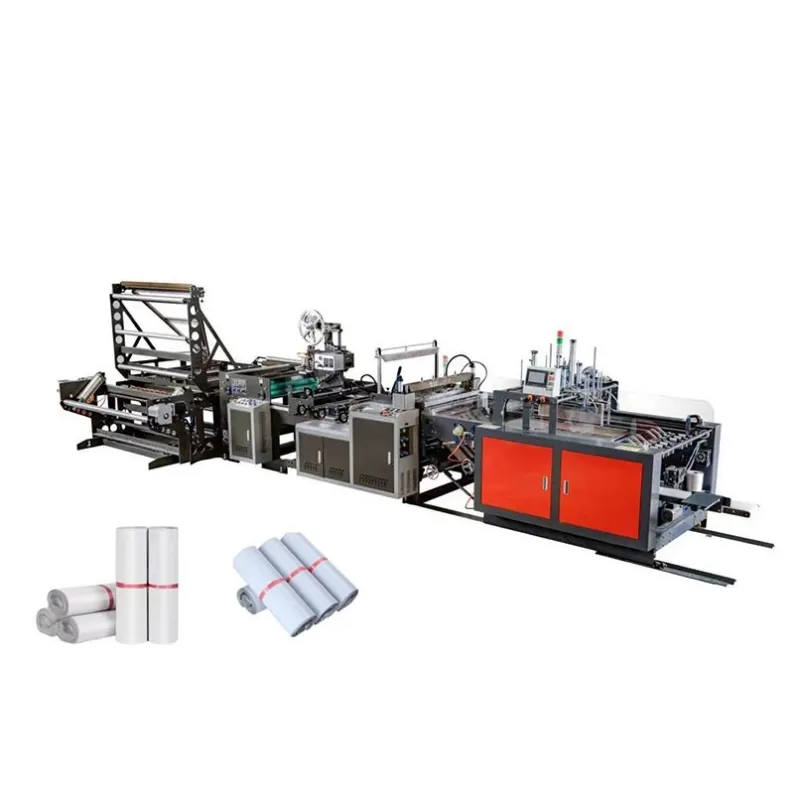
Plastic packaging machinery makes air pillows, air column bags, poly mailers and other film formats. Its strengths are the mirror image of paper's: plastic keeps moisture out, it is light for its strength, it can be formed into almost any shape, and it seals tightly. An air column bag can wrap a bottle on all sides; a poly mailer can ship clothing at very low weight; an air pillow can fill a box in seconds. The limits are recycling and reputation: plastic packaging is recycled at far lower rates than paper, and customers increasingly see it as waste.
The Numbers That Matter
US recycling figures show the gap clearly. Paper and cardboard packaging is recycled at a high rate, while plastic packaging is recycled at a small fraction of that rate. The OECD has also warned that plastic waste could triple by 2060 if current patterns continue.
| Material | Recycling rate (US) | Year |
|---|---|---|
| Paper and cardboard packaging | 62–66% | 2022 |
| Old corrugated containers (OCC) | 70–75% | 2022 |
| Plastic packaging | About 13.3% | 2022 |
| All plastics | About 5% | 2021 |
Put simply, more than 60% of paper packaging is recycled, against less than 15% of plastic packaging. More than 40% of consumers say recyclability is a top consideration when choosing products. Those two facts together explain why paper has become the default for e-commerce packaging in many markets — and why plastic now needs a reason, such as moisture protection, to be chosen.
Cost: The Whole Shipment, Not the Machine
Comparing machine prices misses the point. The cost that matters is the total cost of a shipment: material, labour, shipping, damage and disposal. Paper is often cheaper per parcel for dry goods, and it avoids the disposal and reputation costs of plastic. Plastic can be cheaper where its light weight cuts freight, or where it replaces a heavier rigid pack. Right-sizing matters for both: making the box fit the product can reduce the air shipped inside a parcel by up to 40%, whichever material is used. A buyer who only compares machine prices will choose wrong; a buyer who compares the cost per delivered, undamaged order will not.
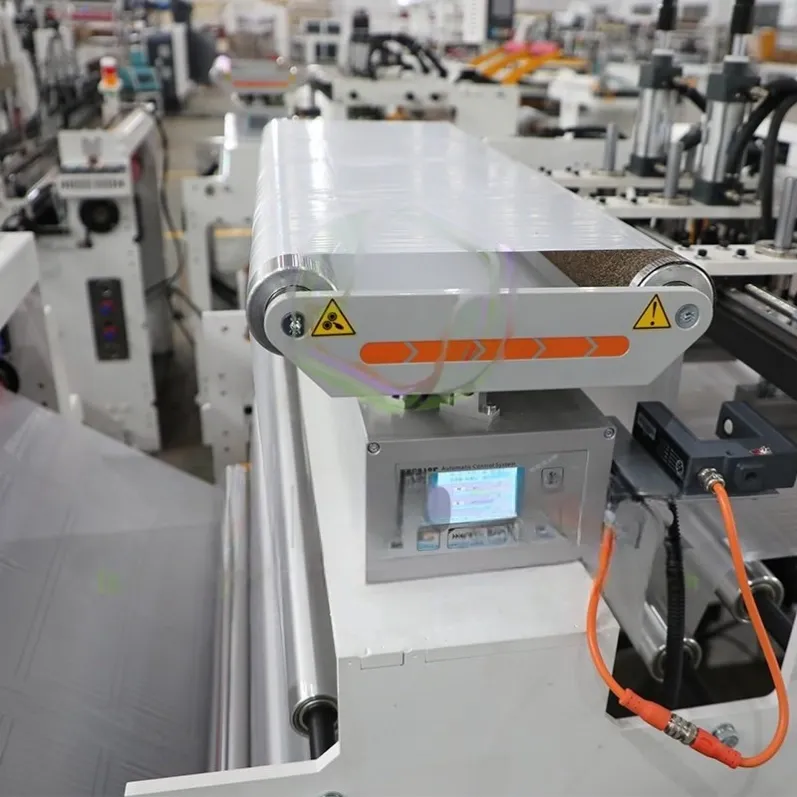
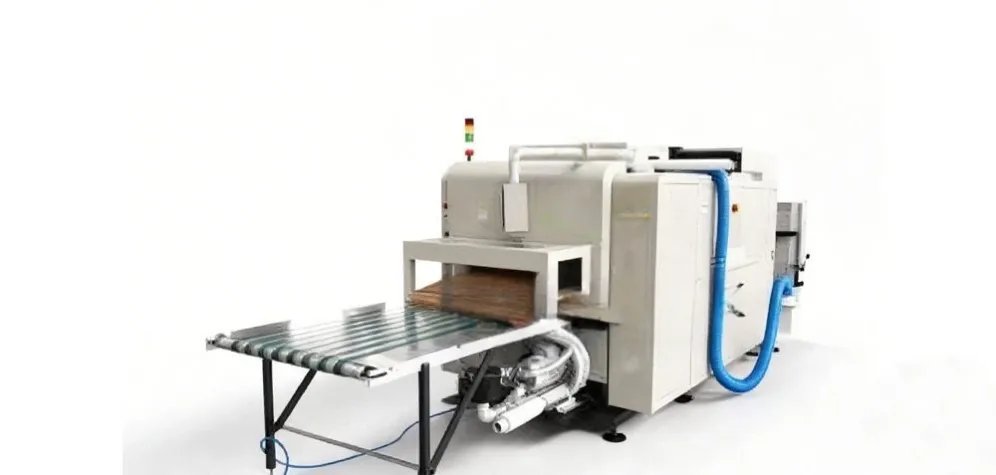
A plastic air bubble making machine, shown above, produces the inflated film used for air cushions and bubble wrap. Its output is light and fast to pack with — the qualities that keep plastic in use even as paper takes over more of the box itself.
Where Each One Wins
- Paper wins for dry e-commerce goods. Boxes, mailers and paper cushioning protect books, apparel, cosmetics and home goods, and customers can recycle them.
- Paper wins for brand and trust. A printed paper mailer or a recyclable box tells the customer what the brand values, in a way plastic cannot.
- Plastic wins for moisture. Liquids, wet products and goods shipped through humid routes need a material that keeps water out.
- Plastic wins for flexible formats. Air column bags, air pillows and poly mailers form around products that a rigid paper box cannot follow.
- Paper wins on disposal. Where recycling streams for paper exist — and they exist almost everywhere — paper is the easier material for the customer to dispose of correctly.
The Hybrid Answer
Many operations now use both. A beauty operator, for example, moved to a hybrid pack that is 20% plastic and 80% paper by volume: plastic only where moisture protection needs it, paper everywhere else. A fashion direct-to-consumer brand cut the cube of its parcels by 30% by right-sizing and switching formats. A home décor seller cut damage claims by 25% by matching the cushioning to the product instead of using one material for everything. The pattern is the same in each case: paper as the default, plastic where it earns its place, and right-sizing to cut both.
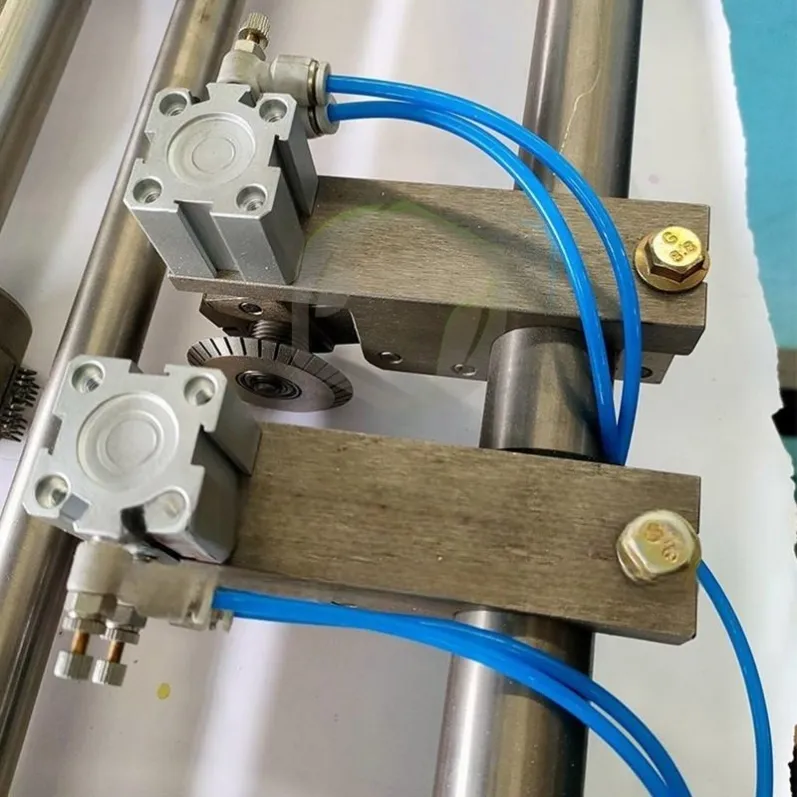
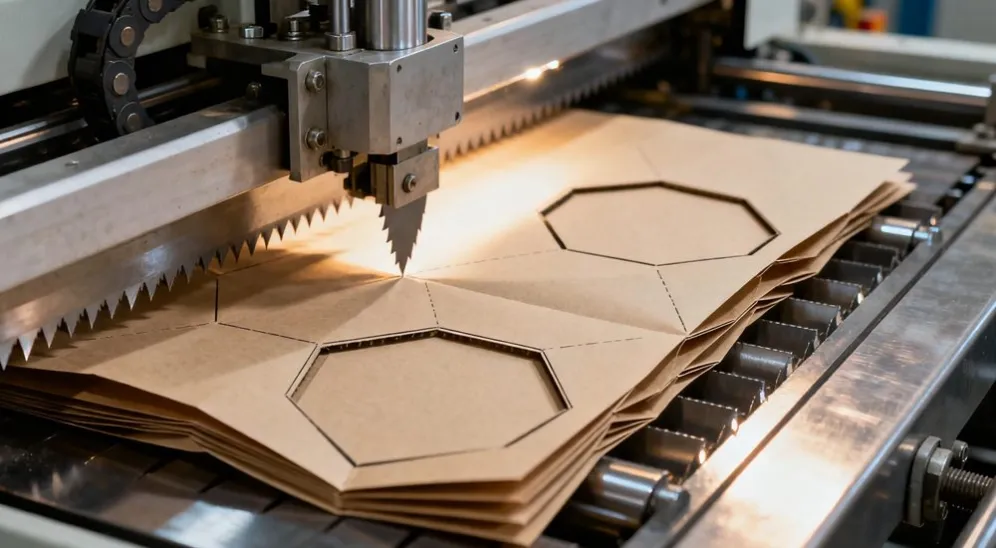
Fan-folded paper void fill, produced on the machine shown above, is one of the paper formats that replaces plastic loose fill. It fills the gaps in a box, holds the product still, and goes into the paper recycling stream with the box.
A Buyer's Decision Checklist
- Is the product moisture-sensitive? If yes, plastic earns a place. If no, paper is the default.
- How fragile is it? Fragile products need cushioning and immobilisation, in paper or in air columns, and the choice is about protection first.
- What do your customers expect? More than 40% of consumers weigh recyclability heavily. A paper pack answers that expectation directly.
- What does the whole shipment cost? Count material, freight, damage and disposal — not only the machine price.
- Can you set a recycled-content target? For new plastic machinery buys, a target of at least 30% recycled plastic content is a reasonable starting point to discuss with suppliers.
- Can you run a hybrid line? The best answer is often paper for the box and the fill, with plastic only where it is needed.
Frequently Asked Questions
Is paper packaging always more sustainable than plastic? Not always. Paper is more sustainable when it protects the product, is sourced responsibly and is recycled. A paper pack that fails and causes damage is worse than a plastic pack that protects.
Can I switch from plastic to paper without changing my line? Partly. Paper mailers, honeycomb cushioning and paper bubble cushioning can replace plastic formats on many lines, but the machines are different — a paper packaging machine, not a plastic one, makes the paper format.
Talk to Hangjia Machinery
If you are weighing paper against plastic, start with the product and the market, not the machine. Browse our Honeycomb Paper Machines and our Air Column Machines, then contact us to discuss the products you pack, the materials you want to use, and the mix that fits them best.