Plastic Packaging Alternatives: Why the World Is Moving Toward Paper
Only about 9% of plastic is recycled, while paper recycling exceeds 50% in many markets. Paper cushioning, mailers and wraps already replace plastic — this guide shows how to switch.
Paper is now the most practical alternative to plastic packaging: it protects as well as plastic for most products, it is recycled at far higher rates, and customers prefer it. Global plastic production is about 400 million tonnes a year, and only around 9% of plastic is ever recycled — the rest is landfilled, burned or leaks into the environment. Paper packaging, by contrast, is recycled at rates above 50% in many markets and around 80% in Europe, and the paper industry has cut its carbon emissions by about 30% since 2005. For buyers, the switch is no longer a question of whether, but of which paper format fits each product.
The plastic problem in numbers
Plastic packaging has grown faster than the systems that deal with it. Global plastic production is about 400 million tonnes a year, and output has doubled in 20 years. Plastic packaging alone reached about 180 million tonnes in 2024. Yet only around 9% of all plastic is recycled, according to OECD data. The rest is landfilled, incinerated or lost: about 8 million tonnes of plastic enter the ocean every year, and about 52% of sea turtles have ingested plastic. The problem is not one material or one company — it is the scale of single-use plastic itself. Regulation is also catching up, and the cost of plastic packaging is rising in more markets, so buyers who wait will pay for the change later, in fees, in redesigns or in lost customers.
Why paper wins on recycling and carbon
Paper's advantage is the system behind it. Paper is collected, sorted and recycled through infrastructure that already exists in most markets: paper product recycling rates exceed 50% in many markets, and Europe's paper recycling rate is around 80%. Paper is also biodegradable, so a paper mailer or wrapper that escapes the bin breaks down instead of persisting for decades. The paper industry has also cleaned up its own footprint: carbon emissions are down about 30% since 2005 and energy use is down about 60%. That does not make paper free of impact — it still uses water, energy and fibre — but on the measures that matter to regulators and customers, recycling and end-of-life, paper is far ahead of plastic. For a buyer choosing a material today, paper is the option that already fits the recycling system customers actually use.
What consumers actually want
Consumers are ahead of the regulations. About 60% of consumers say they are willing to pay more for sustainable packaging, according to consumer research, and the preference shows up in what they buy: paper packaging is seen as the natural, recyclable and trustworthy choice, while plastic is increasingly seen as waste. The demand is not only for "green" labels — shoppers want packaging they can recycle easily, that is not over-packed, and that tells them honestly what it is made of. Minimal packaging and clear labels are becoming part of what customers expect. For sellers, that means the packaging is now part of the product: a paper mailer or a honeycomb paper cushion is a visible promise that the brand takes waste seriously, and a plastic mailer is a visible reminder that it does not.
Paper alternatives that already work
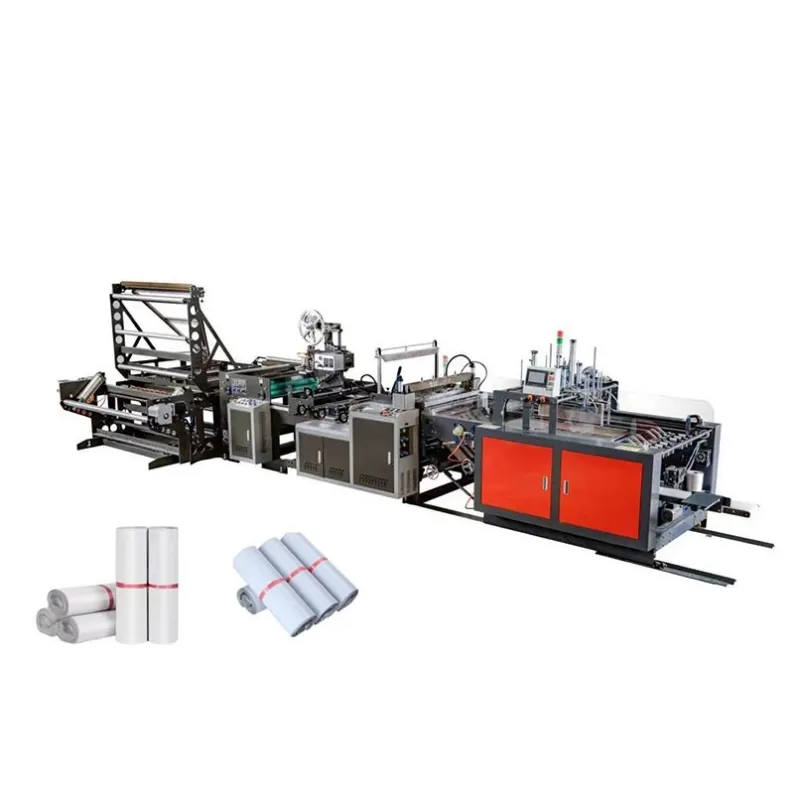
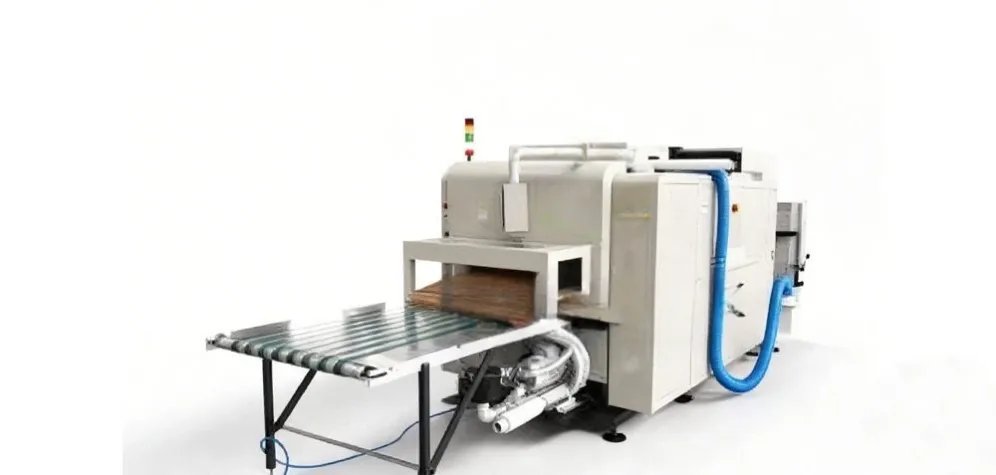
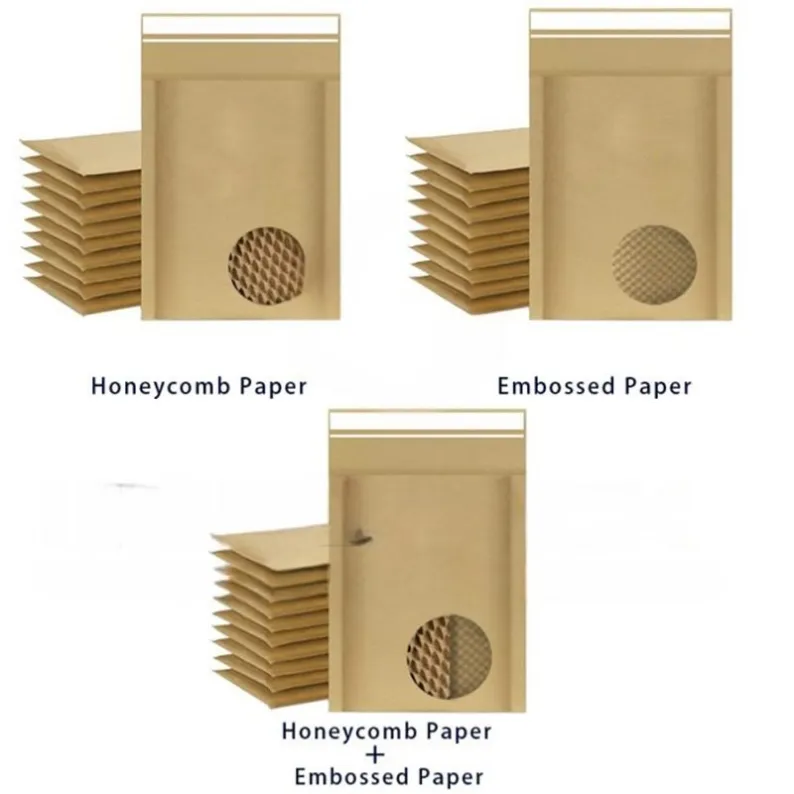
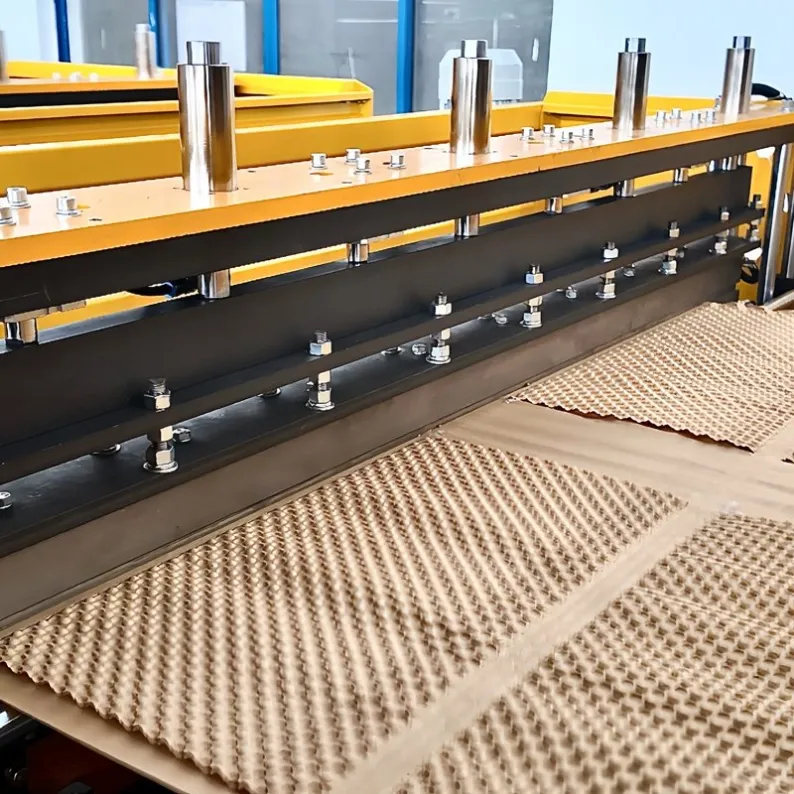
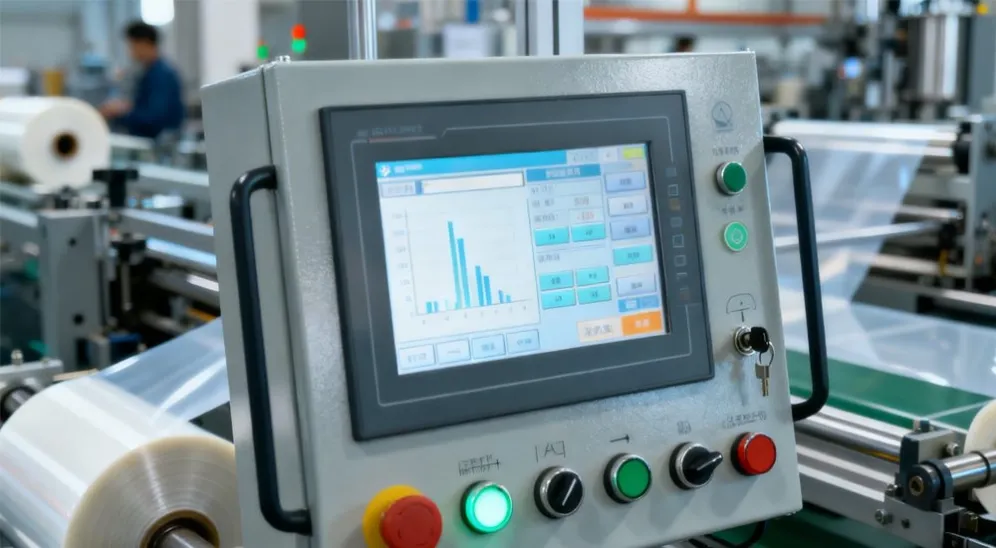
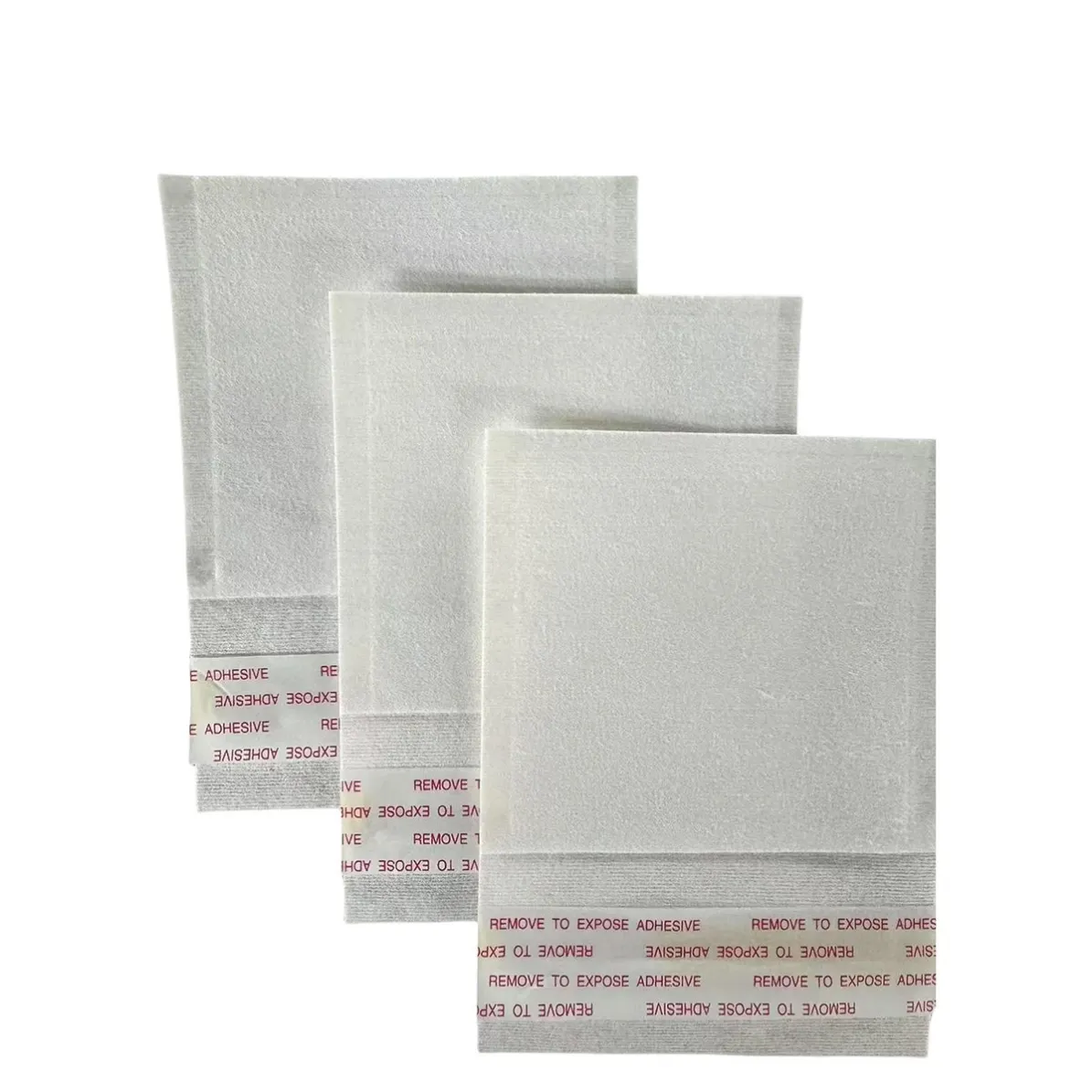
The alternatives are not experimental — they are already on the market. Honeycomb paper and paper bubble cushioning replace plastic bubble wrap for fragile goods; kraft paper mailers and padded paper mailers replace plastic mailers for e-commerce; glassine and other paper wraps replace plastic film for food and retail. A large e-commerce company has replaced plastic packaging with paper, a UK food retailer has replaced plastic with paper across about 1.4 million items, and a snack brand now ships in paper packaging. A large food and beverage company has set a target to cut its plastic use by 20% by 2030. None of these switches required customers to accept less protection — they required the right paper format for each product, and machines that can make it on demand. Honeycomb paper machines, kraft envelope machines and padded mailer machines let a packaging team produce paper protection in-house, in the exact size and quantity needed, instead of ordering plastic in bulk.
How to switch: a short buying guide
- Start with the plastic you use most. List the mailers, wraps and void fill that make up most of the volume — that is where a paper switch saves the most plastic and the most cost.
- Match the paper format to the product. Kraft mailers for light goods, padded paper mailers for fragile items, honeycomb paper for cushioning and void fill, glassine for food and retail wraps.
- Test protection before switching the whole range. Run the paper packaging through the same drops, stacking and transit as the plastic it replaces, and check the product on arrival.
- Check the recycling story. Choose paper formats customers can actually recycle in the paper stream, and say so on the pack — the recycling claim is part of the value.
- Make it in-house when volumes grow. Producing paper packaging with HJ Machinery's machines cuts the waste of ordering pre-made stock and lets the team adjust sizes and grades as the range changes.
Plastic packaging is not disappearing overnight, but the direction is clear: production keeps rising, recycling stays low, regulation keeps tightening and customers keep choosing paper. The buyers who switch now get the easy wins — lower regulatory risk, packaging customers prefer, and a recycling story they can stand behind — while the cost of switching only rises. Paper is not a compromise on protection. For most products it protects as well as plastic, and it does so in a material that customers can recycle and regulators can support.