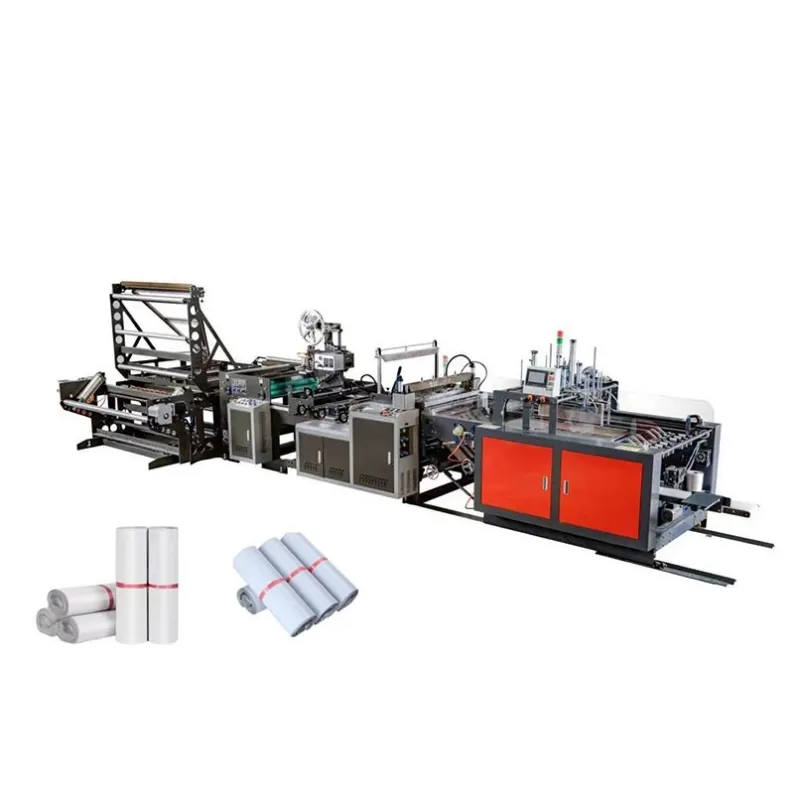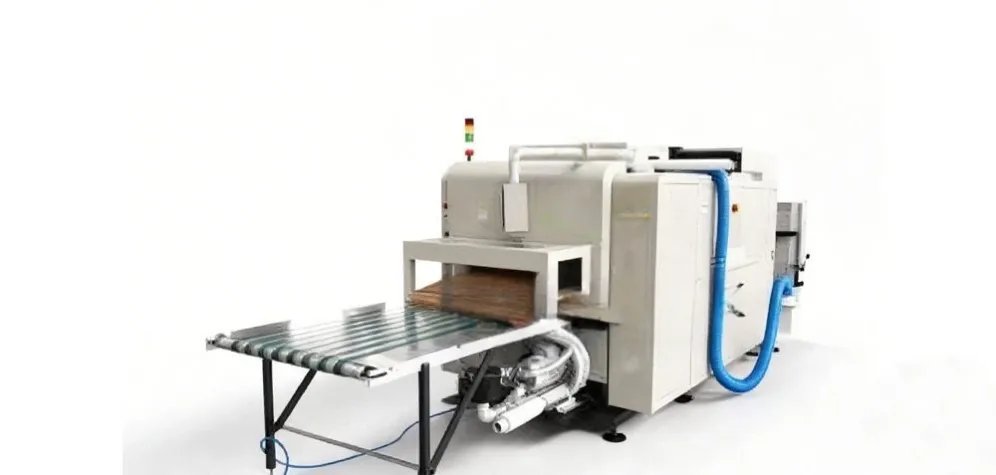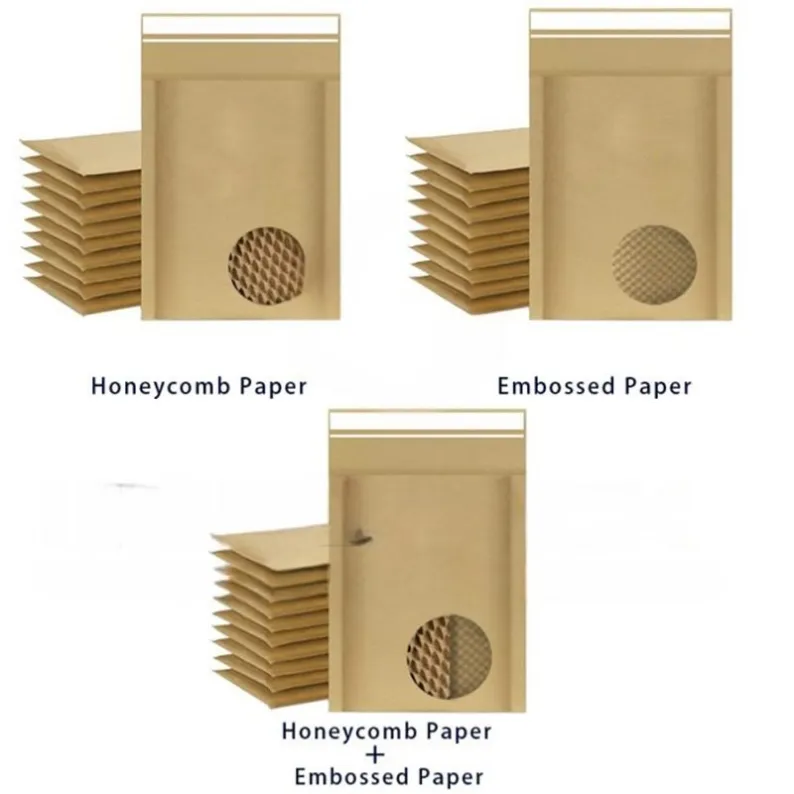
Plastic Packaging Machinery: 2025 Playbook for Speed, Durability & ROI
The 2025 brief for plastic packaging machinery is threefold: ship 20% faster, cut damage and meet new EPR rules with one line. This playbook compares the formats, the build and the ROI.
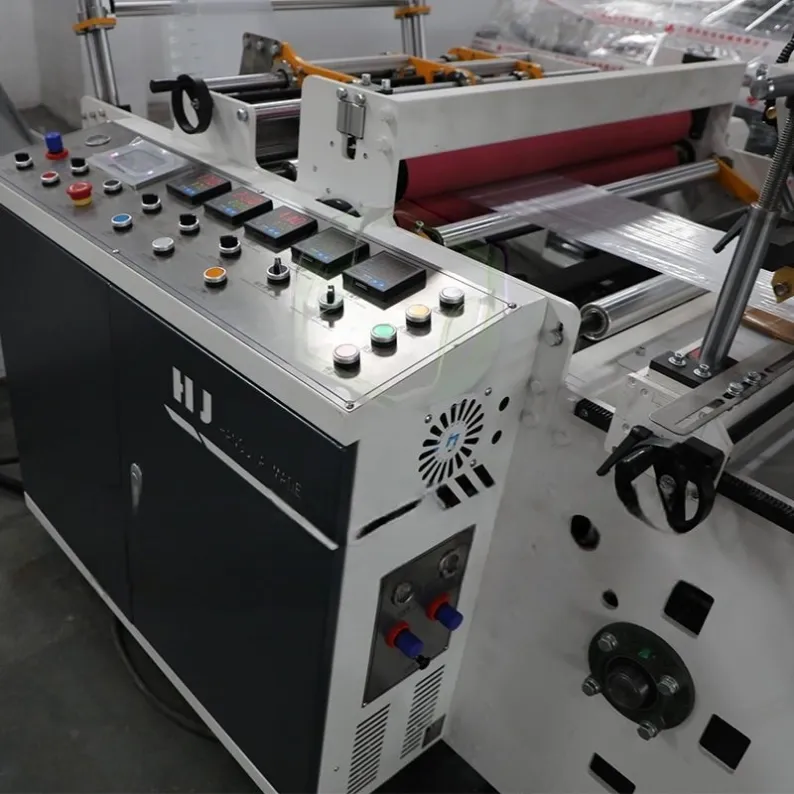
The 2025 brief for plastic packaging machinery is threefold: ship 20% faster, cut damage rates, and meet new EPR rules — with one line. The answer is a format-matched cell: air pillows for void fill, air columns for fragile goods and air bubble wrap for varied shapes, all on mono-material PE with PCR-ready sealing and inline inspection. This playbook compares the formats, the build and the ROI, so the next packaging dollar buys speed, durability and compliance at once.
The 2025 Brief: Faster, Compliant, Less Damage
Plastic protective packaging still wins in 2025 because it survives real-world abuse: high puncture resistance, stable seals and consistent cushioning across temperature swings reduce returns. It is also audit-ready by design — with EPR, the EU Packaging and Packaging Waste Regulation (PPWR) and California SB54 taking hold, buyers need recyclable designs, PCR compatibility and clean labelling. Mono-material PE or PP and PCR films help align with current rules while staying flexible for future updates; the EU PPWR entered into force in February 2025, with application timelines running over 18 months and staged measures through 2040.
There is also a balance-sheet case. Capital spending on robust, modular lines raises plant capability — OEE and first-pass yield — and resale value, while documented compliance and validated seal quality decrease recall risk. Downgauging films, running PCR blends and cutting scrap stabilise cost of goods sold while keeping speed high. The counterweight is real, too: Amazon has been shifting away from plastic air pillows toward paper fill in many cases, so paper wins where impact energy and puncture risks are low — plastic earns its place where they are high, or where totes and conveyors demand form-stable cushioning.
Three Formats, Side by Side
Choose the format by the product, not by the catalogue. Air pillows fill carton voids at the lowest material use per pack; air columns wrap fragile, elongated and high-value items in multi-chamber sleeves; air bubble wrap conforms to varied shapes and protects edges. Many lines run all three and let sort logic choose.
- Best for: pillow — void fill in cartons; column — fragile, elongated, high-value items; bubble — wrap-around protection for varied shapes.
- Cushion uniformity: pillow — good; column — excellent, with multi-chamber redundancy; bubble — very good.
- Material use: pillow — lowest per pack; column — medium; bubble — medium-high, but better edge protection.
- Speed: pillow — very high; column — high; bubble — high.
- Damage reduction: pillow — 20–40% typical against paper void fill, application-specific; column — highest for glass and electronics; bubble — strong for cosmetics, books and gifts.
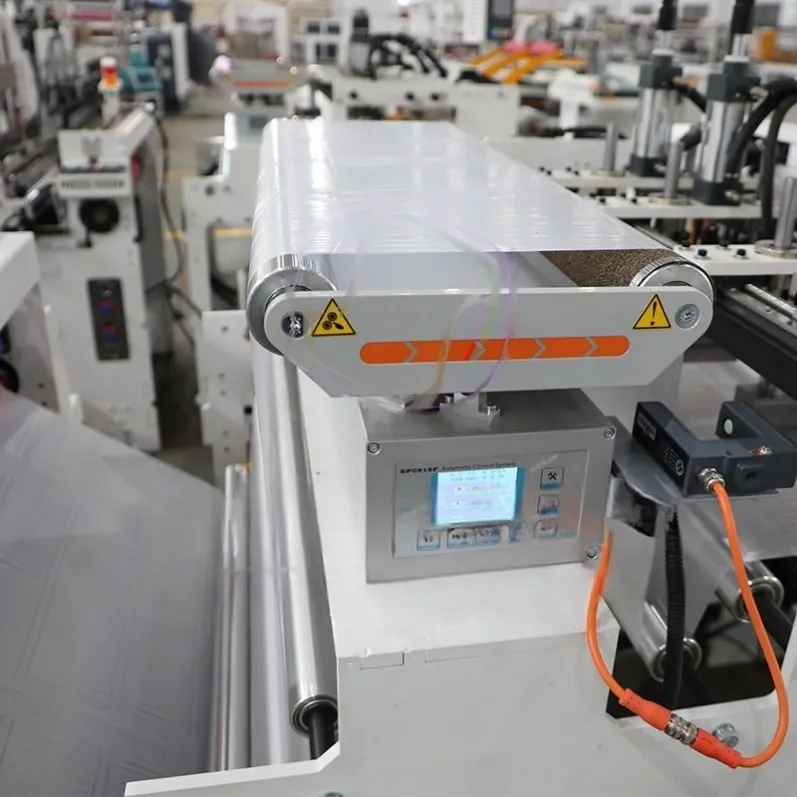
An air bubble making machine producing a continuous chain of cushions for wrap-around protection.
Materials and Build: What Makes a Line Durable
Start with mono-material PE or PP films to support recycling streams and labelling clarity, and specify PCR-ready film handling — 10–50% PCR where the brand and specification allow — with tuned sealing windows. Tight gauge control via automatic nip and temperature management lets the line downgauge without compromising seals or burst strength, and market-aligned labelling covers recyclability claims region by region, including PPWR, UK Plastic Packaging Tax records and North American schemes.
The machine structure decides whether those films run at speed. Rigid welded frames in powder-coated steel or stainless steel suit washdown zones; servo-driven unwind and feed hold web tension accuracy; closed-loop heaters and seal jaws with recipe locking protect seals across PCR blends; an industrial PLC and HMI carry recipe memory, an OEE screen and remote diagnostics; and vision, weight and pressure checks validate seal integrity and print and lot codes — the evidence audits ask for. Commodity units struggle with PCR film variability and drift; a controlled line holds seals without raising scrap or micro-leakers.
How Each Format Works on the Line
Air pillow: film unwinds, forms, seals, perforates and inflates in one pass. Auto-splicing keeps the line running, with reel change under 60 seconds, and per-pillow burst tests plus optional in-line pressure checks reduce damage. The upgrade path adds print modules for logo and compliance marks and tunes bubble geometry by SKU.
Air column: sleeves form as multi-chamber air columns around the product profile, so if one cell is compromised the others stay inflated. Mandrel and recipe swaps make changeovers fast for glassware, electronics and lab gear, and the format beats foam and loose fill on mess, consistent energy absorption and professional unboxing.
Air bubble: film nip, emboss and seal pattern create bubbles with predictable crush curves. Anti-slip textures keep bundles tight, optional easy-tear scoring speeds opening, and wrap stations integrate with case packers and labellers without manual taping. Bubble geometry plus consistent seal thickness gives repeatable drop results and fewer corner cracks.
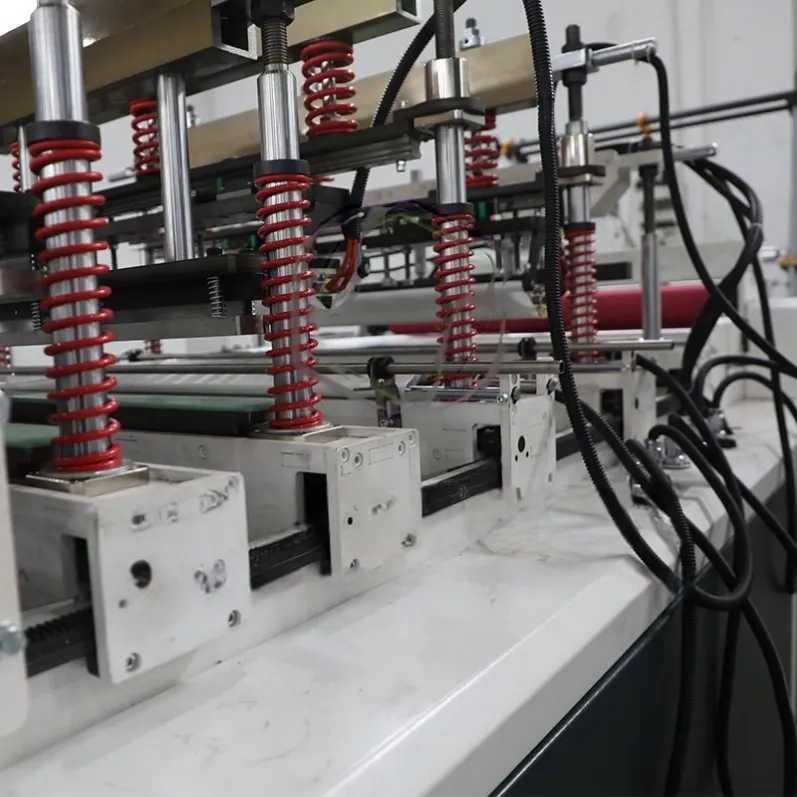
A close-up of the sealing and feeding section of an air column bag film machine.
The ROI: What the Numbers Say
The market context supports the investment. US packaging machinery shipments reached $10.9 billion in 2023, up 5.8% year on year, according to PMMI, with growth expected to continue through 2027. Containers and packaging formed about 82.2 million tons of US municipal solid waste in 2018 — about 28.1% of the total — according to the EPA, which is why packaging is the prime target of circularity rules. UNEP puts global plastic production above 400 million tons a year and calls for system change through reorienting, diversifying, reuse and recycling, with a pathway to cut plastic pollution by up to 80% by 2040.
The cases in the guide show the return. A premium glassware exporter from the EU to North America switched to air column sleeves for stemware: damages fell 43% and customer NPS rose, with batch-level QR prints improving traceability. A home fitness brand in the US replaced foam and tape with air bubble wrap: pack times improved 12% and unboxing content got cleaner. A books and media 3PL in APAC adopted air pillows for void fill: 7% DIM savings and fewer corner-crush claims.
Users report the same pattern: changeovers from half an hour to under ten minutes with recipes saved per SKU; 30% PCR film at full speed with seals holding and complaints down; and smoother audits because labels and data logs match tax and EPR needs.
Buyer's Checklist
Use this checklist when you compare quotes — it separates a durable line from a commodity rig.
- Performance: target speed in packs per minute, peak-hour volume and SKU spread; seal type; PCR percentage ranges and film thickness window.
- Automation and data: PLC and HMI with recipe locks, an OEE dashboard, OPC UA or MQTT connectivity, auto-splicing, auto web-guiding and vision or weight inspection.
- Compliance: recyclability claims aligned to region, label modules, and records for UK Plastic Packaging Tax, EU PPWR and US SB54 reporting.
- Service: MTBF and MTTR targets, 24/7 remote diagnostics, spare kits, and a factory and site acceptance test plan with training and SOP and preventive-maintenance documents.
Frequently Asked Questions
What is plastic packaging machinery used for? It forms, fills, seals and protects products using flexible films and air-based cushioning — pillows, columns and bubble wrap.
Is flexible plastic still allowed under new rules? Yes — when designed for recyclability, tracked for PCR content and labelled correctly. PPWR and SB54 push compliance, not blanket bans.
Can I run PCR films without losing speed? With tuned sealing windows and nip control, yes. Validate it on your exact blends during factory and site acceptance tests.
Talk to Hangjia Machinery
If the 2025 brief sounds like your line — faster, compliant, less damage — start with the machines that deliver it. Browse the Air Cushion Machines and Air Column Machines ranges, compare the three formats against your SKU mix and daily volume, and then contact us with your product weights, carton sizes and target pack rate. Hangjia Machinery will help you size the cell and film, and arrange a trial on your own products.