Precision Void Fill at Speed: The Air Pillow Making Machine Playbook
Air pillow machines make void fill fast, consistent and cheap to run at the packing bench. This playbook covers choosing, running and costing one.
Air pillow machines make void fill fast, consistent and cheap enough to run at the packing bench. For most e-commerce and fulfilment operations, a well-set air pillow line cuts damage claims and packing time at once — provided the film, pillow size and air pressure match the product. This playbook explains how to choose, run and cost an air pillow making machine, and when to use air columns or paper cushioning instead.
What an Air Pillow Machine Does
An air pillow machine takes a roll of pre-formed plastic film, inflates each pocket with air and heat-seals it, producing a continuous chain of cushions. The operator tears off the length needed for a carton and places the cushions around the product, filling the empty space so the product cannot shift in transit. Because cushions are produced on demand at the packing bench, the operation stores film rolls instead of pallets of bulky pre-made fill, and it can change cushion size when the order mix changes.
- On-demand production: cushions are made when the order is packed, not bought and stored in advance.
- Consistent fill: every cushion has the same size and air pressure, so pack quality does not depend on who is on shift.
- Small footprint: a bench-top or stand-mounted machine fits beside a conveyor or packing table.
Where Air Pillows Win — and Where They Do Not
Air pillows are at their best in light, fast-moving parcels. They are quick to place, light to ship and easy for packers to learn, which is why e-commerce, 3PL and retail fulfilment lines use them for most standard cartons. They also work well as top and middle fill above and around a product that already has a protective base layer.
They are not the right answer for everything. Heavy products can crush a pillow, sharp edges can puncture film, and a single high-value fragile item needs more than loose fill — this is where air columns, which wrap the product in sealed air chambers, or paper cushioning earn their place. As a rule from the source guide, reserve air columns for the most fragile or highest-value 10–30% of SKUs and use air pillows for the rest.
- Use air pillows for: general e-commerce parcels, light consumer goods, apparel and accessories, and top fill in mixed cartons.
- Use air columns for: glass, ceramics, electronics and other fragile or high-value items that need a protective wrap.
- Use paper cushioning for: heavy items and operations that must meet plastic-free or curbside-recycling requirements.
Five Decisions That Decide Performance
Most air pillow problems are not machine problems. They come from five decisions made before the first order is packed: film, pillow size, air pressure, placement and the packing station layout.
1. Film. Choose film by product weight and puncture risk, not by price per roll alone. Thinner film costs less per cushion but bursts more easily under heavy or sharp products; a thicker film and a clean, even seal are cheaper than a damage claim.
2. Pillow size. Match the cushion to the carton void. Oversized pillows leave gaps; undersized pillows need more pieces and more handling time. Run a trial with the actual carton sizes the operation uses most, and standardise on two or three sizes.
3. Air pressure. A pillow should be firm but not drum-tight. Over-inflated cushions burst in transit and under-inflated ones go flat. Set the pressure for the heaviest product in the mix, then check it again when the film batch changes.
4. Placement. Fill the base, sides and top in that order, and do not leave a hard product touching the carton wall. The source guide's rule is simple: if the product can move, it can break.
5. Station layout. Put the machine where the packer can reach cushions without turning or walking. In the guide's dialogue example, a fulfilment line that moved the machine to the bench lifted its pack rate by 12–15% — treat that as one operation's result, not a guarantee.
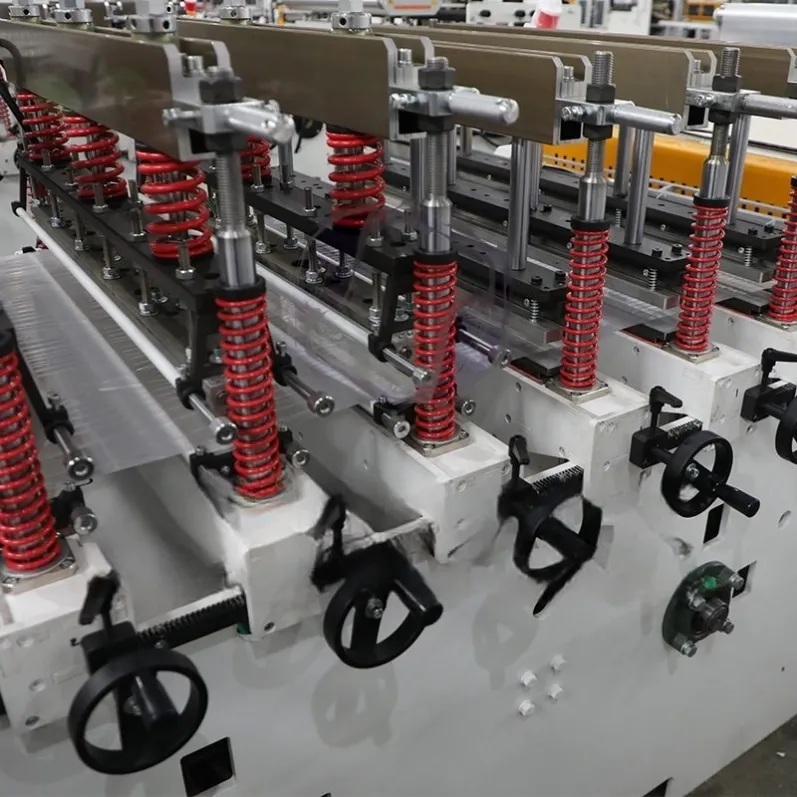
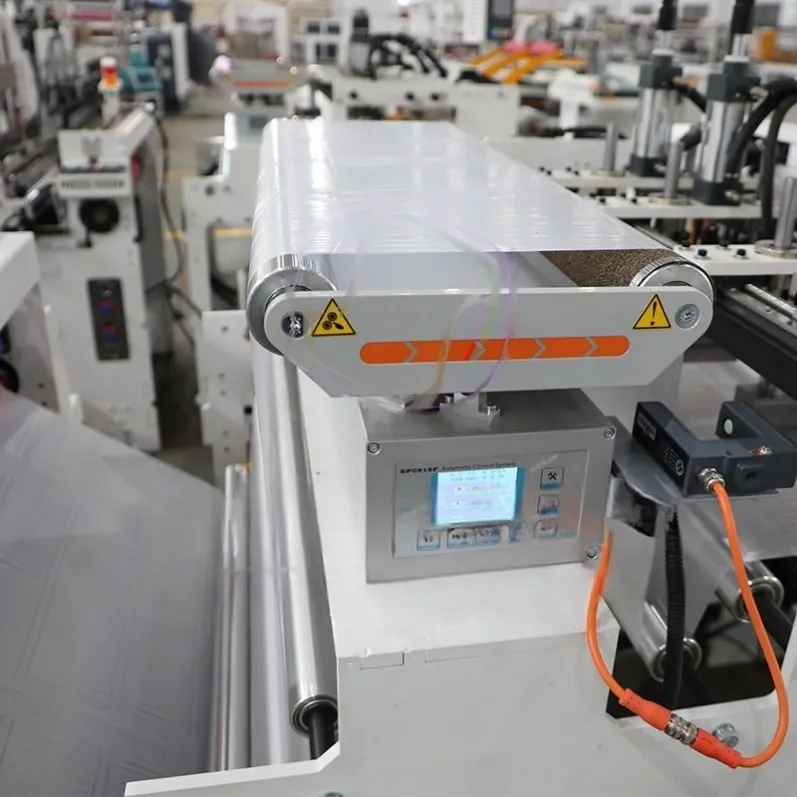
A close-up of the sealing and feeding section of an air cushion machine.
Film Choice: Mono-PE and Recycled Content
Most air pillow film today is mono-material polyethylene (mono-PE), which is easier to recycle where PE film collection exists than multi-material laminates. Recycled content is the next question buyers ask, and the honest answer is to specify it as a range, not a single number: the source guide reports post-consumer recycled (PCR) content of 10–50% in the films it discusses, with the usable level depending on film thickness, seal strength and the supplier's quality control. Ask the supplier for the PCR level of the exact film grade offered, and for test data on seal strength and puncture resistance at that level — a recycled-content claim without those numbers is not a specification.
What It Costs — and When It Pays Back
Judge an air pillow machine on total cost per box, not on the machine price. The cost per box is film plus labour plus the share of machine cost, plus damage and returns. Film is usually the largest running cost, so a small difference in film price per cushion matters more over a year than a small difference in machine price.
Payback depends on volume and on whether the line keeps running. The source guide gives a payback of 12–24 months for operations that hold uptime and film waste under control — a range to use in a business case, not a promise for every site.
Before signing, ask for a trial with your own cartons and products, and record damage, pack time and film use per box.
Running It Well: Maintenance and Safety
Air pillow machines are low-maintenance, but the sealing jaw and the air nozzle decide uptime. Clean the sealing area daily, check the seal on the first cushions of each shift, and keep a spare nozzle and a spare roll of the standard film at the bench. The most common faults in the guide are weak seals from a dirty or worn jaw, and burst cushions from over-inflation — both are visible in the first minute of a shift if someone looks. On safety, keep hands clear of the sealing jaw, follow the supplier's lockout procedure before cleaning, and train new packers on film handling rather than letting them learn from the machine.
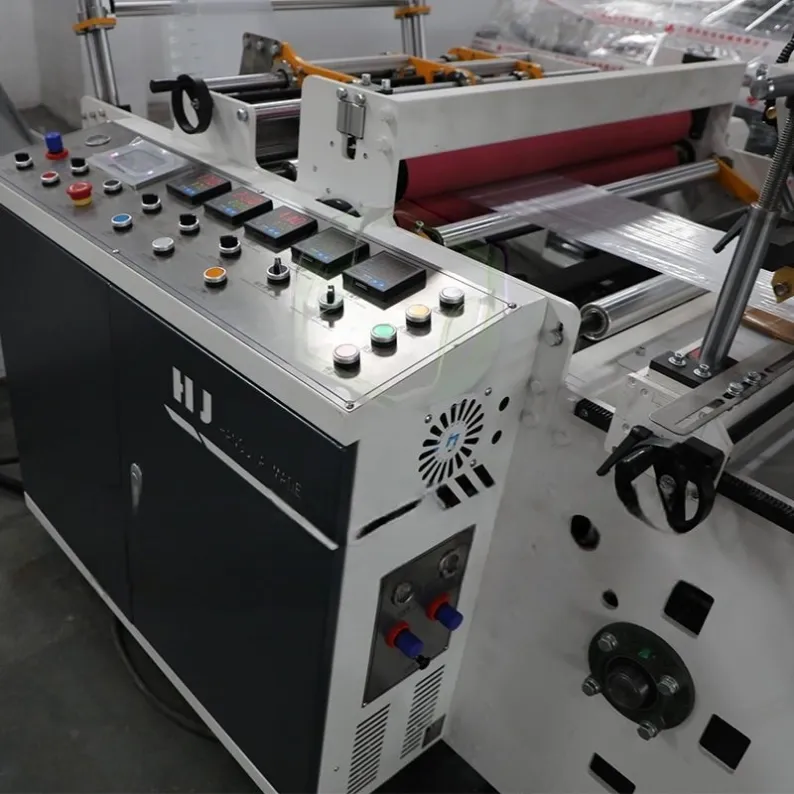
An air column machine for fragile products that need a protective wrap.
Frequently Asked Questions
How fast can an air pillow machine pack? Output depends on pillow size, film and operator, not on a single headline speed. Measure it on your own cartons during a trial, at the pressure and size you will actually use.
Are air pillows recyclable? Mono-PE pillows can be recycled where PE film is collected, usually through store drop-off or film collection schemes. Check the scheme that serves your customers and print the correct instruction on the pack.
Talk to Hangjia Machinery
If air pillows are the right void fill for your operation, start with the machines that make them. Browse the Air Cushion Machines range, compare the models against your carton sizes and daily volume, and then contact us with your product weights, carton sizes and target pack rate. Hangjia Machinery will help you size the machine and film, and arrange a trial on your own products.