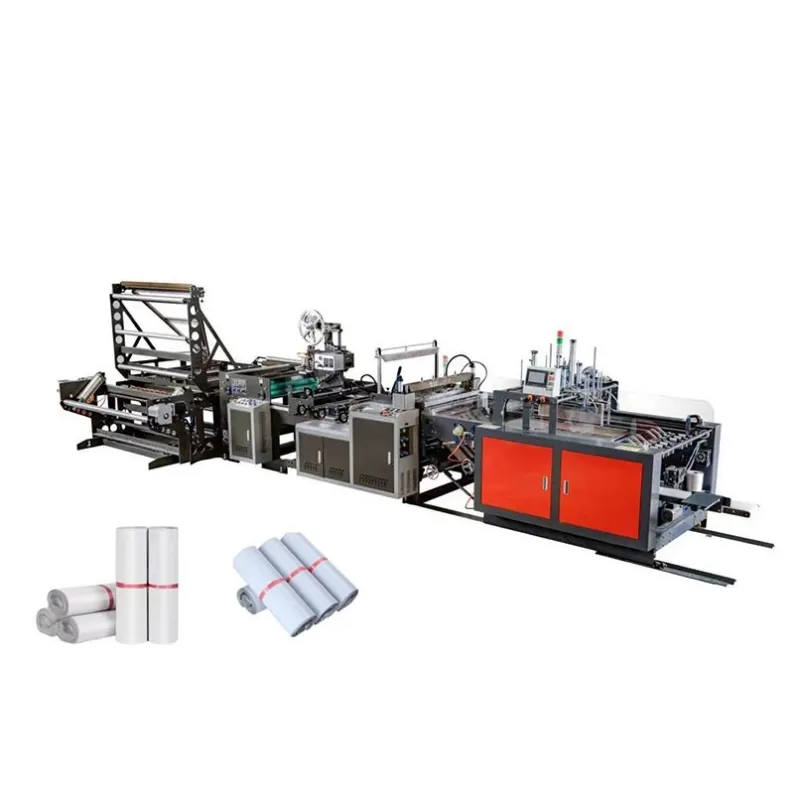
Rated Speed vs Actual Output: Understanding Mailer Machine Productivity
A mailer machine's rated speed is not its daily output. Usable bags equal average running speed × actual running minutes × acceptance rate — this guide works out what to check in a trial.
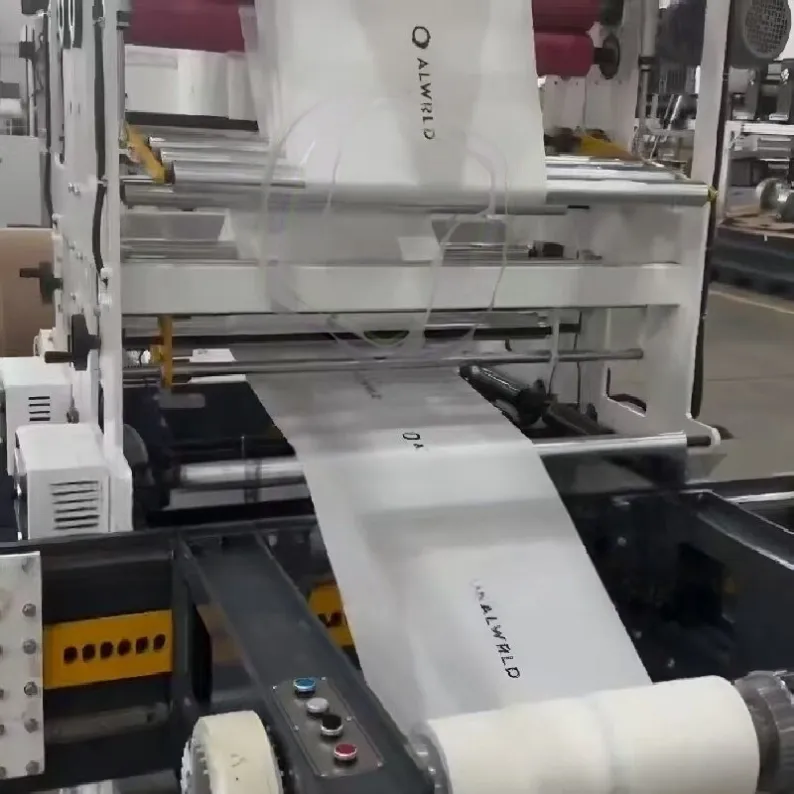
A mailer machine's rated speed is not its daily output. A machine rated at 80 bags a minute will not make 80 bags a minute all day: roll changes, size adjustments, cleaning and unplanned stops take a share of every shift, and rejected bags take a share of what is made. This guide explains what rated speed really means, how to work out the usable output you can plan on, and what to check during a trial.
What rated speed means
Rated speed describes machine capacity under specified conditions. It is the speed the machine can reach when everything is set up for it: the right paper grade, the right bag dimensions and the right configuration, with no changeovers and no stops. Ask which paper grade, bag dimensions and configuration were used to achieve the rated speed, because a speed demonstrated with one material or format may not apply to every order.
A machine that reaches its rated speed on a light kraft paper in a single size may run slower on a heavier grade, a larger bag or a construction with a peel-and-seal strip. The rated speed is a useful starting point for comparing machines, but it is not a promise of daily output, and it should not be the only number in your decision.
Why actual output is lower
Roll changes, size adjustments, cleaning and unplanned stops reduce the available running time. Every roll change stops the line while the new roll is loaded and threaded; every size adjustment stops it while the forming section is reset; cleaning stops it while paper dust and adhesive are cleared; and unplanned stops — a jam, a sensor fault, a torn web — stop it without warning. The time the machine spends running is the shift length minus all of these, and it is always less than the shift length.
Rejected bags further reduce the saleable output. A bag that fails inspection — a weak seam, an inaccurate cut, a misaligned fold — cannot be sold, so it comes off the total even though the machine spent time making it. The difference between the number of bags the machine made and the number of good bags you can ship is the gap between rated speed and real productivity.
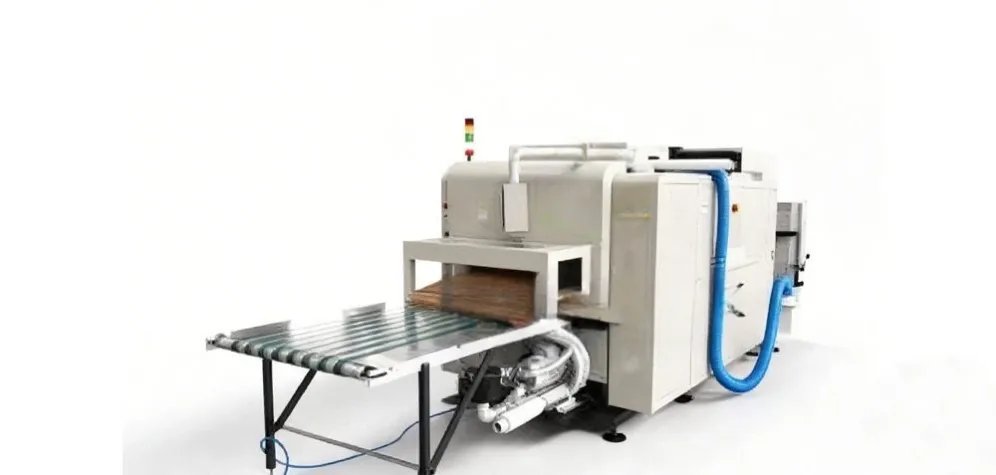
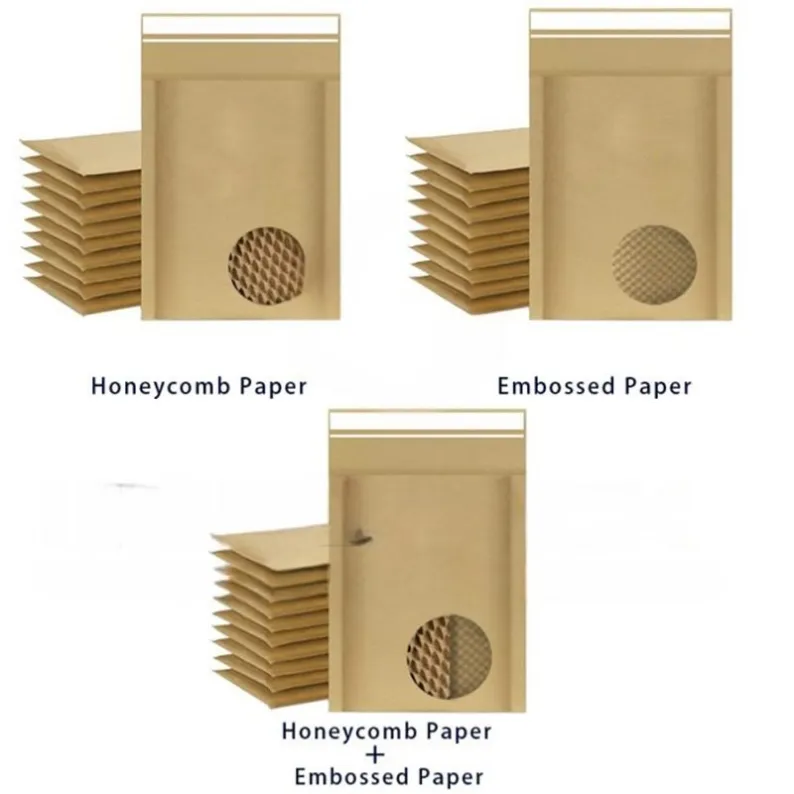
For a honeycomb mailer machine, paper tension, layer alignment and glue application can affect production consistency. If the tension is wrong, the honeycomb layer stretches or tears; if the layers are misaligned, the fold is in the wrong place; if the glue is applied unevenly, seams fail. Increasing speed is only useful when bag quality remains acceptable: a faster machine that makes more rejects is not more productive, it is just faster at making waste.
How to work out usable output
Usable bags = average running speed × actual running minutes × acceptance rate.
The three parts of the formula each need a realistic figure. Average running speed is the speed the machine actually sustains while it is running, not its maximum; actual running minutes are the minutes the machine spends making bags, with downtime excluded; and the acceptance rate is the share of bags that pass inspection, calculated from inspected production.
For example, 80 bags/min × 360 minutes × 98% yields 28,224 usable bags. This illustrates the calculation and is not a guaranteed machine output: it shows what the formula gives when a machine sustains 80 bags a minute for 360 running minutes with a 98% acceptance rate. Change any of the three figures and the result changes.
Use the formula to compare machines on the same basis. Ask each supplier for the average running speed, the running minutes and the acceptance rate behind their output claim, and work out the usable bags for your own shift length and your own product mix. Two machines with the same rated speed can give very different usable outputs once changeovers and rejects are counted.
How bag specifications change the answer
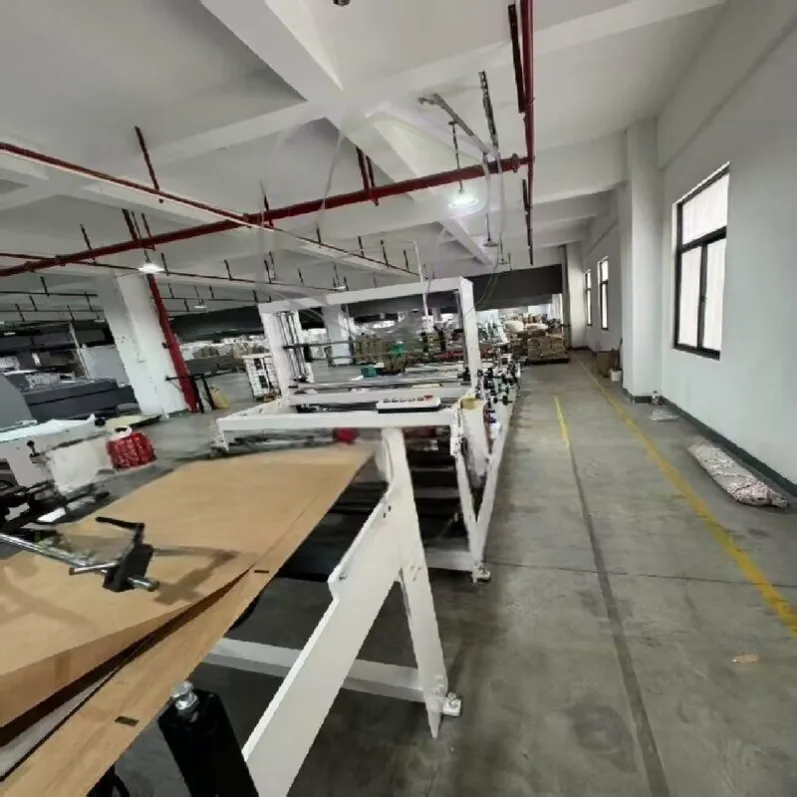
Larger bags, different paper weights and additional features may require different settings. A larger bag takes longer to form and seal; a heavier paper needs more forming force and may run slower; a lighter paper may need gentler handling to avoid tearing. Adhesive strips, tear strips and gussets can introduce further process requirements, because each one adds a station or a setting to the line.
Give your supplier a representative product list so the proposed paper mailer machine matches your actual orders. A list that covers your bag sizes, paper grades and features lets the supplier quote a machine that fits the work you actually do, and lets you judge the output claim against your own orders rather than against a single demonstration format.
How to improve daily production
Prepare paper rolls and adhesives before each run. A run that starts with the rolls and the adhesive ready loses no time to fetching and loading, and the first bags are good bags instead of trial bags. Group compatible orders to limit unnecessary changeovers: running the same size and paper in one batch, instead of switching back and forth, keeps the machine running and the waste low.
Follow the maintenance schedule and record recurring stoppages. A machine cleaned and lubricated on schedule stops less often, and a record of recurring stoppages shows you where the time goes. Track rejected bags by defect type, such as weak seams or inaccurate cutting, to identify where improvements are needed. A defect that appears on every run has a cause you can fix; a defect you do not track will keep costing you bags.
What to check during a trial
Use your intended materials and bag sizes. A trial with the supplier's paper and a single size tells you what the machine can do; a trial with your paper and your sizes tells you what it will do for you. Record test duration, average speed, downtime, waste and accepted bags, and include a size changeover rather than judging performance from a brief demonstration. A machine that looks fast in a ten-minute run may lose that advantage when it has to change size.
Ask the supplier for the output under your actual conditions, not the rated speed. Give them your bag specifications and your target daily output, and ask what usable output the machine will deliver on your product list, with your paper, over a full shift. The answer, and the trial that proves it, is the basis for the decision.
The bottom line
Rated speed is a capacity figure under specified conditions, not a daily output. Usable output is what the machine makes after changeovers, stops and rejects, and it is the number to plan your capacity around. Work it out with the formula, check it with a trial on your own materials and sizes, and compare machines on usable bags, not on the highest number in the brochure.
If you are comparing mailer machines, HJ Machinery can help. Browse our paper mailer and envelope machines or contact us with your bag specifications and target daily output, and we will discuss a suitable mailer production setup.