Renewable Materials: The Future of Sustainable Packaging
Renewable materials come from sources that regrow, such as wood, bamboo and hemp. This guide explains what they are, why they matter for packaging, and how to use them.
Renewable materials are materials that come from sources that regrow: wood, bamboo, hemp, wool and other biomass. Packaging made from them does not depend on fossil resources, it can often be recycled or composted, and it is what a growing number of customers now expect from the brands they buy from. This guide explains what renewable materials are, why they matter for packaging, and how to use them without giving up protection or paying more than the switch is worth.
What Are Renewable Materials?
A renewable material comes from a natural resource that can be replenished in a short time. Wood comes from trees that can be replanted. Bamboo regrows quickly after cutting. Hemp grows in a single season. Wool is shorn from animals each year. Biomass — plant matter grown for material use — can be turned into films, fillers and other packaging materials. What they share is that they are not mined or drilled: they are grown, harvested and grown again. That is the difference between a renewable material and a fossil-based plastic, which uses a resource that takes millions of years to form and is used once.
For packaging, the important question is not only where a material comes from, but what happens to it afterwards. A renewable material earns its place when it also fits the disposal stream the customer already uses — the paper recycling stream, for example — and when it protects the product as well as the material it replaces.
Why Packaging Is the Test Case
Packaging is where renewable materials meet the most buyers. Online retail keeps growing — Statista put global online retail sales at $4.9 trillion in 2021 — and every order needs packaging. That makes the packaging decision one of the largest material decisions a seller makes, and one of the most visible to customers. A box, a mailer and a cushion are things a customer holds, opens and throws away. If they are renewable and recyclable, the customer sees it. If they are not, the customer sees that too.
The Main Renewable Packaging Materials
- Paper and board. The most widely used renewable packaging material. Corrugated board, kraft paper and paper-based cushioning are strong, printable, recyclable and familiar to every customer.
- Bamboo. A fast-growing plant that can be made into packaging materials and moulded fibre products. Its speed of regrowth is its main advantage.
- Hemp. A fast-growing crop that can be used for fibre-based packaging and for paper, with little need for the chemical inputs some other crops require.
- Wool. A natural fibre that can be used for protective packaging, including insulation and cushioning for temperature-sensitive goods.
- Biomass-based films and fillers. Plant matter converted into films, foams and fillers that can replace fossil-based plastics in some packaging uses.
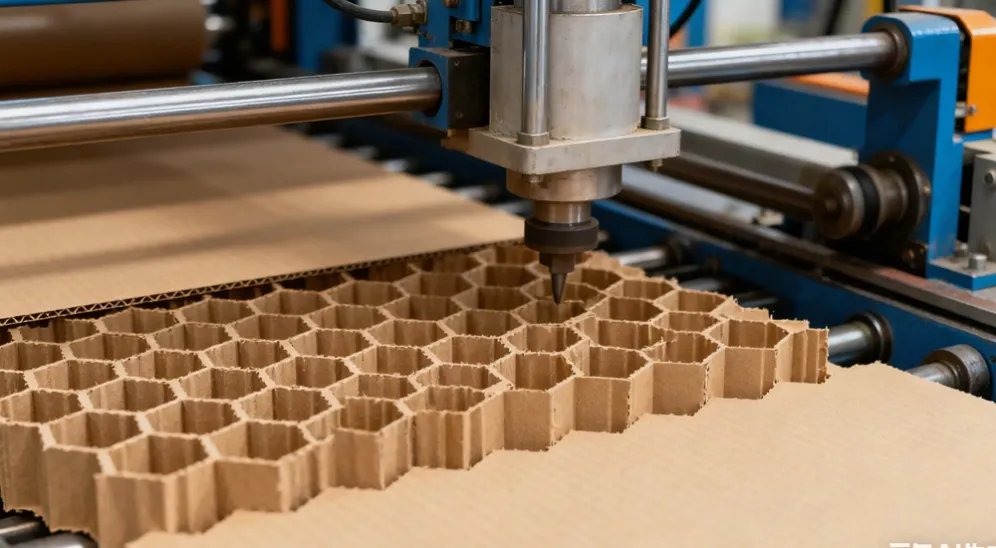
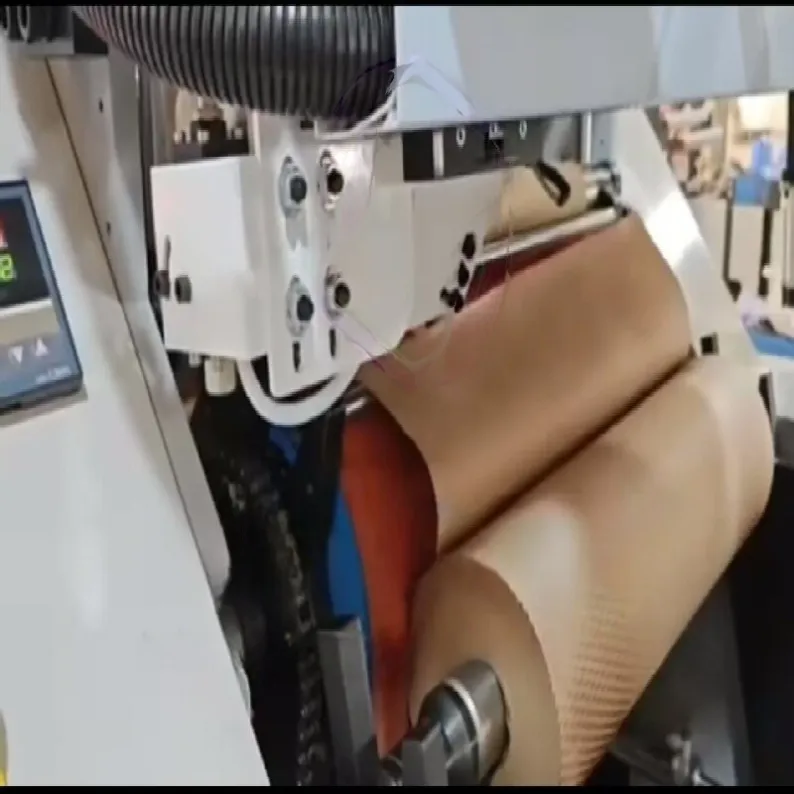
Honeycomb paper, shown being die-cut above, is one of the clearest examples of a renewable packaging material in use. Kraft paper is expanded into a honeycomb structure that cushions and protects, and the finished material fits the paper recycling stream.
The Benefits of Renewable Materials
Environmental protection. Renewable materials reduce dependence on fossil resources and, when they are recyclable or compostable, reduce the waste that ends up in landfill. Using less plastic in packaging is the most direct environmental gain a seller can make.
Cost efficiency. Renewable materials can cost more at first, but they can be cheaper over time. Lower disposal costs, less packaging waste and fewer materials used per parcel all reduce the total cost of a shipment. The comparison that matters is the total cost — material, shipping, damage and disposal — not the price of one roll of film.
Consumer appeal. Customers are more likely to support brands that use environmentally friendly packaging, and they notice when packaging is renewable and recyclable. For a brand, that is a real commercial benefit, not only a matter of principle.
What to Watch Out For
Renewable is not automatically sustainable. A material that is grown renewably can still be a poor choice if it is sourced badly, if it cannot be recycled or composted where the customer lives, or if it fails to protect the product and causes damage and returns. Paper packaging must still protect: a mailer that tears or a cushion that collapses costs more, in damage and in reputation, than the plastic it replaced. The test is always the whole journey — sourcing, protection, weight, disposal and cost — not a single word on the pack.
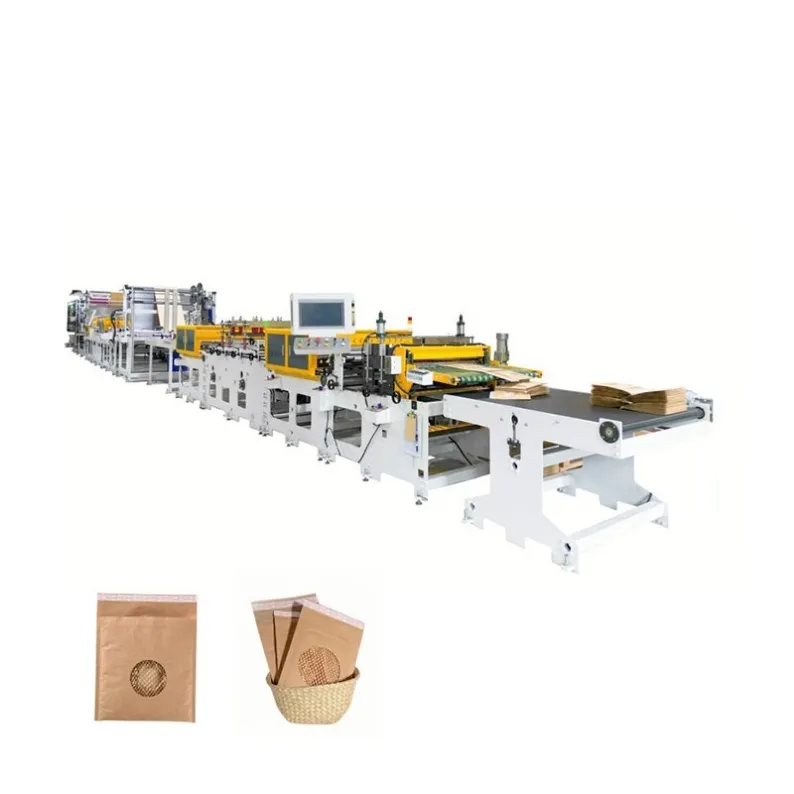
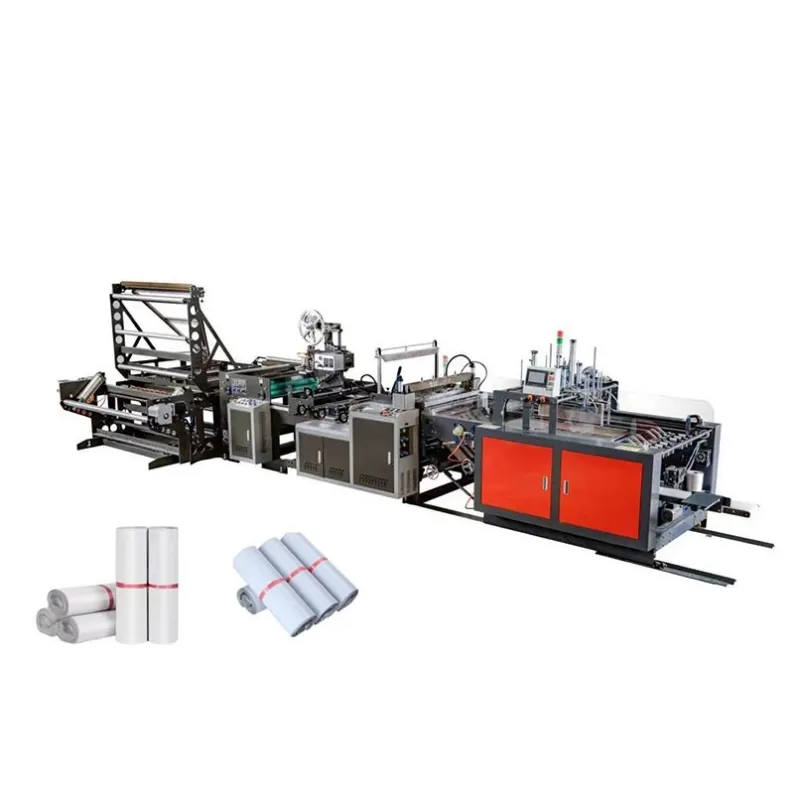
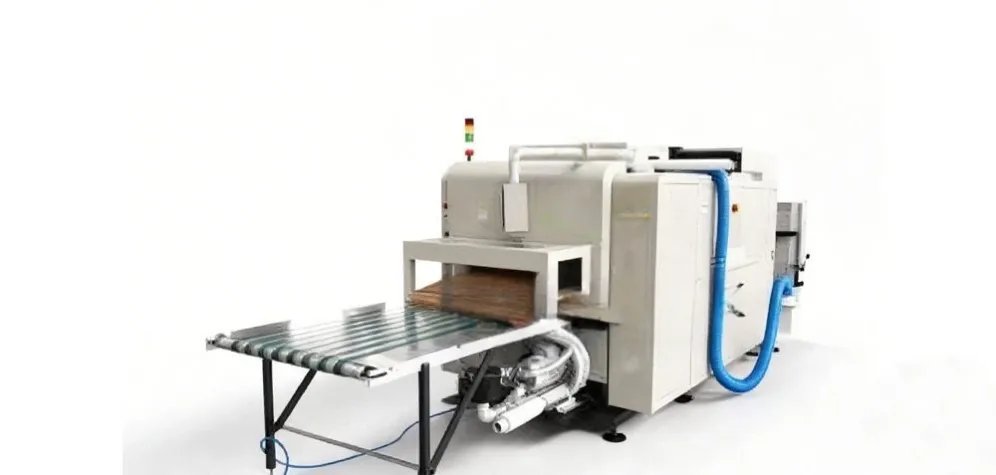
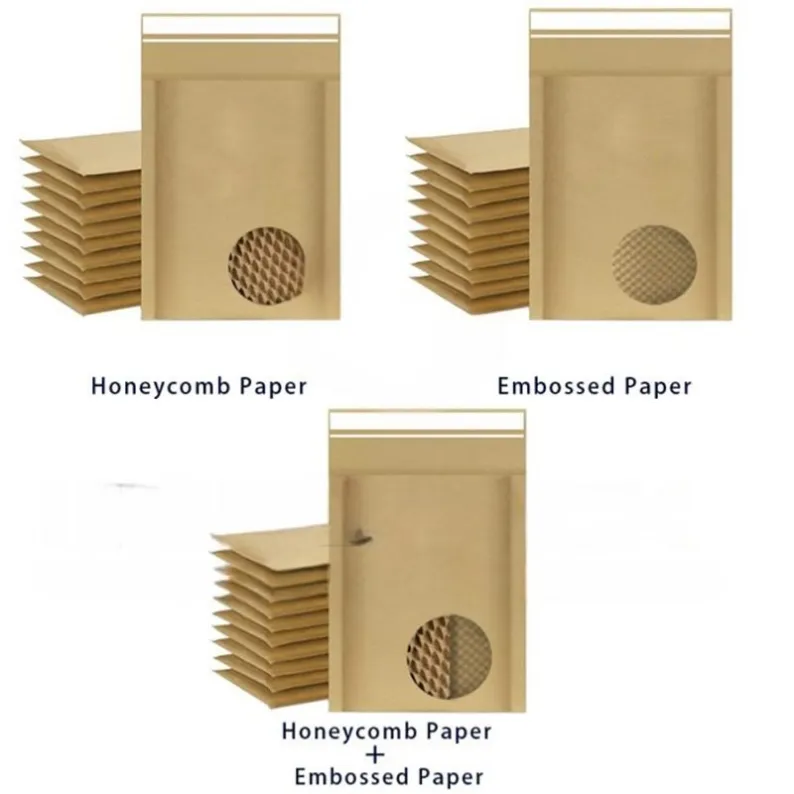
A padded mailer making machine, shown above with honeycomb mailer samples, is the equipment behind the switch. It turns kraft paper into a padded, protective mailer, so a seller can offer paper-based protection at the volumes e-commerce needs.
How HJ Machinery Uses Renewable Materials
HJ Machinery's Paper Packaging Machinery incorporates renewable materials, and it reduces labour costs by automating the production of paper-based packaging. Paper mailers, honeycomb cushioning and paper bubble cushioning are all made from renewable paper, and they replace plastic cushioning for many products. For a buyer, that is the practical point: the machines exist, the materials exist, and the switch does not require a new packing line — it requires a machine that makes the paper format instead of the plastic one.
Choosing Renewable Packaging
- Match the material to the product. Fragile products still need cushioning and immobilisation; a renewable material that cannot protect is not a saving.
- Check the disposal stream. Choose materials your customers can recycle or compost through the streams they already use.
- Test protection first. Pack, ship and open the product yourself before changing a whole line to a new material.
- Count the total cost. Include disposal, damage and returns, not only the price of the material.
Frequently Asked Questions
Are renewable materials always better than plastic? Not always. They are better when they protect the product, fit the recycling or composting stream, and cost no more in total than the plastic they replace.
Can paper packaging protect fragile items? Yes. Honeycomb paper, paper bubble cushioning and padded paper mailers all protect fragile goods, and they are produced on the same kind of paper packaging machinery that makes the mailers themselves.
Talk to Hangjia Machinery
If you want to move your packaging towards renewable materials, start with the machine that makes it. Browse our Honeycomb Paper Machines and our Mailer and Envelope Machines, then contact us to discuss the products you pack and the renewable materials that suit them.