The Definitive Guide to Folding Machine Technology in 2025
From fixed gears to servo control and AI diagnostics: how modern folding machines reach ±0.1 mm at 150 m/min — and the 2025 data behind the upgrade.
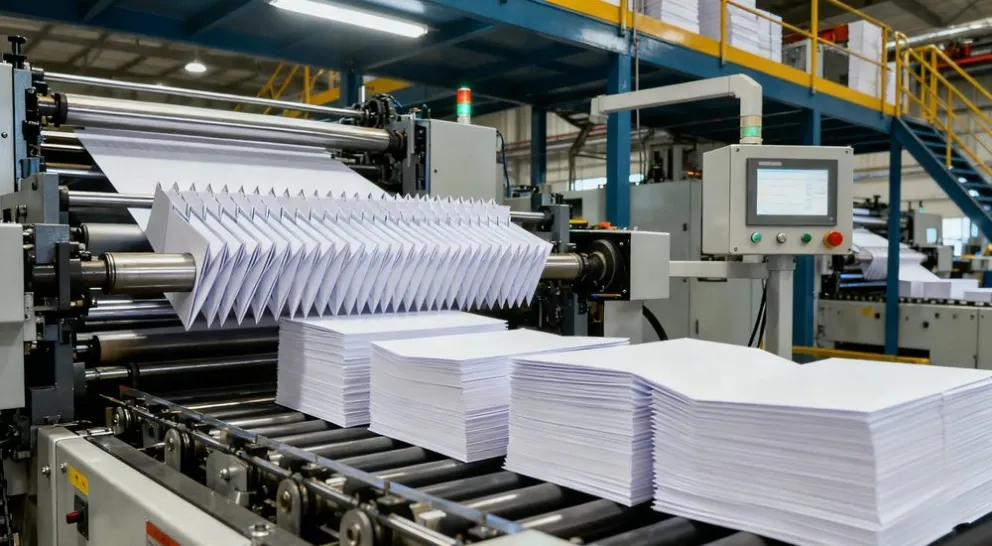
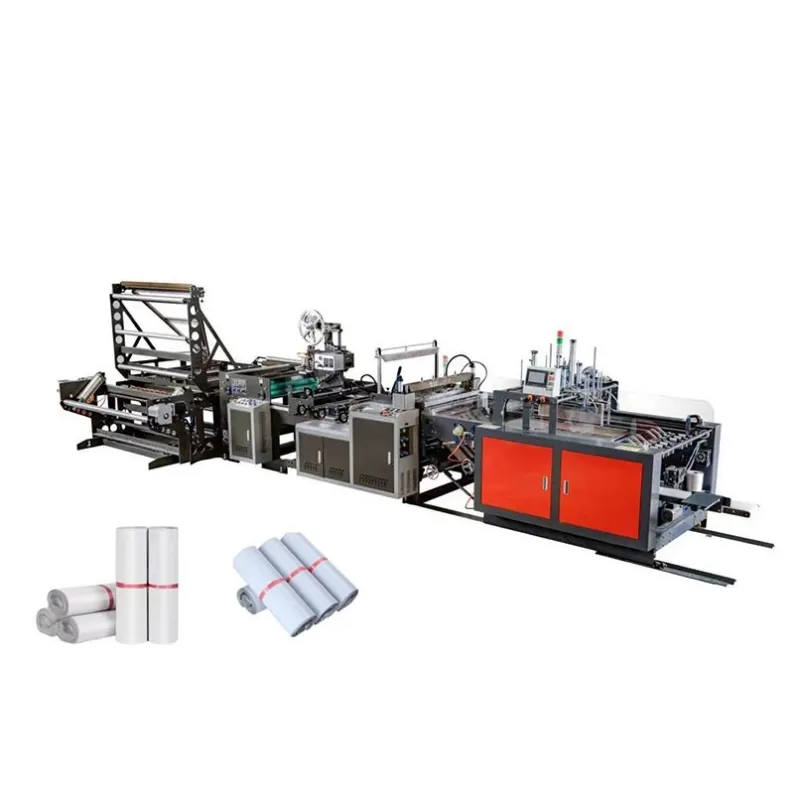
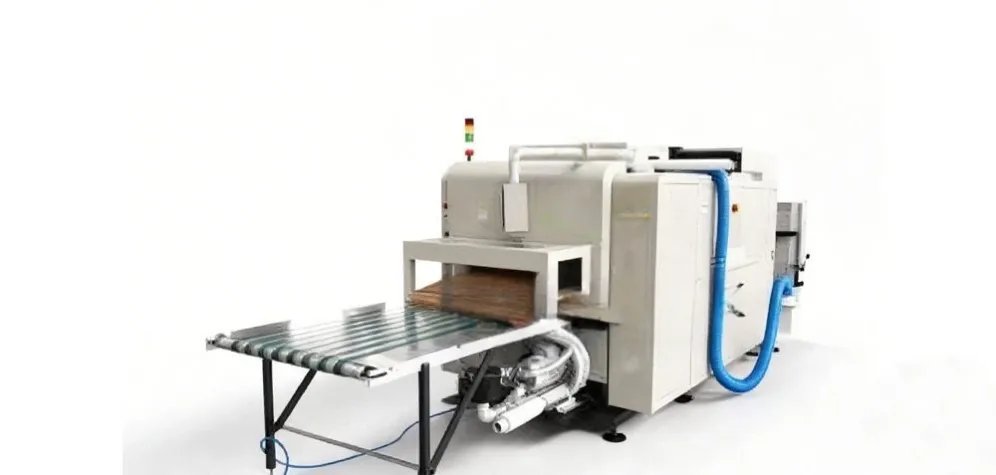
"Do you still run manual folding lines?" That question, once innocent, now reveals the technological divide across the packaging world. In 2025, automation, energy efficiency and sustainability have redefined how manufacturers fold, cut and seal materials. A modern folding machine is no longer just a mechanical aid — it is a data-driven production asset that integrates AI monitoring, servo synchronization and zero-waste operations. This guide explains why upgrading to next-generation folding technology delivers both operational resilience and strategic ROI.
The Evolution of Folding Machine Technology
From simple mechanical rollers to fully automated servo-folding systems, the folding machine has undergone a dramatic transformation. Before 2010, folding meant mechanical systems with fixed gears — high maintenance and low flexibility. Between 2015 and 2020, servo systems introduced precision motion control. In 2025, the integration of AI and IoT enables predictive maintenance, real-time feedback and intelligent material handling. The payoff is concrete: today's folding machines improve material yield, reduce setup times by up to 40%, and support eco-friendly paper substrates, aligning with global sustainability regulations.
Materials and Engineering: What Makes a Modern Folder
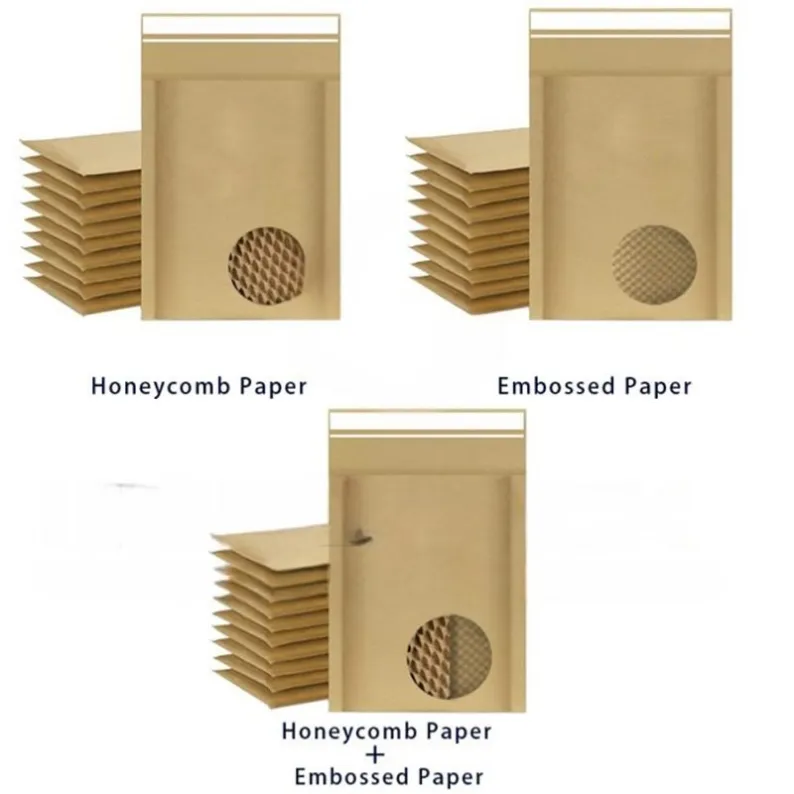
Modern machines are built from high-grade components. Precision alloy rollers ensure long-term stability and consistent folding pressure. Servo-driven control systems synchronize fold speed and tension for complex designs. Smart sensors detect paper thickness variations to prevent jams or creases. The design is optimized for sustainability: compatibility with recyclable kraft and glassine paper, low-heat sealing systems that reduce energy consumption, and closed-loop feedback for waste minimization. The result is a machine that handles the paper grades buyers actually use — kraft, coated and glassine — without the jams and rework of older lines.
Modern vs Traditional: The Comparison
Against a traditional model, the gap is wide. Servo control delivers real-time accuracy of ±0.1 mm, where the old lines needed manual gear adjustment. Material range covers kraft, coated and glassine paper instead of being limited to uniform thickness. Maintenance is predictive and digital rather than mechanical and reactive. Output speed reaches up to 150 m/min against 60–80 m/min for traditional models. And sustainability is built in — energy-efficient, recyclable — where the old lines carried higher energy and material loss. For a buyer, the comparison is not about one feature; it is the whole operating profile.
Manufacturing Process and Smart Integration in 2025
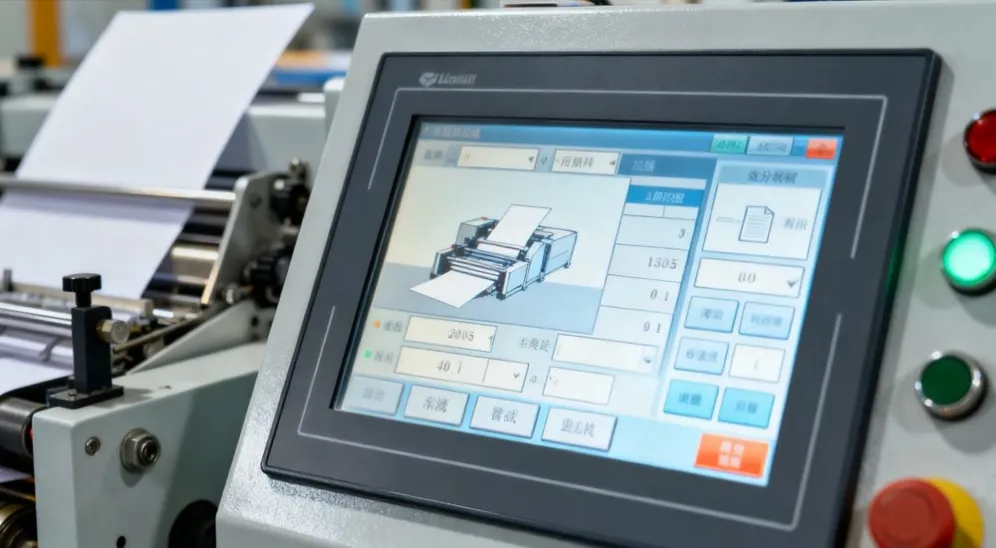
Advanced production techniques set the 2025 machine apart. CNC precision fabrication guarantees consistent alignment and reduced vibration. Laser-guided folding calibration delivers clean, repeatable results for complex folds. A digital control interface (HMI) lets operators adjust folds, angles and batch speeds instantly. Smart integration goes further: AI-powered diagnostics automatically suggest adjustments, monitor wear patterns and store production analytics — so the machine tells you what it needs before it breaks down. That is the difference between running a folder and running a folding system.
The Data and the Cases
The numbers back the upgrade. Paper packaging machinery adoption is up 25% in Europe under EPR compliance (EU Packaging Regulation, 2024). Recyclable paper mailers cut CO₂ emissions by up to 32% compared with equivalent plastic packaging (EPA, 2023). Automated folding lines report 20–28% fewer product reworks and improved packaging integrity (Journal of Sustainable Manufacturing, 2025). And PMMI reports paper-based folding machinery shipments grew 18% year over year — one of the fastest-growing packaging equipment categories.
The cases match. An e-commerce fulfillment center that moved from manual folding to servo-controlled paper folding now packs 30% faster with 22% less material waste and better ergonomics. A luxury brand adopted a glassine paper folding machine and gained fully recyclable mailers with enhanced brand aesthetics. A third-party logistics provider that integrated digital folding and inspection cut misfolds by 18% and achieved ISO-compliant traceability. Operators say the same thing in their own words: setup time dropped by half and energy bills followed; predictive maintenance saved hours every month.

Buying and Running It: FAQ in Brief
What should a buyer ask? The main advantage of a modern folding machine is enhanced automation, higher precision and compatibility with sustainable materials. It supports sustainability goals by reducing plastic waste and energy consumption and simplifying recycling audits. A servo-controlled folding machine typically lasts 10–15 years with predictive maintenance, and advanced sensors adapt automatically to glassine, kraft and laminated paper. Average ROI lands within 18–24 months, thanks to energy savings and waste reduction.
In 2025, folding machine technology stands as a benchmark for smart industrial transformation — servo accuracy, real-time monitoring and recyclable material compatibility in one line. Explore Hangjia Machinery's folding machines to see the range, or contact us to discuss your grades, volumes and the right configuration for your line.