The Future of Packaging: Why Kraft Paper Mailer Machines Are Taking Over Logistics
Kraft paper mailer machines are moving from a niche choice to the default in e-commerce logistics. Here is what is driving the shift, and how to judge the business case.
A few years ago, kraft paper mailers were the plain option in the warehouse. Today they are the format many logistics teams are building around. The machines that make them have become faster, more flexible and easier to justify, while the case against plastic mailers keeps getting stronger. This is why the shift is happening, and what to look for before you join it.
Why the Shift Is Happening Now
Three forces are pushing the same way. Customers have made up their minds: around 85 percent of online buyers say they prefer paper-based packaging over plastic. Regulators are following, with extended producer responsibility schemes, plastic taxes and the EU Packaging and Packaging Waste Regulation raising the cost and the paperwork of single-use plastic. And the packaging itself has improved — modern kraft mailers are tougher, better sealed and easier to brand than the brown envelopes of a few years ago.
The result is visible in buying plans. Around 72 percent of logistics operators say they intend to switch to paper mailers by 2026. What started as a sustainability gesture is now a mainstream logistics decision.
What a Kraft Paper Mailer Machine Does
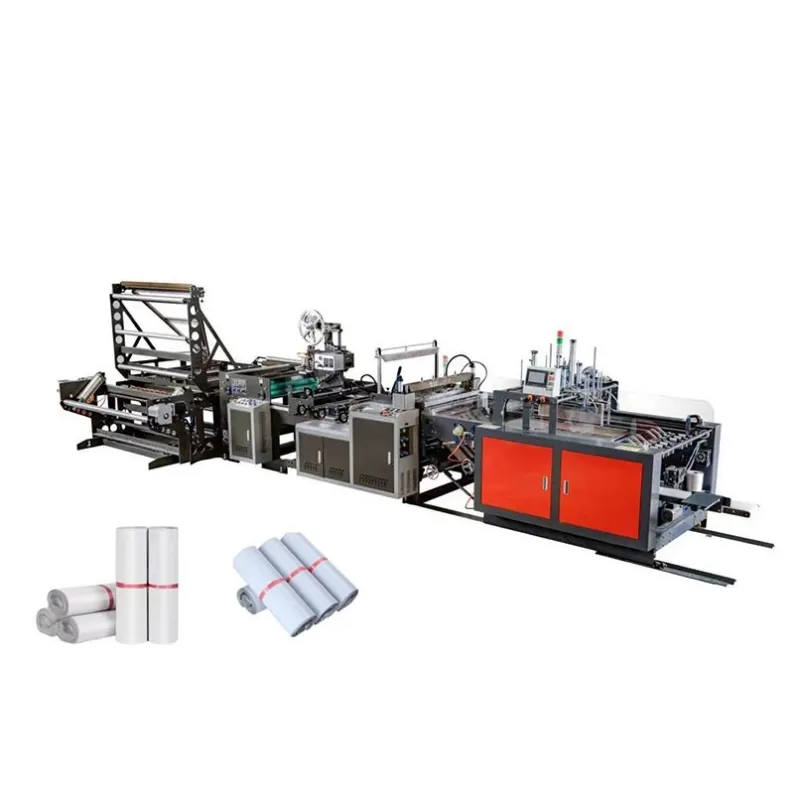
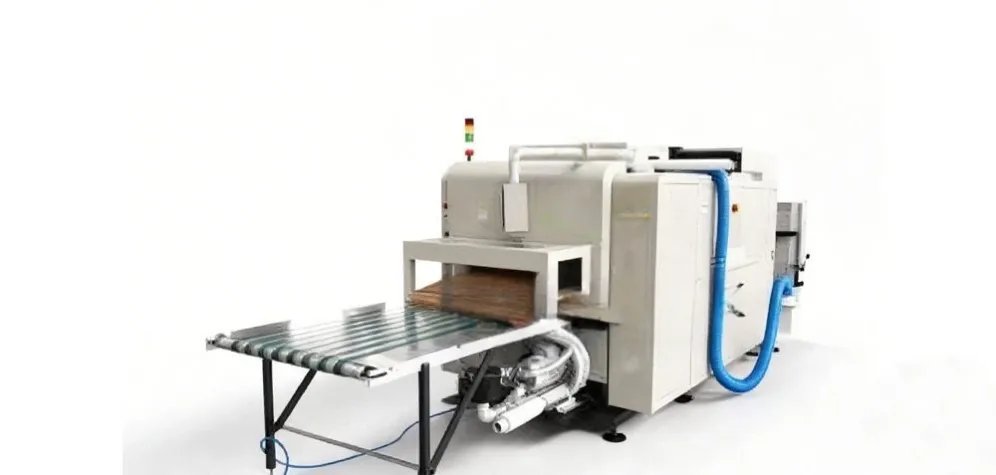
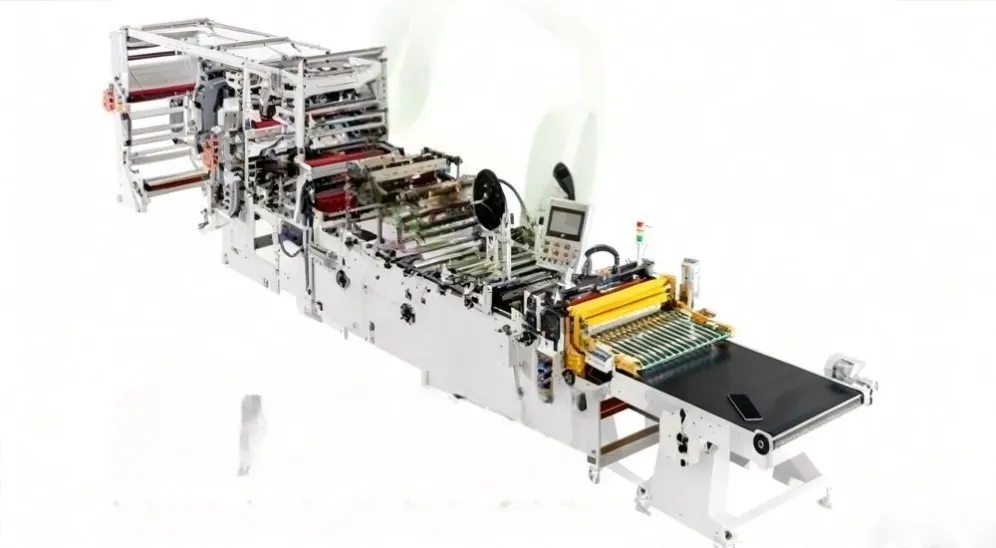
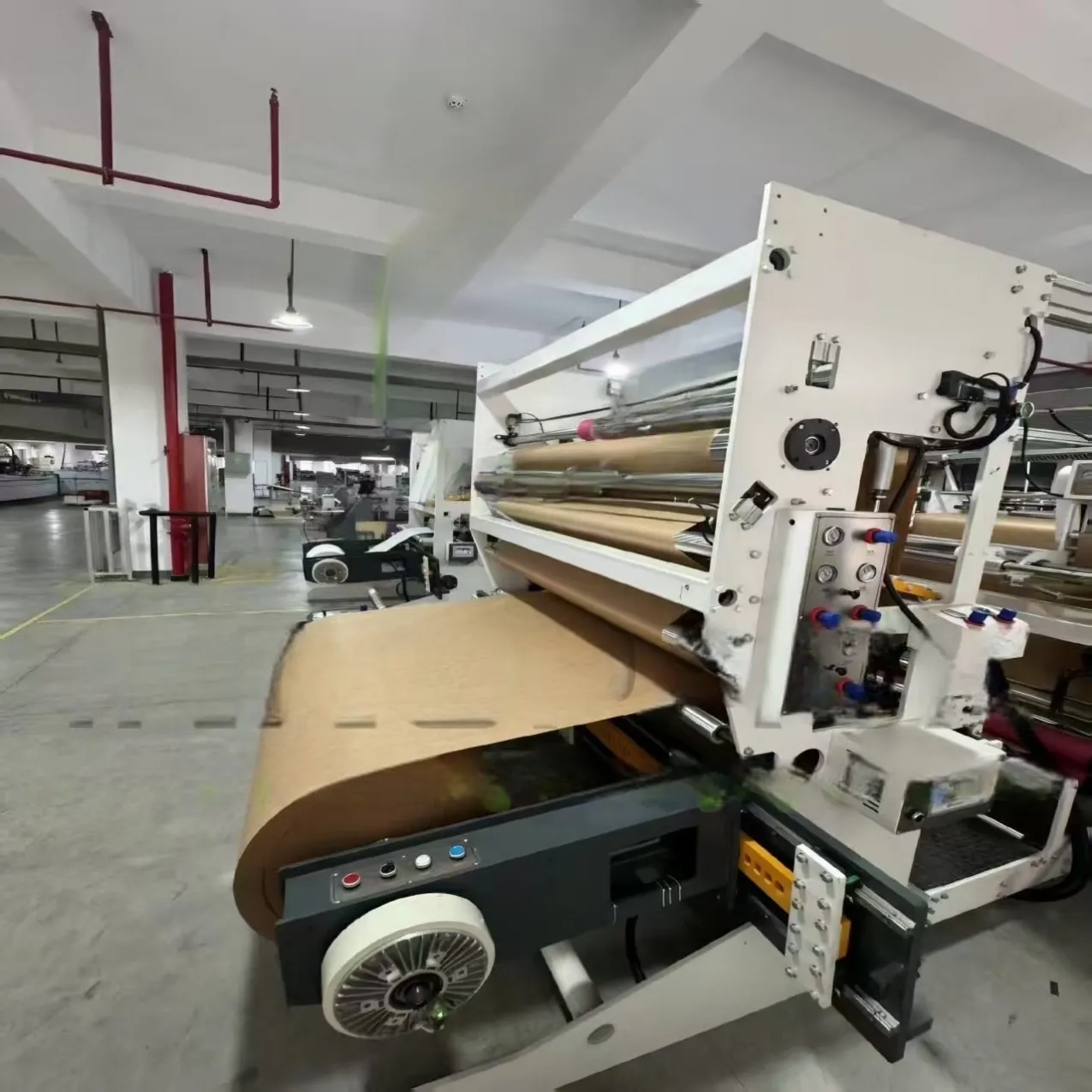
A kraft paper mailer machine forms mailers from a roll of kraft paper, seals them and, on most lines, prints branding or handling marks in line. The paper typically runs from 60 to 160 gsm: lighter grades suit apparel and soft goods, heavier grades suit books and boxed items. Seals are heat-activated, with a peel strength of around 3.5 to 5.0 N/25mm — strong enough to survive a courier network, but easy for the customer to open.
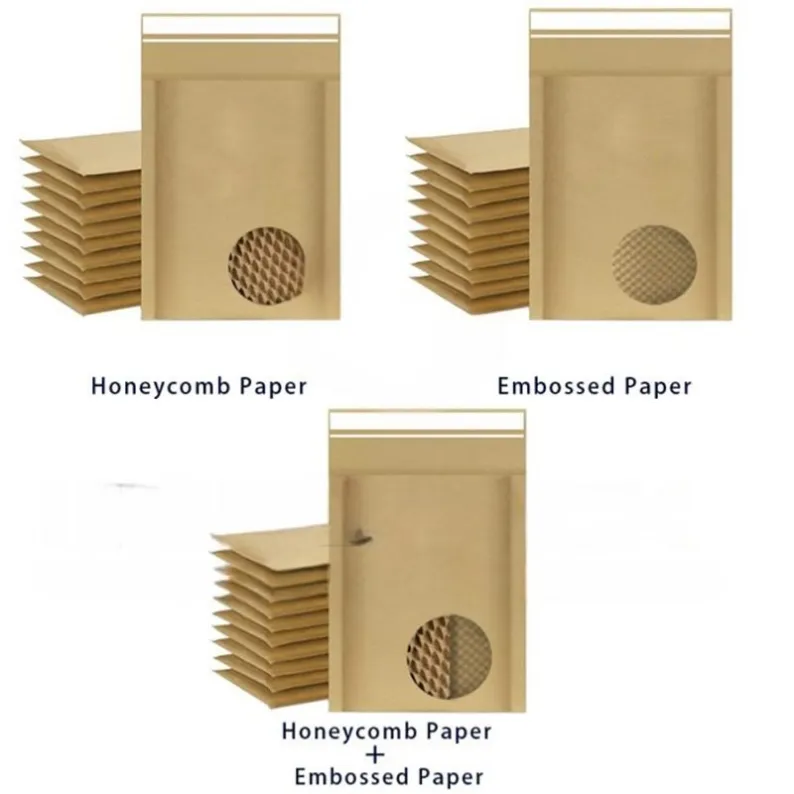
Output is typically 30 to 80 mailers per minute, depending on size and automation. Many lines also handle padded variants, with a honeycomb or corrugated paper lining for extra protection, so one machine can cover both standard and fragile shipments.
The Sustainability Numbers
The environmental argument is concrete. Paper is recycled at a rate of about 68 percent in most developed markets, against roughly 9 percent for flexible plastic. A kraft mailer can go straight into the curbside paper stream, with no separation for the customer to work out.
Right-sizing helps too. Because paper mailers fit the product more closely than an oversized box, dimensional weight falls — one operator measured a 14 percent drop — and the carbon per parcel fell by about 27 percent in the same trial. Less empty space means fewer trucks carrying air.
The Business Case
Sustainability alone would not move the market; the numbers have to work. They usually do. Payback on a kraft mailer line is typically 12 to 18 months, driven by lower material and shipping costs rather than by the machine price alone.
Real operations back that up. An apparel brand that switched reported packaging costs down 15 percent and throughput up 20 percent. A book retailer cut transit damage by 30 percent after moving to padded kraft mailers. An electronics shipper cut single-use plastic by 60 percent. In one case, customer trust scores rose 19 percent after the switch, and shipments grew 38 percent year on year — the packaging had become part of the brand, not just a cost.
How to Choose a Machine
Start with your products, not the catalogue. Check which paper grades the machine runs, what seal strength it achieves, and how quickly it changes between sizes — mixed orders are where slow changeovers hurt. Ask for a trial with your own products, and for drop-test results on your heaviest and most fragile items. Confirm spare-parts lead times and what the service agreement actually guarantees, and make sure the line can print your branding in line if that matters to you.
The cheapest machine is rarely the cheapest line. A machine that runs steadily at 40 mailers a minute, across your whole range, will beat a faster one that needs constant adjustment.
Frequently Asked Questions
Can kraft mailers replace plastic mailers? For most e-commerce shipments, yes — including many that used to need a box. Are they strong enough for heavier items? With the right grammage and a padded lining, they carry books, electronics accessories and similar goods well. How fast is payback? Typically 12 to 18 months at steady volumes.
If you are weighing the switch for your own operation, browse the Mailer & Envelope Machines range or contact Hangjia Machinery to talk through your products, volumes and pack sizes.