The Rise of Sustainable Packaging Trends: What Consumers Really Want in 2026
About 60% of consumers will pay more for sustainable packaging, and paper is the format they trust most. This guide covers the 2026 trends — and what buyers should do about them.
In 2026, consumers want packaging that is easy to recycle, uses less material and tells the truth about what it is made of — and they are willing to pay more for it. About 60% of consumers say they will pay extra for sustainable packaging, and paper packaging is the format they trust most. Reusable, recyclable and compostable packaging is in demand, while single-use plastic is losing favour with shoppers and regulators alike. For packaging buyers, the trend is a buying signal: the formats that win in 2026 are paper mailers, honeycomb paper cushioning and other paper-based protection, made in the lightest form that still protects the product.
What consumers want in 2026: packaging they can feel good about
The 2026 consumer is not asking for perfection — they are asking for packaging that does not make them feel guilty. Surveys put the share of consumers willing to pay more for sustainable packaging at about 60%, and the preference is practical: packaging they can recycle at home, reuse, or compost, without needing special instructions. Reusable packaging is gaining ground where it makes sense, recyclable packaging is the baseline expectation, and compostable packaging appeals where recycling is not available. What shoppers reject is packaging that is hard to sort, hard to open, or hard to justify: mixed materials, oversized boxes and plastic that cannot be recycled. The message for brands is simple — the packaging is now part of the purchase decision, not an afterthought.
Paper is winning the material race
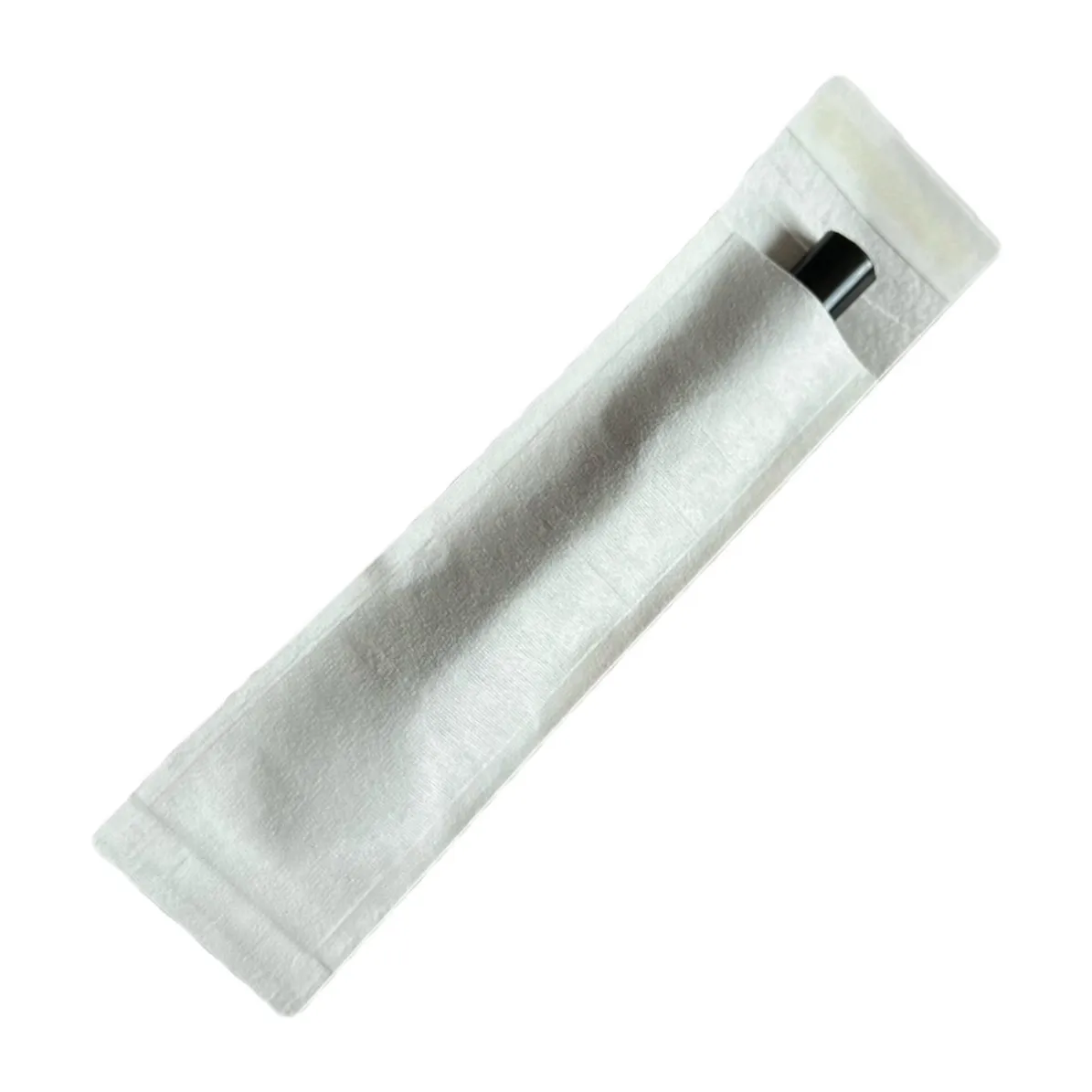
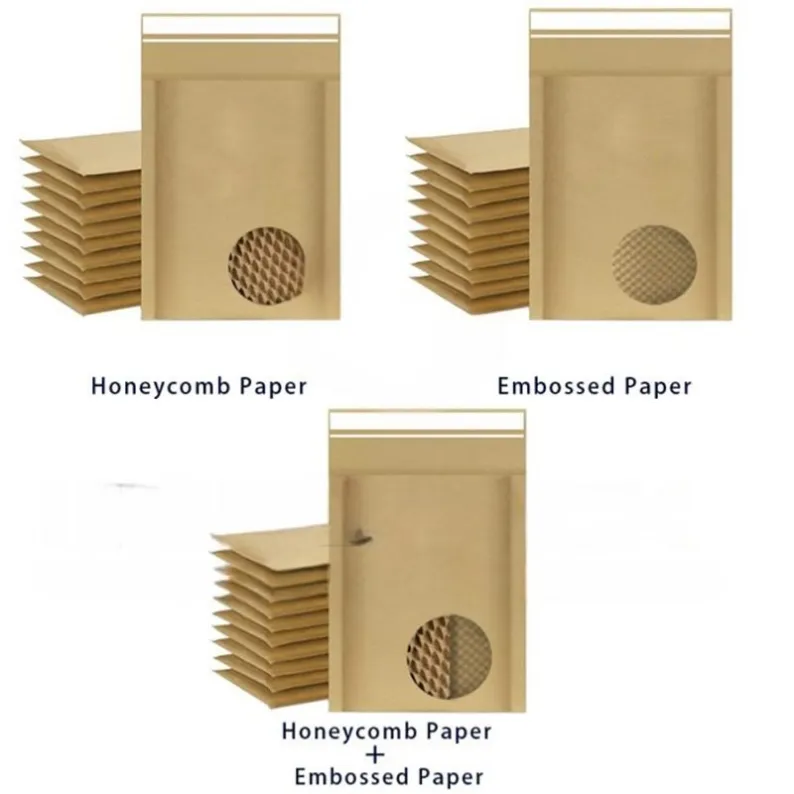
Paper packaging is the clearest winner of the trend. Consumers see paper as natural, recyclable and trustworthy, and they know what to do with it: put it in the paper bin. That familiarity matters — a material customers already recycle is worth more than a novel material they do not understand. Paper cushioning is replacing plastic bubble wrap in the same way: honeycomb paper and paper bubble wrap protect fragile goods without the plastic, and they go into the same paper stream as the box. Paper mailers — kraft mailers and padded paper mailers — are replacing plastic mailers for e-commerce, and they arrive looking like a considered choice rather than a cost saving. For buyers, paper's advantage is that the recycling system, the customer habit and the regulation all point the same way.
Less packaging, lighter packaging
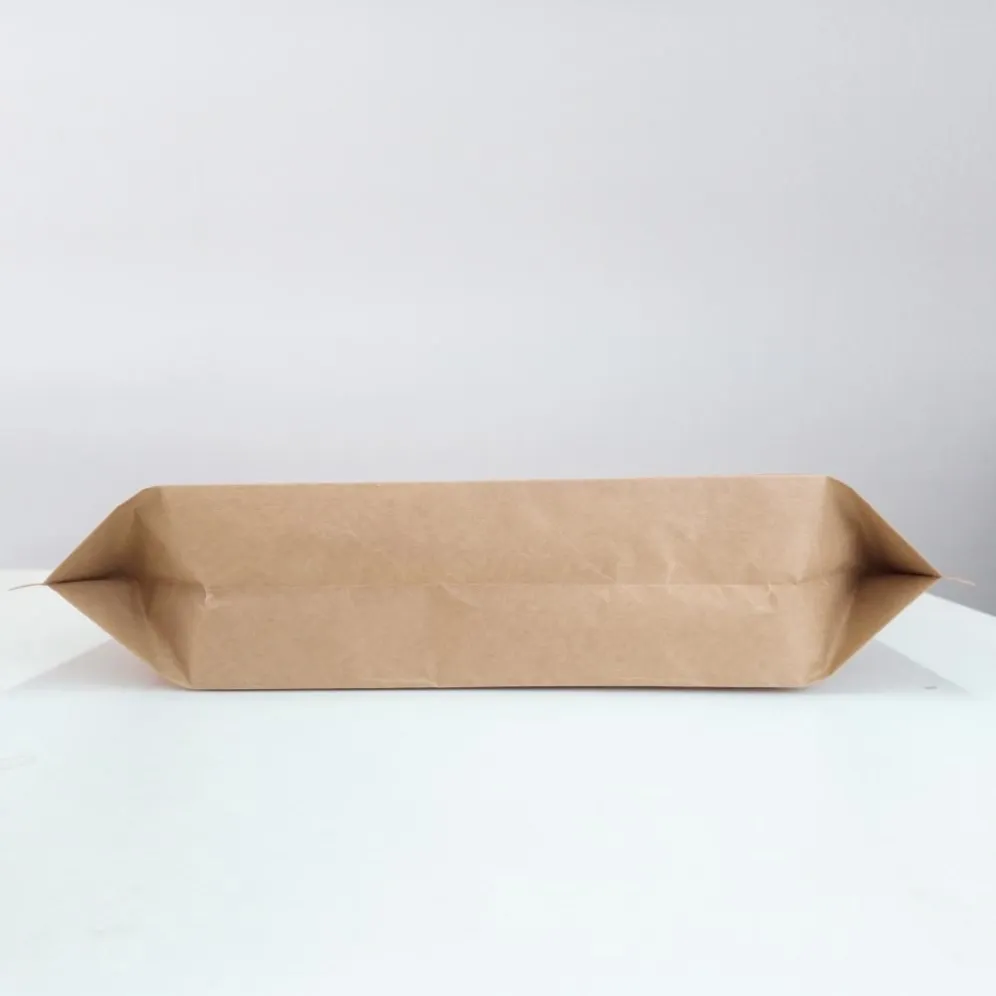
Minimal packaging is the second big trend of 2026: less material, lighter parcels, no empty space. Lightweighting — using thinner, lighter materials and right-sized boxes — cuts both material cost and shipping cost, since freight is charged by weight and size. Paper helps here too: honeycomb paper is light, stores flat until it is stretched open, and protects with less material than foam or moulded plastic. The rule for buyers is to use the lightest format that still protects the product: a right-sized paper mailer instead of an oversized box, a sheet of honeycomb paper instead of a roll of bubble wrap. Less packaging is not only cheaper — it is what customers now expect to see when they open the box.
Labels you can trust: transparency and traceability
Consumers in 2026 also want to know what they are buying. Transparent labels — clear statements of what the packaging is made of, how to recycle it and where it comes from — are becoming a normal expectation, not a premium feature. QR codes on the pack take this further: a scan can show the material, the recycling route and the source of the fibre, turning a claim into something the customer can check. For brands, honest labelling is a competitive advantage: a clear "recyclable in the paper stream" note on a paper mailer does more for trust than a vague green claim. For buyers, it means choosing packaging whose story can be told plainly — paper, recycled content, recyclable — and avoiding materials whose end-of-life cannot be explained in one line.
E-commerce and regulation are pushing the change
Two forces are accelerating the trend: e-commerce and regulation. E-commerce keeps growing, and every order is a packaging decision — the mailer, the cushioning and the box are the brand's last contact with the customer, and the most visible place where sustainability is judged. At the same time, regulation is raising the cost of plastic: plastic taxes and extended producer responsibility rules make producers pay for the packaging they put on the market, and the fees fall hardest on hard-to-recycle plastic. The two forces point the same way: paper formats that are easy to recycle and easy to explain. Buyers who move now get ahead of both — packaging customers prefer, and packaging that will not attract the next round of fees.
What this means for buyers: a short checklist
- Audit what you ship now. List the plastic mailers, wraps and void fill in current use — that is the volume to replace first.
- Switch the cushioning first. Honeycomb paper and paper bubble cushioning replace plastic bubble wrap with the least change to packing routines.
- Move mailers to paper. Kraft and padded paper mailers replace plastic mailers for most e-commerce orders, and customers notice the change.
- Lightweight everything. Right-size boxes and mailers, and use the lightest paper grade that protects the product.
- Say so on the pack. Put clear recycling instructions and, where it fits, a QR code that shows the material and recycling route — the claim is part of the product.
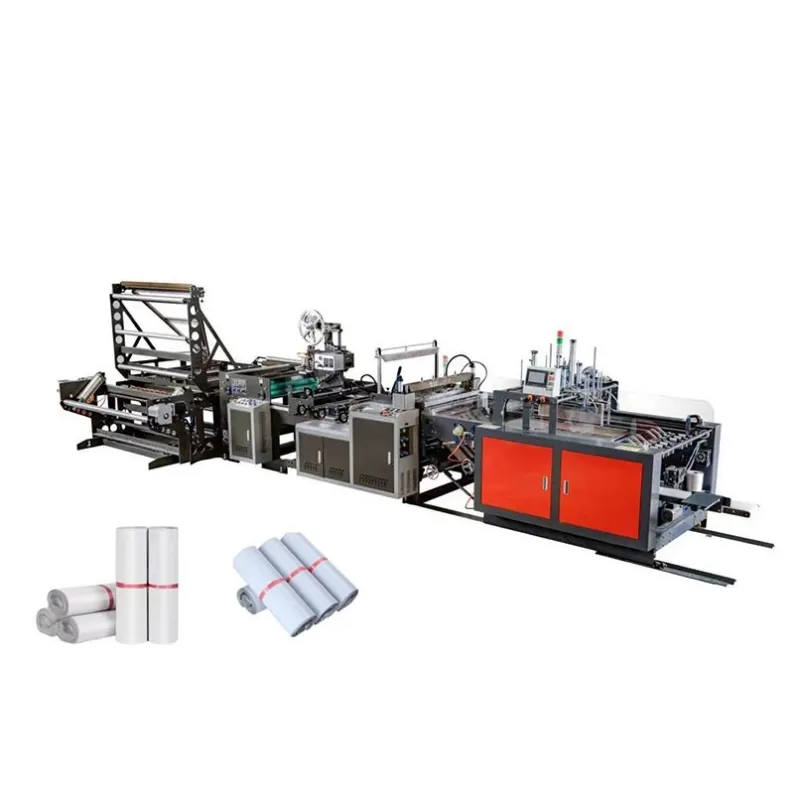
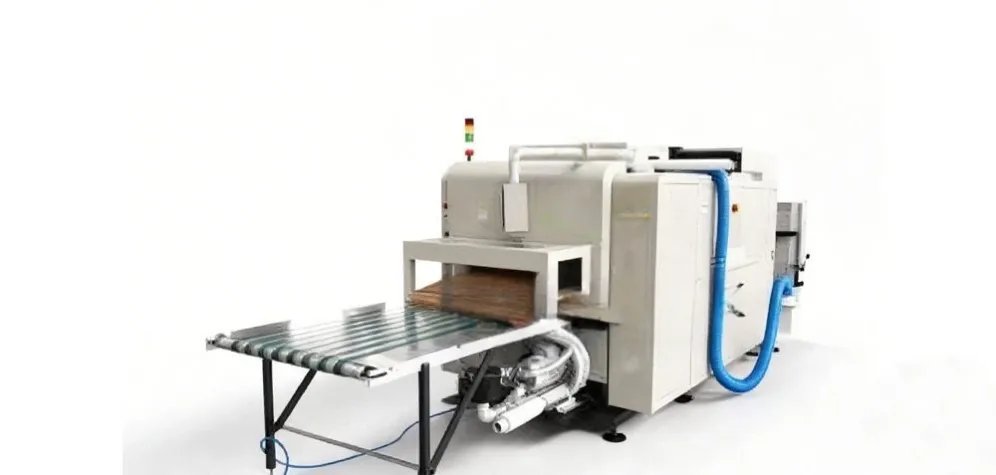
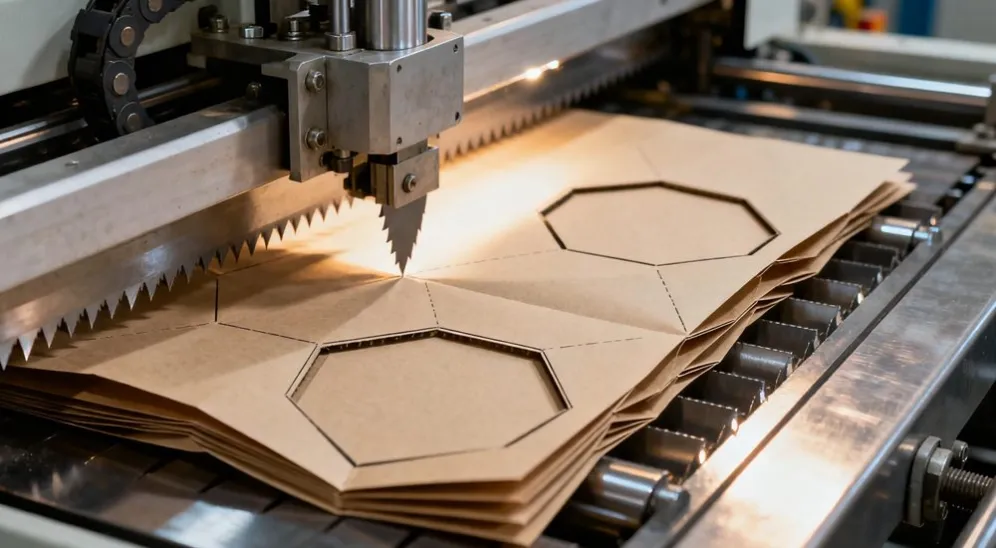
- Make it in-house when volumes grow. Producing paper cushioning and mailers with HJ Machinery's machines lets the team adjust sizes and grades as the range changes, instead of ordering plastic in bulk.
Sustainable packaging in 2026 is not a niche preference — it is what most consumers expect, what e-commerce rewards and what regulation is pushing toward. Paper is winning because it is the material customers already trust and already recycle, and because it protects as well as plastic for most products. The buyers who act on the trend now get the easy wins: packaging customers prefer, lower regulatory risk and a recycling story they can stand behind.