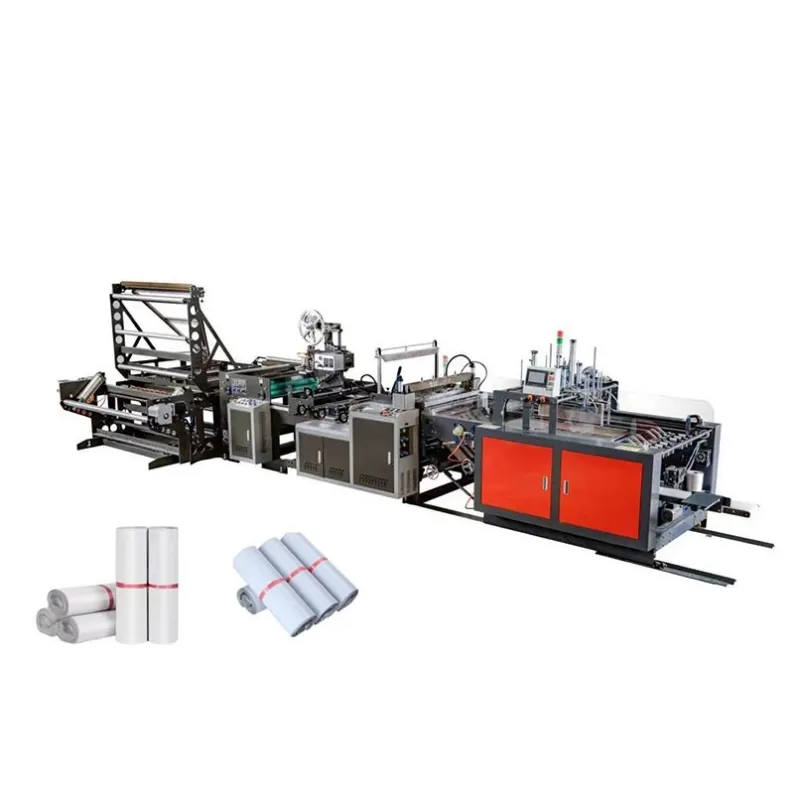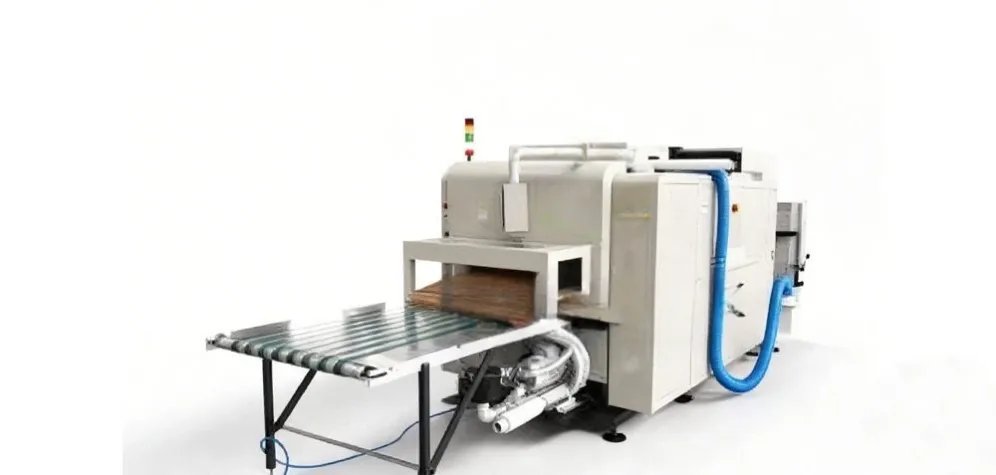
Top 10 Advantages of Using an Air Column Bag Making Machine in 2025
Air column bags protect fragile goods with 360-degree cushioning. The top 10 advantages, the data and the case studies behind the 2025 switch.
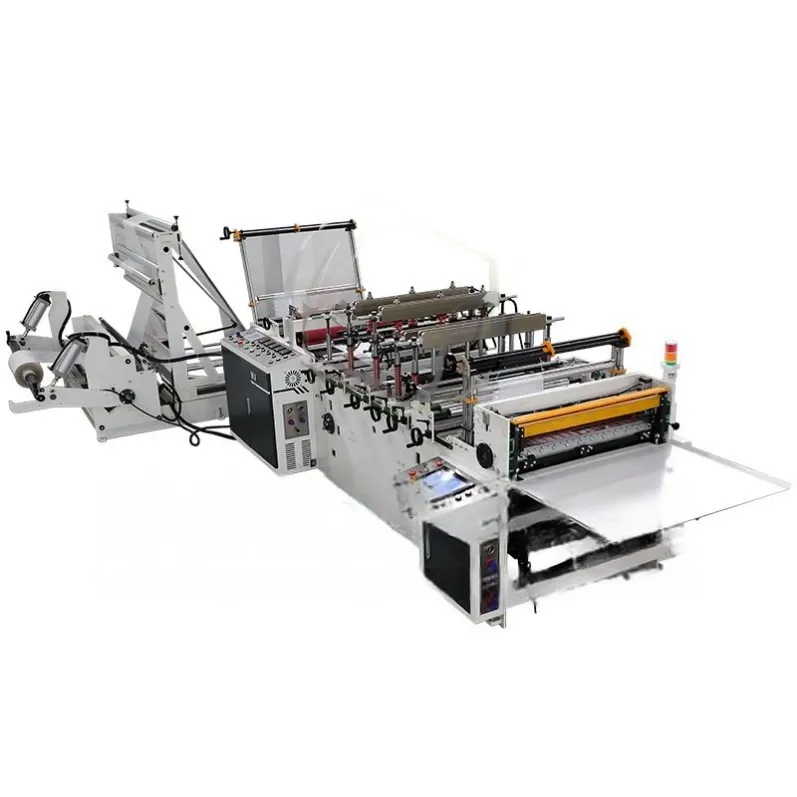
Air column bags have become the go-to cushioning for fragile goods — and the machine that makes them is now a staple of modern protective packaging. An Air Column Bag Making Machine forms multi-column air cushions from co-extruded PE or PA/PE film, inflating each column individually so a product gets 360-degree protection. Here is why buyers are switching in 2025.
What the Air Column Bag Making Machine Does
The machine turns flat film into ready-to-use air column bags. Each column inflates on its own, so even if one chamber leaks, the others keep protecting the product. Adjustable inflation pressure matches different product weights; modular sealing and cutting handle various bag shapes; roll-to-bag automation cuts material waste; and a compact footprint fits small workshops and large factories alike. The result is cushioning that adapts to each product’s shape — for electronics, glassware, cosmetics and medical devices.
Material, Process and Craftsmanship
It starts with the film: high-quality co-extruded PA/PE for superior air retention and puncture resistance, recyclable and odour-free, RoHS and REACH compliant, with antistatic options for electronics and custom thickness and width to suit production demands.
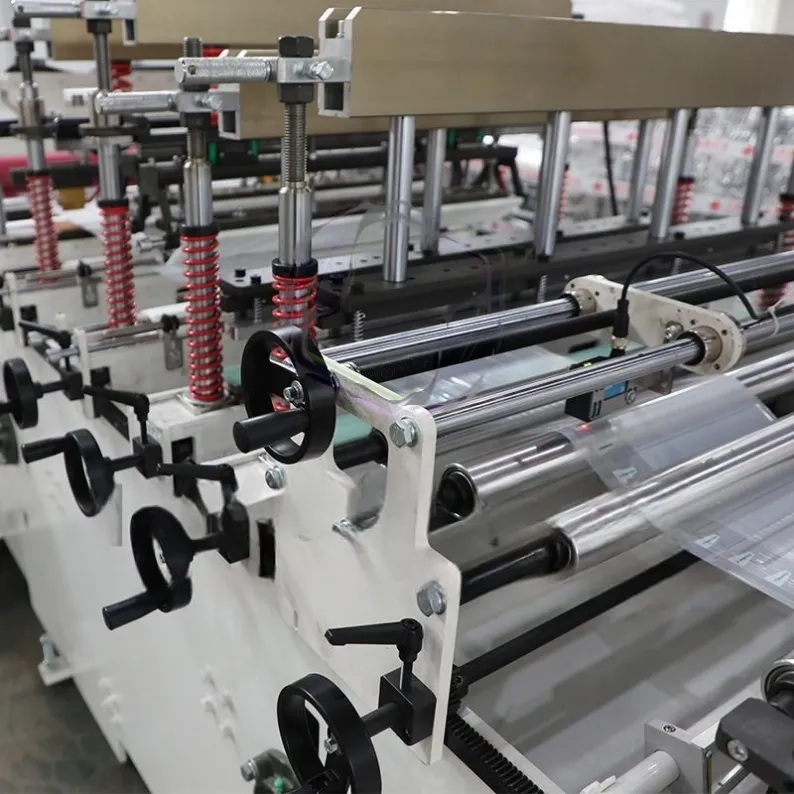
The process is engineered end to end. Servo motors keep film flat and steady during feeding and tension control. Multi-line heat sealing makes airtight columns with consistent spacing. Integrated sensors regulate airflow for stable pressure. Automatic cutting converts inflated rolls into finished bags, and vision sensors inspect in real time for leaks or sealing deviation.
Against ordinary machines, the gap is clear: tighter sealing tolerance from uniform temperature control; up to 30% faster output per shift; lower film waste from precision feeding and smart sensors; 20% lower power consumption from improved heater design; and remote diagnostics for easy maintenance and instant parameter adjustment via touchscreen.
Top 10 Advantages
- Enhanced Product Protection — the multi-column structure prevents full failure even if one chamber leaks.
- Reduced Packaging Cost — lower material usage and on-demand inflation cut storage and freight.
- Automation Efficiency — integrated feeding, sealing and cutting for continuous high-speed output.
- Sustainability — 100% recyclable films and energy-efficient heaters reduce the carbon footprint.
- Space Optimization — flat rolls save warehouse space before inflation.
- Durability — stronger seals and thick co-extruded film withstand long-distance shipping.
- Versatility — different bag sizes and column designs for multiple industries.
- User-Friendly Operation — a touchscreen interface and one-click format memory simplify training.
- Consistent Quality Control — automated pressure testing ensures defect-free output.
- Global Export Compliance — meets EU and US safety standards for packaging materials.
The Numbers Behind the Switch
The inflatable packaging market is expected to exceed USD 4.8 billion by 2025, and analysts expect more than 70% of protective packaging lines in Asia and Europe to use air column systems by then. Companies that switch report 15–25% fewer damages, and automated air column lines improve OEE by up to 22%.
The material data backs it up: PA/PE films test above 25 MPa tensile strength and over 450% elongation, and hold more than 98% of their air after 72 hours under pressure. Against EPS or bubble wrap, CO₂ emissions fall by up to 30%. For a medium-scale packaging plant, payback typically lands in 9–14 months.
Where It Works in Practice
A Shenzhen smartphone accessories factory adopted on-site bag production and cut logistics costs by 40%, with faster packing and near-zero transit damage. An Italian wine company moved from foam to custom air column sleeves for bottles, saving 18% of packaging volume and improving its sustainability image. A German medical equipment manufacturer integrated air column packaging with ERP-controlled production for sterile, dust-free protection. The pattern is consistent: less damage, lower cost, a cleaner footprint.
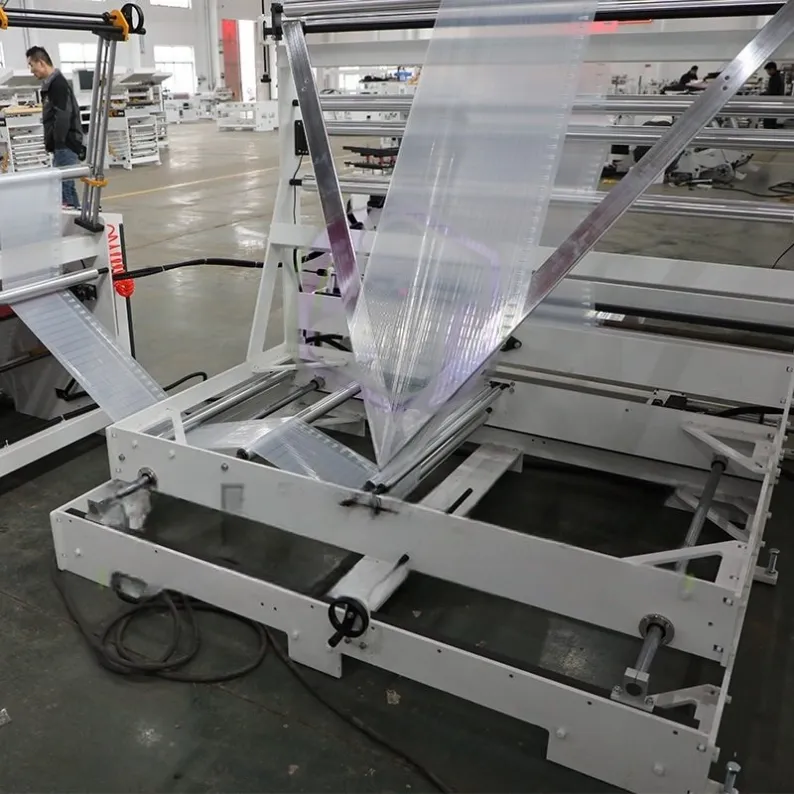
Air column technology is no longer a niche — it is how protective packaging is being built in 2025. Explore Hangjia Machinery’s air column machines to see the range, or contact us to discuss your products, volumes and the right configuration for your line.