Top 10 Plastic Packaging Machinery Innovations Driving 2025 Manufacturing
Servo drives, closed-loop heat control and faster changeovers cut cost per bag in 2025. This guide lists the ten innovations that matter most, and how to compare suppliers on them.
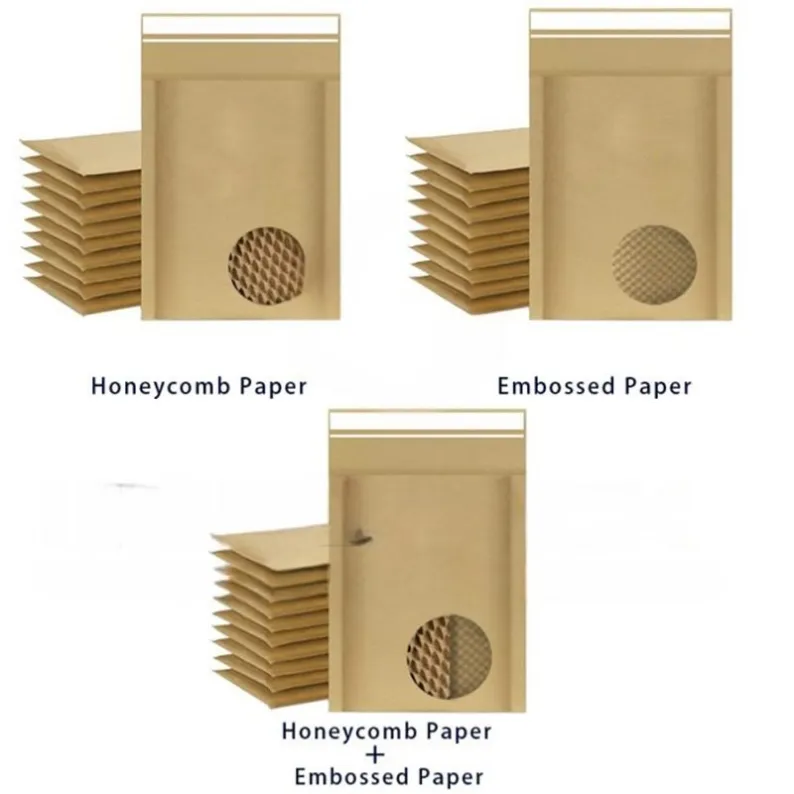
The fastest way to judge plastic packaging machinery in 2025 is to look at three things: servo-driven accuracy, closed-loop control of heat and film, and automation that cuts changeover time. The machines that combine those three cost less to run per bag and produce fewer rejects than the previous generation. This guide lists the ten developments that matter most, so you can compare suppliers on the features that actually change your cost per unit.
The Three Machines That Do the Work
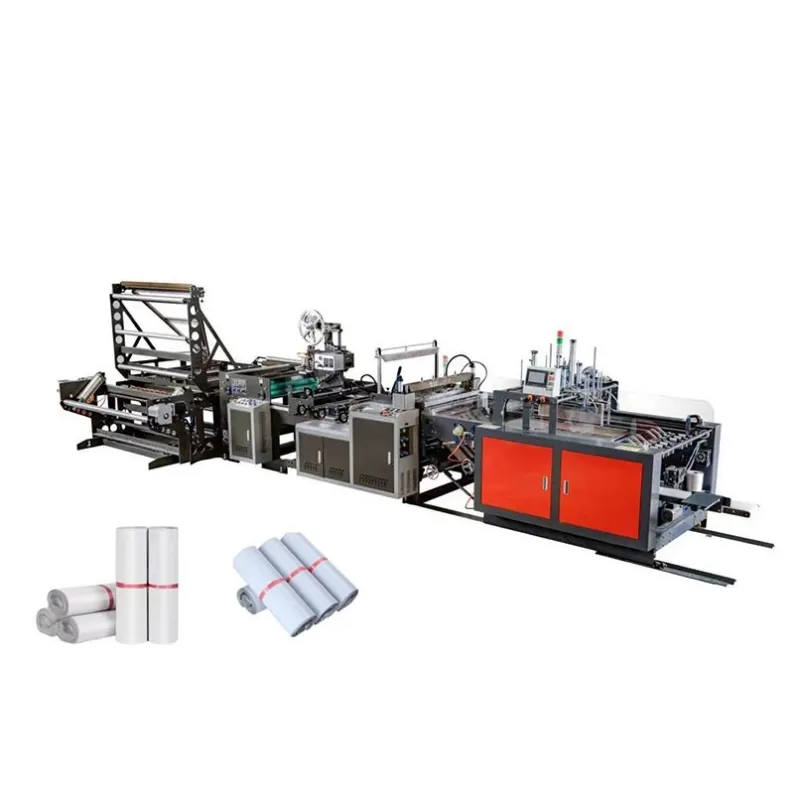
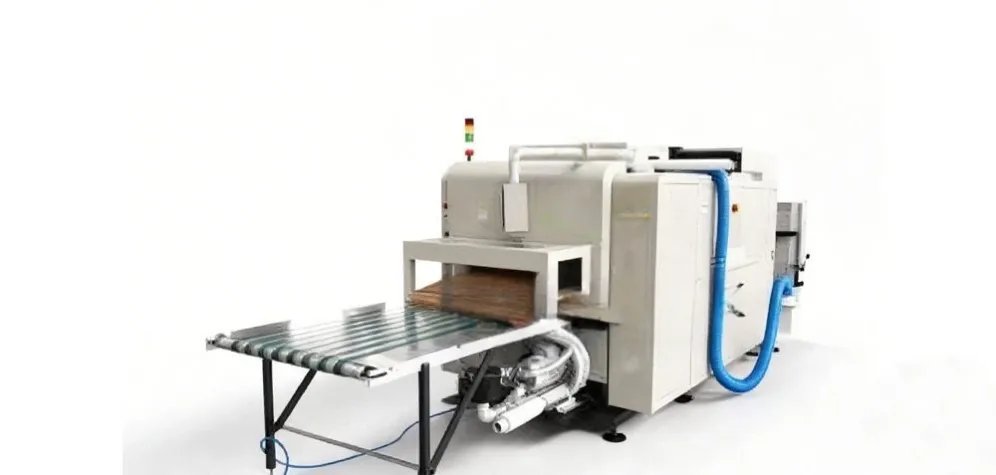
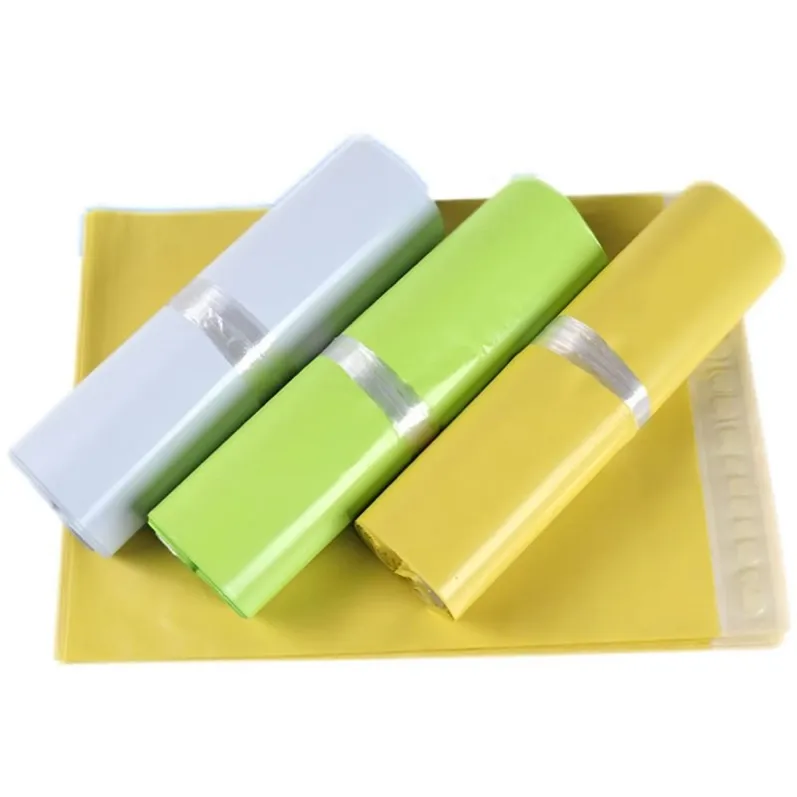
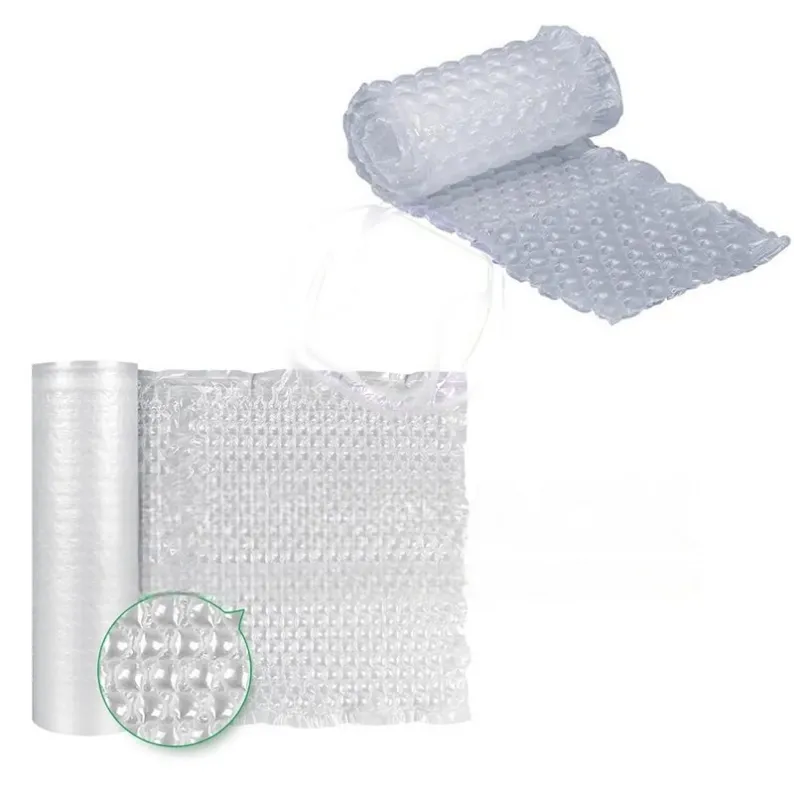
Three machine types sit at the centre of most plastic packaging lines. Plastic bag making machines turn PE film into finished bags — cutting, sealing, adding gussets and perforations for retail, food and logistics bags. Film blowing machines melt plastic and blow it into thin film, and the film's thickness decides the quality of every bag that follows. Sealing and packaging machines finish the job with uniform heat seals that keep products fresh and stop leaks. When you buy, you are really buying the combination of these three: film quality, bag forming and seal quality.
Seven Innovations to Ask About
Beyond the three machine types, seven developments separate a modern line from an older one:
- Servo motors — precise speed and position control, smoother motion, less wasted film and less maintenance than older drive systems.
- Stainless steel construction — easier cleaning and corrosion resistance, which matters for food and pharmaceutical packaging.
- Closed-loop temperature control — the sealing temperature stays stable, so seals are consistent and weak seals become rare.
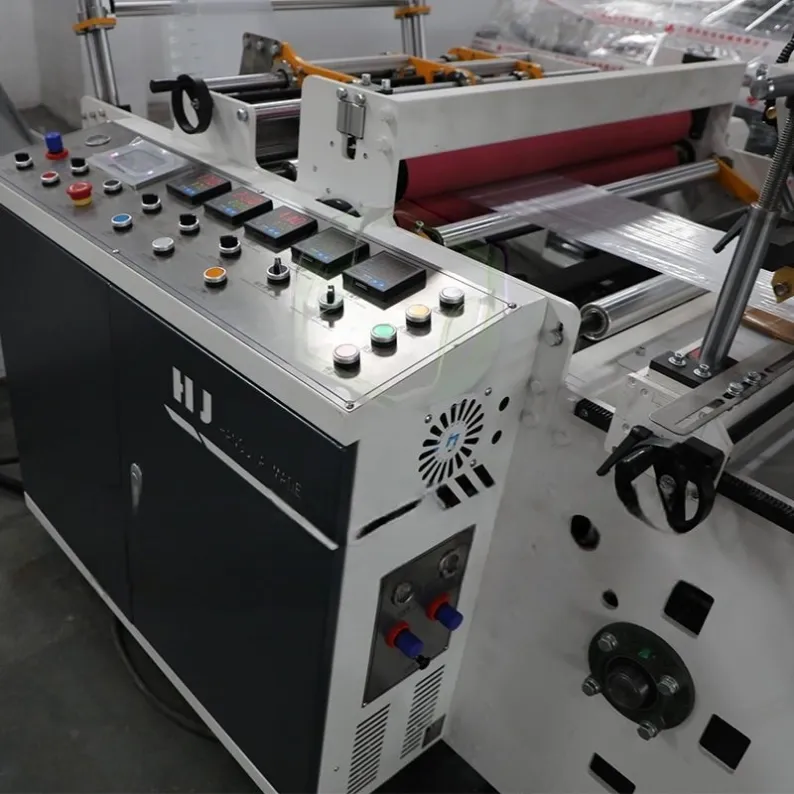
- Smart HMI touchscreens — operators store recipes for each bag size, see real-time status, and need less training to run the line.
- Energy-efficient heating — lower power use per bag, which shows up directly in running costs.
- Automatic roll changeover — the line keeps running when a film roll ends, instead of stopping for a manual change.
- Digital inspection — cameras and sensors catch defects before the bag ships, instead of after a customer complains.
Ask for each of these by name when you talk to suppliers. A machine that has three of them is a different purchase from one that has all seven.
What the Numbers Say
Reported results give a sense of scale. Optimised packaging has been reported to cut dimensional weight charges by up to 15%, and a European e-commerce operation reported 20% fewer returns after improving packaging quality. Sustainable product lines that reuse 35% to 40% of materials are becoming the norm, and e-commerce packaging demand is forecast to pass $10 billion by 2030. Treat these as reported results, not guarantees — but they explain why buyers are paying attention to film use, seal quality and energy use rather than headline speed alone.
How to Choose the Right Machine
Start with your own volumes: bags per shift, the range of bag sizes, and the films you plan to run. A line that makes one bag size all day needs different automation from a line that changes size three times a shift. Then check the practical points:
- Bag range: can it make the smallest and largest bags you sell, with the gussets and perforations you need?
- Film handling: does it run the film thickness and type you buy, and how long does a roll change take?
- Controls: can operators store and recall recipes, and does the screen show the fault when the line stops?
- Energy and waste: what is the power use per thousand bags, and how much film is wasted at start-up?
- Support: spare parts, a service contact, and a warranty that covers the sealing and cutting parts that wear first.
If a supplier will not run your film on their machine, keep looking.
What to Watch Before You Buy
Film quality decides more than the machine does. A machine that runs well on one supplier's film may struggle on another's, so test with the film you will actually buy. Train operators on the touchscreen recipes rather than on manual settings, so every shift produces the same bag. And check your local rules on plastic packaging before you order — taxes and recycling rules vary by market, and they change what a bag costs you over its life.
A Clear Next Step
If plastic packaging is still a big part of your operation, compare machines on servo control, temperature control and changeover time rather than on headline speed alone. Browse Hangjia Machinery's Air Cushion Machines to see the range, then contact us with your bag sizes, films and bags per day — we will help you work out which setup fits and what it would cost to run.