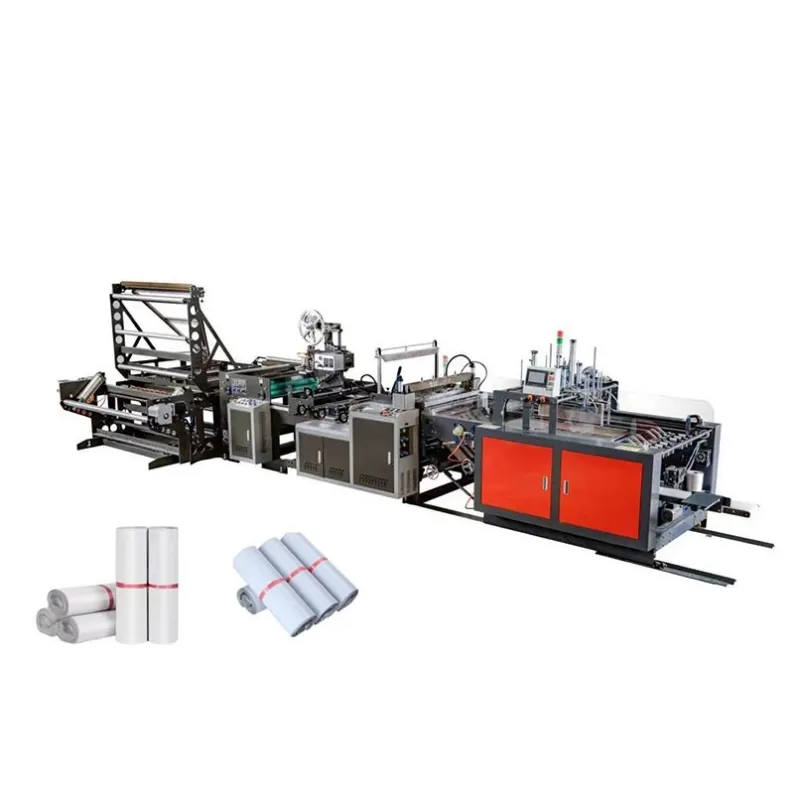
Top 5 Advantages of Plastic Packaging Machinery You Should Know
Speed, cost, versatility, durability and sustainability — plastic packaging machinery wins on all five at volume. This guide works through each advantage in buying terms.
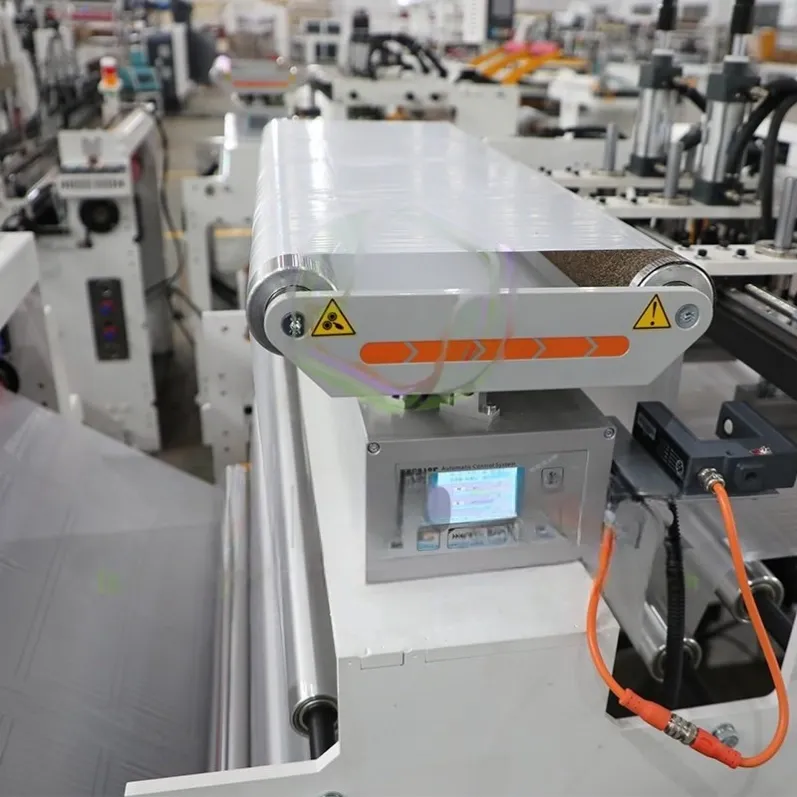
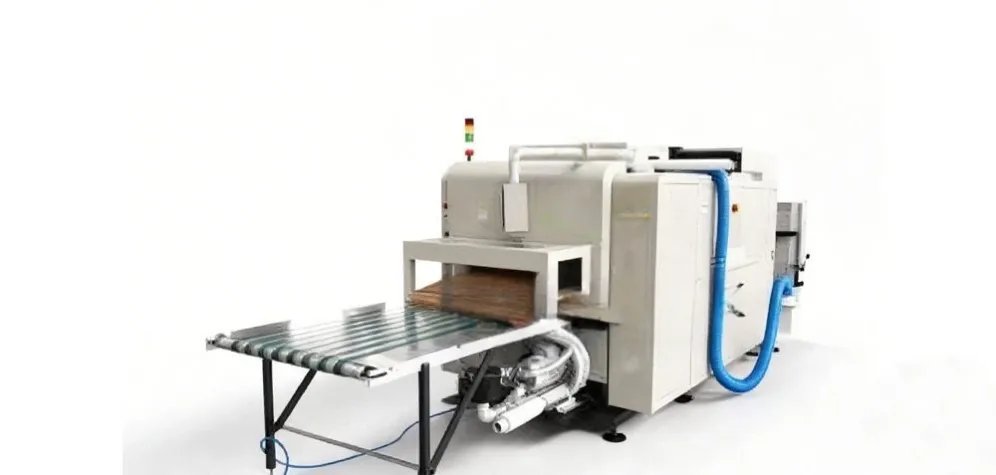
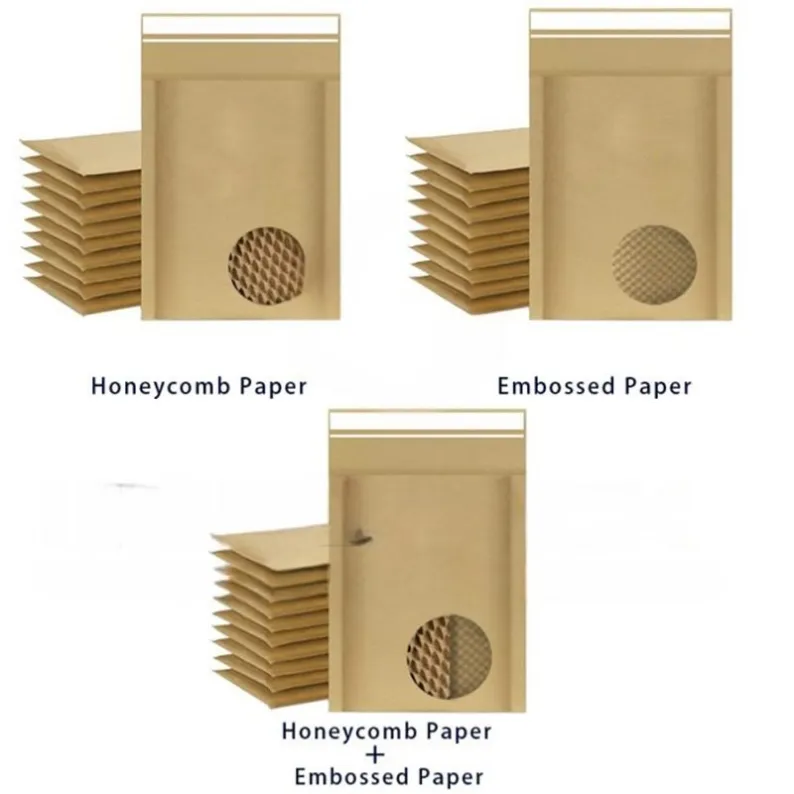
Plastic packaging machinery earns its place on a packing line for five reasons: it runs faster, costs less per unit, handles more product types, protects goods better, and now uses less material than it used to. For high-volume bag, film and sealing work, that combination is hard to beat with any other material. This guide works through each advantage in buying terms — what it saves, what it risks, and how to choose a machine that delivers it.
1. Speed: More Bags Per Hour, Fewer Stops
Automated plastic packaging lines run at up to three times the speed of manual packing, and reported results show production running about 25% faster after automation. Servo motors, automatic roll changeover and touchscreen recipes keep the line moving instead of stopping for adjustments. For a buyer, the question is not headline speed but sustained output: how many good bags per hour, shift after shift, with your operators and your film.
2. Cost: Lower Cost Per Unit at Volume
The cost case is straightforward at volume. Reported figures put production costs up to 40% lower than manual packing, because one operator can run a line that used to need several, and because film waste falls when tension and sealing are controlled automatically. The maths change at low volume, so work out your cost per thousand bags at your actual volumes before you buy — a machine that is cheap per bag at 100,000 bags a month may not be cheap at 10,000.
3. Versatility: One Line, Many Products
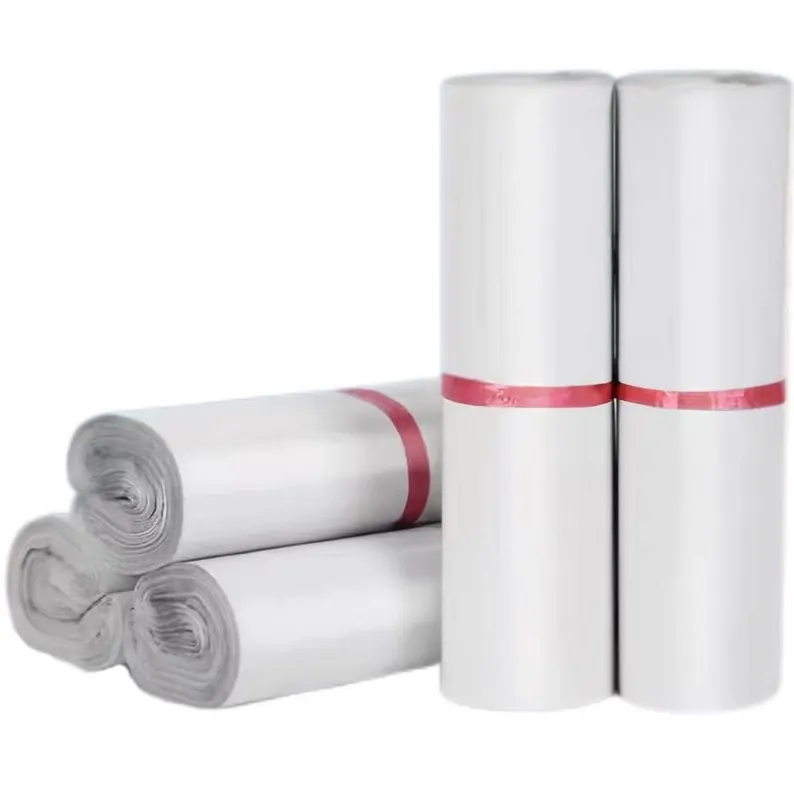
A plastic packaging line is not a single-product machine. The same line can make different bag sizes, run different films and serve food and beverage, pharmaceutical, retail, e-commerce and logistics products. Quick changeovers between bag sizes turn that versatility into real money: you can take smaller orders and more product types without adding a second line.
4. Durability: Fewer Damaged Goods
Plastic protects. A sealed plastic bag resists moisture and impact, and a good heat seal keeps the product inside even when the parcel is dropped. Reported results show product damage falling by as much as 70% when goods move from weak packaging to properly sealed plastic packaging. Compare materials on the four points that matter:
- Plastic: low cost, light weight, high durability, moderate eco-friendliness.
- Paper: moderate cost and weight, moderate durability, high eco-friendliness.
- Glass: high cost, heavy, low durability in transit, moderate eco-friendliness.
- Metal: high cost, heavy, high durability, low eco-friendliness.
Plastic wins on cost, weight and durability. Paper wins on eco-friendliness. Choose on the balance your products and your customers need, not on one factor alone.
5. Sustainability: Less Material, More Recycling
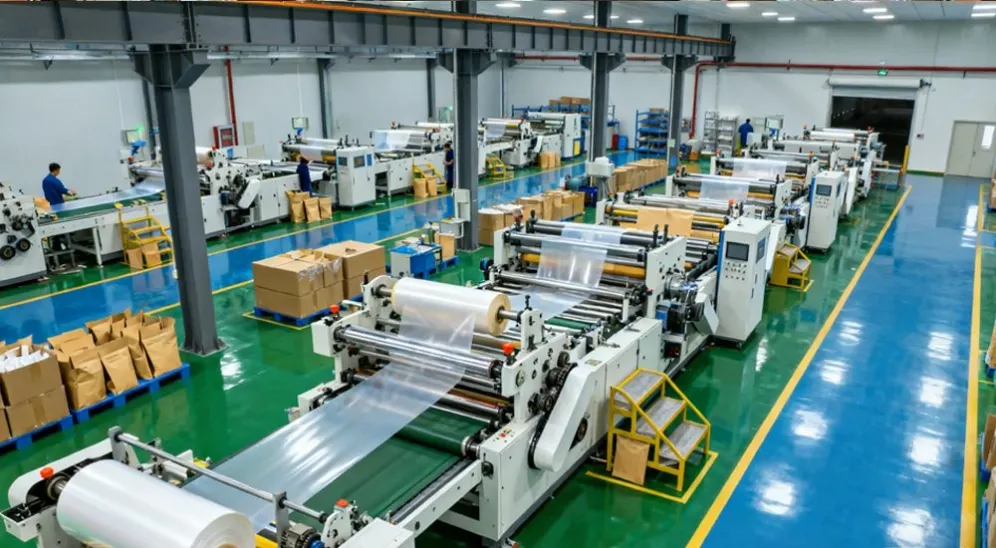
Plastic packaging has a real sustainability story when it is done well. Thinner films use less material per bag, recycling programmes have been reported to cut packaging waste by up to 30%, and modern lines reuse a growing share of recycled material. Smart machines with IoT sensors and AI add to this by spotting faults early, cutting rejects and keeping the line efficient. The environmental question to ask a supplier is not whether the machine uses plastic, but how much material it wastes per thousand bags and how it handles recycled film.
How to Choose: Five Questions Before You Buy
Before you compare models, answer these five questions:
- Volume: how many bags per shift, and how much does that vary by season?
- Product range: how many bag sizes and film types will the line have to run?
- Film: what thickness and type will you buy, and will the machine run it without constant adjustment?
- Automation: how much changeover and inspection do you want the machine to do for you?
- Support: spare parts, a service contact, and a warranty that covers the sealing and cutting parts that wear first.
A supplier who can answer all five with your numbers is worth more than one who only quotes a speed.
What to Watch Before You Buy
Check your local rules on plastic packaging before you order — taxes and recycling rules vary by market, and they change what a bag costs over its life. Train operators on the touchscreen recipes rather than on manual settings, so every shift produces the same bag. And do not oversize the machine for volumes you do not have yet; buy for the volumes you can show, and leave room to grow.
A Clear Next Step
If plastic packaging is a big part of your operation, compare machines on sustained output and cost per thousand bags rather than on headline speed alone. Browse Hangjia Machinery's Air Cushion Machines to see the range, then contact us with your bag sizes, films and bags per day — we will help you work out which setup fits and what it would cost to run.