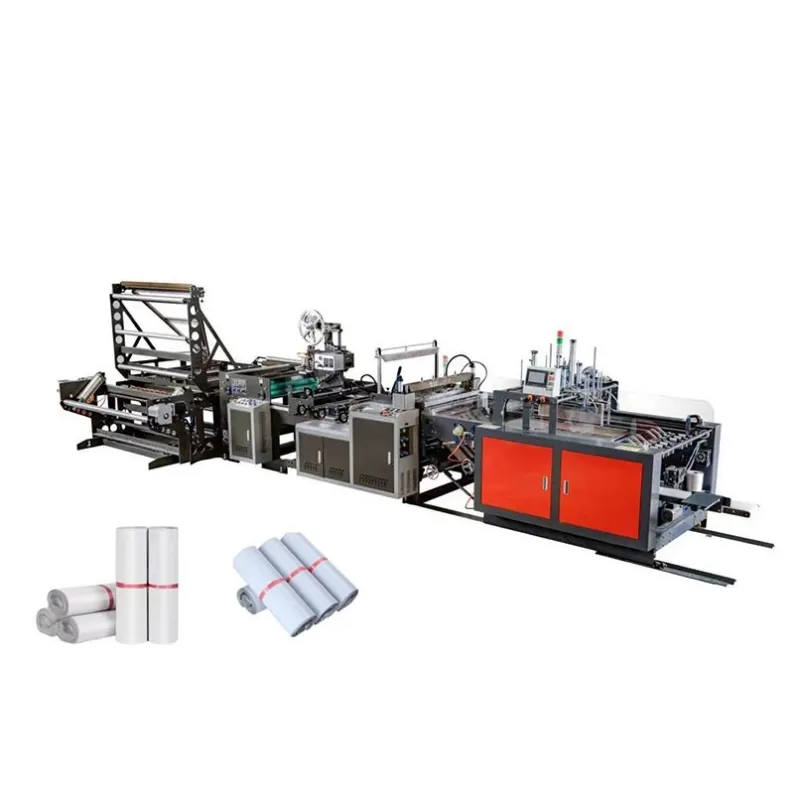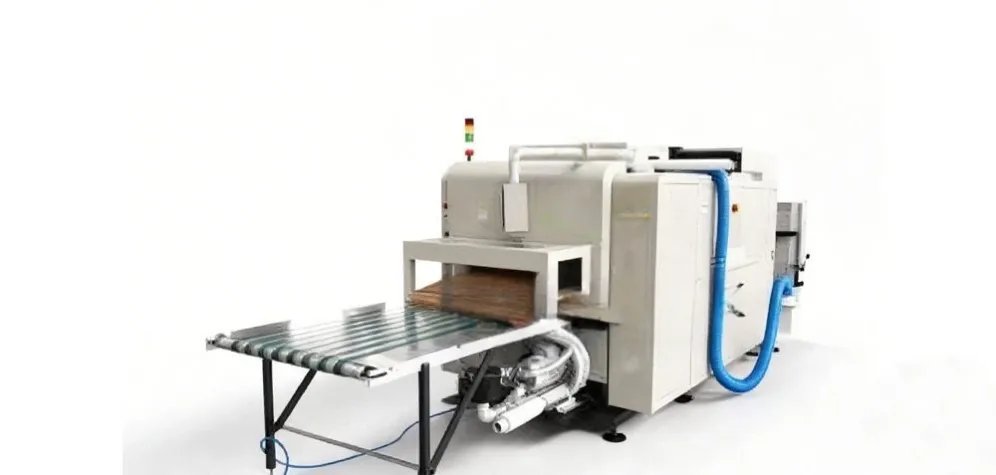
Top 5 Benefits of Switching to Paper Packaging Machinery in 2025
Paper packaging machinery cuts shipping volume, labour and plastic waste while meeting 2025 regulations. This guide explains the five benefits that matter most to buyers.
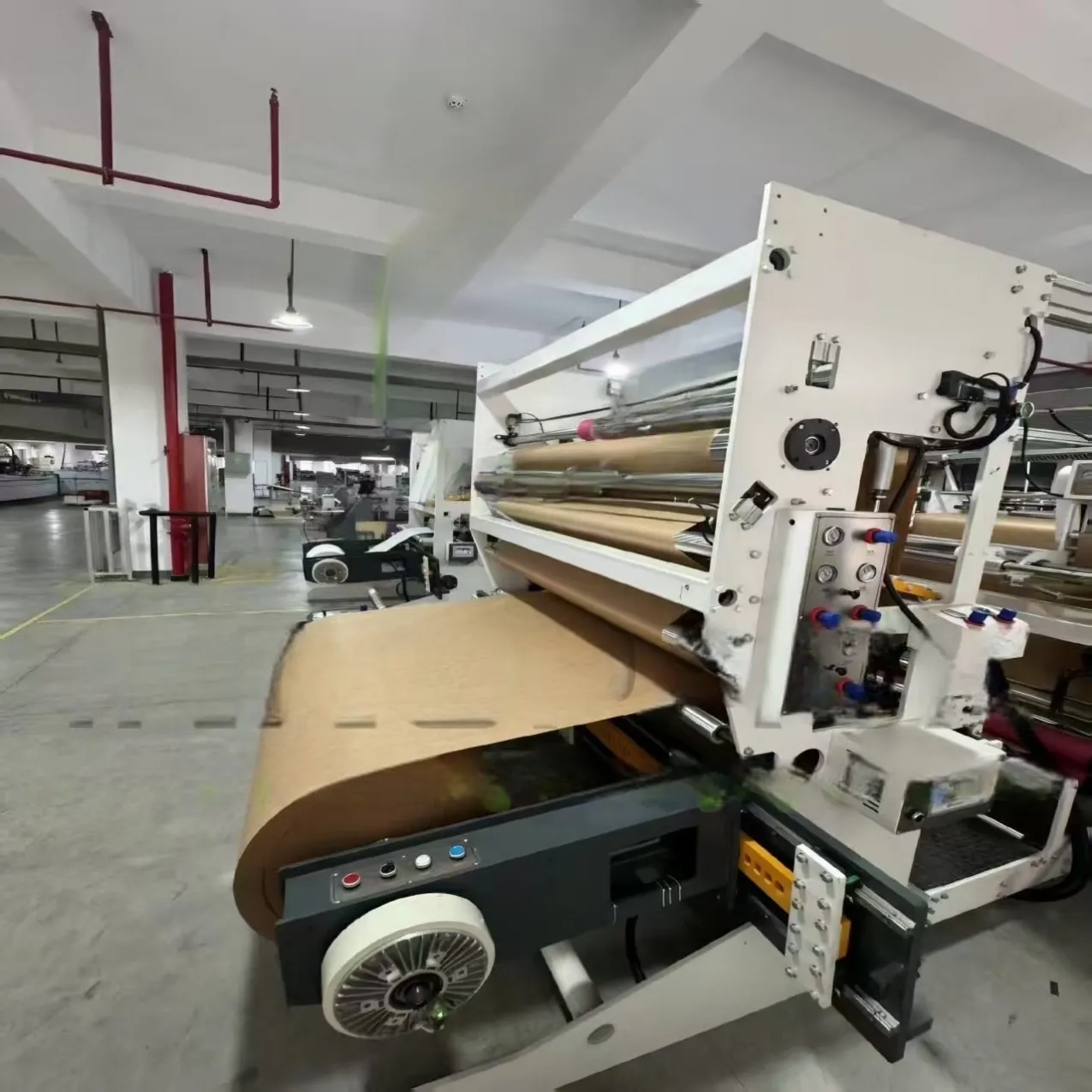
Switching to paper packaging machinery in 2025 pays back in five ways: it cuts shipping volume and freight, lifts brand and repeat purchase, reduces labour, meets tightening regulation, and future-proofs the business against plastic taxes and bans. The five benefits below, with the figures buyers should check, show where the return comes from and what to ask for before you buy.
1. Lower Shipping and Material Costs
The first saving comes from size. A paper packaging machine makes right-sized mailers and bags on demand, so the package fits the product instead of the product rattling around in an oversized box filled with void fill. Shipping volume falls by 10-30% when the package fits, and because carriers charge by size as well as weight, a smaller parcel often costs less to ship before the material saving is even counted. Flat-stacked kraft mailers also cost less to store and move than air-filled plastic packaging, and use less corrugate and filler per order. The effect is not theoretical: one B2B hardware client saved $12,000 a month after switching to a paper mailer system, a result that came from smaller parcels, less filler and faster packing rather than from any single change.
2. A Stronger Brand and Higher Repeat Purchase
Packaging is the first physical contact a customer has with an online order, and paper makes a better impression than plastic. Kraft paper, clean print and a custom logo turn the parcel into brand media, and the unboxing becomes part of the product experience rather than waste to throw away. The preference is measurable: 62% of consumers say they are more likely to repurchase from brands using sustainable packaging. For a brand that depends on repeat orders, that figure is worth more than the material saving, because it turns a cost centre into a reason for customers to come back.
3. Less Labour and Faster Packing
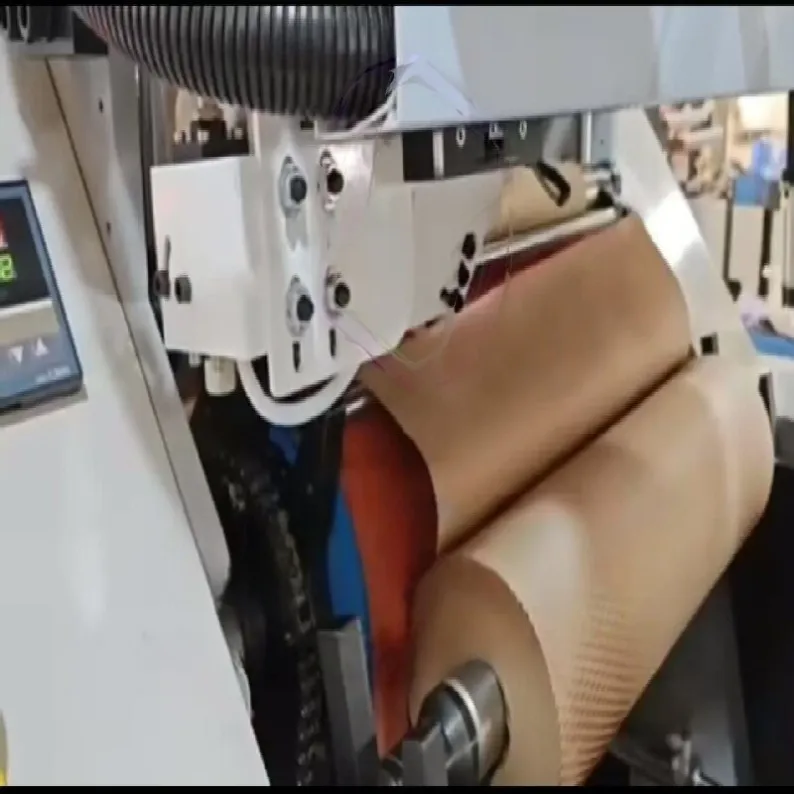
The third benefit is labour. A paper packaging machine automates the repetitive work: automatic feeding, forming, sealing and cutting replace hand packing, and output stays consistent from the first parcel to the last. One packing line in the source example went from 6 packers to 1 operator managing 2 machines, freeing the rest of the team for picking, quality checks and other higher-value work. Changeover between bag sizes is faster than re-setting a manual packing bench, so the line can switch products without losing a shift to set-up. For a growing fulfilment operation, that labour saving is often the fastest payback of all.
4. Compliance with 2025 Regulations
Regulation is tightening on both sides of the Atlantic, and 2025 is the year many of the new rules start to bite. The EU Packaging and Packaging Waste Regulation (PPWR) requires all packaging to be recyclable by 2030, with interim targets from 2025. In the United States, California's SB54 and similar state rules push in the same direction, while plastic taxes and single-use bans add direct cost to plastic packaging. Paper packaging made from FSC-certified paper, curbside recyclable, with EN 13430 recyclability, ASTM D7611 resin coding and PFAS-free materials, is the straightforward way to stay ahead of these rules. Buyers should ask suppliers for the certifications that apply in their market and keep them on file, because a customer or a regulator will ask for them sooner or later.
5. Future-Proofing Against Plastic Taxes and Bans
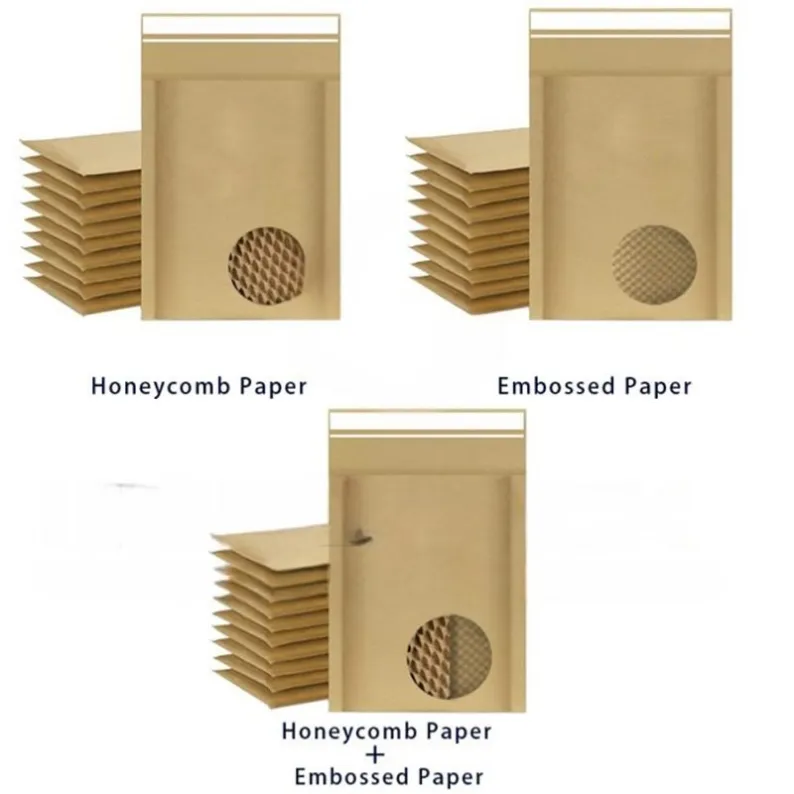
The fifth benefit is protection against what comes next. A paper packaging machine is not a single-product tool: the same platform can make honeycomb paper, padded mailers and kraft mailers as the market shifts, so the investment is not stranded if a particular plastic format is taxed or banned. Customers and investors increasingly expect a plastic-reduction plan, and a paper packaging line is a visible, working part of it. Businesses that switch now buy their equipment while they can plan the change, rather than under the pressure of a ban or a tax that arrives with a deadline.
What to Check Before You Buy
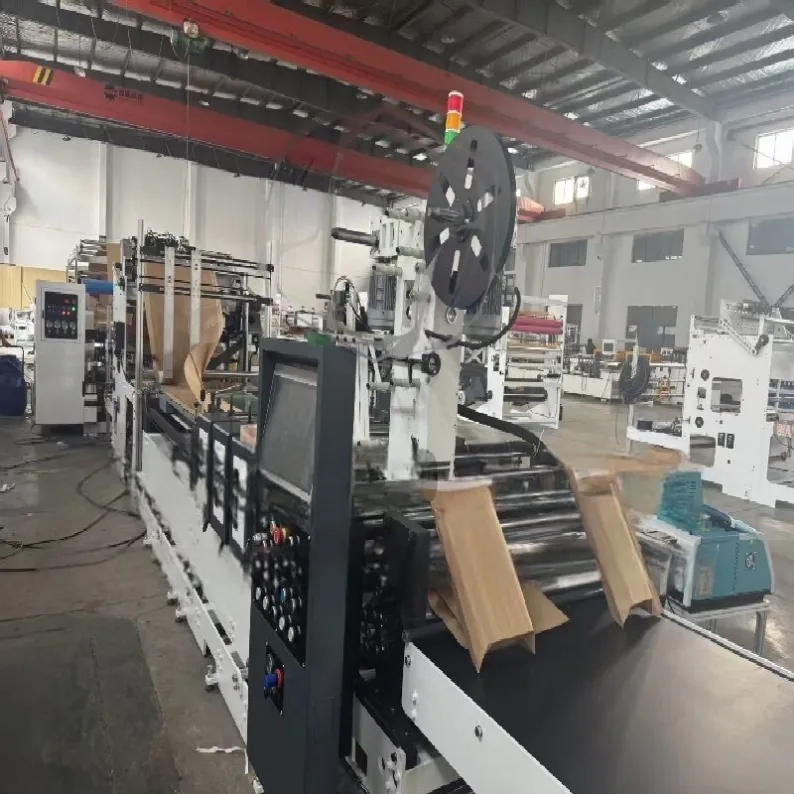
Use this checklist when comparing paper packaging machines, and ask the supplier to confirm each point in writing.
- Paper grammage: the machine should handle 80-180 gsm paper, so it can run light mailers and heavier protective grades.
- Speed: look for at least 800 mailers per hour, and ask what speed that figure assumes, including changeover.
- Certifications: FSC-certified paper supply, and CE and UL certification for the machine itself.
- Flexibility: modular tooling that can switch between mailer types, such as kraft, padded and honeycomb formats.
- Precision: servo-driven controls that hold bag size and seal position across a long run.
- Automation: automatic feeding and stacking, so one operator can run the line.
- Service: local service and spare parts, because a packing line stops when the machine stops.
Timing matters as much as specification. A machine ordered in 2025 can be installed and running while the current rules still allow a planned changeover, and the savings in freight, labour and material start from the first month. Waiting until a ban or a tax forces the switch means paying the old costs for longer and changing under a deadline. Buyers who move now also have time to train operators and tune the line before peak season, rather than learning a new system while orders are at their highest.
Conclusion
The case for switching to paper packaging machinery in 2025 is not only environmental. It is a cost case, a brand case and a compliance case, and the five benefits above are where the money is: smaller parcels, customers who come back, fewer hands on the line, rules already met, and an investment that survives the next round of plastic taxes and bans. Check the specifications above against your own volumes, then compare the machines. Explore Hangjia Machinery's paper mailer and envelope machines to see the range, or contact us with your product range and daily volume, and we will help you size the right system.