Top Innovations in Air Bubble Making Machines for Eco-Friendly Packaging
The latest innovations in air bubble making machines: thinner films, paper-based options, smarter controls and lower energy use.
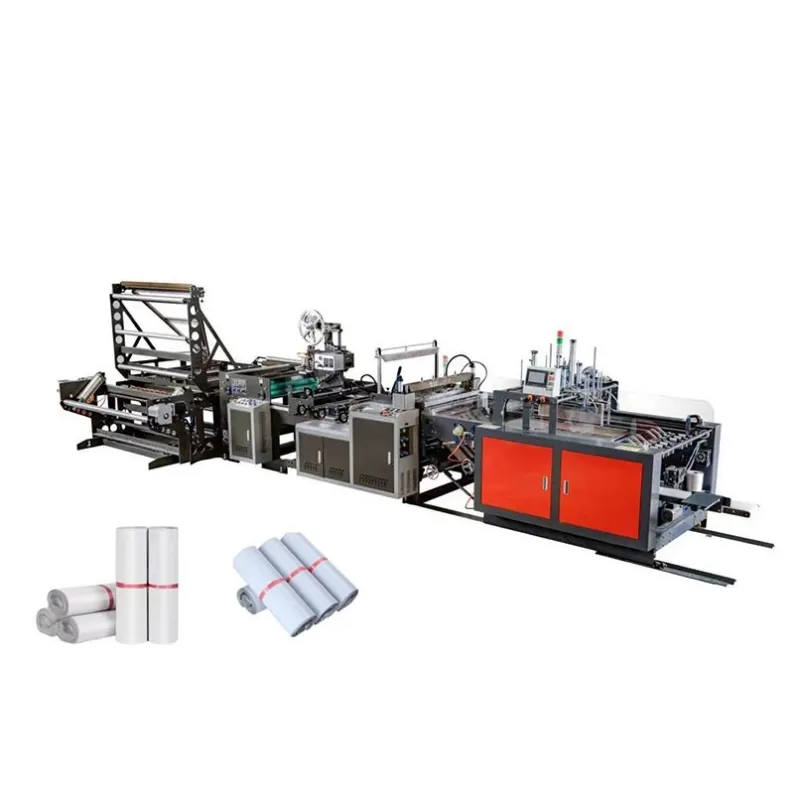
Air cushions are the quiet workhorse of e-commerce packing: light, protective and made on demand. The machines that produce them have changed a lot in recent years, and the newest ones are designed with sustainability in mind. These are the innovations that matter, and what they mean for a packing line.
On-Demand Production, Less Waste
The first innovation is the idea itself. An air bubble making machine inflates film only when it is needed, at the packing bench, instead of shipping pre-inflated cushions that are mostly air. That cuts storage space, freight and waste in one move: a roll of flat film becomes hundreds of cushions, and there is no pile of unused pillows at the end of the week.
Modern machines run faster and more reliably than the first generation, with consistent inflation and sealing so fewer cushions are rejected or burst in transit.
Thinner, Stronger Films
Film has become the focus of much of the innovation. Newer films are thinner but stronger, using less plastic per cushion while holding pressure longer. Some are made with recycled content, and some are designed to be recycled with soft plastics where collection exists. The best results come from matching the film to the product: a light cushion for a soft item, a stronger column for a fragile one.
Thinner film is not a compromise on protection. A well-sealed cushion with the right air volume protects as well as a thicker one, and it costs less to make and to ship.
Paper-Based Air Cushions
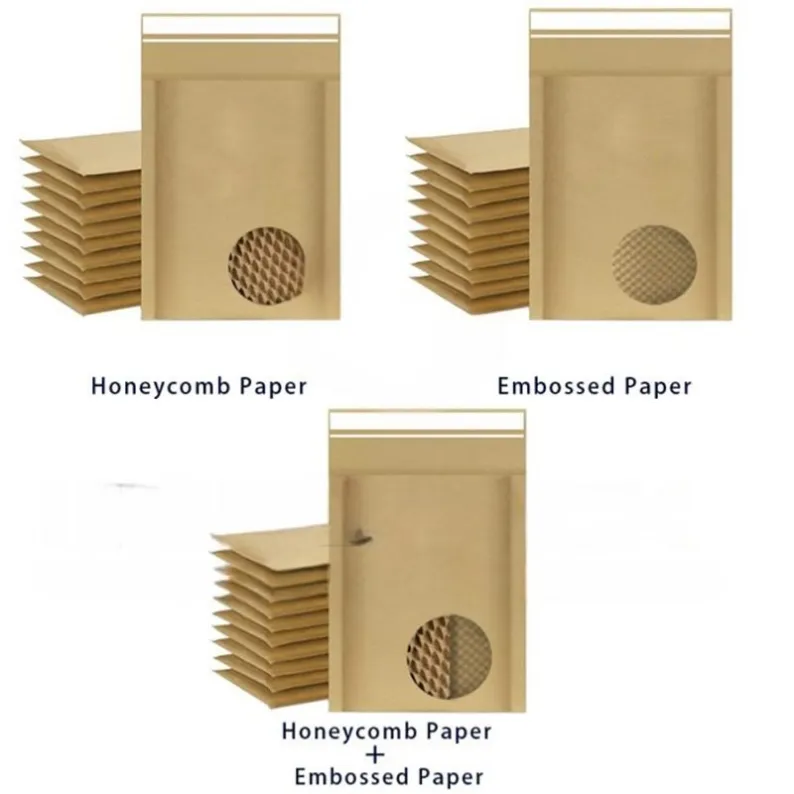
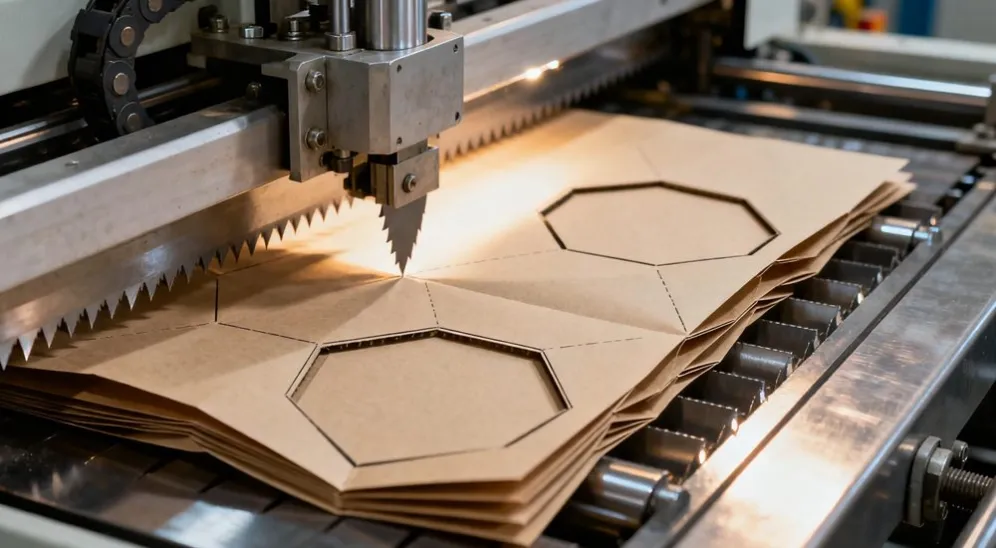
The most visible change is paper. Paper bubble — kraft paper formed into a honeycomb or bubble pattern — gives the cushioning of air with the recyclability of paper. It is made on similar machines, it packs and wraps in the same way, and it goes straight into the paper recycling stream. For brands that have committed to plastic-free packaging, it is the format that closes the gap.
Air column machines are part of the same shift: they form continuous columns of air that wrap and separate products, and the newer paper-based versions give the same protection without the plastic film.
Smarter Controls and Sensors
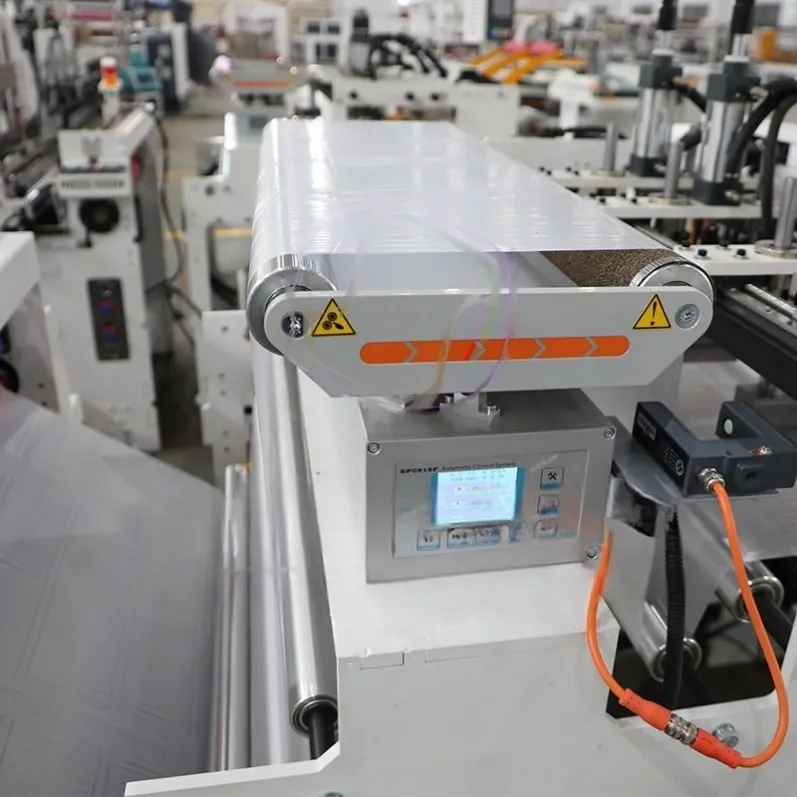
Newer machines adjust themselves. Sensors detect the film type and thickness, set the air pressure and sealing temperature, and flag a problem before it becomes a batch of failed cushions. Touchscreen controls store presets for different products, so an operator can switch from a small cushion to a large one without stopping the line to retune it.
That matters for quality as well as speed. Consistent cushions mean consistent protection, and fewer damaged parcels.
Lower Energy and Easier Integration
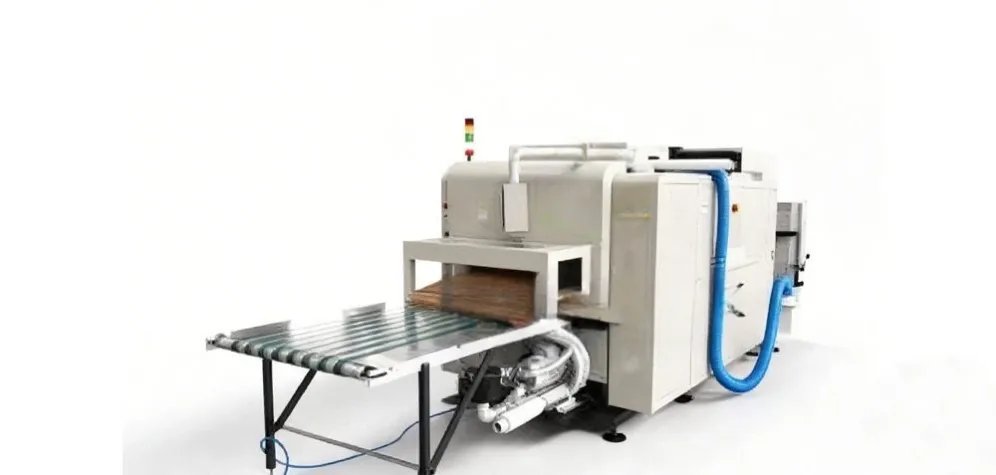
Energy use has fallen as motors and heaters have become more efficient, and machines now idle cleanly between orders instead of running hot all day. Many lines are built to sit on a packing bench or integrate with a conveyor, so air cushions can be produced at the point of packing rather than carried across the warehouse.
How to Choose a Machine
Start with the products you ship and the protection they need, then look at film options: plastic film, recycled film, or paper bubble. Check the speed you need at peak, the range of cushion sizes the machine makes, and how quickly it changes between them. Ask for a trial with your own products, and for the energy use and the film cost per cushion — those two numbers decide the running cost.
Frequently Asked Questions
Are air bubble machines eco-friendly? The newest ones are: on-demand production, thinner or recycled films, and paper-based options all reduce waste and material use. Can paper replace plastic air cushions? For many products, yes — paper bubble and honeycomb give similar protection and are easier to recycle. How fast are modern machines? Fast enough for e-commerce peaks, with presets that make changeovers quick.
If you want to see the latest air cushion and paper bubble options for your packing line, browse the product range or contact Hangjia Machinery to discuss your products, volumes and cushioning needs.